
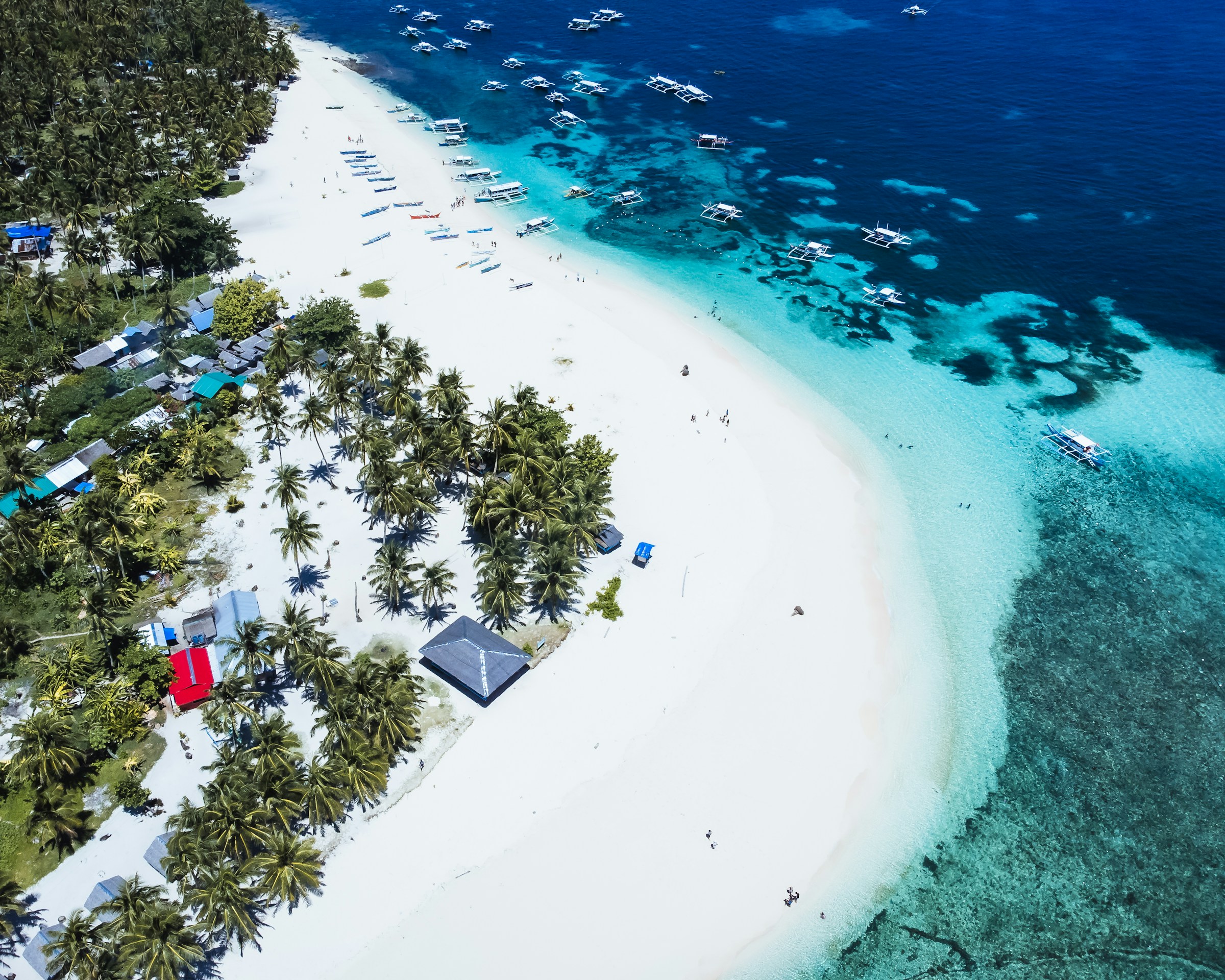

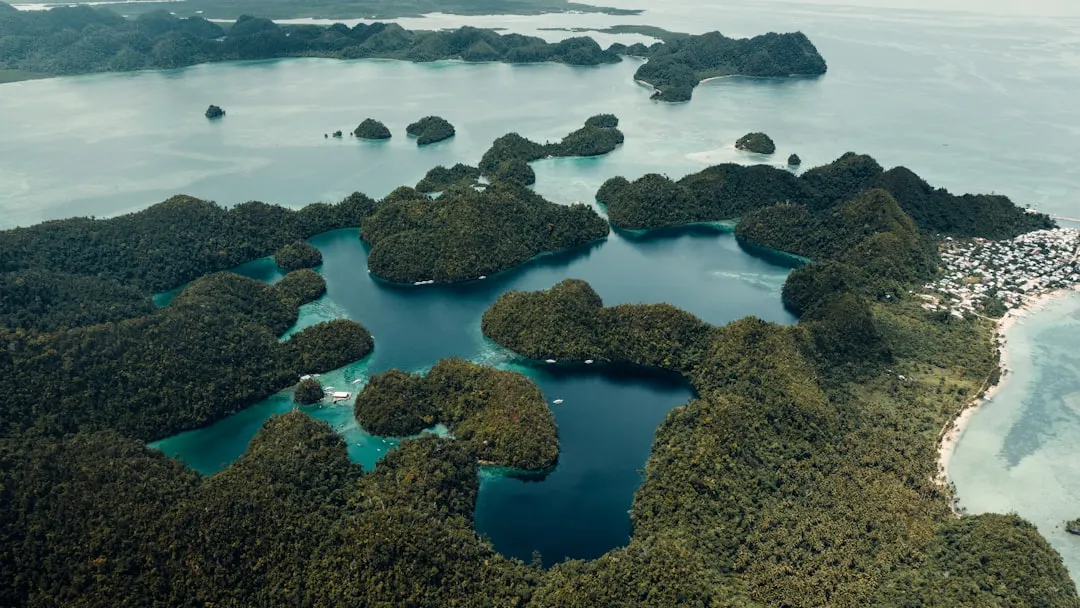
There is a particular kind of travel magic that happens when a place feels genuinely undiscovered, even as the world slowly finds it. Siargao, a tear-shaped island tucked into the Philippine Sea in the province of Surigao del Norte, carries exactly that feeling. It has waves, lagoons, mangrove forests, and a community that cares deeply about the land it calls home.
For years, it belonged almost entirely to surfers. Now, the word is spreading further, and a diverse crowd of backpackers, digital nomads, and slow travelers is finding their way here. What they find tends to keep them longer than planned.
The Surfing Capital That Grew Into So Much More
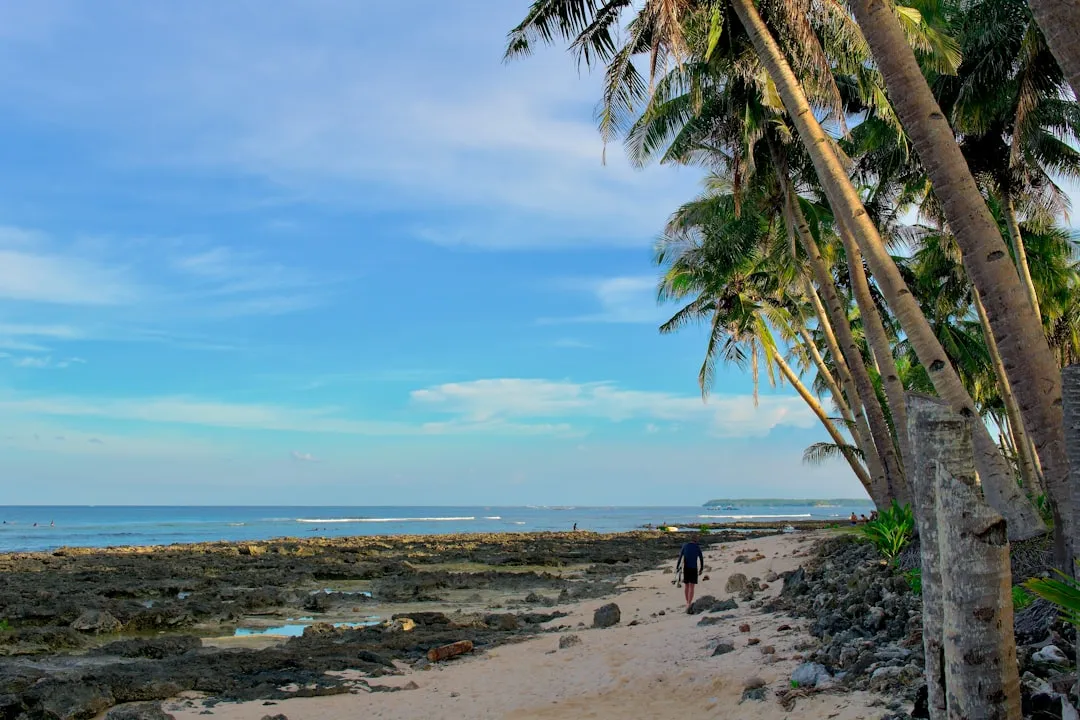
Siargao is known as the “Surfing Capital of the Philippines,” a beautiful tear-shaped island famous for its waves and natural character. Since being discovered by a tight-knit group of surfers in the late 1980s, Siargao has emerged as one of the Philippines’ top island destinations.
Siargao ranked seventh in Condé Nast Traveler’s 2025 Readers’ Choice Awards for Best Islands in Asia. Once a quiet surfing destination, the island has become one of the country’s fastest-rising tourism hotspots, attracting both local and foreign visitors with its laid-back charm, natural attractions, and vibrant community.
Siargao offers something increasingly rare in today’s travel landscape: authentic island vibes without the overwhelming crowds. Tourism has grown significantly, but the island’s infrastructure limitations, including no mega-resorts and limited flights, have kept mass tourism at bay.
A Comeback Story Worth Knowing
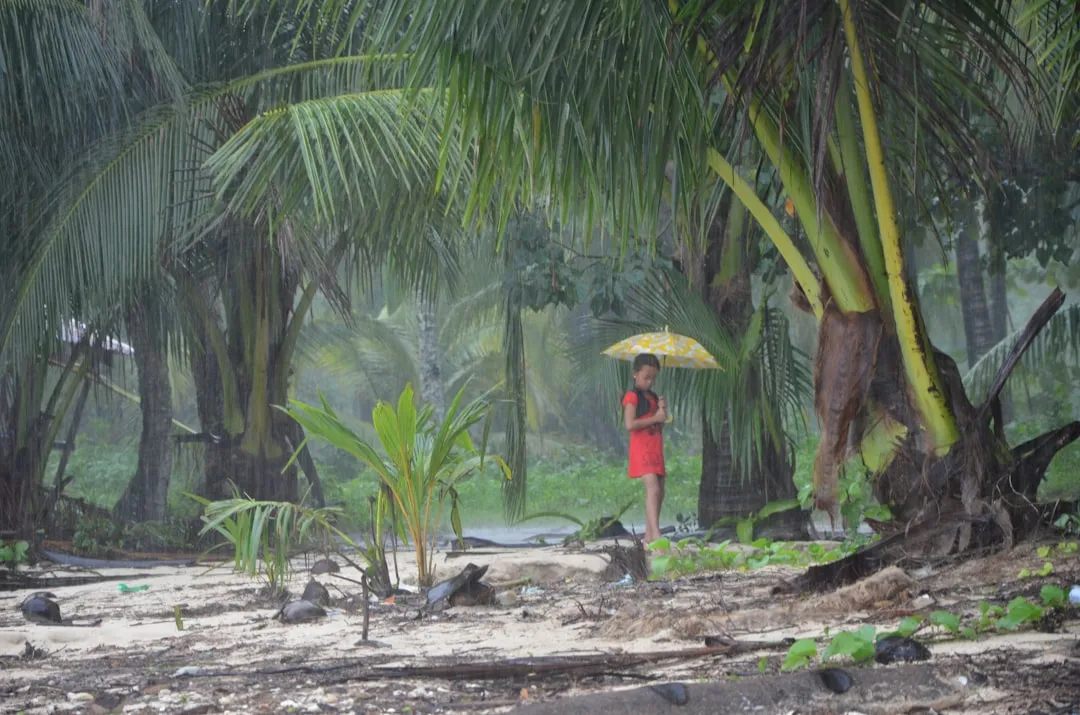
On December 16, 2021, Super Typhoon Odette made its first landfall in the Philippines directly on Siargao Island, packing sustained winds of 195 km per hour and gusts reaching 240 km per hour. It was the most powerful storm to hit the Philippines that year, and it flattened coconut plantations, destroyed roads, shattered resort infrastructure, and caused an estimated 20 billion pesos in damage on Siargao alone.
Cloud 9’s famous boardwalk was washed away. The airport sustained severe damage. General Luna, the main tourist hub, was reduced to debris. The island’s recovery from that point is, frankly, remarkable.
By 2025, tourist arrivals had surpassed pre-pandemic highs. Following the devastation brought by Typhoon Odette, many hotels and resorts were forced to rebuild, yet the island retains a laid-back vibe that continues to attract surfers and travelers from around the globe.
Cloud 9 and the Surf That Put Siargao on the Map
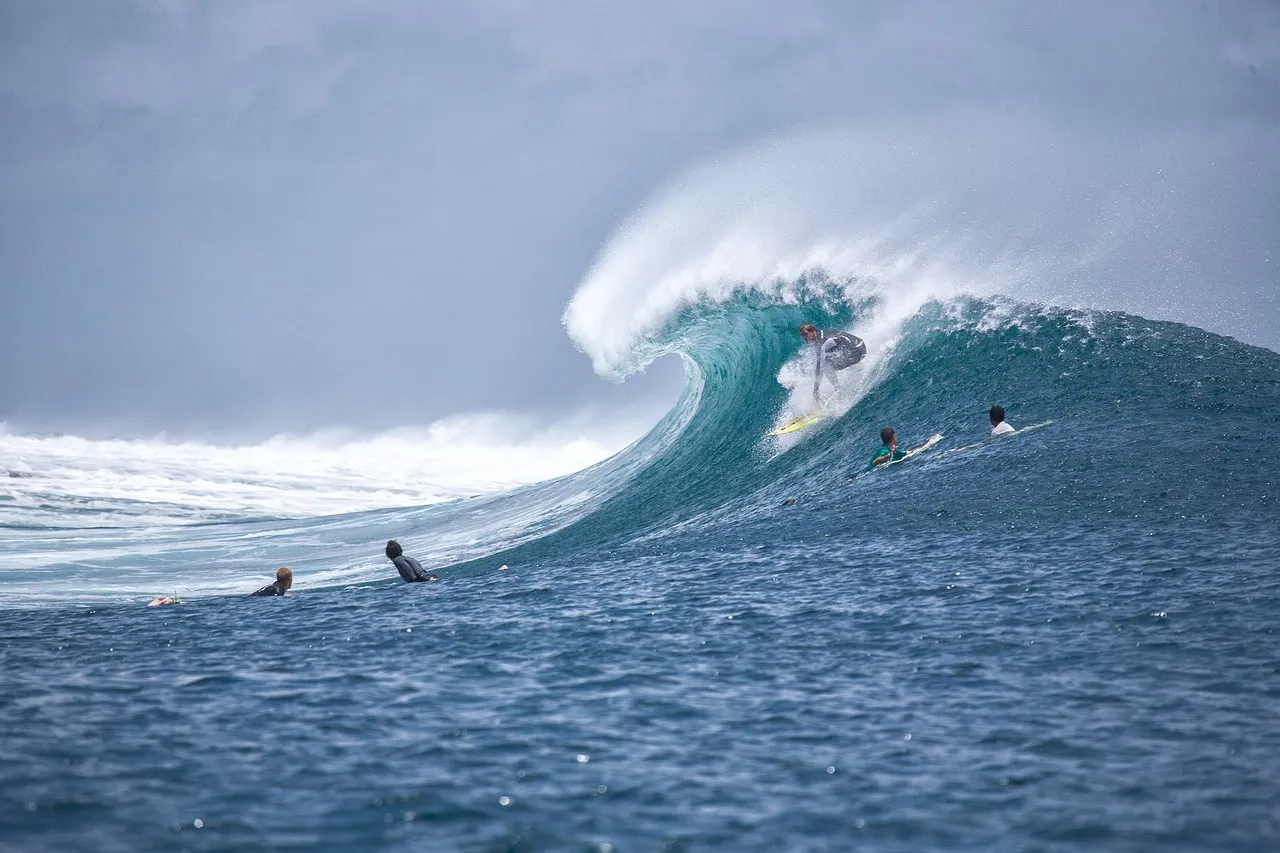
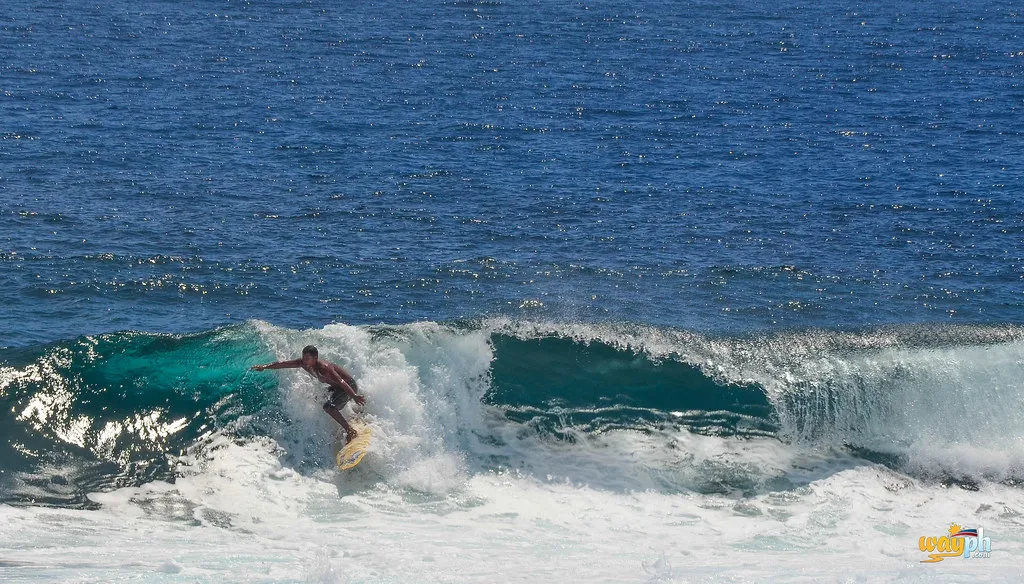
Siargao is famous for its world-class surf spots, particularly Cloud 9, where you can catch some of the best waves in the Philippines. Whether you are a beginner or an experienced surfer, you’ll find suitable waves and friendly locals eager to help you improve your skills.
Surfing spots like Cloud 9 now regulate access, prioritizing experienced surfers to reduce environmental impact and maintain safety. That kind of management is rare for a developing island destination and shows a level of care that travelers genuinely notice.
International surfing competitions are held on the island every September, drawing competitors and spectators from across Southeast Asia and beyond. The energy around that event lifts the entire island for weeks.
Island Hopping That Doesn’t Feel Touristy
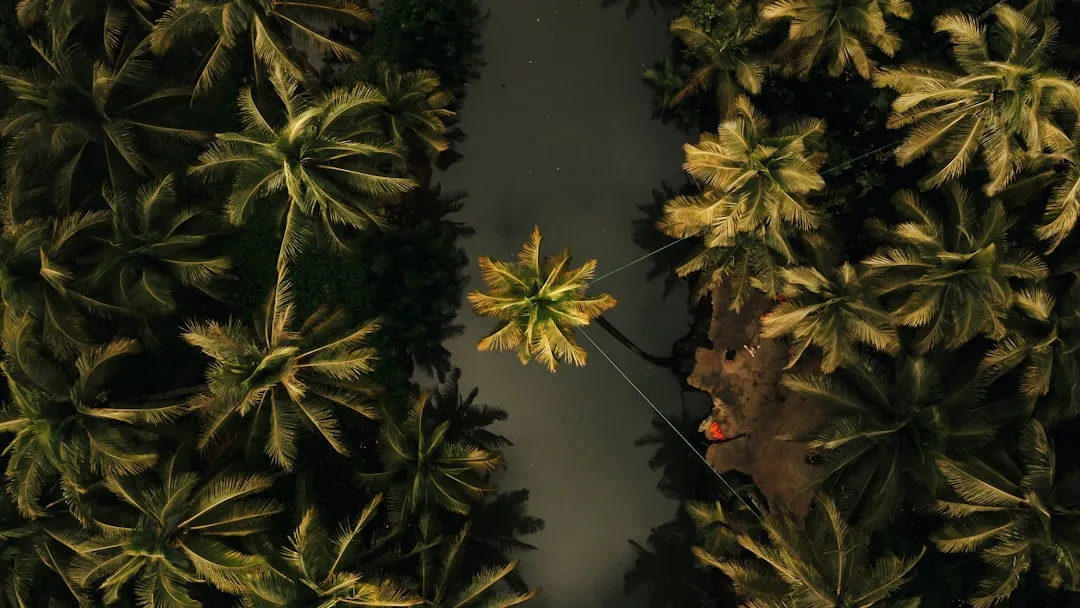
The Maasin River, known for its bent palm trees and clear waters, provides a picture-perfect location, while Naked Island, Guyam Island, and Daku Island are part of the popular island-hopping circuit. Each stop feels genuinely distinct, not just a series of indistinguishable beaches viewed from a boat.
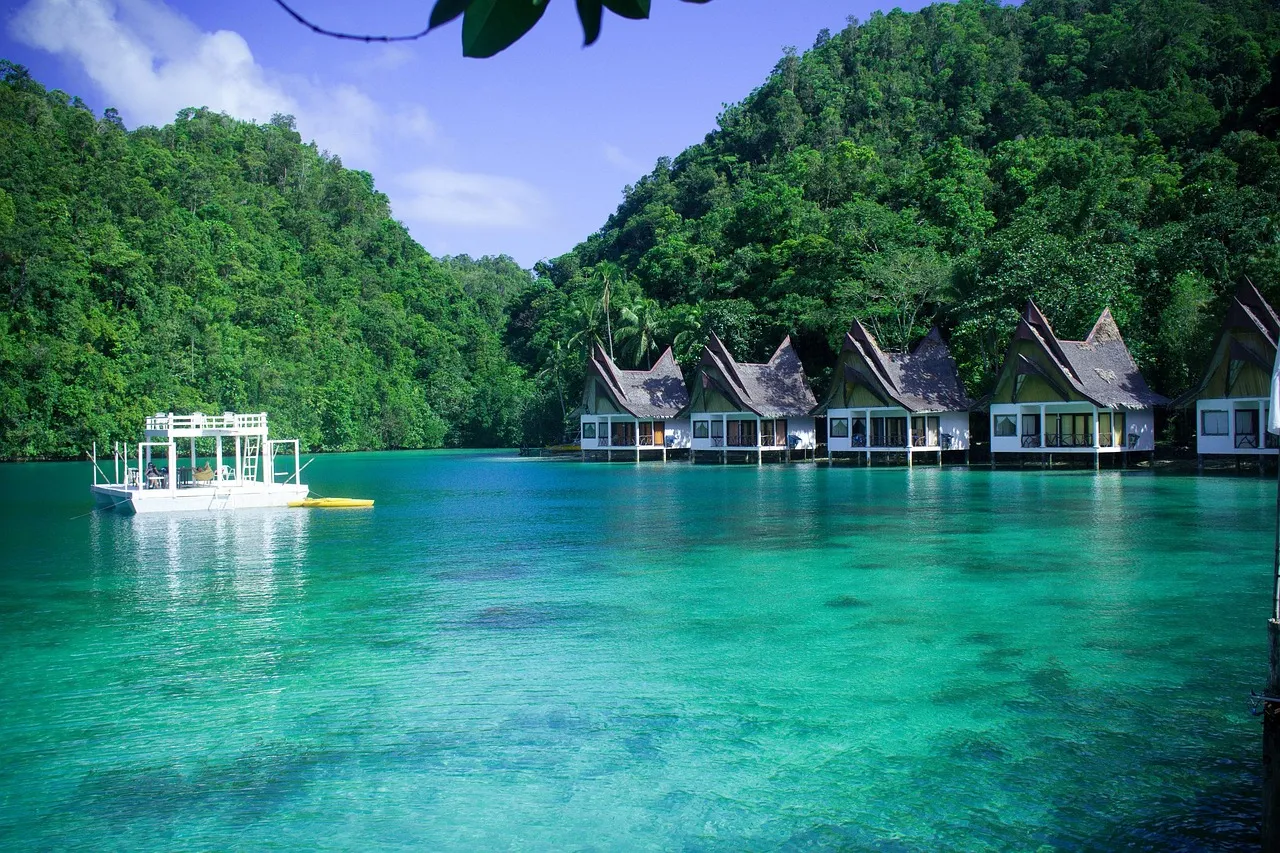
Sugba Lagoon, with its emerald waters and diving platforms, offers a scenic escape for swimmers and kayakers. The Magpupungko Rock Pools are another highlight, with unique tidal pools and rock formations that reveal themselves at low tide in ways that feel almost theatrical.
You’ll find yourself sharing Sugba Lagoon with a handful of boats rather than hundreds, and discovering empty beaches that aren’t on any Instagram map. For backpackers who have grown tired of overcrowded “hidden gems,” this still feels like the real thing.
Budget Travel That Actually Works Here
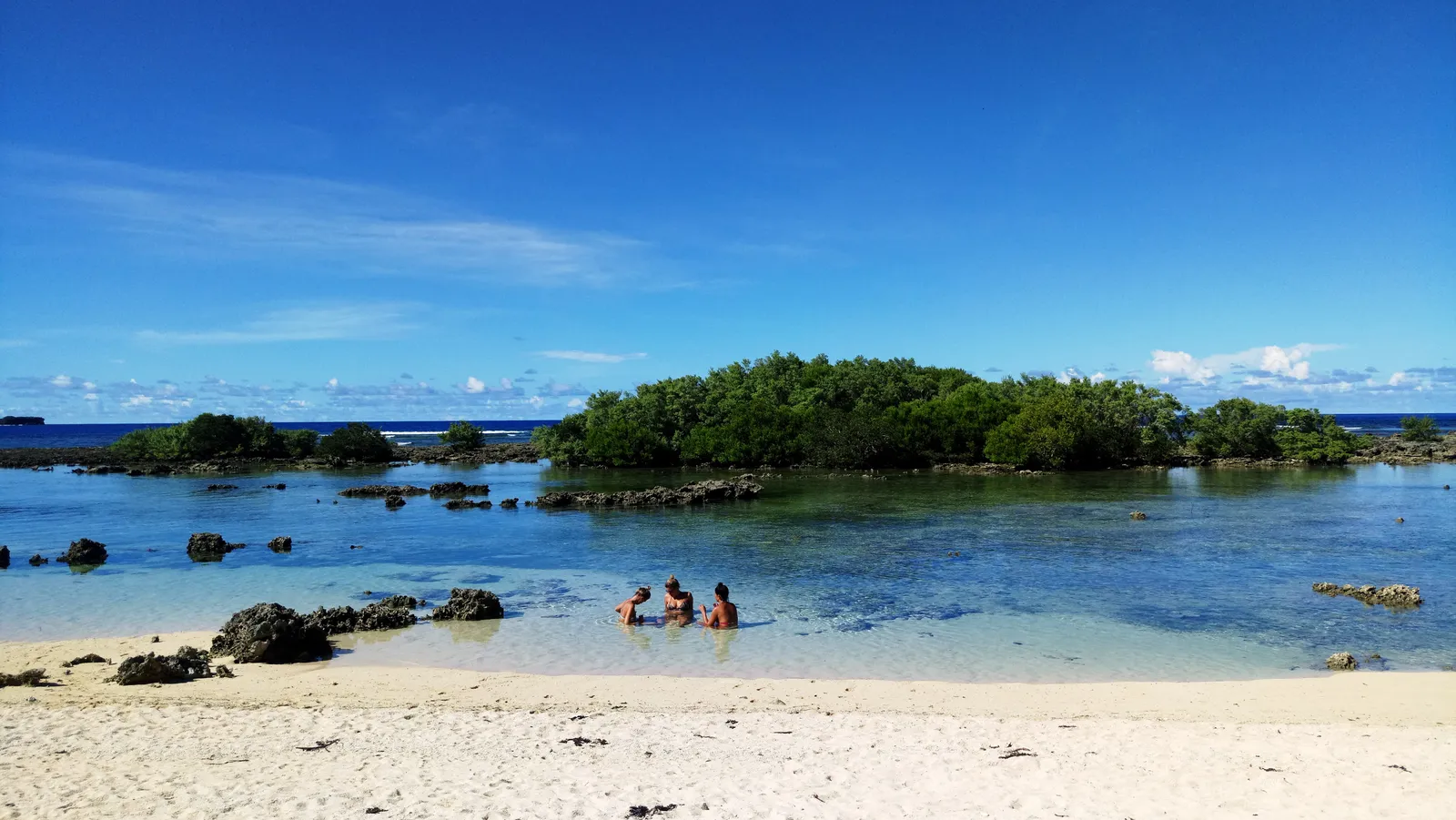
Accommodation in Siargao ranges from ₱500 dorm beds to ₱10,000+ boutique resorts, with most options in the ₱1,500 to 4,000 range. Even at the upper end of the mid-range, you’re looking at costs that would seem laughably low in most of Western Europe or Australia.
Siargao is affordable by Southeast Asian standards, though slightly pricier than mainland Philippines due to its island location. Backpacking the Philippines stretches your money because the baseline is honest and simple: local eateries, jeepneys, and island ferries. Most backpackers live well here on a daily average that would barely cover a dorm bed in Western Europe.
The island attracts a unique mix of travelers, including surfers chasing perfect barrels, digital nomads seeking affordable paradise, backpackers on Southeast Asia loops, and couples looking for romantic escapes without Maldives prices.
The Digital Nomad Dimension
The Philippines has slowly but surely become one of Southeast Asia’s hotspots for digital nomads, not as polished as Bali, not as established as Chiang Mai, but with 7,600 islands to rotate through when you need a change of scenery. As of mid-2025, there’s finally an official Digital Nomad Visa.
The visa gives you up to 12 months of legal stay, renewable for a second year, with your foreign income untaxed locally. The catch: your home country needs to offer a reciprocal visa to Filipinos, which rules out a few major nationalities, so checking eligibility first is essential.
Siargao sits at the center of this shift. Its growing café scene, reliable enough mobile connectivity, and genuinely low cost of living have made it a real working base for location-independent travelers, not just a stopover between beach selfies.
Sustainable Tourism Taking Root
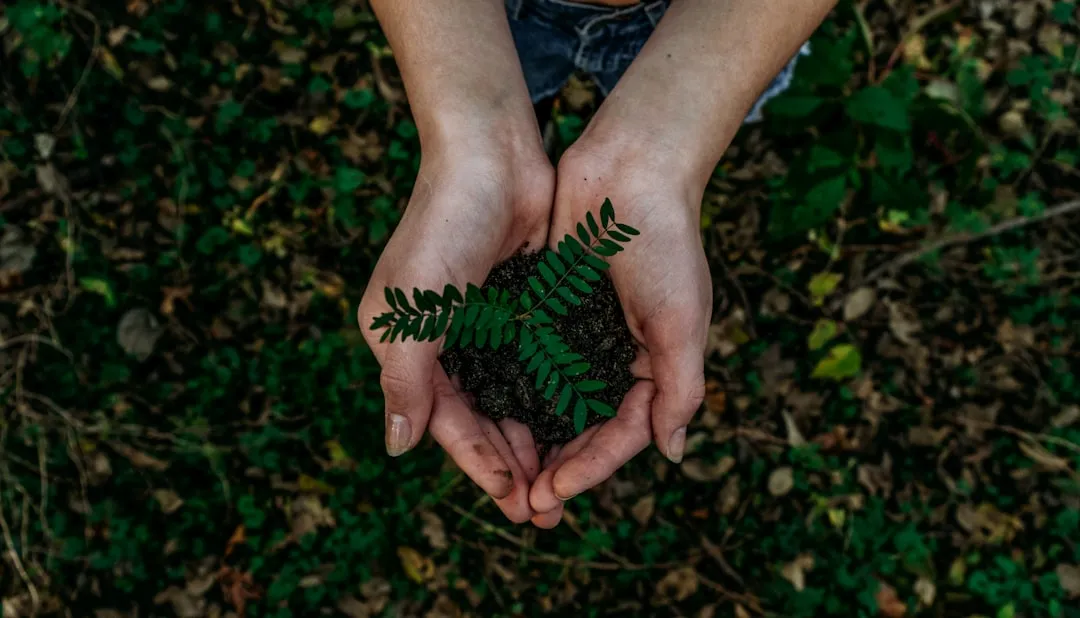
Tourism in Siargao is increasingly aligned with environmental responsibility. Eco-resorts are emerging across the island, combining comfort with practices that reduce ecological impact, using local materials like bamboo, rattan, and nipa, integrating energy-efficient designs, and implementing water conservation measures.
In 2025, Nay Palad Hideaway received the Responsible Tourism Award for Southeast Asia, recognising its outstanding commitment to sustainable tourism. Since opening, it has been following a framework built around Conservation, Community, Culture, and Commerce, collaborating with local artisans, schools and businesses to ensure that both Siargao’s environment and its people can thrive.
Sustainable tourism is also helping to protect Siargao’s mangrove forests, discouraging illegal cutting and fishing in the Philippines’ largest contiguous mangrove forest. Former illegal fishers in Del Carmen have become part of a civilian fisheries patrol force as ecotourism has created alternative, dignified livelihoods for local families.
How Tourism Is Lifting Local Communities
Siargao’s ascent to global fame has been a powerful catalyst for economic development, directly benefiting countless local lives. Tourism has ignited opportunities across the island, and the influx of visitors has translated into a diverse array of employment for locals, from tour guides, surf instructors, and boatmen to staff in resorts, restaurants, and souvenir shops.
Siargao, the surfing capital of the Philippines, is at a crossroads. Its newfound popularity is bringing both blessings and challenges. While tourism boosts the economy, many in the community are thoughtfully watching its impact on natural beauty, local culture, and the overall way of life.
Siargao’s residents actively protect the island’s culture and natural resources, which gives the place a different texture from islands that have simply been handed over to developers. The community’s investment in its own future is visible in how the island treats its visitors.
The Broader Philippines Boom Giving Siargao Its Moment
At the prestigious World Travel Awards Asia and Oceania Gala held in October 2025, the Philippines swept six major titles, including Asia’s Leading Beach Destination, Leading Dive Destination, and Leading Island Destination. That kind of recognition has a real effect on where travelers point their attention.
According to Sunstar Manila, 6.48 million international tourist arrivals were recorded in the Philippines in 2025. The 26-to-35-year age group held the dominant market position in that year’s tourism data, with a nearly one-third share of arrivals. This demographic seeks adventure activities, cultural immersion, and social media-worthy destinations, and drives demand for eco-tourism and off-the-beaten-path locations.
With travelers becoming more environmentally conscious, the Philippines, with its marine parks, rainforests, and protected islands, is emerging as a leading eco-tourism destination. Siargao sits squarely at the center of that identity.
What Responsible Travel Looks Like on Siargao
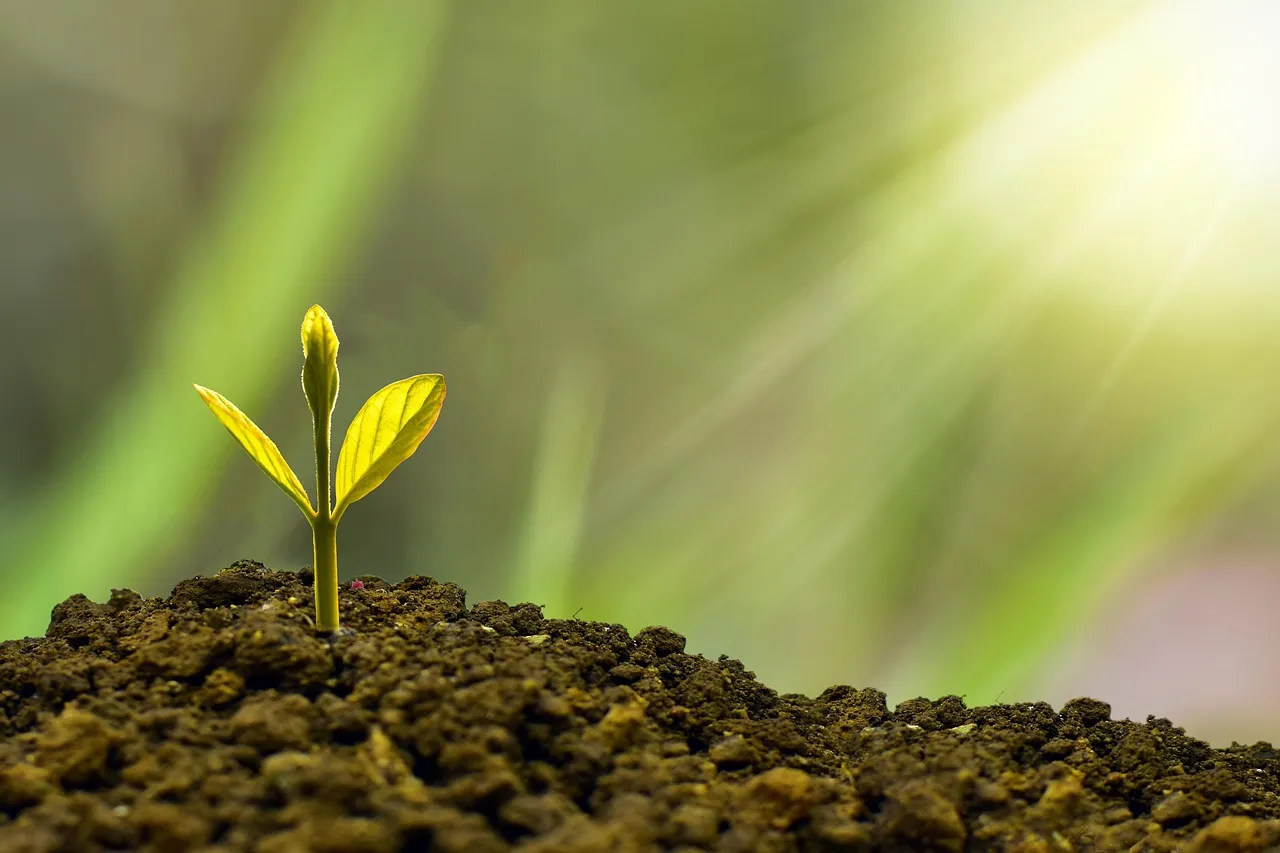
Visitors can participate in conservation initiatives, gaining a deeper connection to the island beyond sightseeing. Whether that means joining a mangrove planting effort in Del Carmen or choosing a local guide over an international booking platform, the choices travelers make here have direct consequences for real people and real ecosystems.
Some researchers caution that more visitors could strain Siargao’s natural resources and present waste problems, including marine debris and plastic pollution. Research by the Asian Development Bank noted that the increase in Siargao’s waste is attributable to the surge of tourist arrivals. That honest tension is worth sitting with before you book.
Rather than wearing yourself out with a fast-paced island-hopping itinerary, exploring deeper into each island tends to yield far more meaningful experiences. On Siargao, slow travel isn’t just a travel philosophy. It’s practically the island’s unofficial rule.
The Takeaway
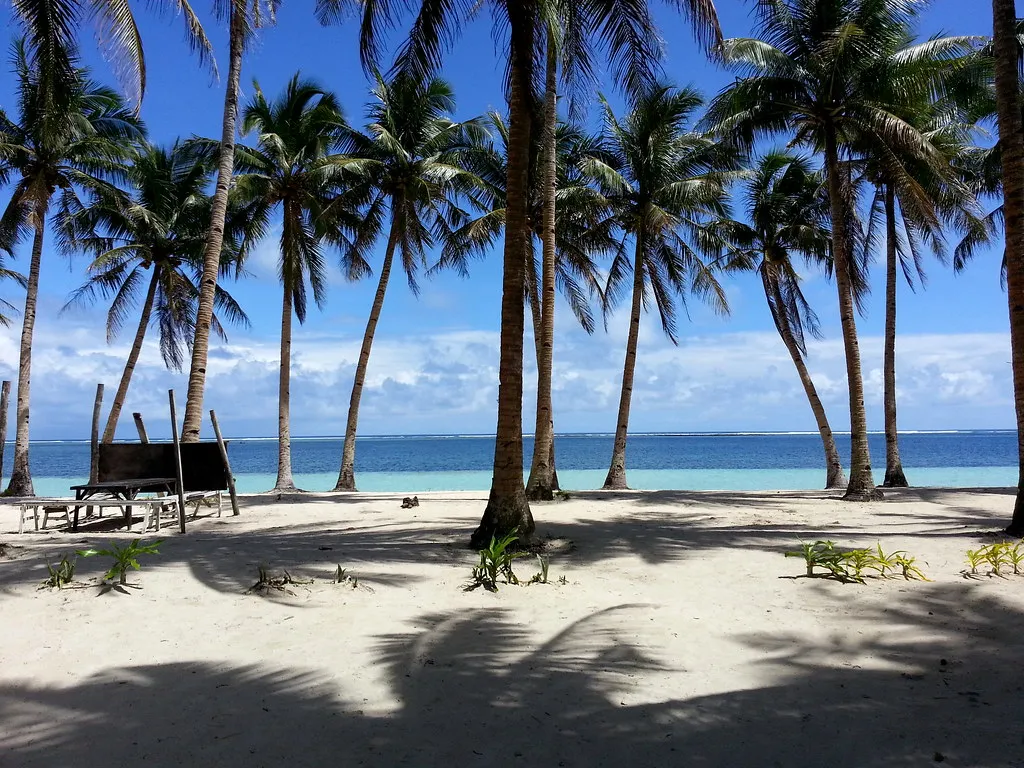
Siargao isn’t secret in the strict sense of the word anymore. From the moment you arrive, you will find yourself awestruck by this natural paradise. Being one of the most charming and secluded islands the Philippines offers, Siargao’s undeveloped beauty has been at the forefront of the backpacker world for a little while now.
What makes it special in 2026 isn’t that nobody knows about it. It’s that, despite the growing attention, the island’s community and its visitors are navigating growth with unusual care. The shift toward sustainability ensures that tourism development is less likely to harm the environment, creating long-term benefits for both visitors and residents.
That balance, between genuine wildness and thoughtful development, is exactly what backpackers have been quietly searching for. Siargao might just be the closest thing to it that Southeast Asia currently has to offer.
AI Disclaimer: This article was created with the assistance of AI tools and reviewed by a human editor.