


Spain was supposed to be the dream. Sun-drenched beaches, rooftop tapas, buzzing city streets, and a culture that practically pulls you in off the street. For years, it topped the lists. Then something started to shift.
Protests. Taxes. Record-breaking crowds. A housing crisis locals can no longer ignore. From Barcelona to Mallorca, the most visited corners of Spain have become flashpoints in a wider debate about what mass tourism actually costs, and who pays the price. The numbers arriving and the numbers walking away tell a complicated story.
The Crowds That Broke the Camel’s Back

In 2023, the Greek island of Zakynthos drew 150 times more visitors than it has permanent residents, and European countries hosted an estimated 756 million tourists in 2024, some 46 million more than the year before. Spain has absorbed a significant share of that surge. Spain anticipated a record 94 million international arrivals in 2025, almost 20 million more than the pre-Covid peak. At a certain point, infrastructure, housing, and local tolerance all hit a ceiling.
Anti-Tourism Protests That Went Global
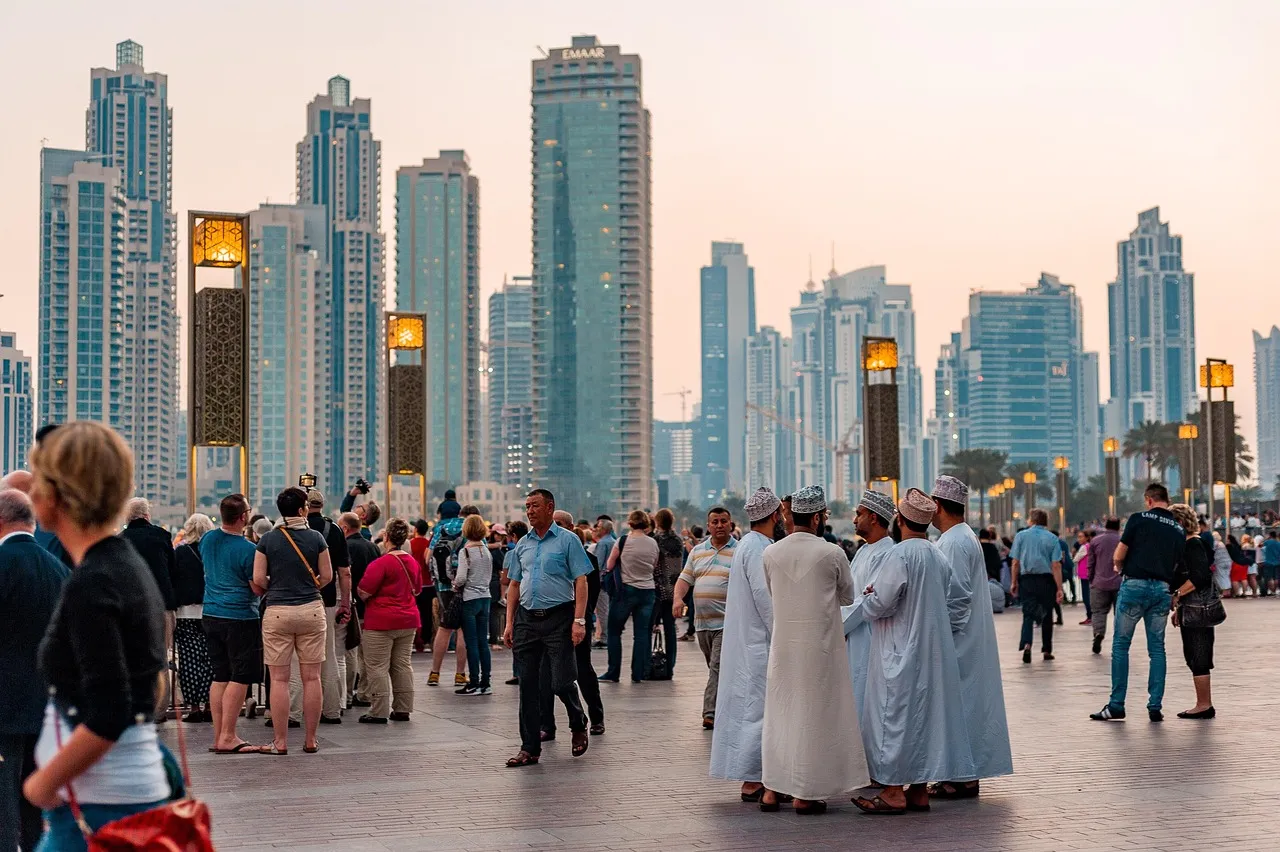
Summer 2025 may go down in history as the season when Europe turned against tourism. Locals unable to walk through Barcelona’s clogged streets sprayed visitors with water guns. Thousands marched to demand an end to mass tourism on the Spanish island of Mallorca. The images spread fast. In June 2025, protests in Barcelona and Palma de Mallorca went viral worldwide, with locals taking to the streets with water pistols, smoke flares, and homemade signs to express anger over mass tourism, housing displacement, and loss of quality of life.
The Housing Crisis Hiding Behind the Tourism Boom
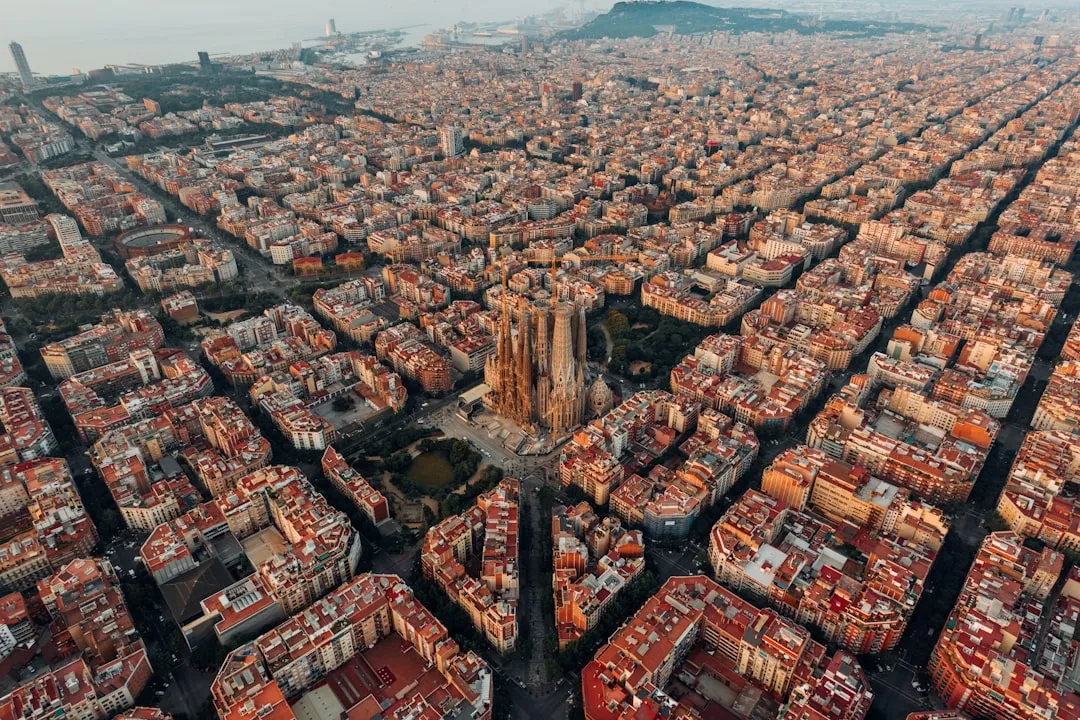
Despite tourism being a major contributor to Barcelona’s economy, representing over 10% of the city’s GDP, it has also encouraged landlords to drive housing prices up in response to the influx of demand. Neighborhoods that once housed generations of working families are hollowing out. Residents near La Sagrada Família say over 70% of local businesses now only serve tourists, while grocers, fishmongers, and traditional bakeries are being replaced by souvenir shops. That kind of transformation doesn’t just inconvenience locals. It changes the character of a place entirely.
Tourist Taxes Stacking Up Fast
Barcelona, one of Europe’s most visited cities, introduced significantly higher tourism charges in 2026, with the Catalan government raising the overnight visitor tax to bring fees among the highest in Europe. The increases are layered. The municipal supplement rose to €4 on 1st May 2025, is scheduled to reach €5 in 2026, and is envisaged to climb to €8 by 2029. Beyond Barcelona, the Balearic Islands’ coalition government is studying a peak-season “deterrent rate” of €15 per adult per night, after unions argued that a higher eco-tax is needed to ease summer overcrowding.
Airbnb Crackdowns Are Squeezing Budgets Further

In Barcelona, local officials announced they would cancel over 10,000 permits for short-term residences by 2028 and increase daily tourist taxes for cruise passengers visiting for less than 12 hours. This is rippling across the continent. Travellers were squeezed by permit fees and inflation in 2025, and restrictions on short-term accommodation were announced in Paris, Barcelona, and beyond. This reduced the availability of cheap, Airbnb-style accommodation, and it’s set to continue into 2026. For budget-conscious travelers, the math simply isn’t working out anymore.
Costs Have Become the Biggest Deterrent

One of the most significant reasons behind the slowdown is costs. High airfare, rising hotel prices, and an overall increase in travel-related expenses are pushing travelers away from long-haul destinations like Europe, and more than half of respondents cited affordability as the main deterrent. Younger travelers feel it most sharply. Nearly 48% of travelers aged 18 to 34 said that Europe had simply become too expensive for their budget. The cost of a European vacation rises sharply in summer, when flights and hotels can run 30 to 50% above shoulder-season rates.
American and Global Visitors Are Pulling Back
Data from the European Travel Commission shows that the share of U.S. travelers planning a European vacation dropped from 45% in 2024 to 37% in 2025, the lowest level since 2021. The retreat is broader than just Americans. A survey from the European Travel Commission and Eurail showed that only 59% of respondents plan to take a long-haul trip in 2026, down 5 percentage points from 2025, while interest in Europe specifically slipped to 42%, with Australia, Canada, and the U.S. showing the sharpest declines. If these trends hold, European tourism boards could expect at least half a million fewer inbound visits over the summer.
New Border Rules Adding Complexity
The European Travel Information and Authorisation System (ETIAS) has been pushed back to late 2026, requiring visa-exempt tourists to complete an online authorization for €20 before entering the Schengen Area. That adds a layer many casual visitors simply didn’t anticipate. The introduction of the Entry/Exit System (EES), rolling out fully in April 2026, and ETIAS could add new layers of complexity to travel in Europe, making it more regulated and data-heavy, and potentially deterring spontaneous trips. Rules that were once invisible at the border are becoming visible in the wallet and the calendar.
The “Anti-Tourist” Mindset Is Growing

There is a growing shift toward what is sometimes called the “anti-tourist” mindset, where visitors increasingly avoid peak seasons and overtourism hotspots in favor of less crowded and more culturally immersive experiences. This aligns with growing demand for sustainable destinations that offer authenticity and respect local communities. Tourists themselves are changing how they think. As overtourism plagues popular destinations and climate change makes traditional holiday spots uncomfortably hot in summer, visitors are changing tack and favouring shoulder seasons. The idea of choosing a destination precisely because it isn’t overrun has real traction now.
The EU Is Stepping In With a Wider Strategy
The EU is preparing a 2026 sustainable tourism strategy to reduce overtourism, spread demand beyond overcrowded destinations, and ease pressure on housing, infrastructure, and historic city centers. The European Union is moving toward a more systematic response, treating overcrowding in popular destinations as a structural policy issue rather than a local nuisance. Individual cities have been improvising for years. The European Commission had already framed the coming strategy in June 2025 around four practical priorities: less overcrowding, greener travel, better digital services, and smoother cross-border trips. That shift from local firefighting to EU-level policy signals how serious the problem has become.
What This Means for the Future of Spain’s Tourism
These measures align with a growing “quality tourism” philosophy, as destinations pivot away from mass budget tourism toward attracting fewer but higher-spending visitors who potentially create less strain on local infrastructure and resources. Spain isn’t trying to empty its streets. It’s trying to change who fills them, and on what terms. Barcelona’s strategy includes phasing out certain short-term rentals by 2028 and tighter regulations on tourism-related activities, with the dual aim of preserving housing affordability and reducing overtourism burdens on neighborhoods.
The question tourists are quietly asking is whether that recalibration leaves room for them. The crowds may thin. The protests may ease. Whether that amounts to a genuine reset or just a brief pause depends on whether the people who make these destinations worth visiting, the locals, feel heard. That part hasn’t been answered yet.
AI Disclaimer: This article was created with the assistance of AI tools and reviewed by a human editor.