
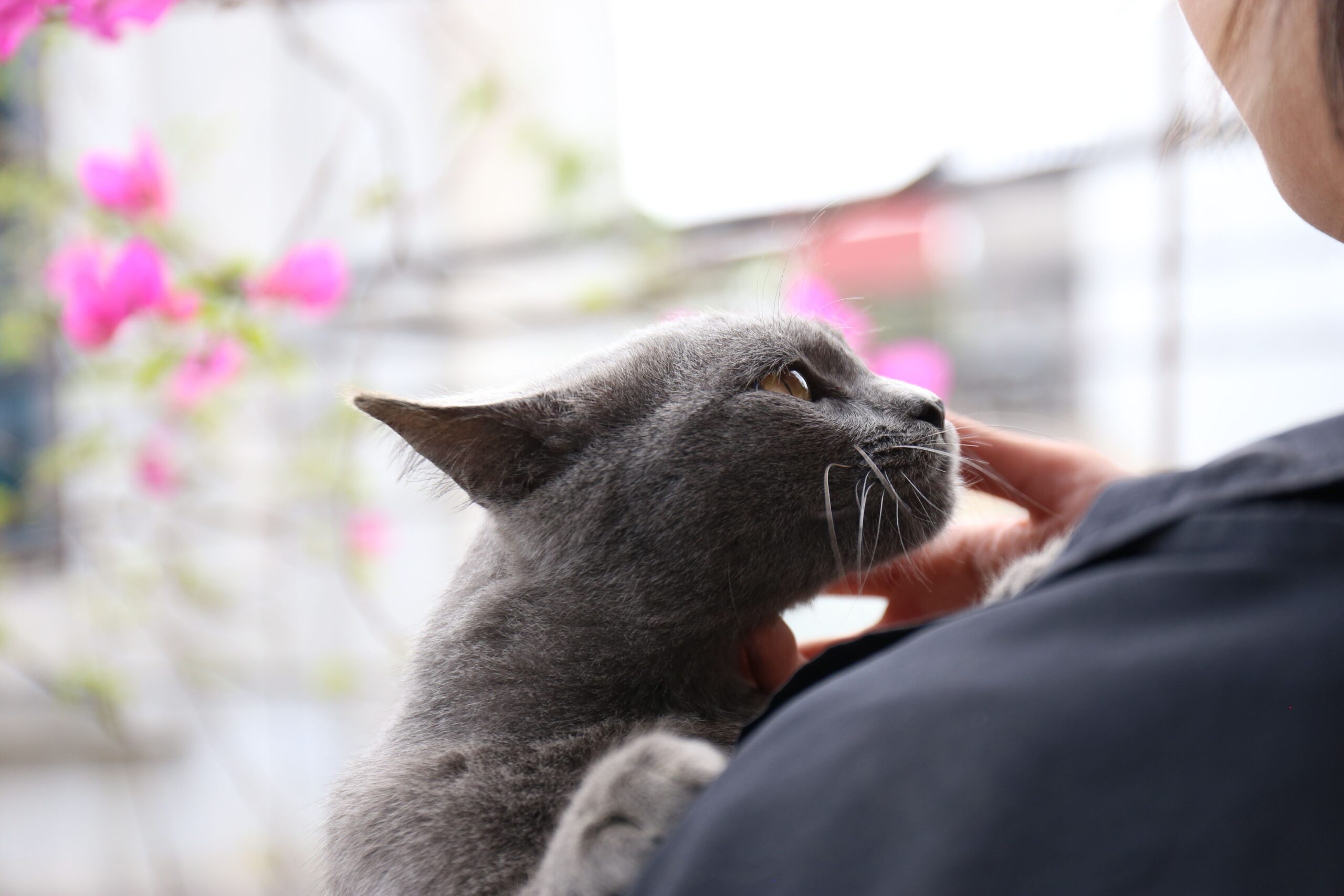
Where It All Began: The Taipei-to-Tokyo Pipeline
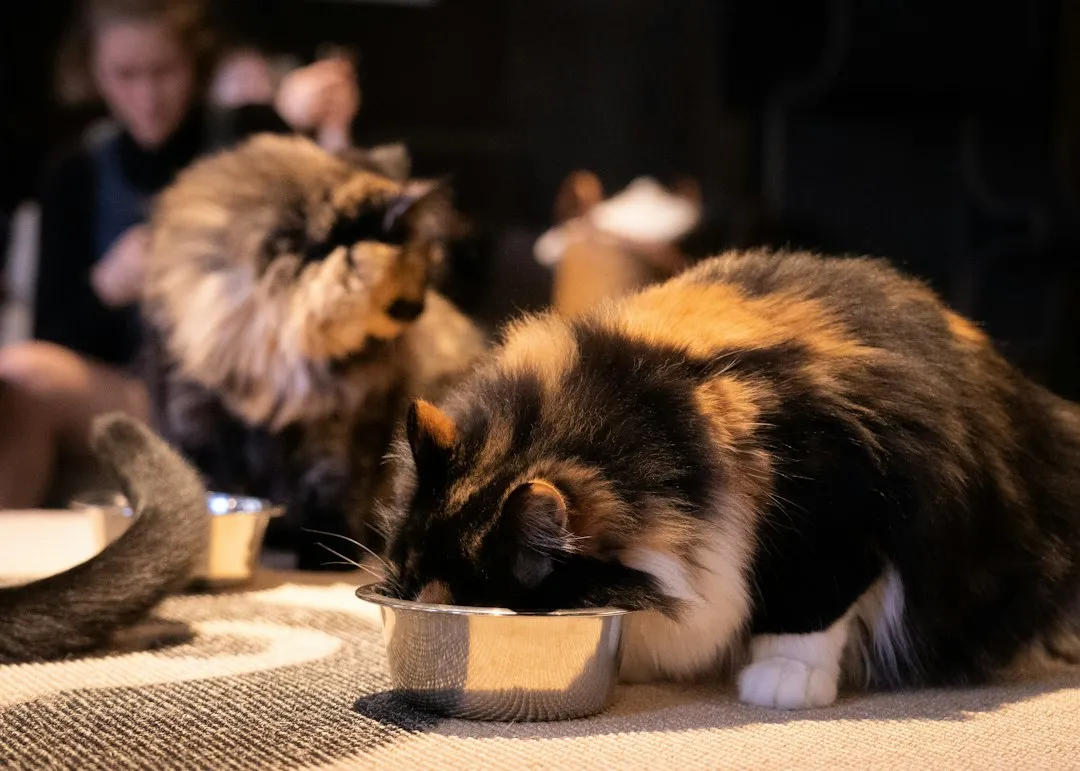
The world’s first cat café, named “Cat Flower Garden,” opened in Taipei in 1998. The idea was straightforward: a café where resident cats roamed freely and customers could interact with them. The Taiwanese cat café concept then spread to Japan, and later to most other countries around the world.
Japan’s first cat café, “Neko no Jikan” (Cat’s Time), opened in Osaka in 2004. Tokyo’s first cat café, named “Neko no Mise” (Shop of Cats), opened in 2005. From that point, the format caught fire. From 2005 to 2010, seventy-nine cat cafés opened across the country.
The Apartment Problem That Created an Industry
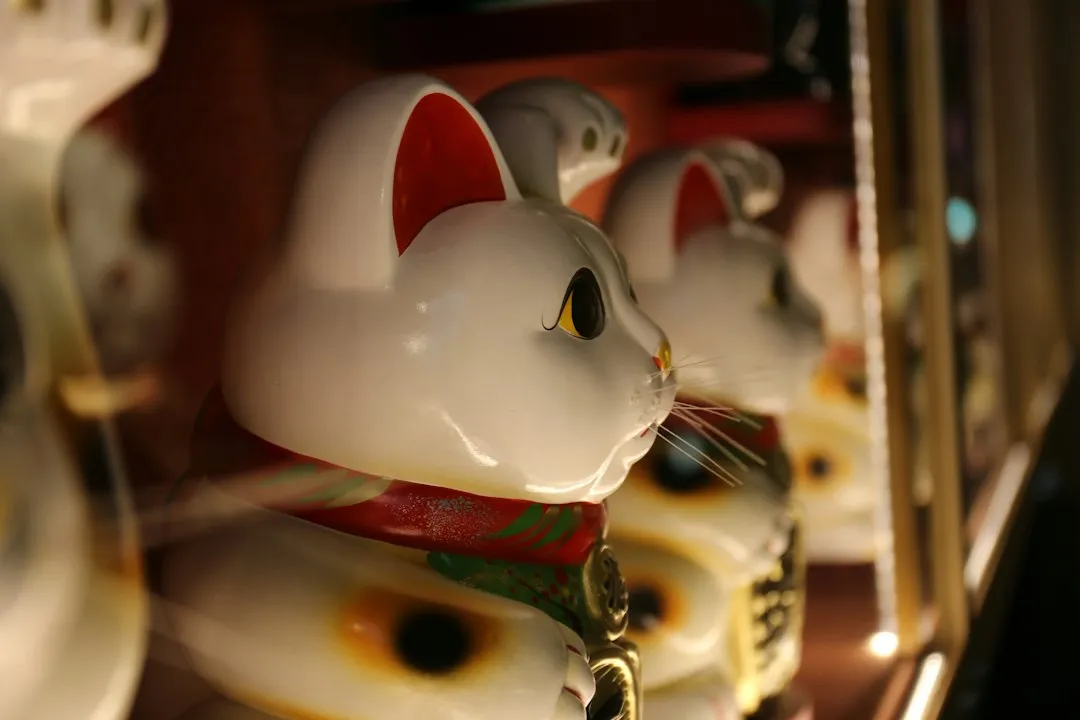
The popularity of cat cafés in Japan is attributed to many apartments forbidding pets, and to cats providing relaxing companionship in what may otherwise be a stressful and lonesome urban life. In Tokyo, this dynamic is particularly sharp. Housing units are small, landlords are strict, and for many residents, owning a pet simply isn’t an option.
Cat cafés first emerged in the early 2000s, providing city dwellers – many of whom live in pet-restricted apartments – with a place to relax with furry companions. These spaces quickly became a perfect match for Tokyo’s busy, urban rhythm, offering a peaceful escape from the city’s constant motion. The café format solved a practical problem with elegance: no lease negotiation required.
Nekonomics: Japan’s Cat Economy
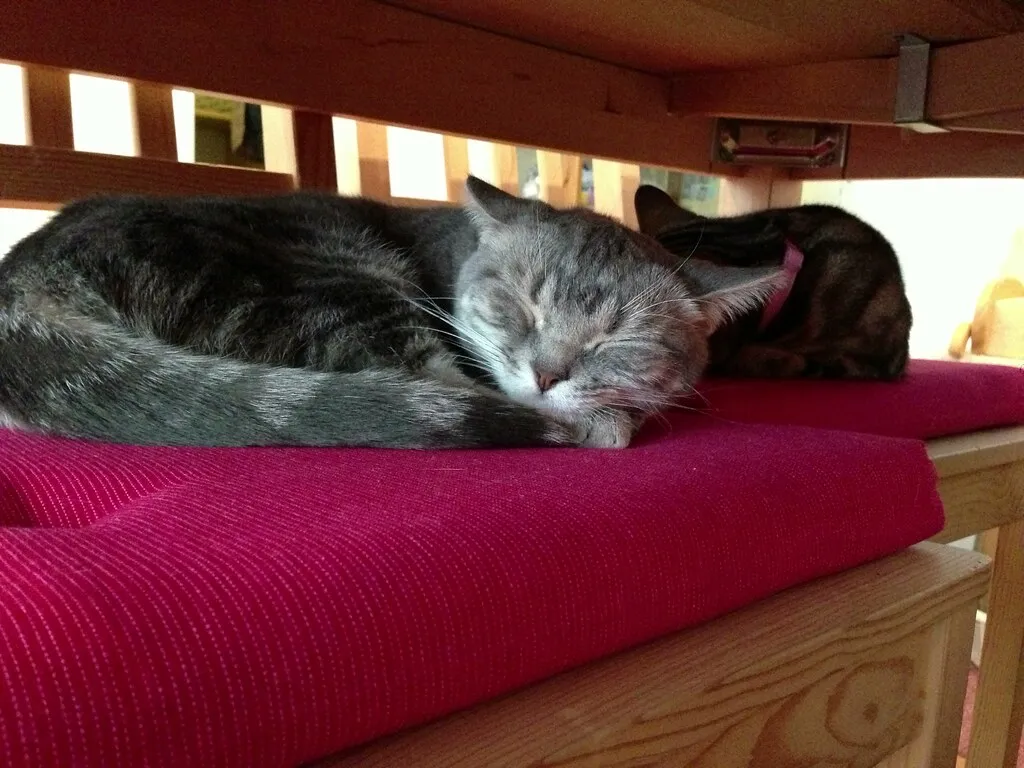
Japan’s fascination with cats runs far deeper than cafés. It operates as an entire economic ecosystem. As of 2024, the size of the “nekonomic” market in Japan was estimated to be almost ¥2.5 trillion. That figure spans everything from cat food and merchandise to tourism and, of course, the cafés themselves.
Cat-related economic consumption has a long history in Japan, demonstrated through the lasting popularity of characters such as Hello Kitty. This includes the sale of products marketed towards cat owners, the use of cat imagery to sell products, and the use of living cats to attract customers and tourists. Cat cafés sit comfortably at the intersection of all three.
How Tokyo Grew Into the Global Leader
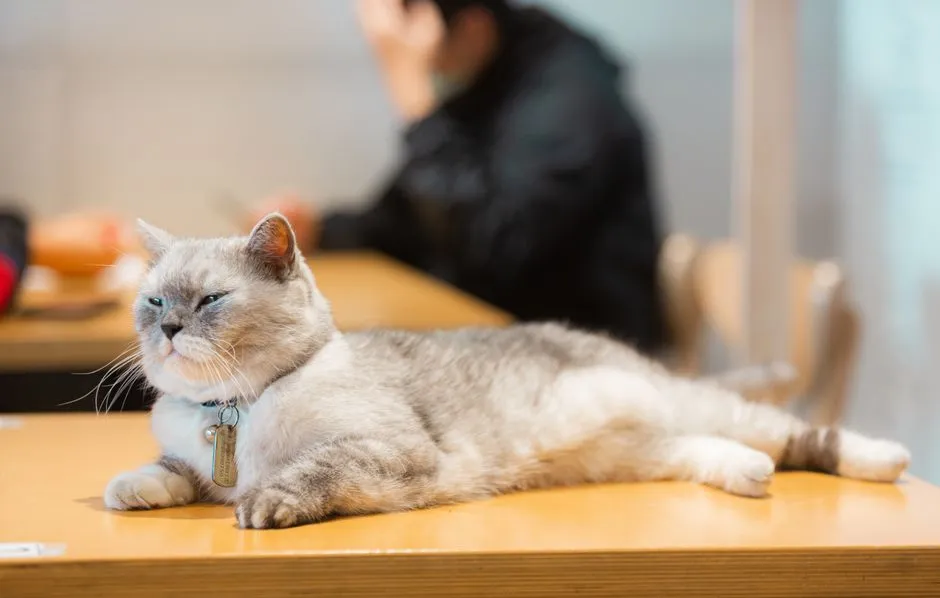
There are 119 cat cafés in Tokyo, making it by far the densest concentration of such establishments anywhere in the world. Nationally, the numbers are equally striking. As of 2026, Japan’s cat cafés number over 300.
Dozens of places are scattered across Tokyo’s neighborhoods, from Shimokitazawa’s backstreets to Harajuku’s fashion corridors – making this city the undeniable cat café capital of the world. Each district has developed its own flavor. Akihabara’s otaku culture means many cafés have themed elements – manga libraries, gaming setups, or anime decorations alongside the resident cats.
The Neighborhood Map: Where to Find Them
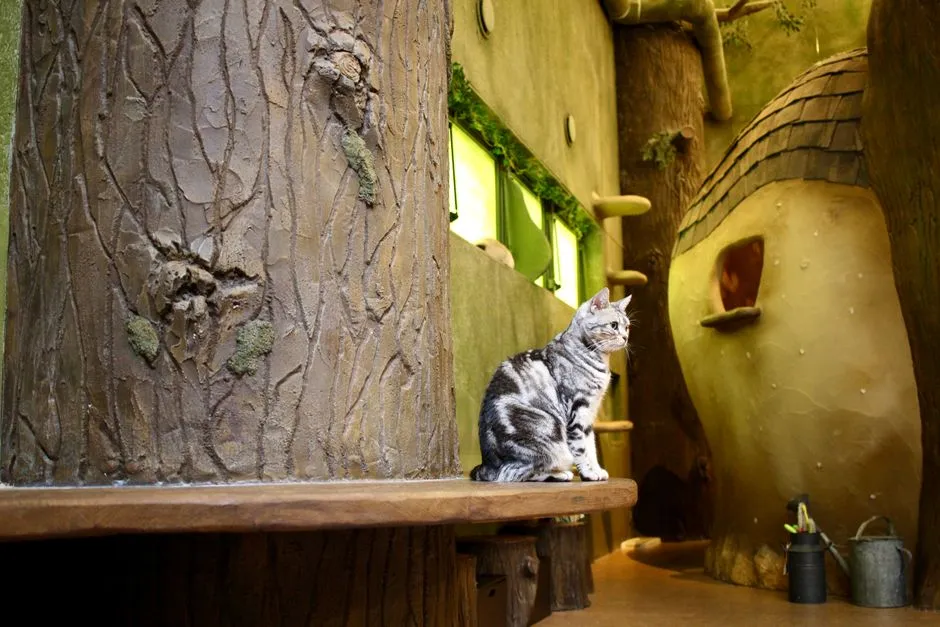
Akihabara is ground zero. Within a five-minute walk of the station, you’ll find at least eight options ranging from budget-friendly to premium. The density is remarkable even by Tokyo standards. Harajuku and Shibuya offer a more fashionable take on cat cafés, often with Instagram-worthy interiors and specialty drinks.
Expect to pay between ¥1,500 and ¥2,500 for a sixty-minute session. That’s roughly the price of a decent lunch, which helps explain why these visits slot naturally into a workday or a tourist afternoon. The Mocha Cat Café chain alone has around eleven locations across central Tokyo, including Akihabara, Ikebukuro, Harajuku, and Shinjuku – and as of October 2025, they continue to expand.
Rescue Cats and the Ethical Shift
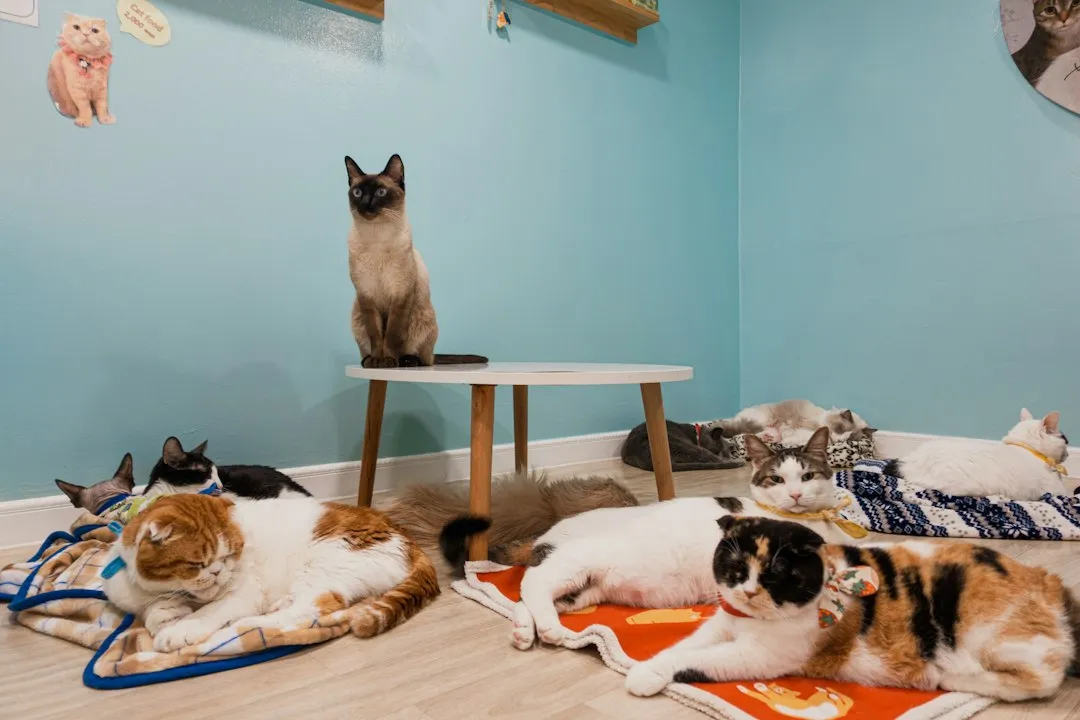
Over the years, the cat café scene in Tokyo has grown beyond its novelty appeal. Many now focus on wellness, providing comfort, stress relief, and even adoption opportunities for rescue cats. This shift has meaningfully changed how some operators approach the business model. Some cafés now exist primarily to find homes for strays, not to generate foot traffic.
Many cat cafés also seek to raise awareness of cat welfare issues, such as abandoned and stray cats. This helps save some of the 200,000 cats and dogs euthanized annually in Japan, providing them with a safe space and avenue for adoption. Cafés like these occupy a different moral register entirely from their commercial counterparts.
Rules, Licenses, and the Legal Framework
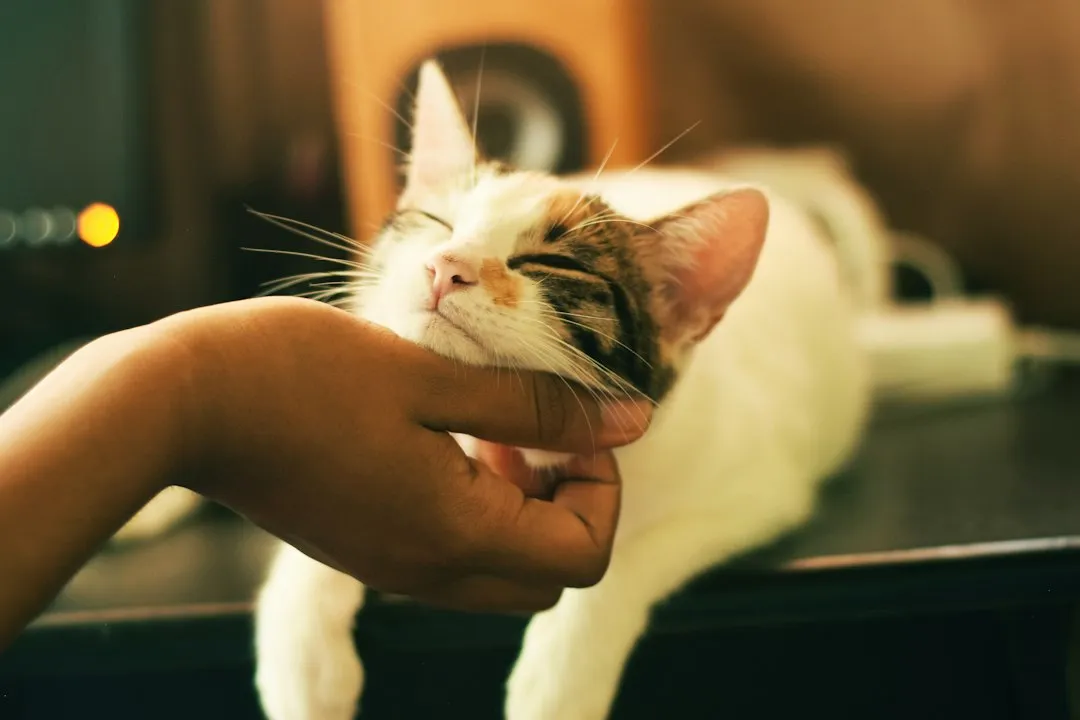
Cat cafés in Japan are required to obtain a license and comply with the nation’s Animal Treatment and Protection Law. Regulation has tightened steadily over the years. Japanese regulators have treated cat cafés as a special case. Under 2012 guidelines, cats and other animals at pet shops could not be displayed after 8 pm, but cat cafés were later allowed to keep their cats out until 10 pm once experts concluded the later hours made no noticeable difference to stress levels.
Japan’s June 2026 Animal Welfare Act amendment restricts cat café display hours, bans late-night operations, and mandates lifetime care. Cat display after 22:00 is now fully banned. These are real, enforceable changes – and a signal that the government is taking the welfare dimension seriously, at least where domestic cats are concerned.
Animal Welfare Concerns Worth Knowing

Not every cat café earns a clean record. The expansion of the concept from domestic cats to exotic species has created genuinely troubling conditions in some corners of the industry. A 2024 study of 79 Japanese exotic animal cafés found consistently poor welfare scores across all species. Specific issues include nocturnal animals kept awake during business hours, inadequate space, and stress from constant human handling.
For traditional cat cafés, the picture is more nuanced. Japan has started its first nationwide survey of animal cafés amid concerns over animal welfare, hygiene, and public health, bringing greater scrutiny to the popular but lightly regulated sector. Japan regulates animal businesses under the Animal Welfare and Management Act, but it has no regulations specifically tailored to animal cafés. For visitors who care about these issues, the type of café – and who runs it – matters considerably.
What a Responsible Visit Looks Like
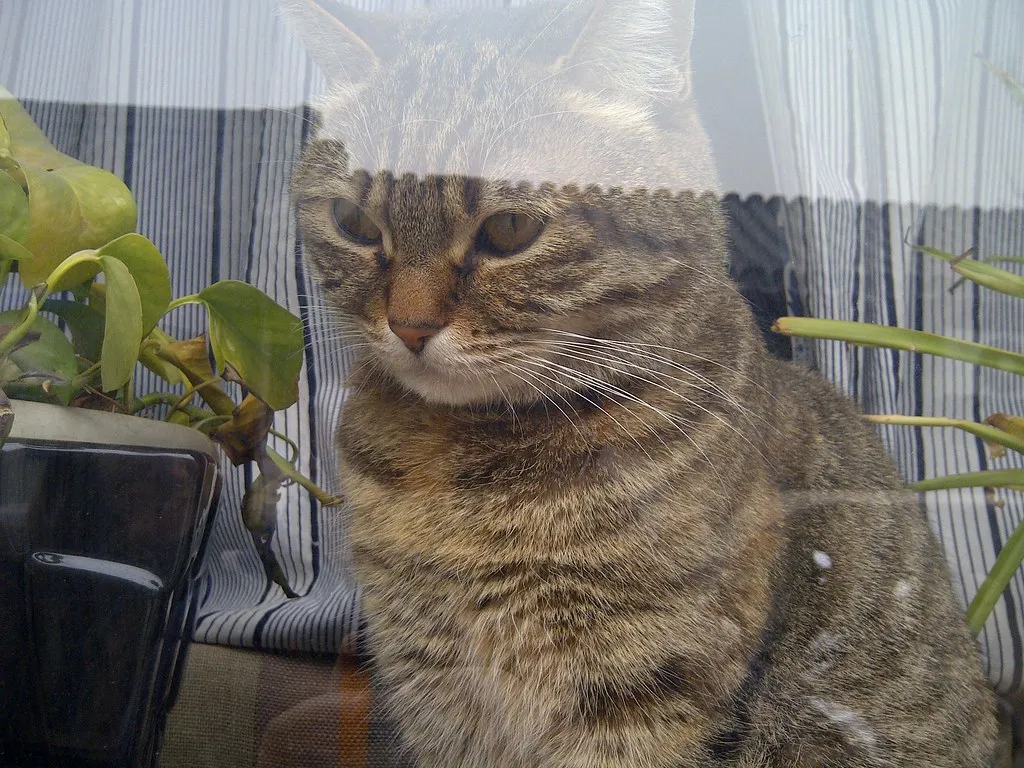
Good cat cafés in Tokyo follow a recognizable pattern. There are strict rules regarding feeding (all human food is forbidden), and visitors are not allowed to lift the cats or otherwise stress them in any way. Reputable cafés have designated places for the cats to hide when they get tired, and signs state that waking up a sleeping cat is strictly prohibited.
Look for cafés with at least ten to fifteen cats in a space that doesn’t feel crowded. The best cafés have multiple levels, window perches, and hiding spots where cats can retreat. Staff should be attentive to both cat welfare and guest experience. A café that takes care of its animals is almost always a better experience for the humans too.
Tokyo’s Global Influence on the Cat Café World

Cat cafés originally opened in Asia – Singapore, Malaysia, Indonesia, Japan, Korea, and mainland China. Since the 2010s, however, cat cafés gained in popularity in many countries worldwide, for example in Belgium, France, Germany, and the Netherlands. Tokyo’s version of the concept – refined, themed, often wellness-oriented – became the reference point that most international operators looked to when building their own.
While the idea originated in Taiwan, it was the cat cafés in Japan that took the scheme and made it wildly popular. Tokyo did what Tokyo does with most things: it absorbed a good idea, stripped out the unnecessary parts, improved the experience, and turned it into something scalable and distinctive. The city’s cafés remain the benchmark.
The Deeper Cultural Pull
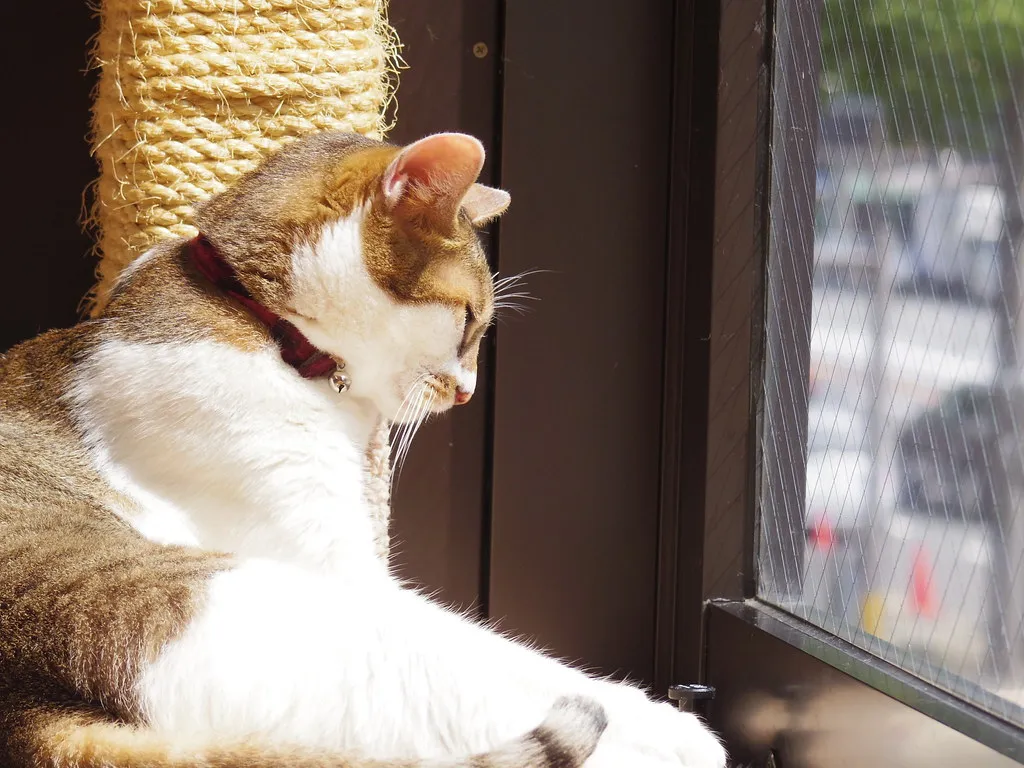
There’s something worth sitting with here. Cat cafés in Tokyo aren’t just about cats. They’re about the specific kind of relief that a hyper-efficient, high-pressure city requires. Many people attribute the growth of cat cafés to tourists. Step outside the areas where tourists visit, though, and you’ll see lots of Japanese businessmen happily playing with cats as a way to relax and forget about work for a while.
February 22 has become known as “Cat Day” in Japan – a small cultural marker that reveals just how embedded cats are in the national consciousness. The cat café, in this light, is less an eccentric invention and more a logical expression of something that was already there.
The Takeaway
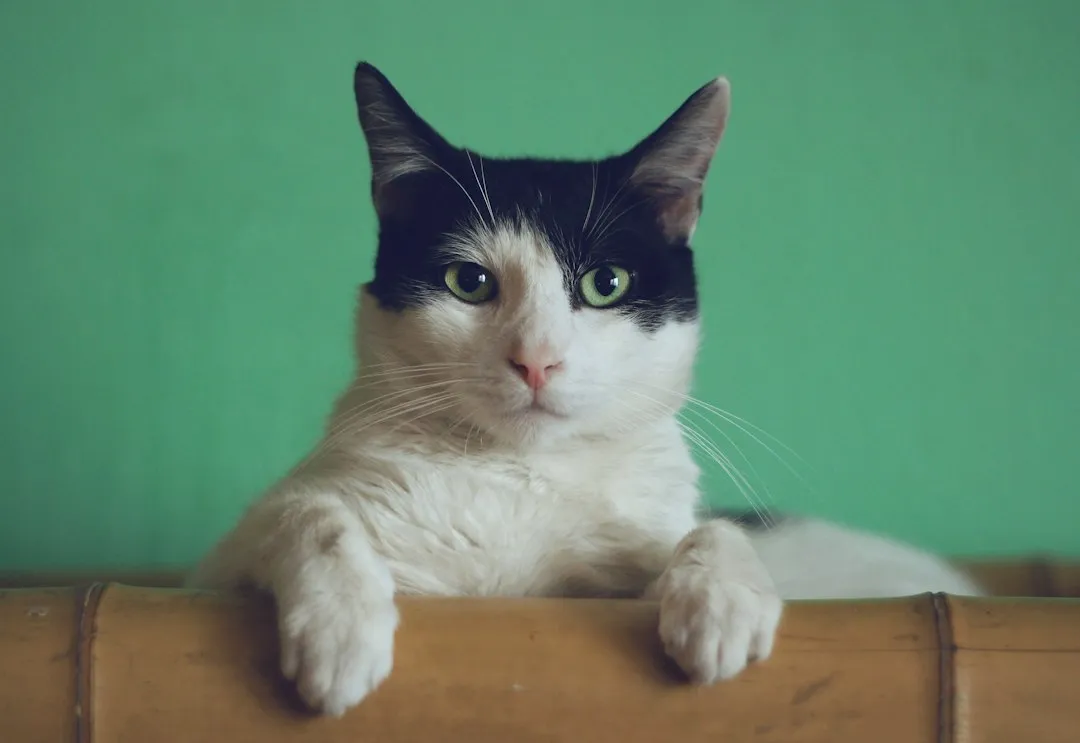
Tokyo became the world capital of cat cafés because the conditions were exactly right: housing restrictions created demand, urban stress created need, and a culture already saturated with cat appreciation provided the emotional foundation. The city didn’t invent the idea, but it perfected it.
What started as a niche solution for pet-deprived apartment dwellers has evolved into a multifaceted institution – part stress relief, part animal welfare, part tourism draw, and part cultural statement. As regulation tightens and the ethical conversation matures, the best of Tokyo’s cat cafés are becoming more thoughtful, more responsible, and arguably more worth visiting than ever. The cat café isn’t going anywhere. It has roots now.
AI Disclaimer: This article was created with the assistance of AI tools and reviewed by a human editor.