
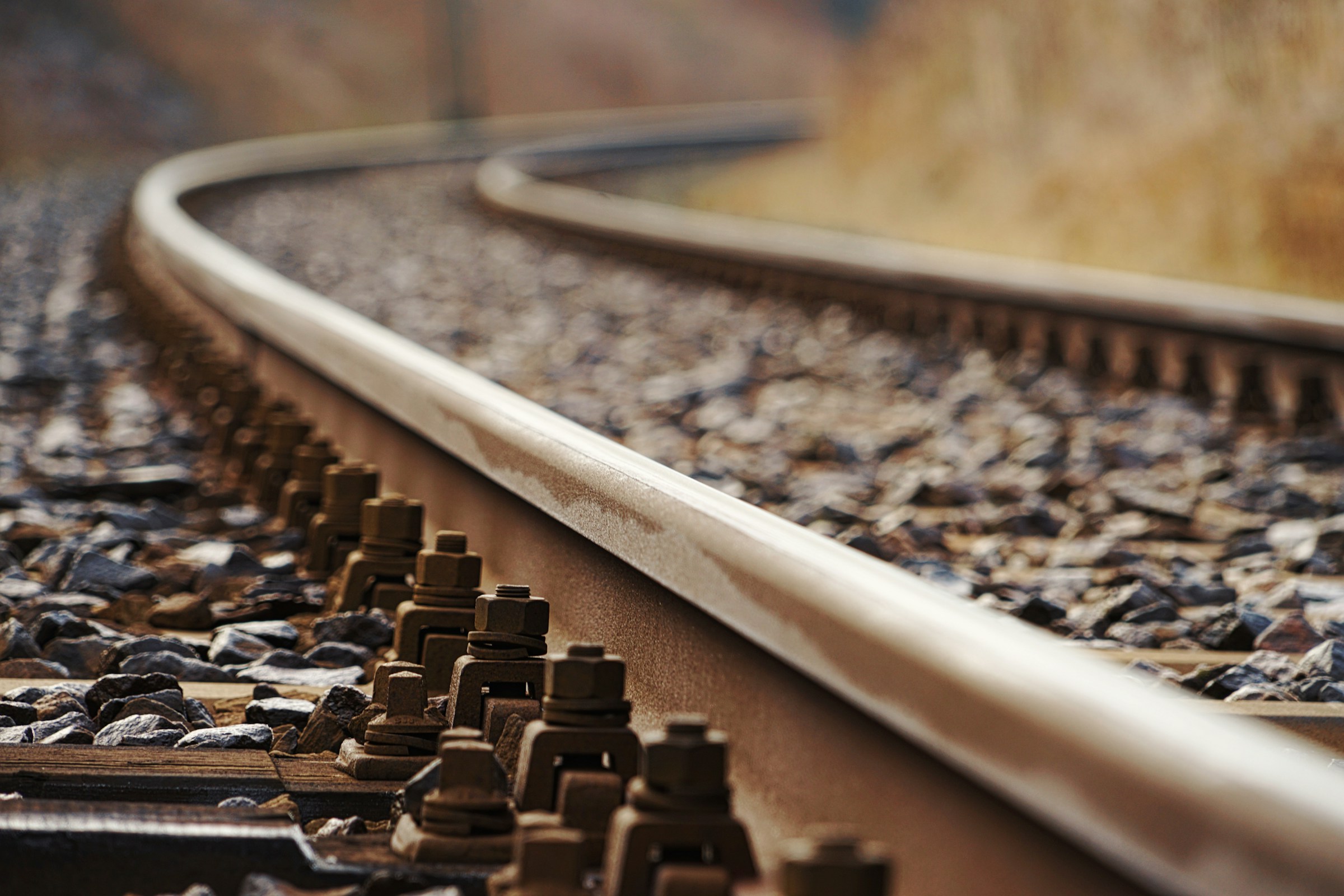
It All Starts With a Name: Track Ballast
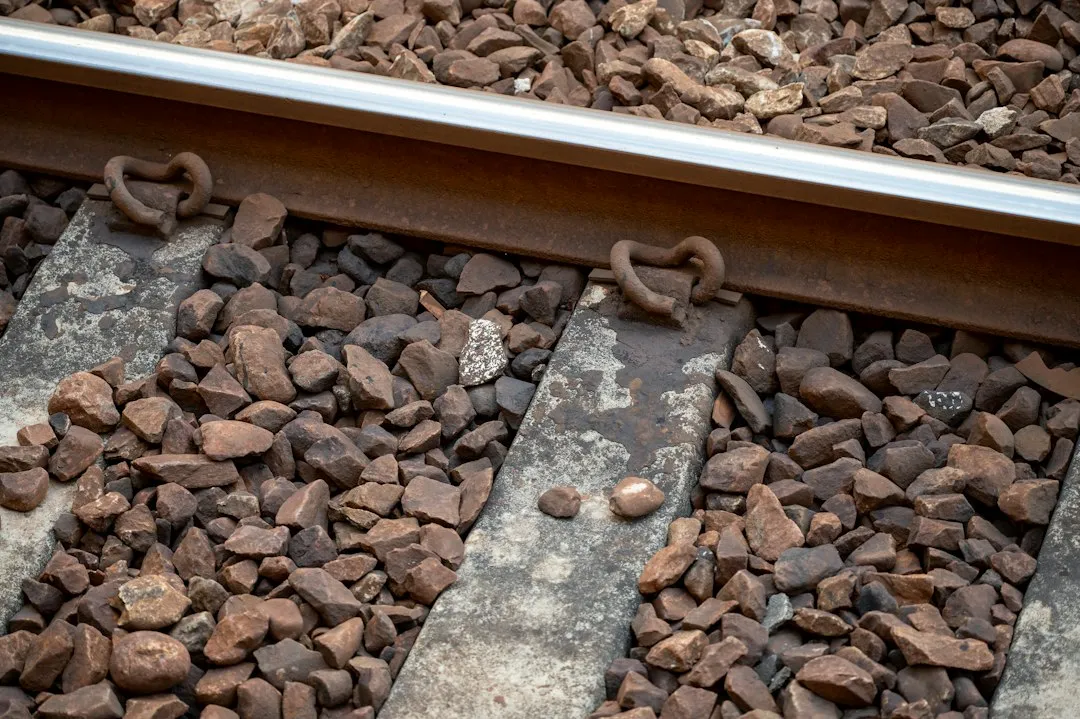
The crushed stone found under railroad tracks is called ballast, and it forms the bed that supports the ties, which in turn hold the rails in place. The word itself has maritime roots. Ballast is a term for something that creates balance or stability, and it was originally used to describe stones that helped to balance ships. Railroad ballast follows the same principle, creating stable conditions for the track.
Ballast is usually produced from natural deposits of granite, trap rock, quartzite, dolomite, or limestone. These aren’t random choices. Each material is selected for its hardness and durability under constant mechanical stress.
Why the Stones Must Be Angular, Not Round
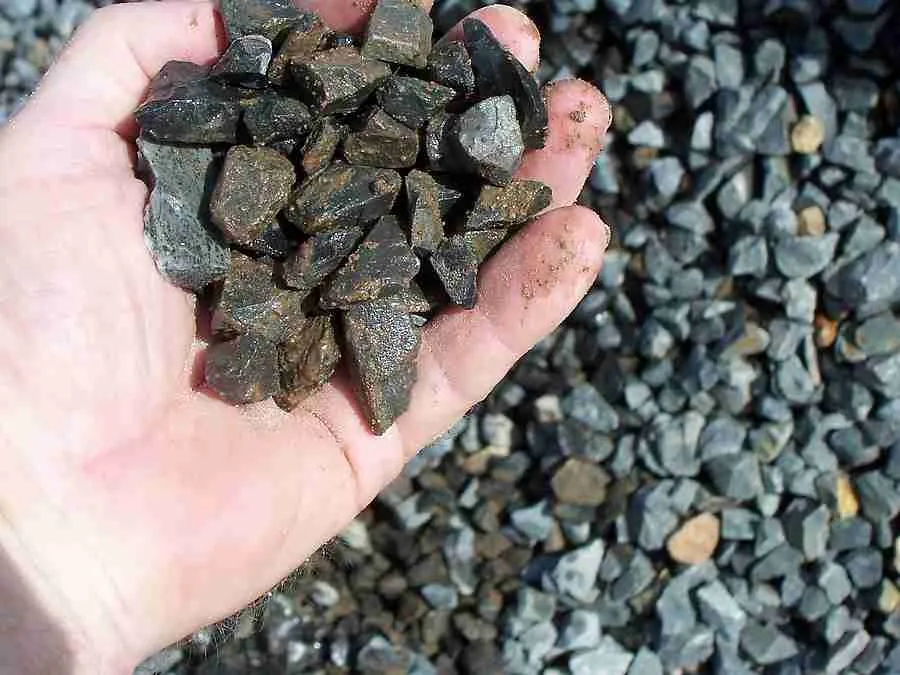
Ballast is made from hard crushed stone rather than smooth river pebbles, because smooth stones would risk sliding apart from each other as a train passes over. The rough stones lock together and create friction, helping to resist movement.
Railroads use crushed, angular stones, typically made of hard, weather-resistant rock like granite, trap rock, or basalt. Because these stones have sharp, jagged edges, they interlock tightly when packed together. When a massive train rolls over the rails, the interlocking edges prevent the rocks from sliding past one another. It’s a deceptively simple mechanism that has worked reliably for well over a century.
Bearing the Weight of an Enormous Load
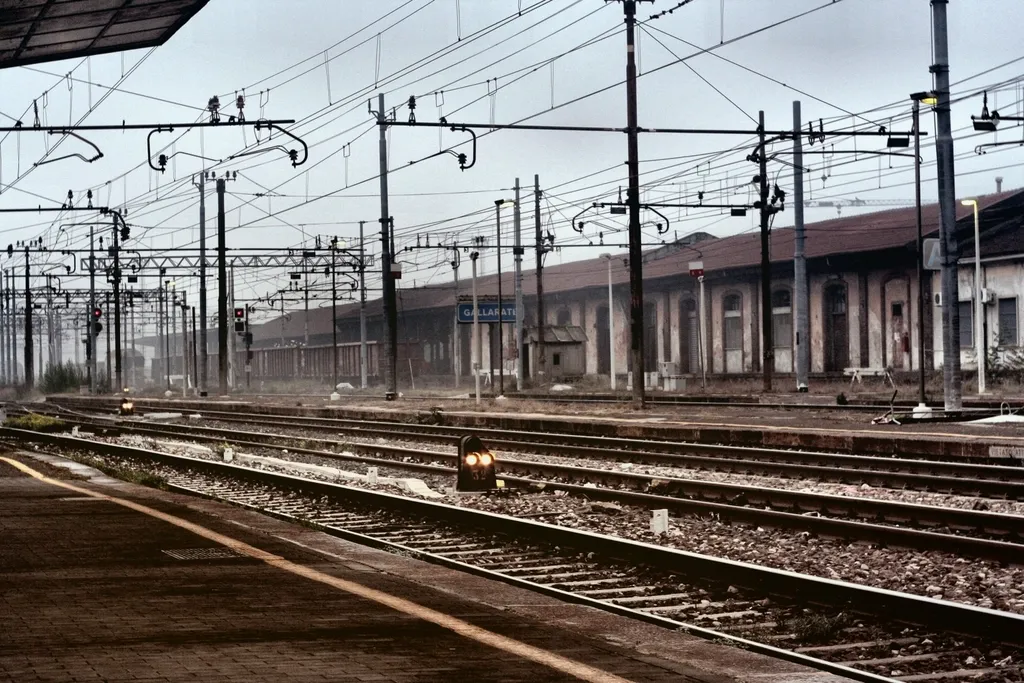
Each axle on a loaded rail car places a load of up to 71,500 pounds on less than an inch of track. The railroad track structure spreads that load to the ballast below. Because ballast material is angular crushed rock, it locks together as a matrix, which transfers these large loads from the track structure to the sub-ballast below.
According to Brian Solomon’s book Railway Maintenance: The Men and Machines That Keep the Railroads Running, today’s trains can exert a force of 100 psi when passing over track, and the stone used for ballasting must be able to withstand this constant abuse. That’s a relentless daily grind on every stone in the bed.
Drainage: Keeping the Ground Underneath Firm
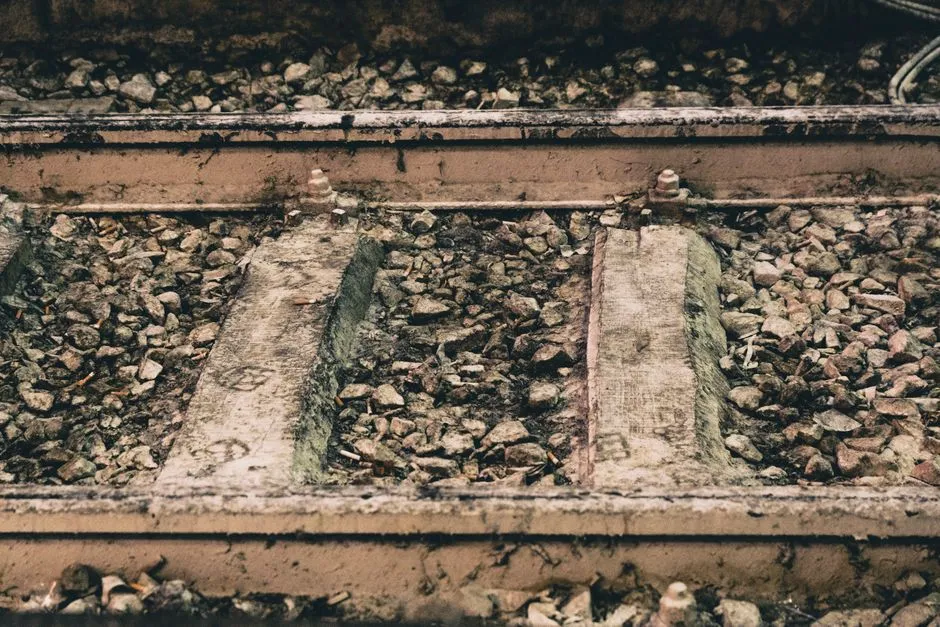
Standing water softens the subgrade and corrodes steel components. High-quality track ballast features high porosity, allowing rainwater to drain instantly away from the track structure into side ditches. This is also why the ballast is always sloped downward and away from the rails.
Clean ballast allows water to drain away from the track, preventing the track from pumping material from under the track and causing voids beneath the rails. Those voids, left unchecked, can lead to serious track deformation and the risk of derailment.
Vibration Dampening and Passenger Comfort
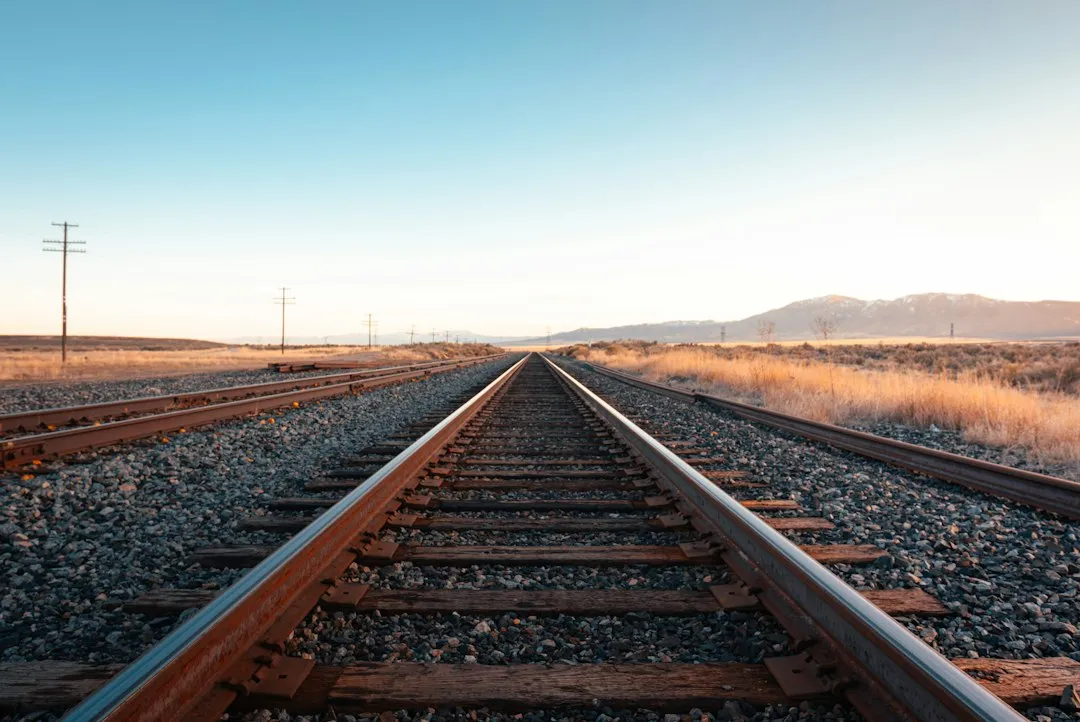
While individual stones are rigid, the collective ballast bed possesses a kind of pseudo-elasticity. It absorbs intense vibrations and heavy dynamic shocks from passing trains, protecting concrete sleepers and steel rails from fracturing while also reducing environmental noise.
Track ballast absorbs the vibrations caused by a moving train, and the cushioning effect of the ballast stones adds to the passengers’ comfort inside the train. It’s one of those quiet, invisible contributors to what feels like a smooth ride.
Keeping Vegetation Out of the Tracks
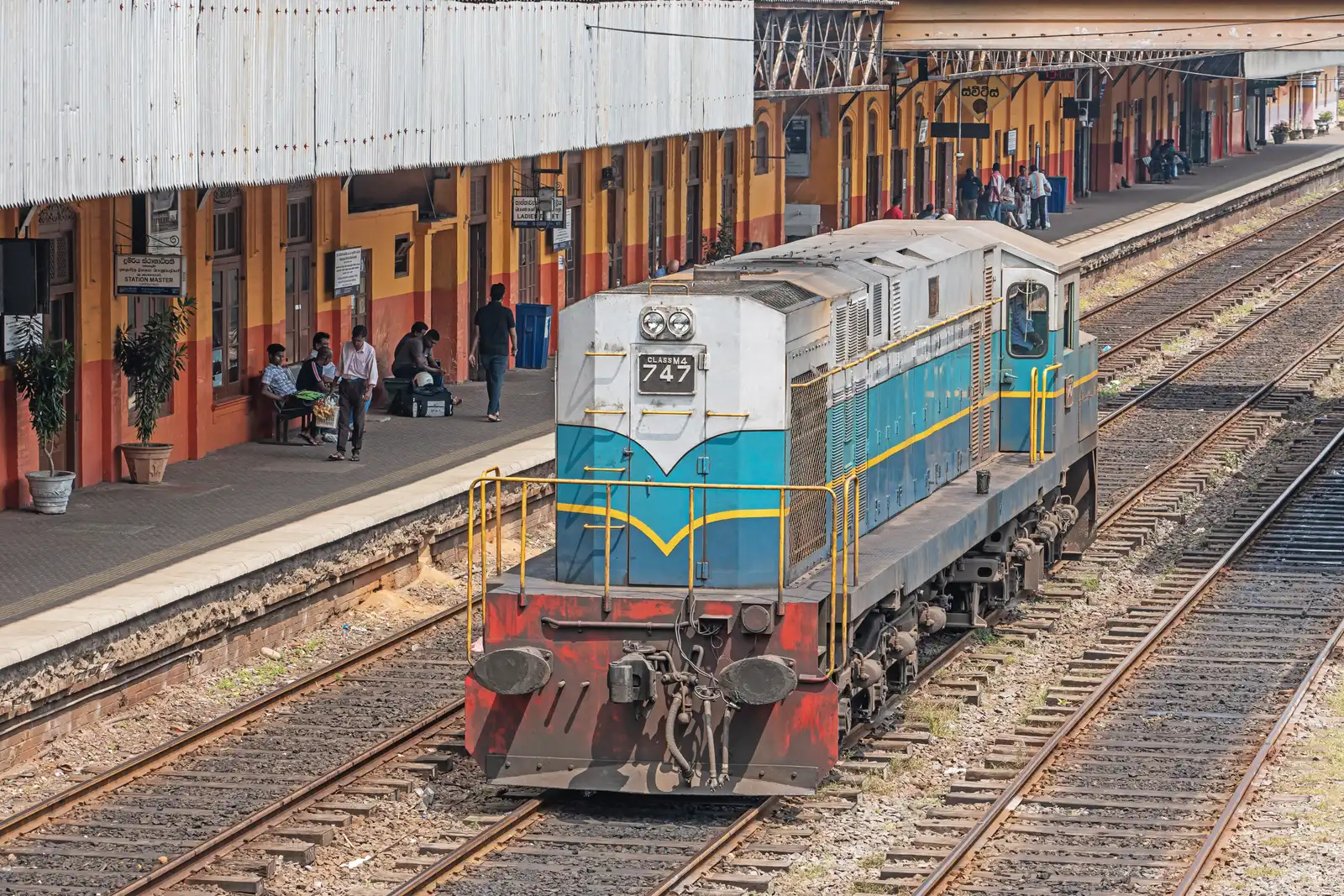
Weed growth can destabilize the track foundation. A thick layer of clean ballast lacks soil and standing water, forming a hostile environment that prevents plants from taking root. This isn’t just an aesthetic concern. Roots can shift ties, disrupt alignment, and compromise the structural integrity of the entire track bed.
Vegetation interfering with the track structure must be actively managed. Maintenance personnel need to visually inspect the track roadbed and track structure, including switches, ties, rails, and fasteners, and the presence of vegetation can significantly impair proper inspection. Even modern laser-guided inspection equipment can be thrown off by overgrown ballast.
The Hidden Layer Below: Sub-Ballast
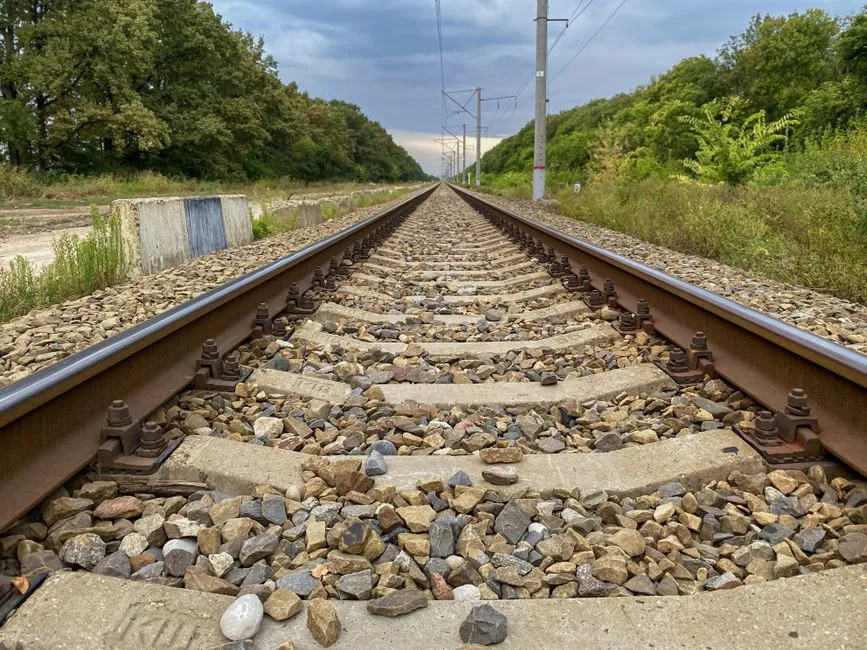
One often-forgotten aspect of the ballasting system is what is known as sub-ballast or sub-grade. This layer of crushed stone or even pavement acts as a moisture barrier and added support system for the track structure above. It is always the first component of the track structure to be laid down and is a very important, unseen component.
Think of the entire system as a layered sandwich: compacted earth at the bottom, sub-ballast in the middle, then the main ballast layer, then the ties, and finally the rails on top. Because the track bed using ballast is superior from an economical aspect while reasonably supporting the running of a heavy train, it has been employed for a very long time. Ballast has functions for securely maintaining sleepers, uniformly distributing load, allowing the track to have elasticity, facilitating drainage, and preventing the generation of mud or weeds.
How Much Stone Goes Into a Mile of Track?
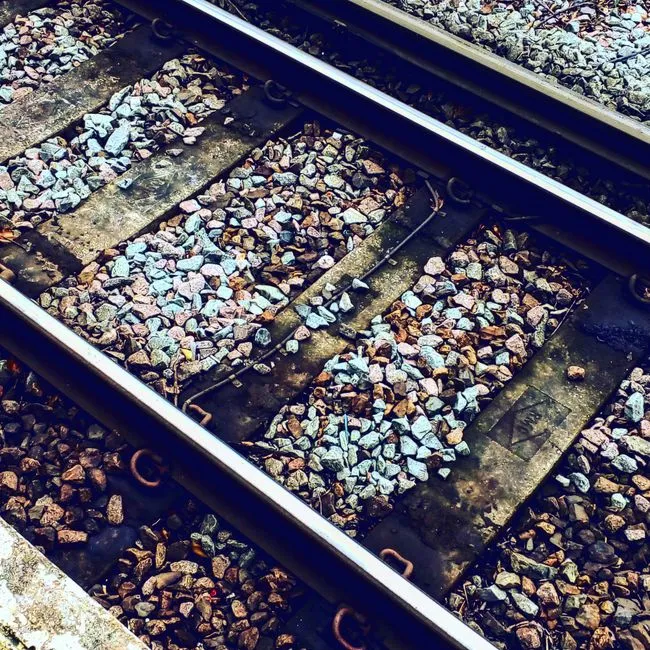
The ballast goes down first on bare ground, raising the track level. Then the wooden cross ties go down, each weighing 200 pounds, with 3,249 of them for every mile. When you factor in the volume of stone required to surround and support that many ties, the quantities become substantial.
US planning guidance places about 600 tons of ballast per mile for tie renewal and about 1,200 tons per mile for heavier trackwork. Across thousands of miles of active rail network, the total volume of ballast in use at any one time is genuinely staggering.
What Happens When Ballast Gets “Fouled”
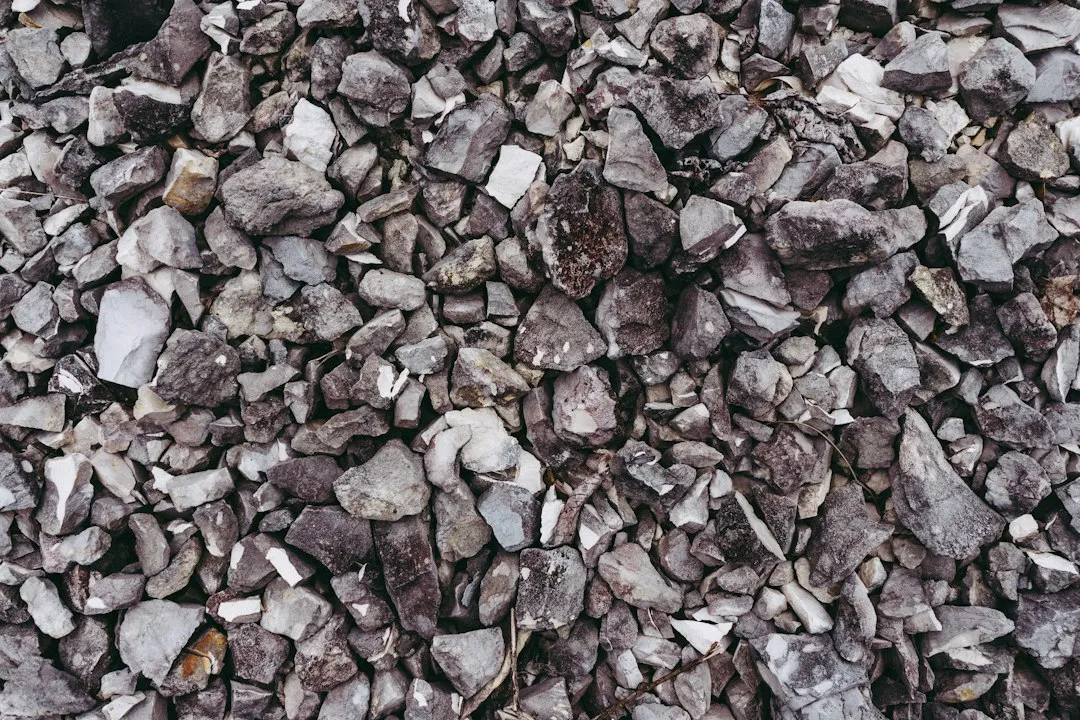
A common problem associated with ballast is that it often becomes clogged due to improper draining. The motion of a train over the railway having clogged or fouled ballast can cause water and mud to be brought from underneath the railway to the surface. This water and mud can then harden around the ballast in the consistency of concrete.
Adding new ballast and tamping the track can temporarily restore the proper track geometry, but once the fine particle fouling reaches a certain critical percentage and lateral drainage is lost, the ballast must typically be removed and replaced with new material, a significant expense and delay of train traffic. It’s one of the more costly ongoing challenges in railroad maintenance.
The Tamping Process: Restoring Order to the Stone Bed
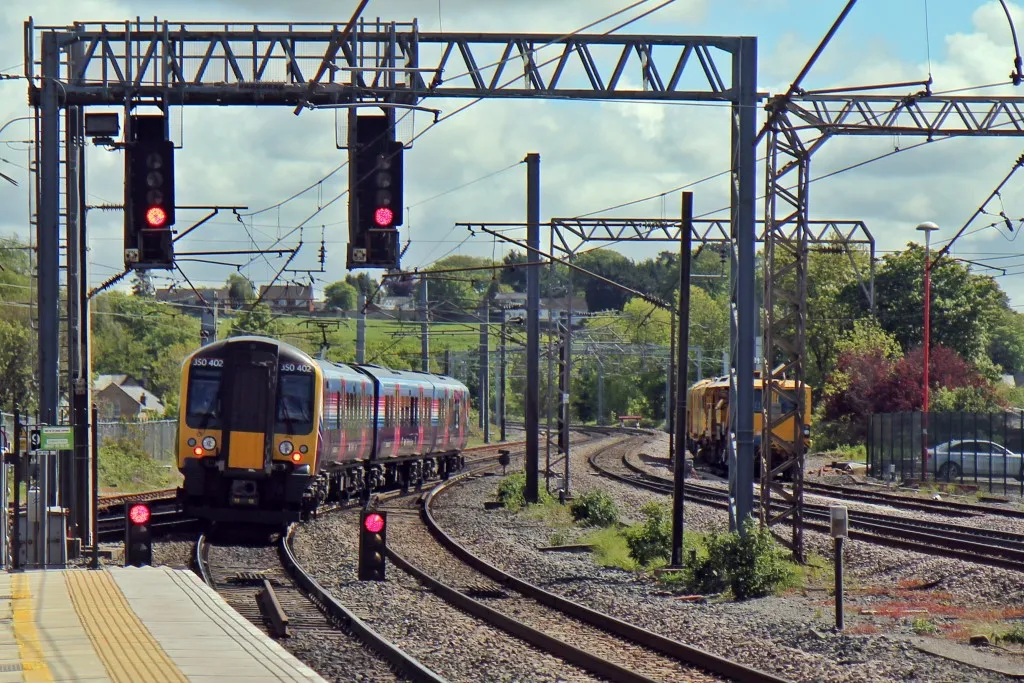
As trains pass, localized sinking occurs in the ballast. A tamping machine travels along the rails, mechanically lifts the track to the correct height, and inserts tamping tines deep into the ballast. These tines vibrate and squeeze the stones tightly back underneath the sleepers, restoring perfect vertical and horizontal track alignment.
Tamping lifts and packs ballast under sleepers to restore alignment and level. Regulators then shape and redistribute the stones, while cleaning machines remove fouled material. It’s a continuous cycle, not a one-time fix. With continuous train traffic, ballast gradually becomes loose and displaced, leading to uneven track support, deformation, and safety risks.
A Global Industry Built on Crushed Rock
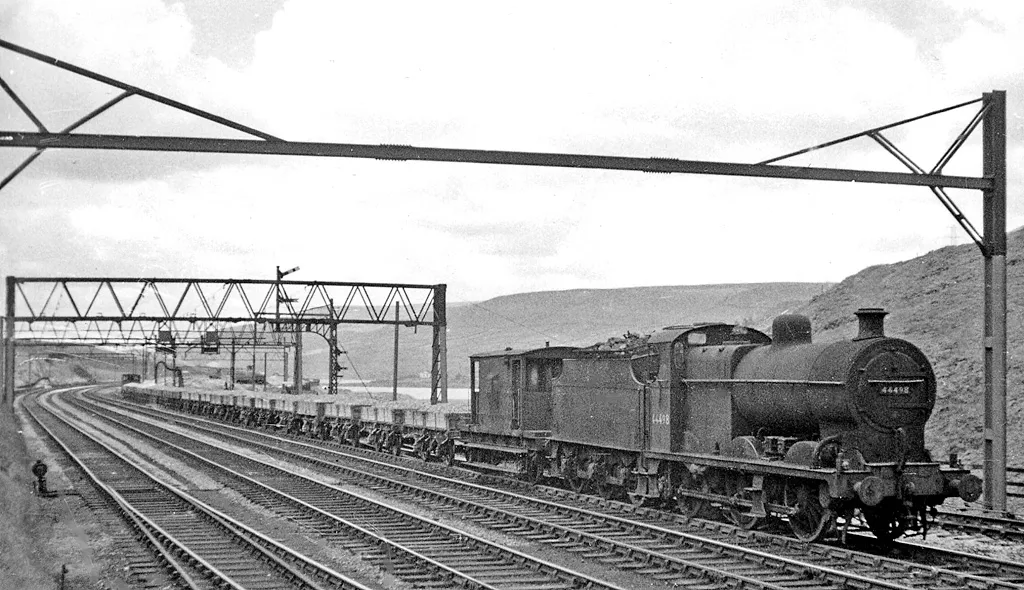
Crushed stone holds nearly nine-tenths of all rail track ballast value in 2025 and is growing at roughly three and a half percent a year through to 2034. Main line specifications leave little room for other materials. The dominance of crushed stone is not about tradition but about performance.
Indian Railways completed complete track renewal of 7,051 track kilometers in 2025 and deep screening of 7,442 track kilometers in 2024 to 2025. That scale of activity gives a sense of just how labor and material-intensive ballast maintenance is across a large national network. The progressive failure of unbound stone ballast has been a challenge to railways for over 170 years and remains a major track maintenance expense.
The Takeaway
That unremarkable layer of gray stone beneath a set of train tracks turns out to be one of the more thoughtfully engineered elements in all of transportation infrastructure. It bears weight, drains water, absorbs shock, holds alignment, and keeps vegetation at bay, all at the same time, under enormous repeated stress.
The reason railroads still rely on crushed stone after more than 170 years isn’t inertia. It’s because the material continues to perform a complex set of tasks that no single alternative has managed to match on cost and reliability at scale. Next time a freight train rolls past and the ground trembles slightly beneath your feet, the ballast is doing exactly what it was always meant to do.
AI Disclaimer: This article was created with the assistance of AI tools and reviewed by a human editor.