


Somewhere between the fourth city in seven days and the third museum queue before noon, a lot of travelers quietly ask themselves: is this actually enjoyable? The frantic pace that once felt like ambition now feels more like exhaustion in motion. Travel was not always like this, and a growing number of people seem to be remembering that.
What travel experts call “slow travel” is less a new invention and more a return to something older. It borrows from the way previous generations approached a trip: fewer places, deeper presence, more time to actually feel somewhere. The evidence that this approach works better for most people is stacking up in research, in booking data, and in a shift in how the entire travel industry is beginning to position itself.
The Quiet Collapse of Revenge Travel
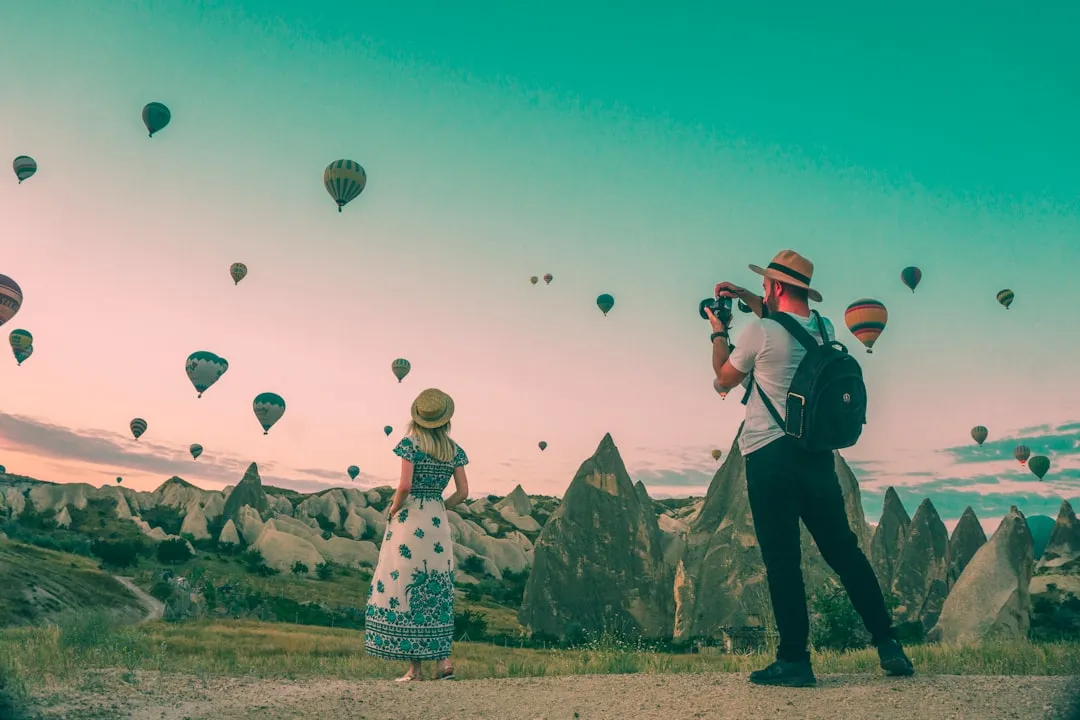
The post-pandemic surge of rushed, frantic travel even had a name: “revenge travel.” People wanted to make up for lost time by going everywhere at once. For a while, it worked as a collective emotional release. Then reality set in.
That era is now widely considered a thing of the past. Rather than traveling at any cost, consumers are slowing down and traveling more meaningfully, even if that means they travel less often. Major industry analysts noted this shift at the World Travel Market in late 2024, calling it a consistent theme running through the entire sector.
The traveler of 2026 seeks connection over consumption. They want to understand the soul of a destination, not just its statistics. This pivot is driven by collective introspection and increased awareness of mental health, ethical consumption, and sustainability.
What the Numbers Actually Show
Slow travel, which often means staying in fewer places or immersing in a local culture for an extended time, is gaining popularity, according to 2025 trend reports from both Hilton and Booking.com. These are not small, niche operators with a boutique audience. Their trend data reflects millions of bookings.
Slow travel is gaining momentum, increasing from roughly a fifth to more than a quarter among long-haul travelers planning trips to Europe, according to the European Travel Commission’s Long-Haul Travel Barometer. That’s a meaningful jump in a single year.
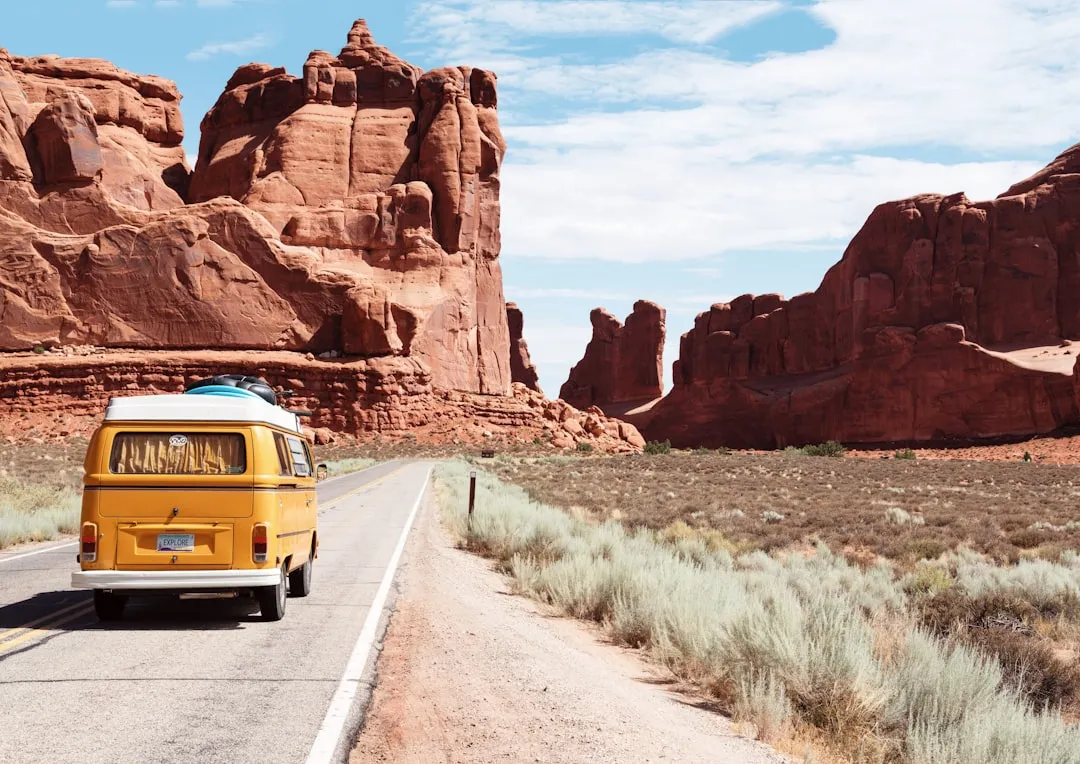
Road trips were the most popular form of travel in 2024, along with slow travel, defined as traveling without a plan, which came in as the second most popular approach. A report by the Mastercard Economics Institute also found that vacations are averaging one extra day compared to pre-pandemic levels. Even modest extensions matter.
What Your Brain Actually Needs from a Trip
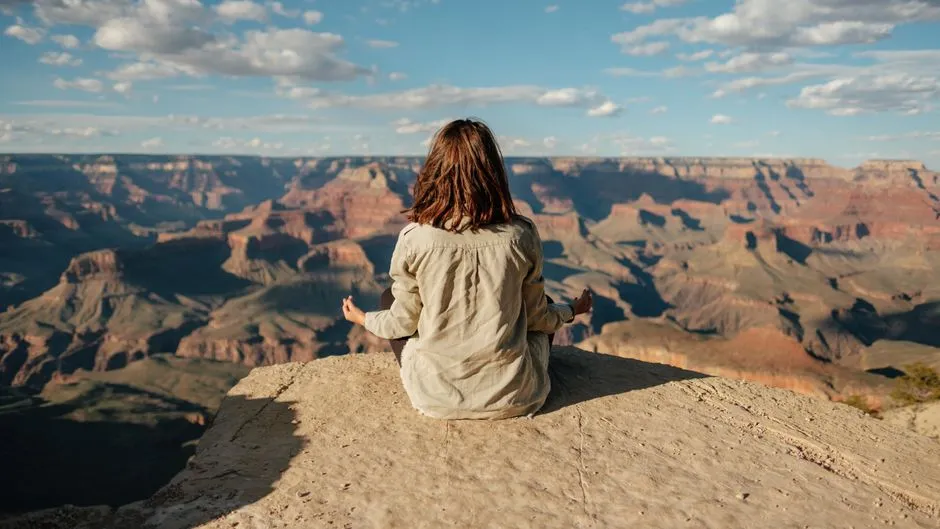
When we slow down, we activate our parasympathetic nervous system, the rest-and-digest mode that counteracts the fight-or-flight response associated with stress and burnout. Most rushed travel keeps the body in a low-grade state of alertness, not relaxation.
A 2020 research review in the Journal of Hospitality and Tourism Studies found that travelers who spent longer in one destination reported significantly higher satisfaction and lower stress. The longer you stay somewhere, the less effort routine decisions take, which quietly frees up mental energy for the experiences themselves.
A 2024 interdisciplinary study published in the Journal of Travel Research applied the theory of entropy to tourism, proposing that positive travel experiences may support physical and mental health in ways that could help slow some signs of aging. The work does not suggest that travel can stop aging, but frames tourism as more than a break from routine. It may be a way to help the body maintain balance, resilience, and repair.
Staying in One Place Longer Is the Old-School Secret
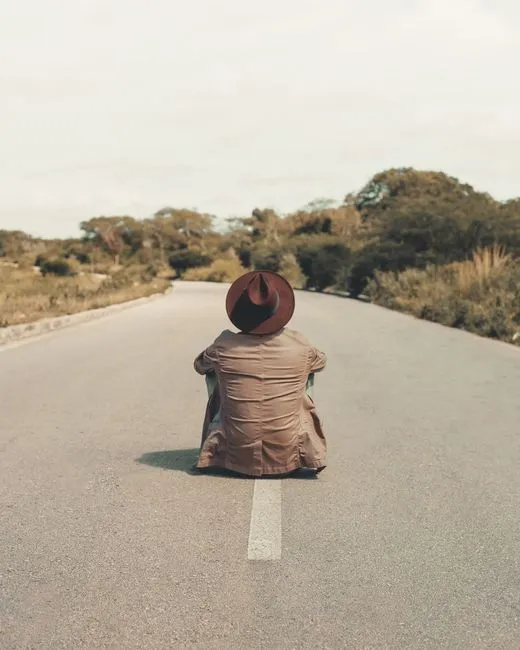
Generations before budget airlines and overnight layovers had no choice but to stay longer. A two-week trip to one country was the norm, not the exception. It turns out that constraint carried a quiet benefit.
Slow travel allows for more complete immersion in authentic local cultures and a genuine understanding of a different way of life. Spending more time in one place enables travelers to build relationships, understand customs, and connect with the community on a deeper level. Instead of rushing through landmarks, people find themselves participating in community events, sampling authentic cuisines, and engaging with residents meaningfully.
Hilton’s 2025 trends report found that nearly three-quarters of travelers are seeking out authentic, local experiences. The desire is clearly there. The obstacle, for most people, is simply giving themselves permission to slow down.
Secondary Destinations Are Quietly Thriving

With slow travel on the rise, more travelers are exploring secondary cities and destinations instead of overcrowded tourist hotspots. This is genuinely good news for places that have long been overlooked simply because they didn’t appear on a standard five-country itinerary.
About nearly two thirds of travelers plan to visit a “detour destination” on their next trip, according to Expedia Group’s “Unpack ’25” report. The report found a notable increase in flight searches to secondary spots away from major cities, including Reims, France; Girona, Spain; Cozumel, Mexico; and Fukuoka, Japan. A trend report by Booking.com had similar results, with most travelers saying they want to visit less crowded destinations such as Trieste, Italy.
Conrad Chia Laguna Sardinia saw a roughly ninety percent year-over-year increase in U.S. travelers from 2023 to 2024, while Baia di Chia Resort Sardinia recorded a one hundred and fifty percent increase in U.S. visitors over the same period. These are striking numbers for a region most Americans would not have considered a decade ago.
The Train Is Back, and It Matters
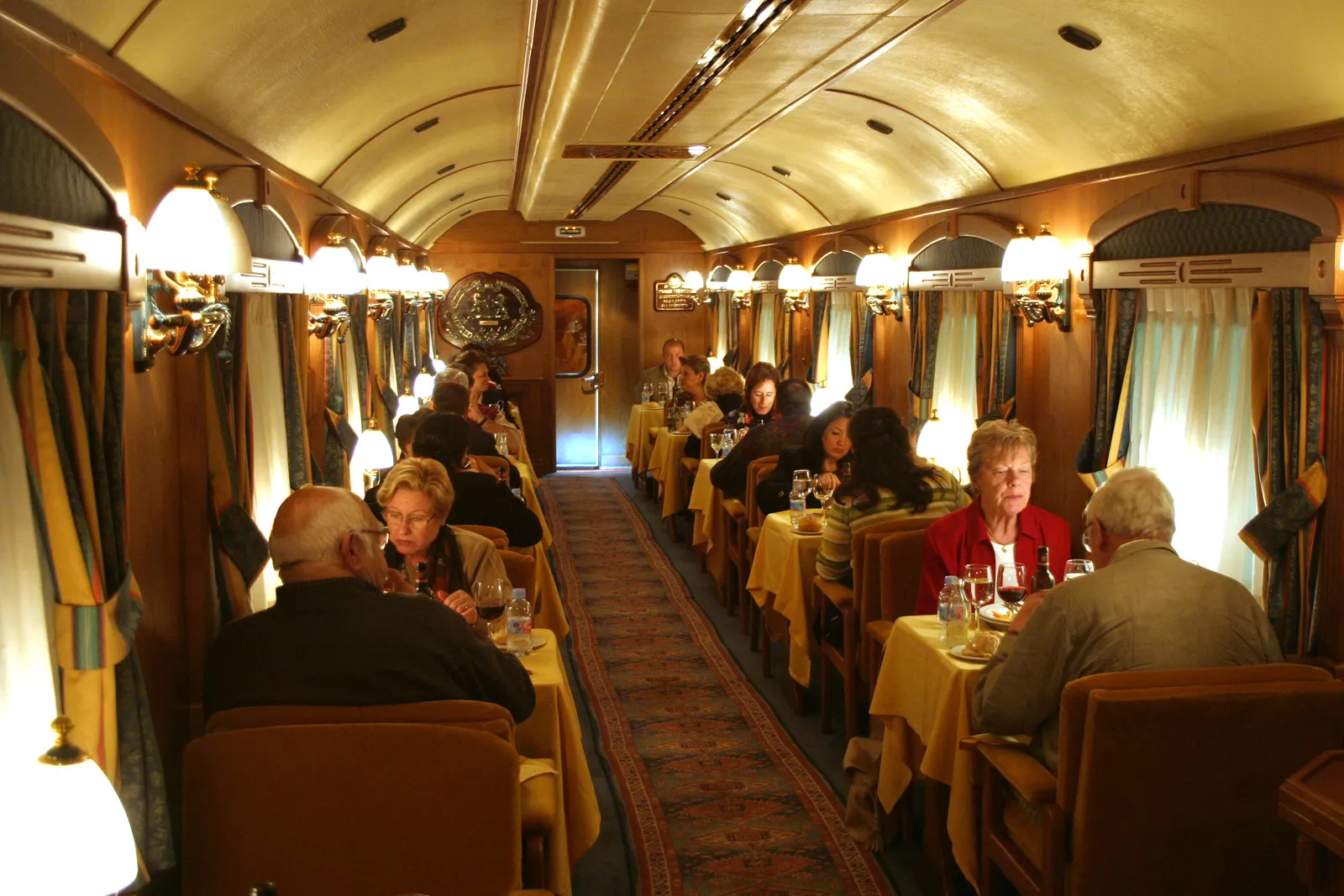
Amtrak had a record thirty-three million riders in fiscal year 2024 and plans to double ridership over the next fifteen years. Rail travel and slow travel fit together almost perfectly because the journey itself becomes part of the experience rather than an obstacle before it begins.
The resurgence of luxury train travel aligns with slow travel, where the focus shifts from speed to savoring the journey. High-end rail experiences offer slower, scenic routes to less-explored destinations, allowing travelers to immerse themselves in local cultures and landscapes at a more relaxed pace.
A journey from London to Nice generates just thirty-six kilograms of CO2 by train, compared to two hundred and fifty kilograms by air. That gap is hard to ignore, and for travelers with sustainability as a genuine priority, the choice becomes fairly straightforward.
The Environmental Case Is Real and Specific
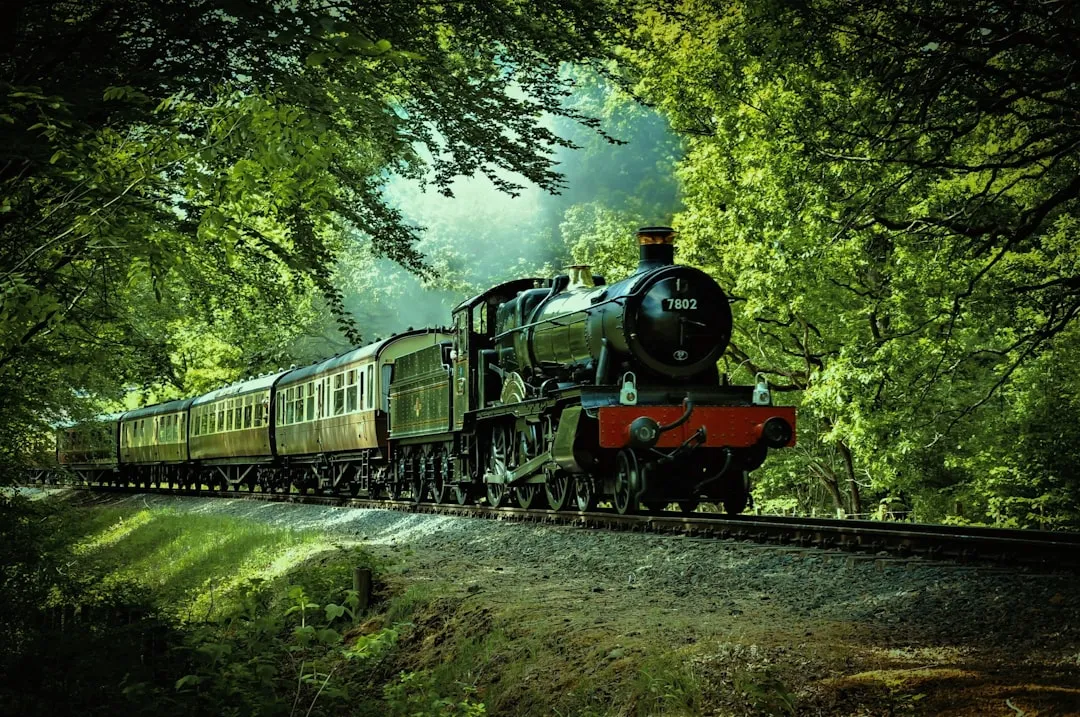
Slow travel’s environmental argument is often made vaguely, in feel-good terms. The actual data is far more concrete than most people realize.
Train travel is significantly more eco-friendly than flying, with up to ninety-six and a half percent fewer CO2 emissions per passenger-kilometre. Trains are significantly less carbon intensive overall, producing between seven and more than forty times fewer emissions than airplanes.
The rise of slow travel aligns closely with the growing demand for sustainability. According to Accor’s 2025 report, more than a quarter of British travelers are planning sustainable trips, and searches for eco-nature holidays have surged dramatically. Travelers are increasingly seeking ways to reduce their footprint while exploring responsibly.
Remote Work Has Unlocked Longer Stays

One structural change has made slow travel more accessible than at any point in recent history: the normalization of remote work. The freedom to work from a different city for a month has turned slow travel from a sabbatical luxury into a practical option for many professionals.
As of 2025, more than sixty-five countries had introduced digital nomad or remote work visa programs, including Portugal, Spain, Estonia, Barbados, and Croatia. These programs are designed to attract skilled professionals who contribute to local economies without competing directly in domestic labour markets.
Remote work has allowed travelers to stay longer in fewer destinations. Instead of rushing through multiple cities, many digital nomads now adopt slow travel, staying in one place for weeks or months. Long-stay travelers are more likely to shop locally, use public transport, and engage in everyday community activities rather than purely tourist-focused experiences.
Spending Less by Traveling Slower
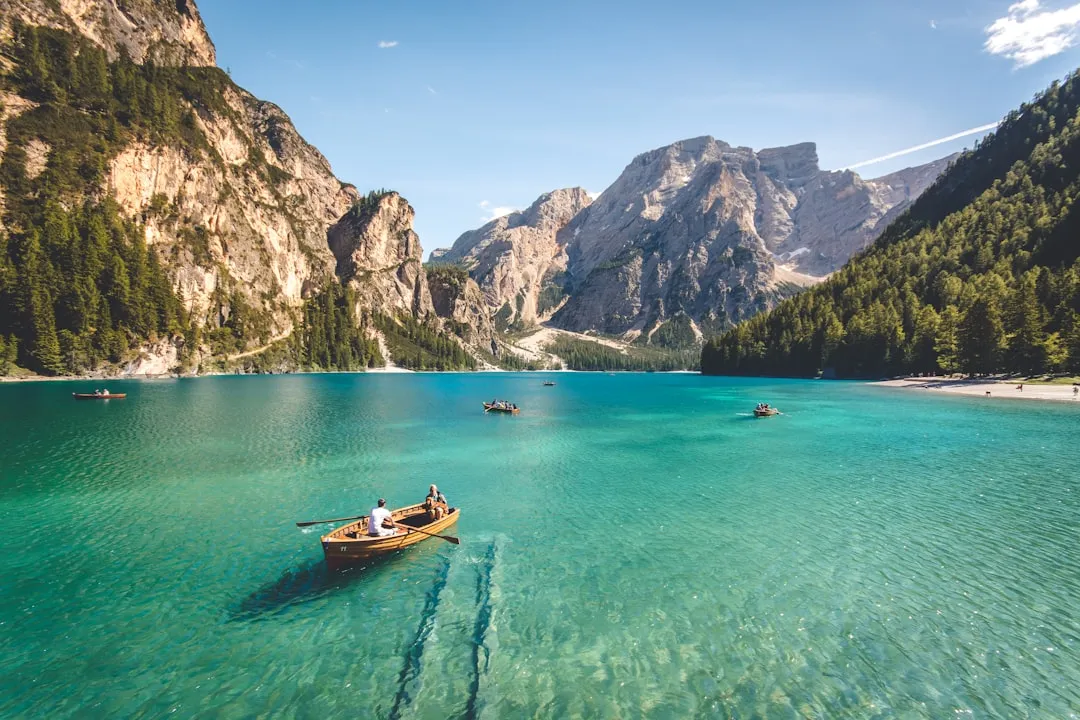
There is a quiet financial logic to slow travel that doesn’t get discussed enough. Moving constantly is expensive. Each new destination adds transportation costs, orientation time, and the inefficiency of figuring out an unfamiliar place all over again.
More than one third of Americans prefer off-season travel, which has the added benefit of typically lower prices. Slower travel and off-season timing tend to go hand-in-hand naturally, since people who choose depth over breadth are less bound to peak-period schedules.
Consumers are spending more when they travel, even if that means they travel less often. Travel has become more purpose-driven, and when a trip has purpose, the spending that goes toward it becomes more meaningful. This mindset is expected to lift the market into a more equitable and sustainable future. Spending more intentionally in fewer places benefits both the traveler and the local community receiving them.
Accommodation Is Adapting to Match the Mindset
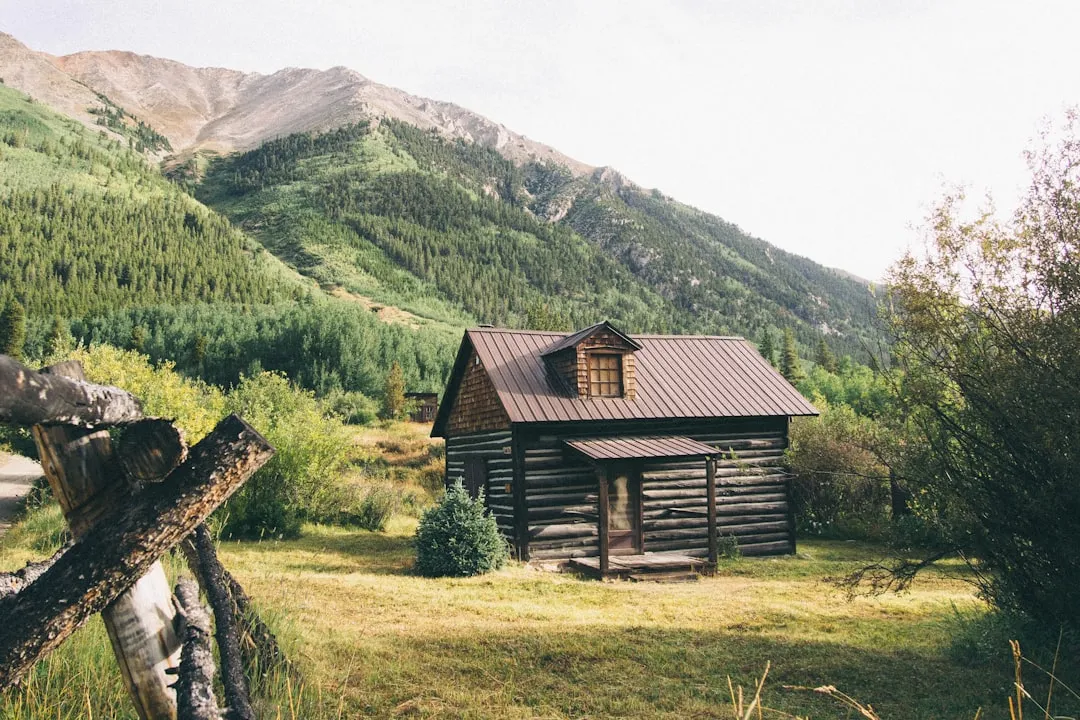
Slow travel benefits from accommodations that feel like a home base rather than a place to sleep. Residential-style hotels support longer stays and deeper immersion. They allow travelers to settle in, cook locally sourced meals, and establish a rhythm.
This has pushed the hospitality industry to rethink what guests actually want from an extended stay. Short-term rental platforms, aparthotels, and boutique guesthouses have all seen stronger demand from travelers booking longer. The infrastructure for slow travel is genuinely improving.
Slow travel not only reduces the carbon footprint but can offer a more fulfilling, less stressful travel experience. It aligns with broader trends like luxury minimalism and quiet luxury, focusing on wellness and mental wellbeing rather than just consumption and fast experiences.
The Takeaway
Slow travel is not a romantic retreat from the modern world. It’s increasingly supported by real data: from booking platforms, from neuroscience, from environmental research, and from the travelers who come home actually rested.
The habits that shaped travel in past generations, staying longer, choosing depth over volume, using trains, eating where locals eat, and skipping the checklist entirely, were not signs of limited ambition. They were, it turns out, a quietly wiser approach.
The most meaningful thing you can do for your next vacation might simply be to choose one place and actually stay there. The world tends to open up more when you stop rushing through it.
AI Disclaimer: This article was created with the assistance of AI tools and reviewed by a human editor.