
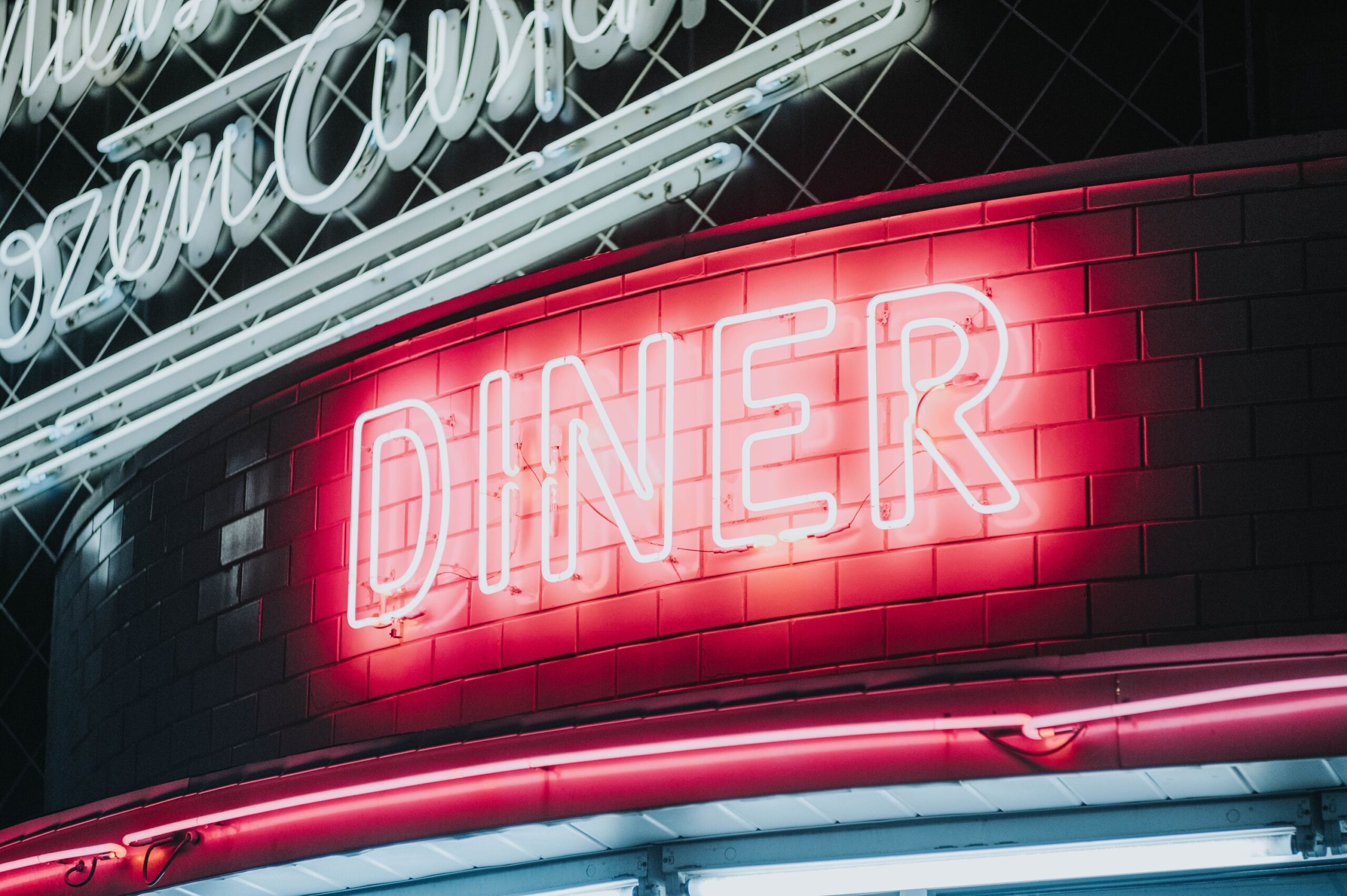

There’s something quietly stubborn about the American roadside diner. It doesn’t try to impress you. It’s just there, a warm pool of neon light in the dark, with a coffee pot perpetually ready and a counter stool with your name on it. For millions of travelers across the country, the diner is less a restaurant than it is a landmark of personal history.
Yet the numbers tell a more complicated story. Independent restaurants finished 2025 with 412,498 locations, down from 422,001 in 2024. The classic diner sits squarely in that shrinking category. Even as the format struggles, something cultural is pulling in the opposite direction. Travelers, food writers, and ordinary Americans are increasingly vocal about wanting these places back. Here’s why.
A Format Born from Practicality and Ingenuity
The diner’s story began not in some romantic roadside setting, but in a factory. Some of the earliest diners were converted rail dining cars, retaining their streamlined structure and interior fittings. From the 1920s to the 1940s, diners were usually prefabricated in factories, like modern mobile homes, and delivered on site with only the utilities needing to be connected. As a result, many early diners were typically small and narrow to fit onto a rail car or truck.
Perhaps the most significant reason for New Jersey’s diner dominance stems from its industrial history. In the early 20th century, New Jersey became the epicenter of diner manufacturing. Companies like Kullman Industries, Fodero Dining Car Company, Mountain View Diners, and the O’Mahony Diner Company all set up shop in the Garden State. These manufacturers specialized in prefabricated dining cars, complete restaurants that could be built in a factory and transported to their final location.
That practical genius gave the diner its particular beauty. This small footprint allowed diners to fit into tiny and relatively inexpensive lots that were unable to support a larger enterprise. Diners were historically small businesses operated by the owner, with some presence of restaurant chains evolving over time.
New Jersey: The Diner Capital That Shaped a Nation
The concept made its way to New Jersey in 1912, when Bayonne resident Jerry O’Mahoney founded his namesake diner company, which revolutionized the industry. A year later, O’Mahoney opened a lunch wagon that, unlike its predecessors, was intended to remain stationary. Many food historians consider this to be the first true diner. O’Mahoney’s company manufactured more than 2,000 prefabricated diners from 1917 to 1956, and diners began popping up in every corner of the Garden State.
The state also played a major role in diner manufacturing. Back in the day, these chrome-clad eateries were built in Jersey-based factories and shipped across the country. Thousands of “Made in New Jersey” joints still dot the Northeast today.
The scale of that legacy is still visible. According to an unofficial diner coalition, there were an estimated 600 diners in New Jersey in 2014, though the number has since dropped to roughly 450, as of late 2024. Still, this means that there’s one diner for every 20,000 New Jersey residents, which is more per capita than in any other state. New Jersey lawmakers have taken notice too. In 2025, lawmakers proposed the Saving Our Diners and Protecting Our Past Act, aimed at preserving these historical landmarks through tax relief.
The Diner as a True “Third Place”
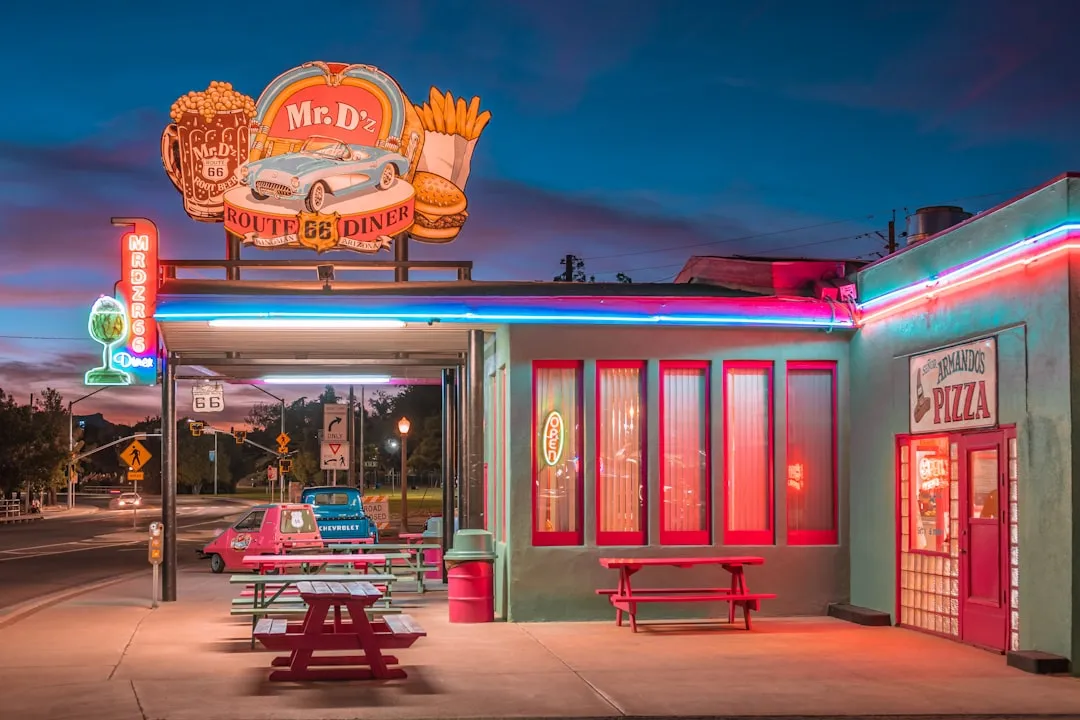
The right restaurant isn’t just a stop for sustenance, but a “third place,” a setting distinct from home or place of employment, in which the sharing of food and community are one and the same. The best third place is the one in your own town, but if you’re friendly and respectful, you’ll find yourself welcomed into the little microcosms of Western civilization scattered across the country and known as the quintessential American diner.
In the tight quarters of a classic dining car, you’re sure to get to know the person perched on the next stool, or at least overhear their conversation. Diners have the ability to bring together different generations and people of all walks of life.
Diners have always been more than just places to eat; they are communal spaces where people from all walks of life can come together. That is exactly the kind of space that feels increasingly rare in an era of delivery apps and algorithmic restaurant recommendations. The diner does not curate your experience. It just opens the door.
The Quiet Decline That Travelers Are Mourning
According to a report from the National Restaurant Association, over 72,000 restaurants closed in the United States in 2024 alone. That figure spans both independent spots and large chains, but the damage cut deepest in the sit-down, casual-dining category that defines much of America’s diner culture.
At the end of 2024, the overall full-service segment was nearly 18% smaller than it was in 2019. For the classic diner, this isn’t just a statistic about restaurant economics. It represents the disappearance of physical meeting places that anchored small towns and highway corridors for generations.
In October 2024, Denny’s revealed plans to close 150 restaurants by the end of 2025, with the timeline split between closures in 2024 and 2025. The actual closure numbers exceeded the original timeline, with the company closing 88 locations in 2024 and expecting to close between 70 and 90 restaurants in 2025. Even if Denny’s represents a large chain rather than a true independent, its contraction signals how much pressure the diner format is under.
Value-Hungry Travelers Are Looking Backward

Simply put, 37% of American diners are eating out less frequently than they did a year ago. Among lower-income diners, this share rises to 44%. When people do go out, they want to feel the money was worth it.
Among those who have made changes, 60% say they now choose cheaper restaurants. The classic diner, with its generous portions and unpretentious pricing, is almost precisely what that instinct points toward. While the appetite for dining out remains relatively healthy, diners have become more selective and are increasingly seeking value and innovation, according to BofA Global Research.
The diner is not just a cost-effective way to feed a family; it’s a daily ritual in which you may participate for the price of a burger, black coffee, beer, or basket of fried shrimp. That combination of affordability and genuine hospitality is something travelers are actively searching for, and finding harder to locate.
The Road Trip Renaissance and the Hunger for Authenticity
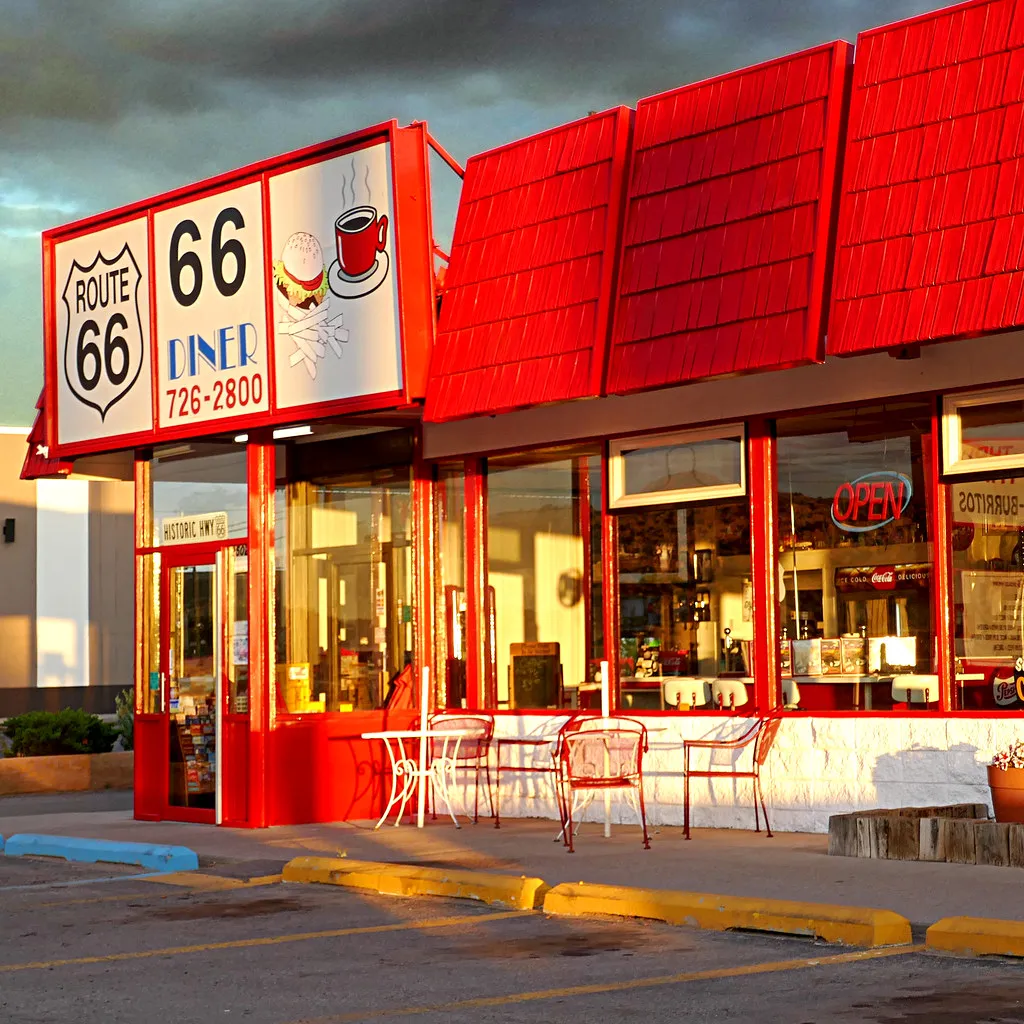
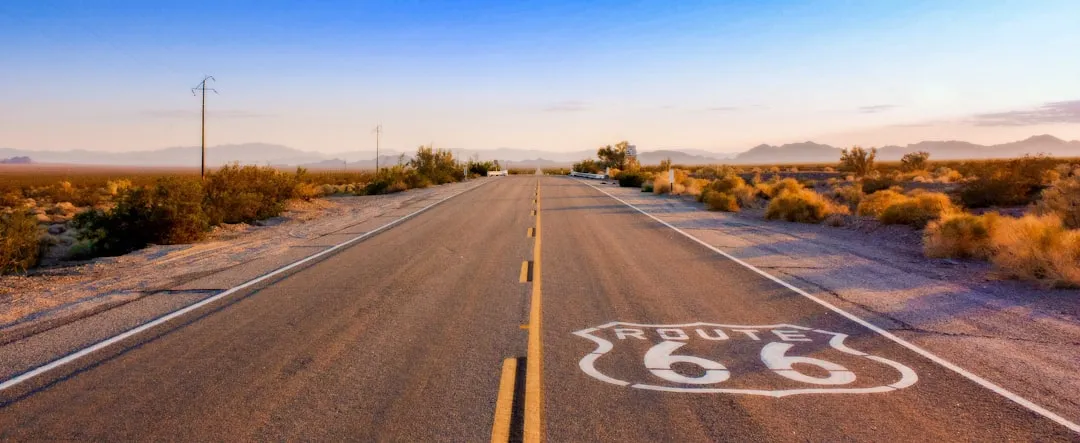
Per Chase, 94% of survey respondents said they were interested in going on a road trip, and the banking company included Route 66, which celebrates its centennial next year, in its travel roundup. That is an enormous share of the traveling public, and road trips and diners have always gone hand in hand.
Roadside eats are inseparable from the journey. Retro diners, such as Lou Mitchell’s in Chicago, which has been open since 1923 near the route’s original starting point, remain pilgrimage-worthy. These kinds of places aren’t simply restaurants. They’re waypoints that make a drive feel intentional rather than mechanical.
After the Interstate Highway System was implemented in the US in the 1960s, diners saw a boom in business as mobile travelers would stop for a meal. That same impulse is alive today. Modern travelers crave the authentic, unscripted stop over the predictable chain. The diner delivers exactly that.
The Revival Movement Taking Shape
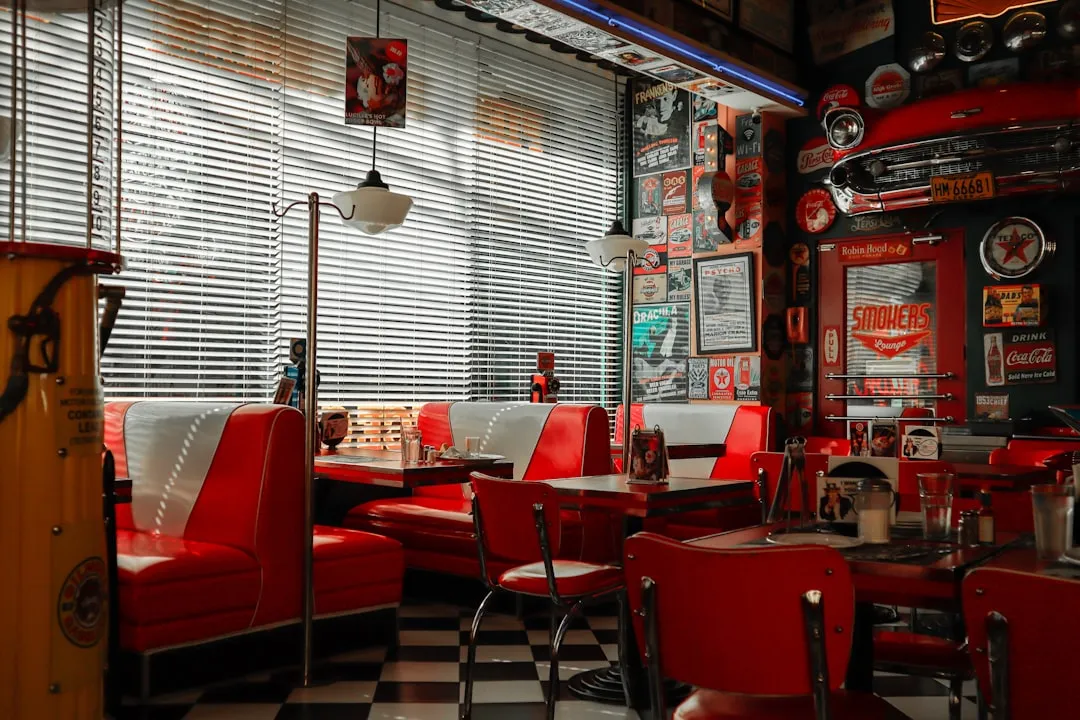
In 2025, a surge of chef-driven comfort food spots and 24-hour retro hangouts are reviving the classic American diner scene. This isn’t nostalgia for its own sake. People who open these places have a genuine belief in the format.
In response to the nostalgia for the golden age of diners, a revival movement emerged, with the opening of retro diners that catered to those longing for the classic diner experience. These new establishments combined the vintage aesthetic with modern amenities, attracting a new generation of customers.
One concrete example of that revival spirit: New Jersey’s Roadside Diner in Wall Township has the same classic stainless steel look now that it did when it first opened in the 1940s, and has been seen in Bruce Springsteen music videos, as well as on the cover of Bon Jovi’s 1994 album Cross Roads. The diner suddenly closed, but new life is getting ready to be breathed into the classic eatery. The new owner and his wife are working diligently to make sure this classic diner is reopened and ready to serve the community. They are trying to maintain the same vintage look and vibe that locals have come to love.
Long-Standing Survivors and What They Teach Us
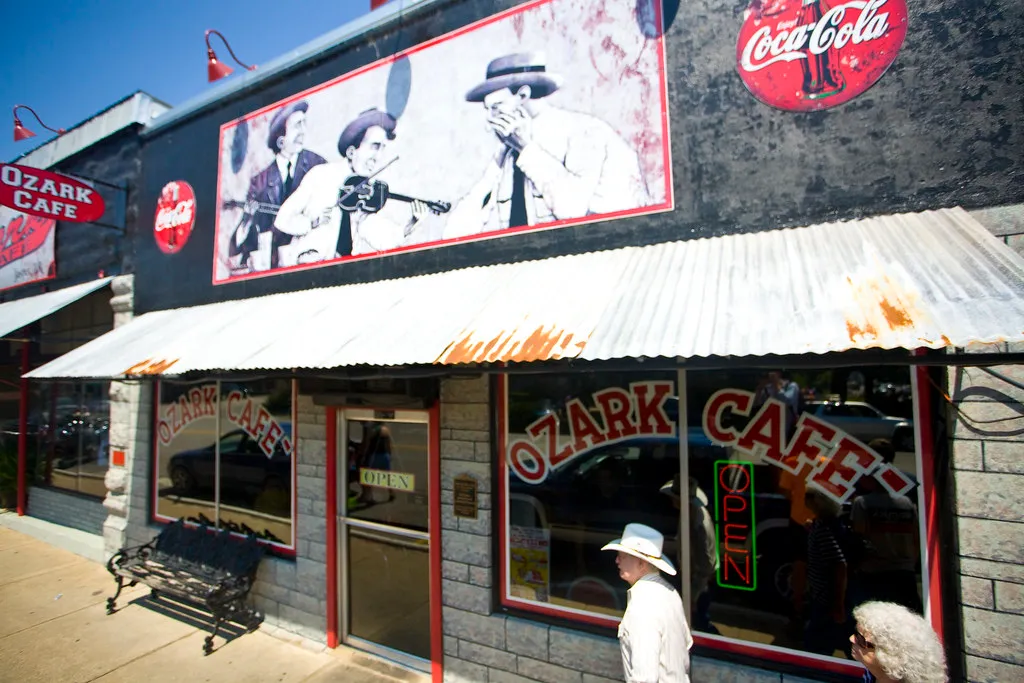
Nestled in the heart of the Arkansas Ozarks, the Ozark Cafe has been a community gathering spot since 1909, making it one of the oldest continuously operating restaurants in the state. That kind of staying power says everything about the food. Hearty home-cooked meals, friendly service, and an unpretentious atmosphere make this a beloved stop for locals and tourists passing through.
Many diners were run by recent immigrants, who infused the menu with dishes from home. Diners change with the times without changing much at all. Some now have added kitchens or attached dining rooms to host a crowd, but their counters and patched vinyl booths remain, showing the patina of time.
The endurance of these places is the clearest argument for their value. Although diners may not be as ubiquitous as they once were, they are a distinctive part of American food culture, and they can still be found dotting the landscape. Travelers who find them tend to remember the experience for years.
What the Data Says About What People Actually Want
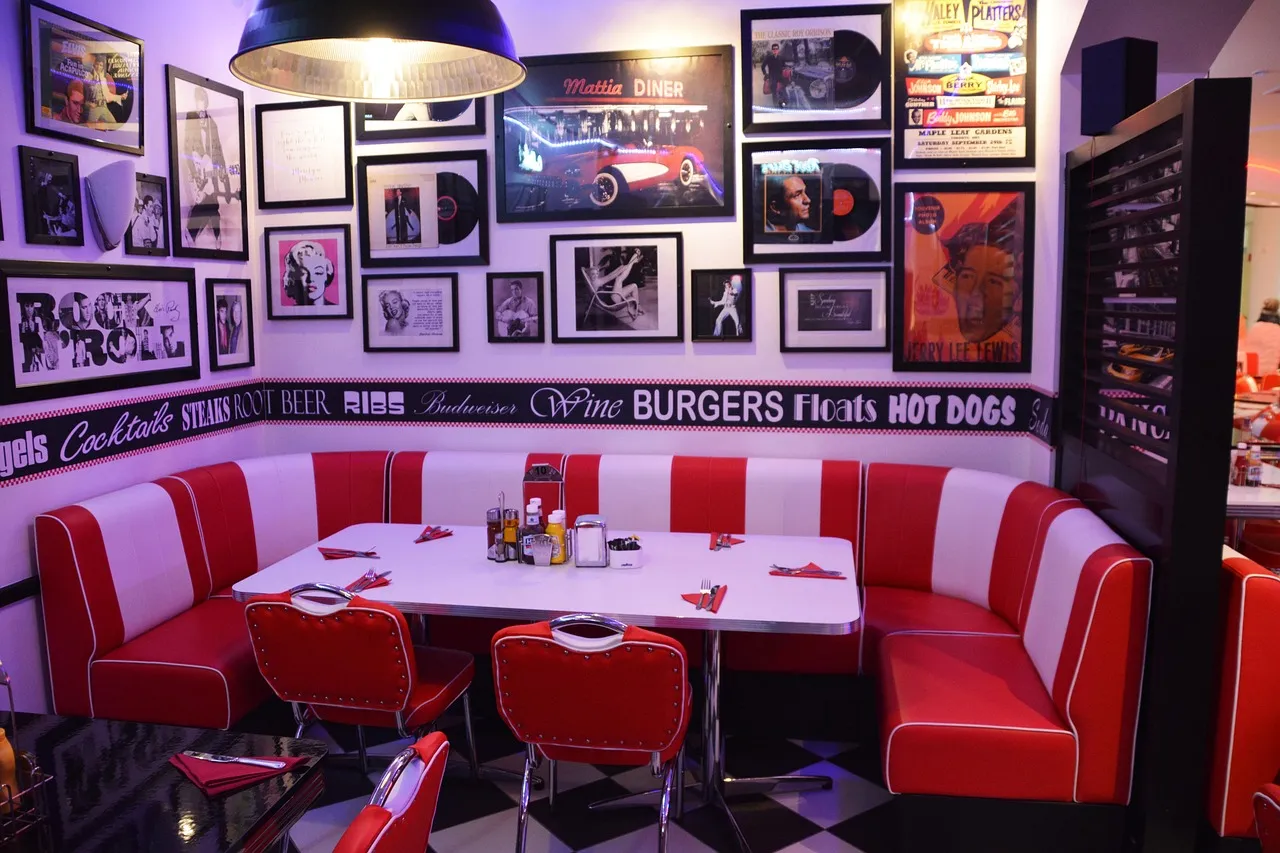
In 2026, 48% of Americans reported a preference for a cozy, local charm in interior design. This style evokes a sense of warmth and familiarity, making customers feel at home while enjoying their meal. That preference describes the classic diner almost word for word.
Socializing is a key motivator: “spending time with family and friends” is among the top reasons, cited by about 90% of consumers, that people enjoy going out to restaurants. The diner’s open counter, its communal energy, and its unhurried pace are all designed around exactly that motivation.
Independent restaurants have shown sustained strength in spending growth relative to chains throughout the past year, especially among higher-income households. That is an encouraging sign. Travelers who have the means to choose are choosing character over convenience, and the independent diner is the clearest expression of character in American dining.
The Preservation Question: Can the Classic Survive?
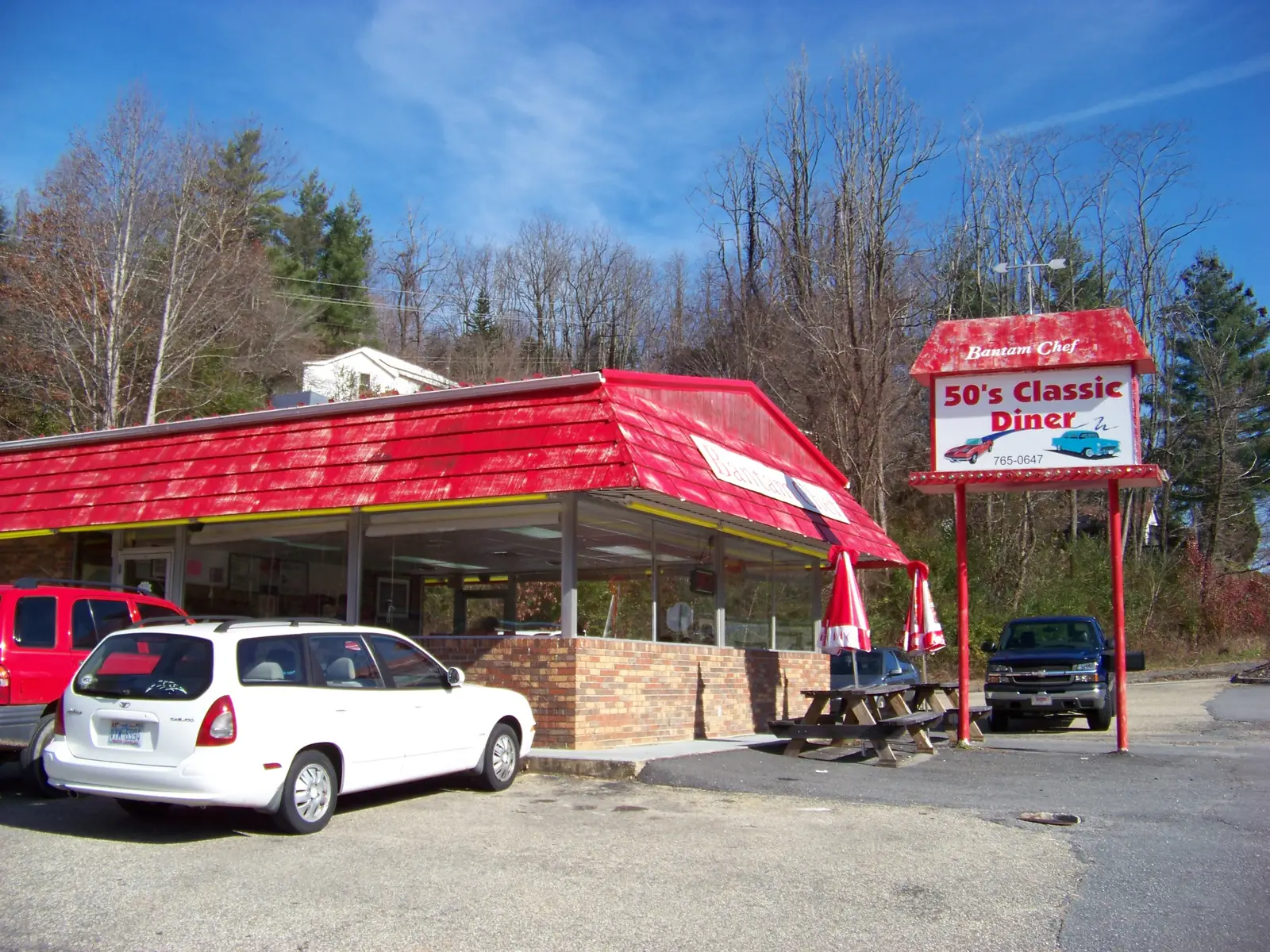
There are 8,721 breakfast restaurants and diners in the US as of 2025, an increase of 0.9% from 2024. The number of such businesses has declined an average of 0.4% per year over the five years between 2020 and 2025. The overall trend is still a slow retreat, even if the most recent year offered a flicker of growth.
Persistently high interest rates, elevated food and labor costs, and evolving immigration and tariff policies coupled with plummeting consumer sentiment and spending reduction drove mass closures and bankruptcies throughout the industry. These are real, concrete pressures that no amount of nostalgia can simply override.
The decline and subsequent revival of diners illustrates the resilience of this American institution. Through community support, preservation efforts, and a blend of nostalgia and innovation, diners continue to hold a special place in the hearts of Americans. Whether that affection translates into sustainable foot traffic is the central question facing every diner operator in 2026.
The Takeaway
The classic American roadside diner was never trying to be special. That was always its quiet genius. It was designed for ordinary people at ordinary hours, for truckers before dawn and families on Sunday and teenagers who had nowhere else to go. Nothing captures Americana quite like the classic roadside diner. These stainless steel time capsules served up more than just burgers and milkshakes; they dished out slices of American life. From truckers to teenagers, politicians to factory workers, everyone found common ground over steaming mugs of coffee.
The longing travelers feel for these places isn’t sentimental weakness. It’s a reasonable response to a dining landscape that has grown increasingly expensive, digitally managed, and impersonal. People are redefining what feels worth it, and seeking value where they can.
The diner always knew what it was worth. The hope is that enough people, with full coffee cups and open booths, will remember that too.
AI Disclaimer: This article was created with the assistance of AI tools and reviewed by a human editor.