
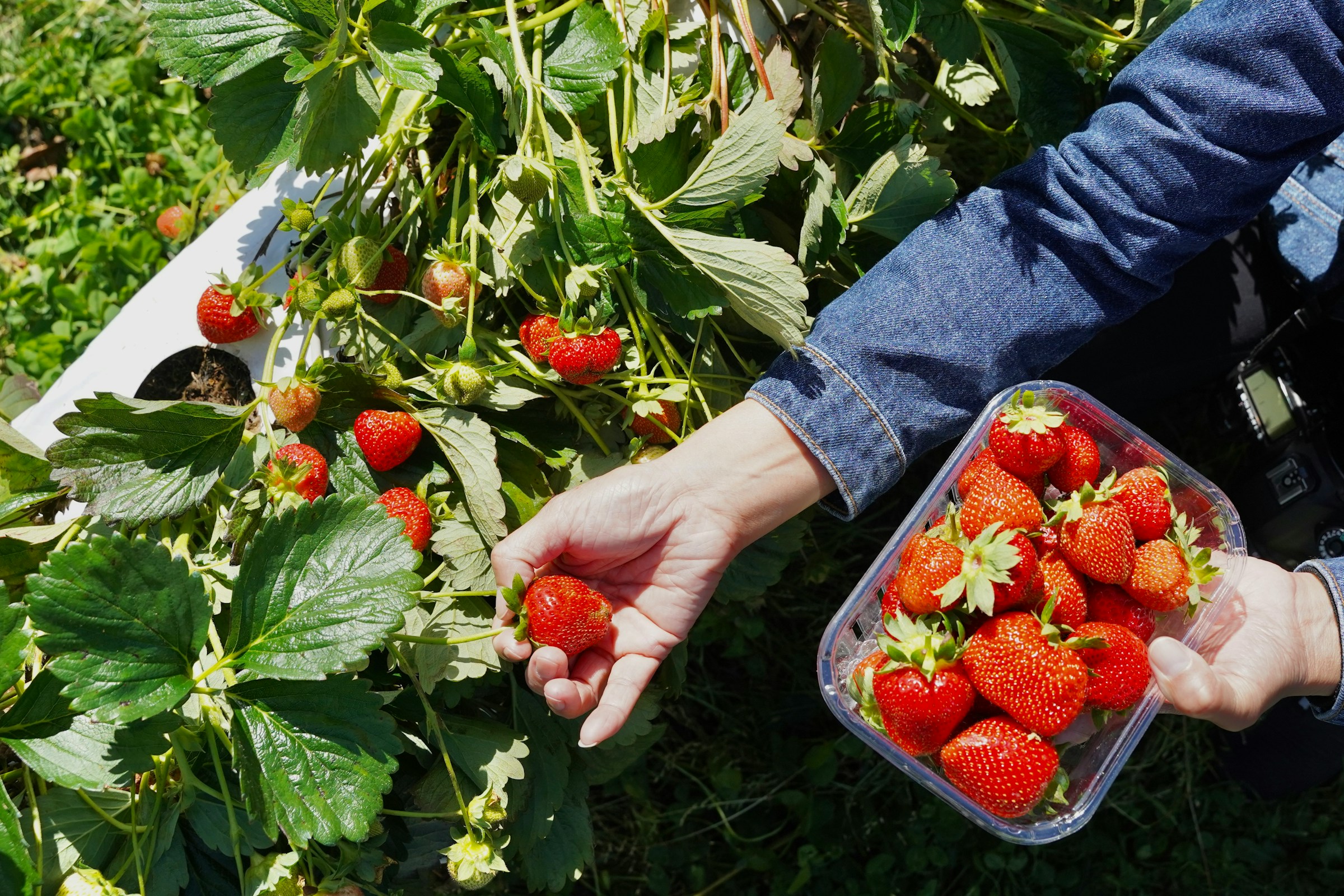

Something has shifted in how people think about a “good trip.” Not long ago, a successful vacation meant a well-reviewed hotel, a restaurant reservation worth bragging about, and a checked-off list of landmarks. Today, a growing number of travelers are planning their itineraries around something far older and more elemental: going outside to find their own food.
Foraging tourism, sometimes called “forage-cations,” has moved from a niche curiosity into a genuine booking category. Major travel brands, small-scale guides, and luxury resorts alike are responding to what looks less like a fad and more like a meaningful reorientation of what travelers actually want.
The Rise of “Forage-Cations”
Forage-cations have become one of the largest culinary travel trends, with a 2025 travel report from Hilton finding that one in five people now travel specifically to find new culinary experiences. That appetite for food-rooted travel has created fertile ground for foraging tours, seaweed hunts, truffle expeditions, and hands-on wild harvest experiences at destinations across the globe.
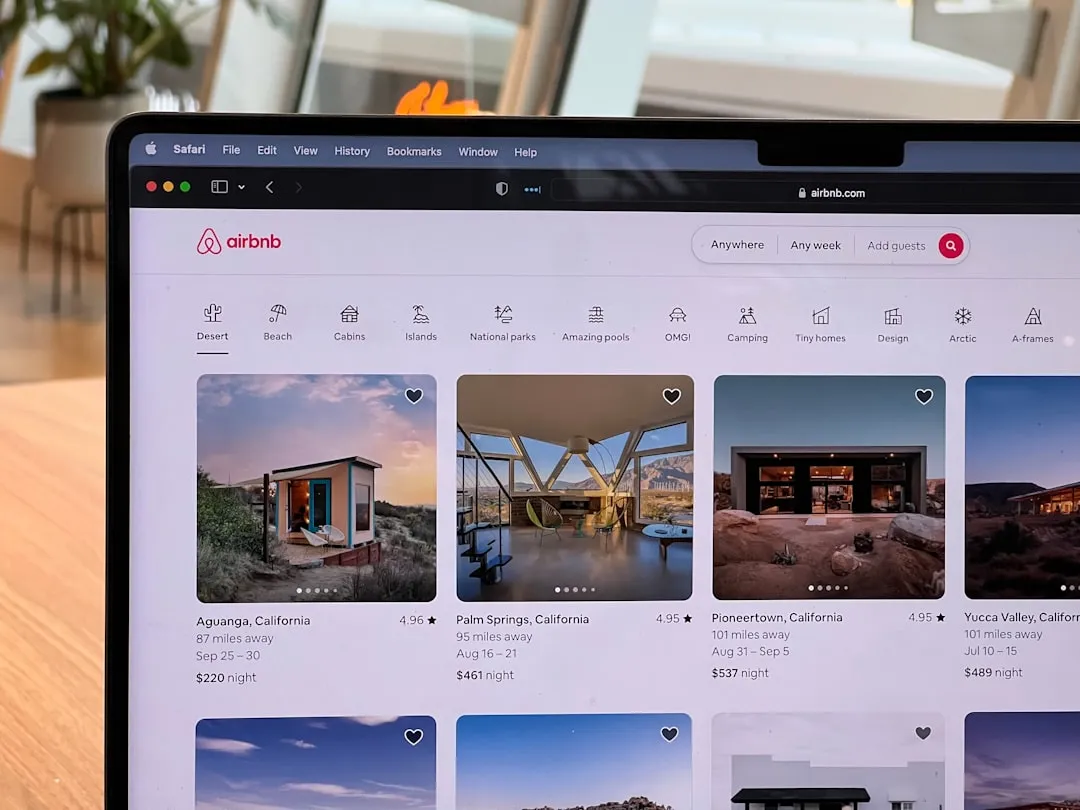
Nearly every major travel brand, from Airbnb to specialty resort operators, now wants to help guests get their hands dirty in forest-to-fork or dock-to-dish experiences. The language of the industry has shifted noticeably. It isn’t just “culinary tourism” anymore. It’s “find-dining,” a term that captures the hands-on, place-specific spirit of what foraging travel actually involves.
The Experiential Travel Boom Behind It All
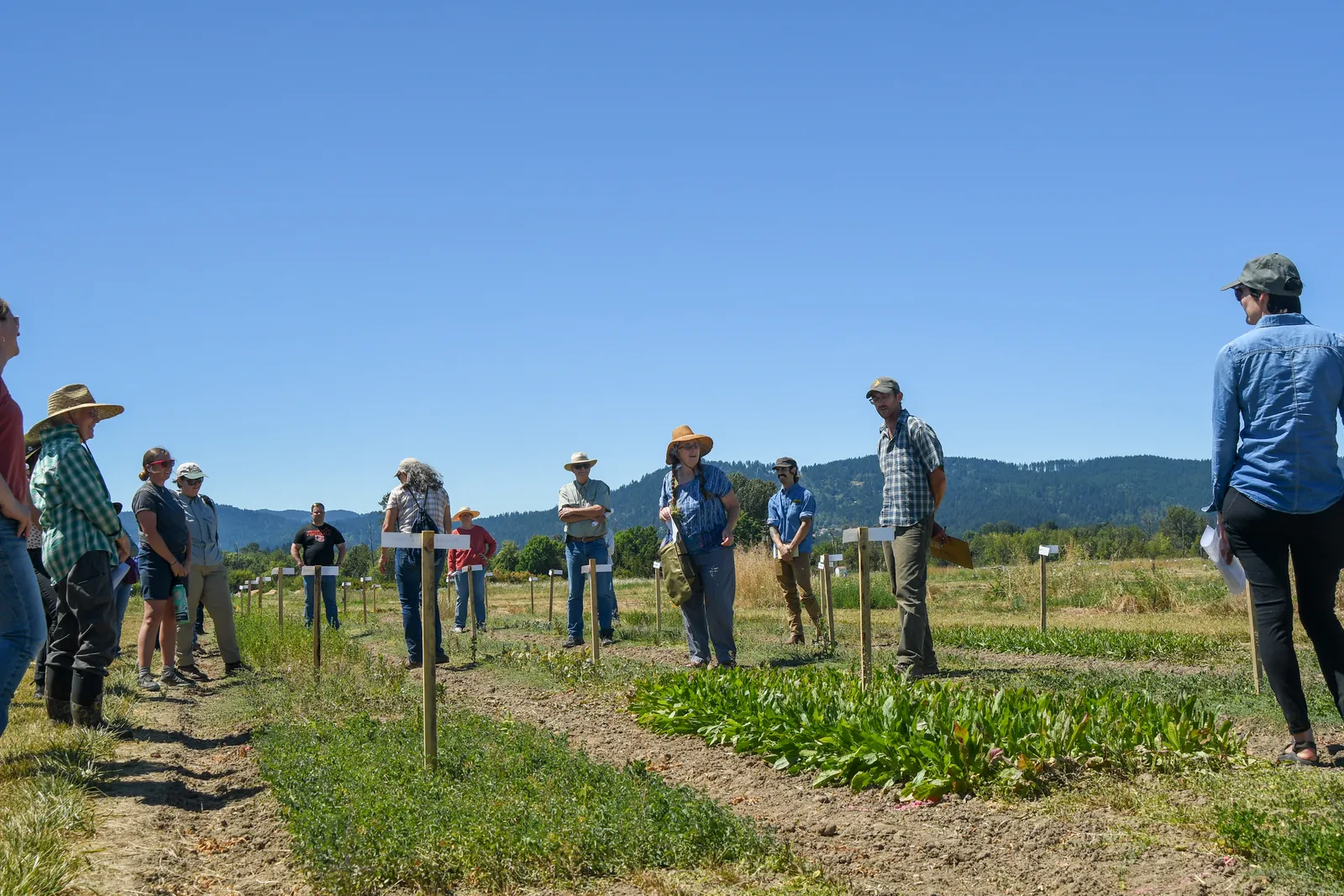
In 2024, the global experiences sector grew by roughly seventeen percent, while the rest of the travel industry recorded only six percent growth, and bookings reached two hundred fifty-three billion dollars, returning to pre-pandemic highs. Foraging sits comfortably inside this larger movement, offering the kind of tactile, irreplaceable engagement that no poolside lounger can replicate.
Today’s travelers show increasing signs that they don’t want to visit a destination simply to sit by a pool or a beach, with Phocuswright research noting that relaxing vacations now include purposeful quantities of tours, activities, and attractions that genuinely enhance the itinerary. Foraging tours deliver exactly that, combining slow movement, local knowledge, and a direct relationship with place.
What Booking Data Actually Reveals
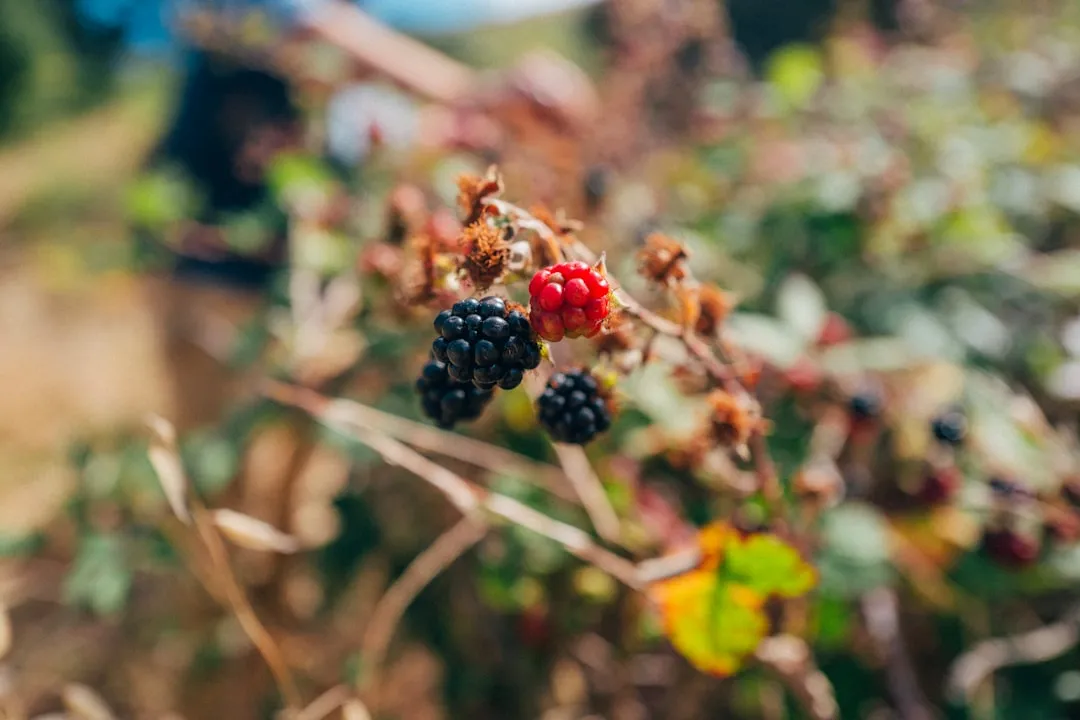
According to Booking.com’s 2026 travel predictions, nearly half of travelers say they would vacation specifically to feel closer to the natural world, and an impressive sixty-nine percent said they would stay at a hotel where foraging in local nature and wilderness hotspots was part of the experience. That number is striking because it reflects genuine intent rather than aspirational sentiment.
From insect spotting and birdwatching to fishing and foraging, travelers are increasingly drawn to pastimes that invite a deeper connection with outdoor spaces, particularly as more people seek to swap the noise of daily life for the soothing stillness of nature. Foraging, which requires real attention and slow observation, fits that need almost perfectly.
Sustainability Is a Quiet Driving Force
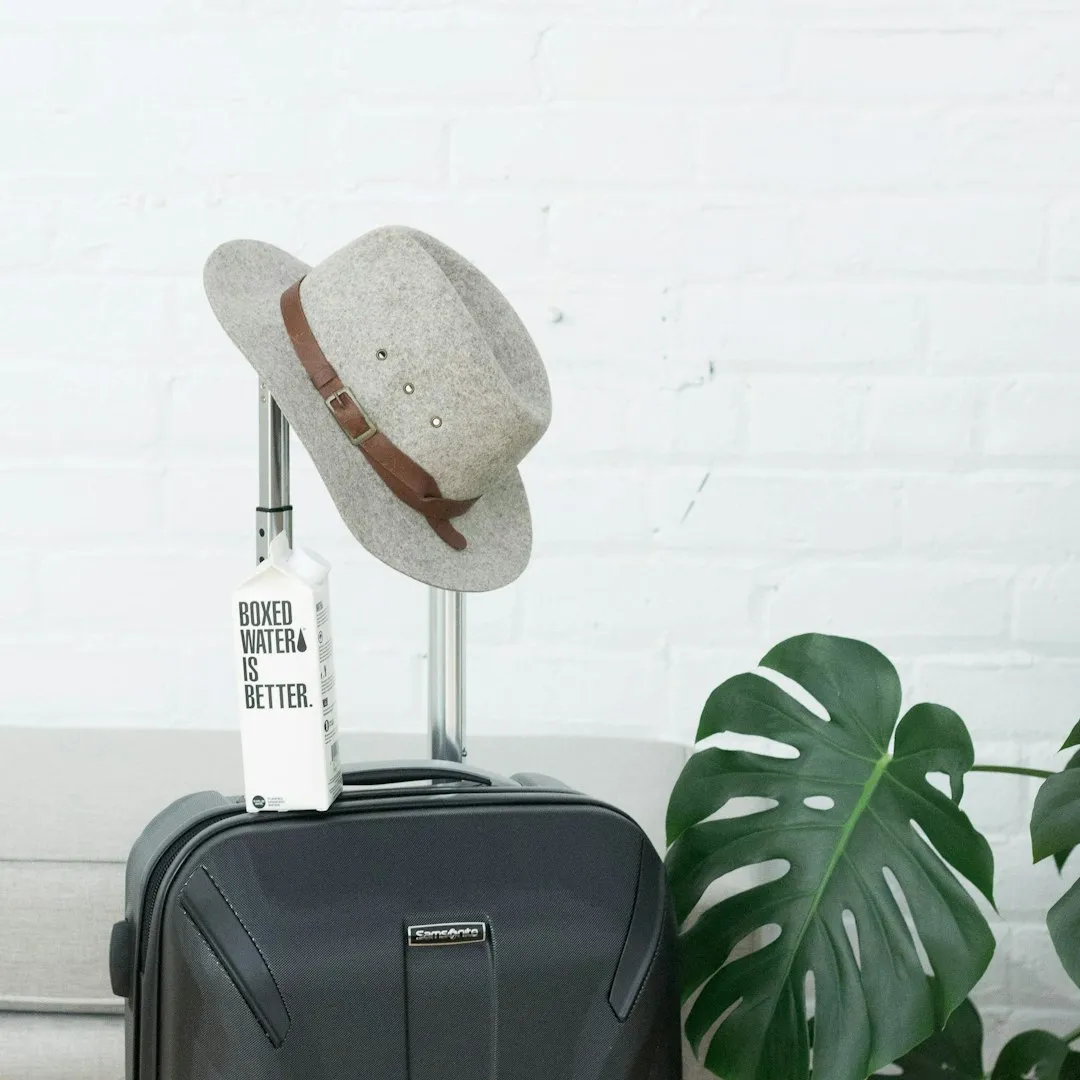
A significant eighty-four percent of global travelers say that traveling more sustainably is important to them, and three quarters of travelers in 2024 stated they planned to travel more sustainably over the coming year. Foraging trips align naturally with that ethic, since they involve no extraction industry, generate minimal environmental footprint, and tend to center local ecology.
The global ecotourism market, already valued at nearly two hundred forty-seven billion dollars, is expected to approach five hundred billion dollars by 2029. Foraging experiences fit cleanly within that expanding category, appealing to travelers who want their adventures to leave a light mark on the landscape they’ve come to appreciate.
The Wellness Dimension No One Anticipated
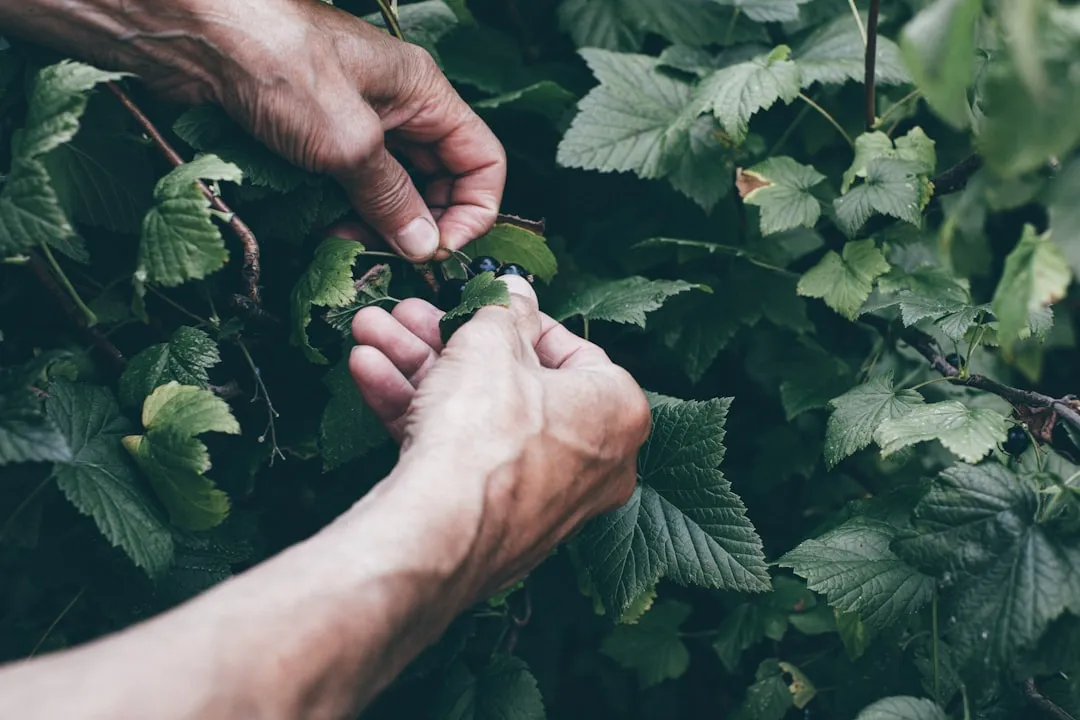
Travelers are increasingly seeking nature-centric experiences, with research showing that a deeper connection to the natural world, often described through the concept of biophilia, lowers blood pressure, boosts immune function, and reduces stress hormones. Foraging delivers that exposure in a particularly embodied way: you’re not walking past nature, you’re actually reading it.
The pursuit of longevity and a deep reconnection with nature became central themes in 2024’s wellness travel landscape, with travelers seeking destinations that offer nature-based wellness experiences. A morning spent walking through coastal grassland or old-growth forest, learning to identify plants from a local expert, offers something that a spa treatment simply can’t manufacture.
Where the World’s Best Foraging Trips Are Taking Travelers
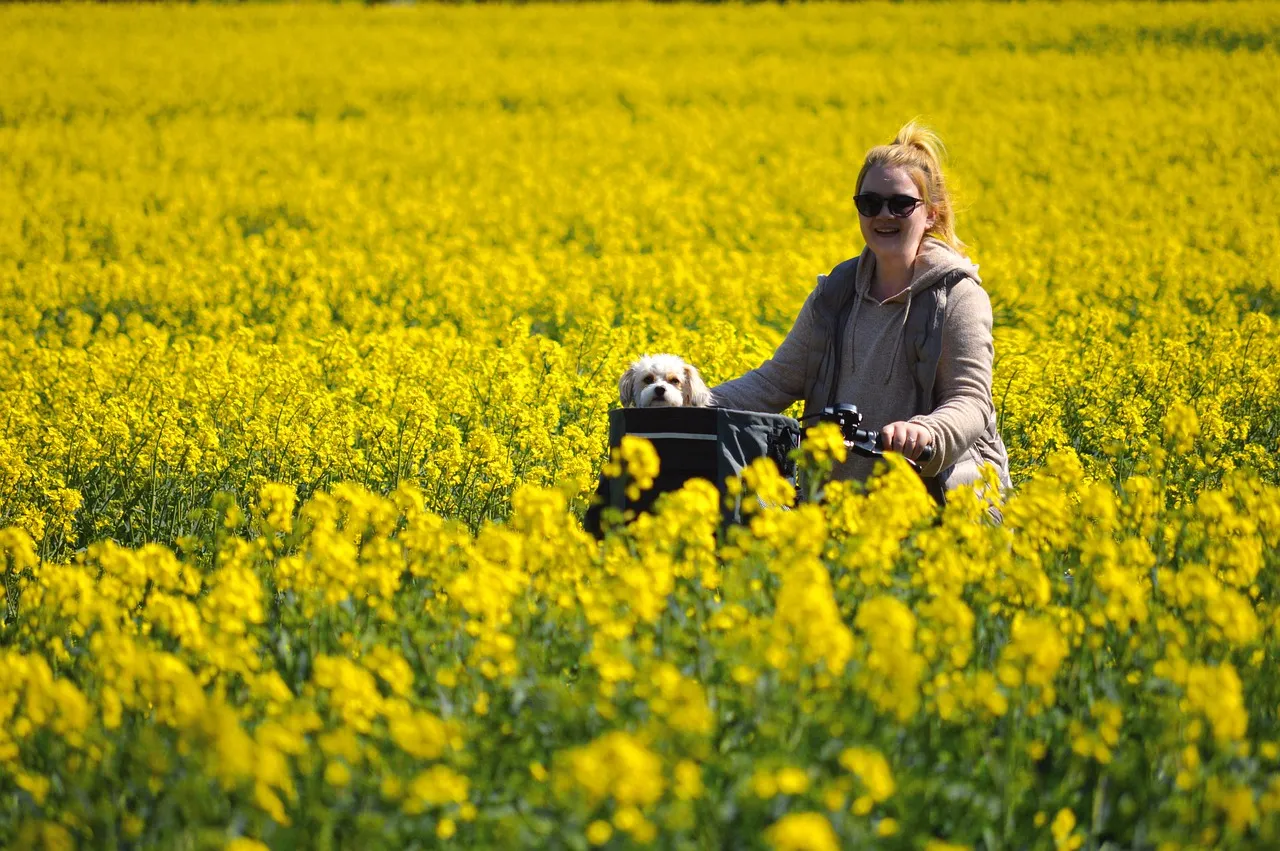
Food-focused trips now go well beyond dining out, with foraging tours in the Pacific Northwest, wine blending workshops in Sonoma, and market-to-table cooking classes in Thailand all gathering real momentum among experience-hungry travelers. Coastal Ireland has also emerged as a foraging destination, particularly around seaweed harvesting, where participants learn traditional uses that span centuries.
Properties like Conrad Algarve in Portugal have made farm-to-fork foraging experiences a year-round offering, weaving local ecology into a guest’s stay regardless of season. Scandinavia continues to draw dedicated foragers, particularly for mushroom and wild herb seasons in late summer, when forests turn briefly abundant and guides lead small groups through landscapes that feel genuinely unchanged.
The Role of Chefs and Fine Dining in Popularizing the Practice
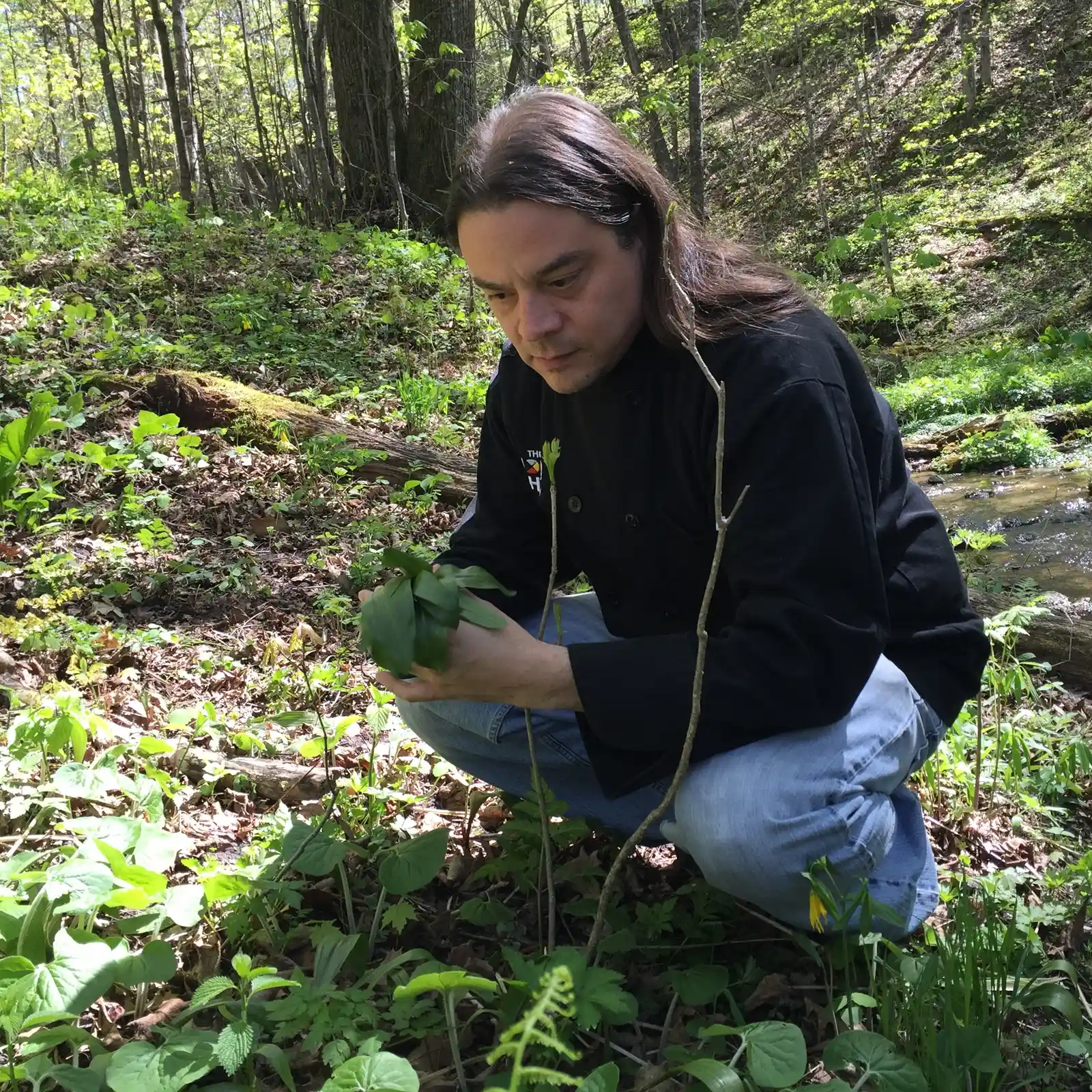
Much of the modern foraging movement in travel is credited to chefs like René Redzepi of Noma, the Michelin-starred Copenhagen restaurant that has repeatedly topped global “Best Restaurant” rankings. Noma’s insistence on hyper-local, foraged ingredients made wild food glamorous to a generation of food-conscious travelers who had previously associated foraging with survival guides rather than gastronomy.
Foraging in travel has moved well beyond simply reserving a table at a restaurant with an adventurous chef, with foraging tours and excursions now appearing in destinations across many regions. The shift is meaningful: guests aren’t arriving to eat what someone foraged. They’re going out themselves, basket in hand, guided by a local expert who knows exactly what the land offers that week.
How Travel Brands Are Responding
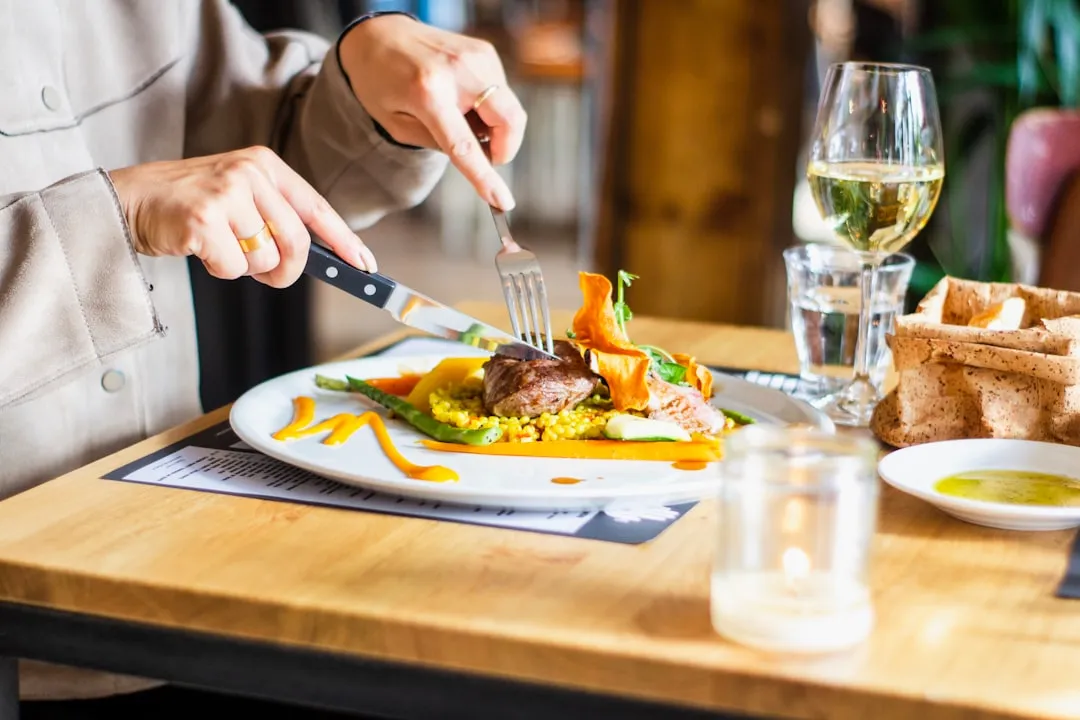
Nearly every major travel brand, from Airbnb to specialty resort operators, is developing immersive culinary experiences for guests, with offerings like Brendan Vacations’ Deluxe Seaweed Experience among the increasingly popular hands-on options. These aren’t token add-ons. They’re being built into the core identity of the trips themselves.
The global experiences sector grew to two hundred seventy-one billion dollars in 2025, up from pre-pandemic levels, and is on track to reach three hundred forty-two billion dollars by 2029. Operators who understand that trajectory are investing in foraging-led programming not as novelty but as a sustainable core product with growing and repeat demand.
Who Is Actually Booking These Trips
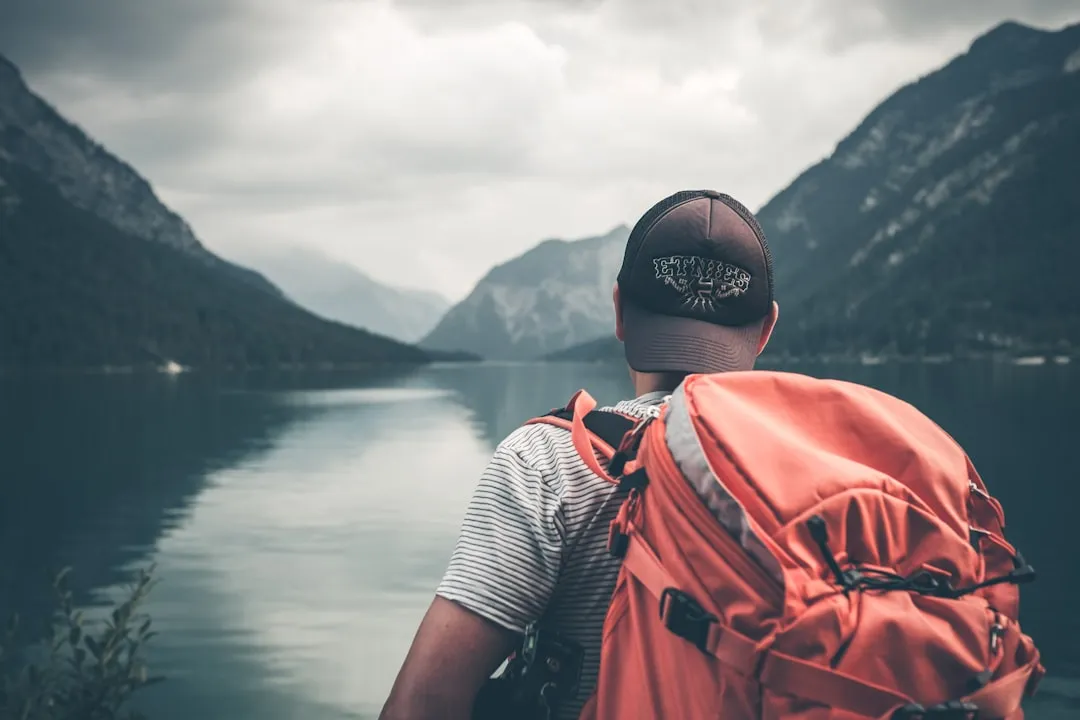
The demand for adventure and nature-based tourism among travelers aged twenty-five to forty is expected to grow at roughly twenty percent annually through 2033, reflecting a meaningful shift in travel preferences among younger millennials and older Gen Z travelers. These are people who grew up with farmer’s markets and ingredient-forward cooking, and who see food sourcing as a natural extension of cultural curiosity.
There is a growing focus on personal growth and meaningful experiences across travel demographics, with trips increasingly becoming about self-discovery and deep connections rather than passive sightseeing. Foraging appeals across that spectrum precisely because it’s both intellectually engaging and physically grounding, requiring presence in the most literal sense.
The Skills Travelers Take Home
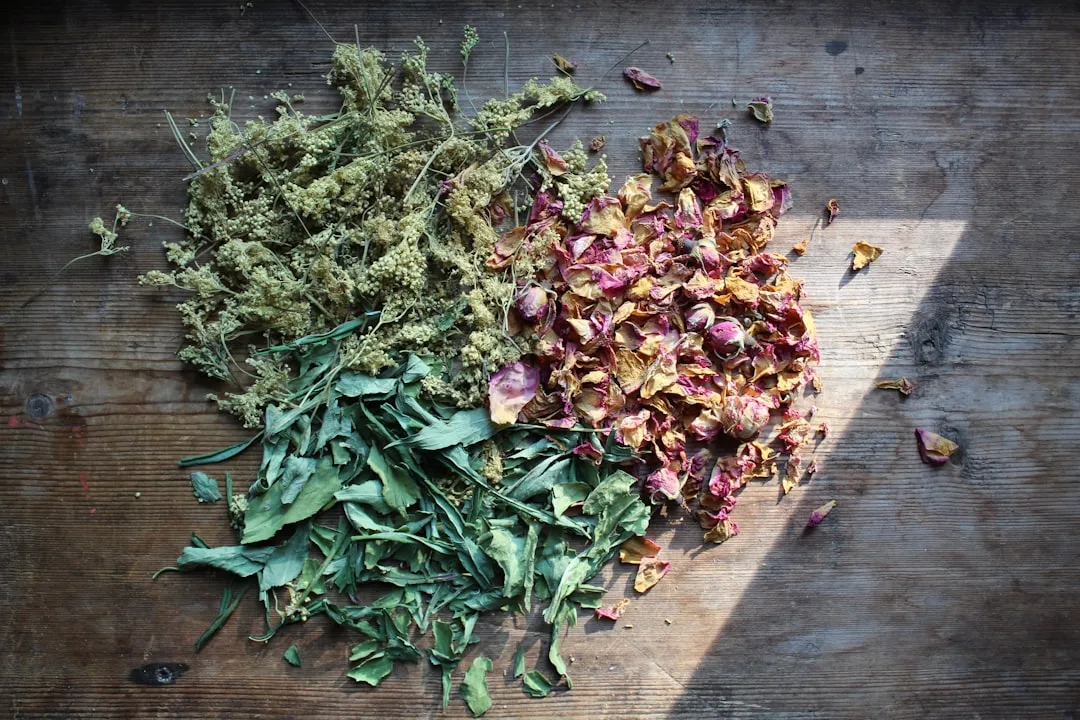
Experiential travel flips the traditional vacation script entirely: instead of checking off landmarks, travelers end up cooking pasta with a local expert, learning to surf, or foraging for ingredients before preparing dinner as a group, with the focus shifting from seeing to doing and from observing to participating. That shift is exactly what makes foraging trips stick in memory long after the trip ends.
Unlike a restaurant meal, the skills from a well-led foraging experience actually follow you home. Knowing how to identify coastal herbs, harvest responsibly, or distinguish edible fungi from lookalikes is knowledge that lives in the body. Foraging in travel is described as a fresh way to connect with a destination: wonderfully tactile and a reminder of the wonders that nature quietly holds.
The Takeaway
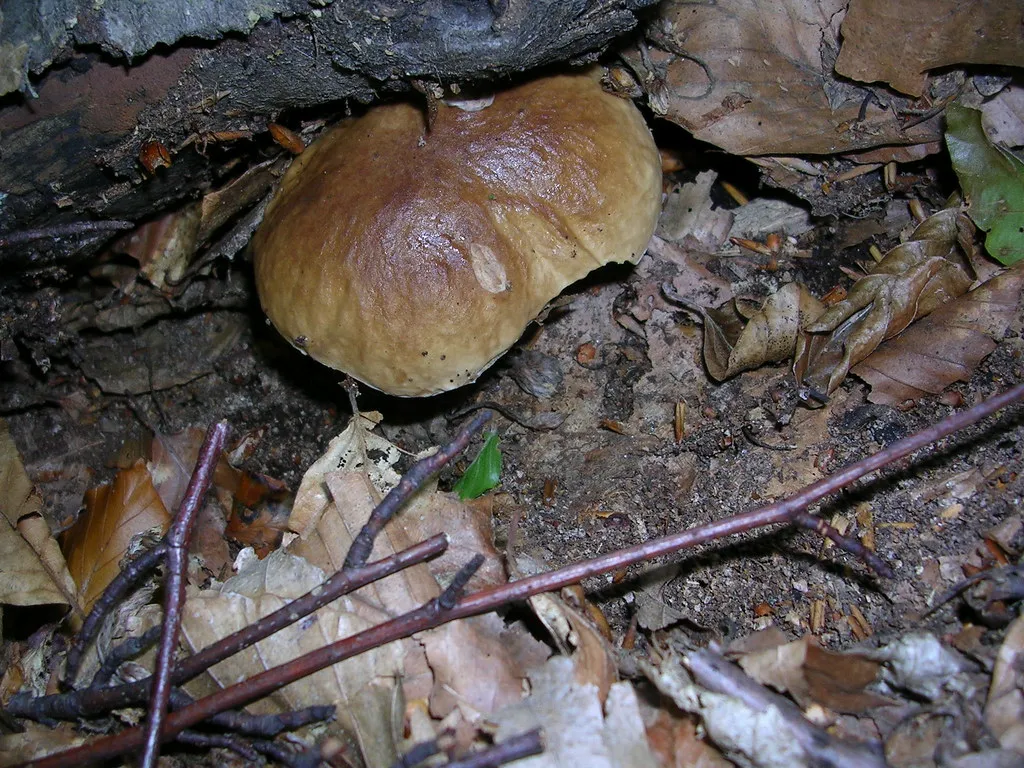
Foraging travel isn’t really about mushrooms or seaweed. It’s about a generation of travelers who’ve grown weary of passive consumption and want to actually understand the places they visit, starting with the ground beneath their feet. With nearly half of today’s travelers saying they would vacation specifically to feel closer to the natural world, foraging trips offer something genuinely rare: a vacation that teaches you something you can’t Google.
The numbers confirm the direction, but the real story is simpler. People are hungry, in every sense, for experiences that feel real. Foraging delivers that with quiet reliability, and the travel industry, to its credit, is paying attention.
AI Disclaimer: This article was created with the assistance of AI tools and reviewed by a human editor.