
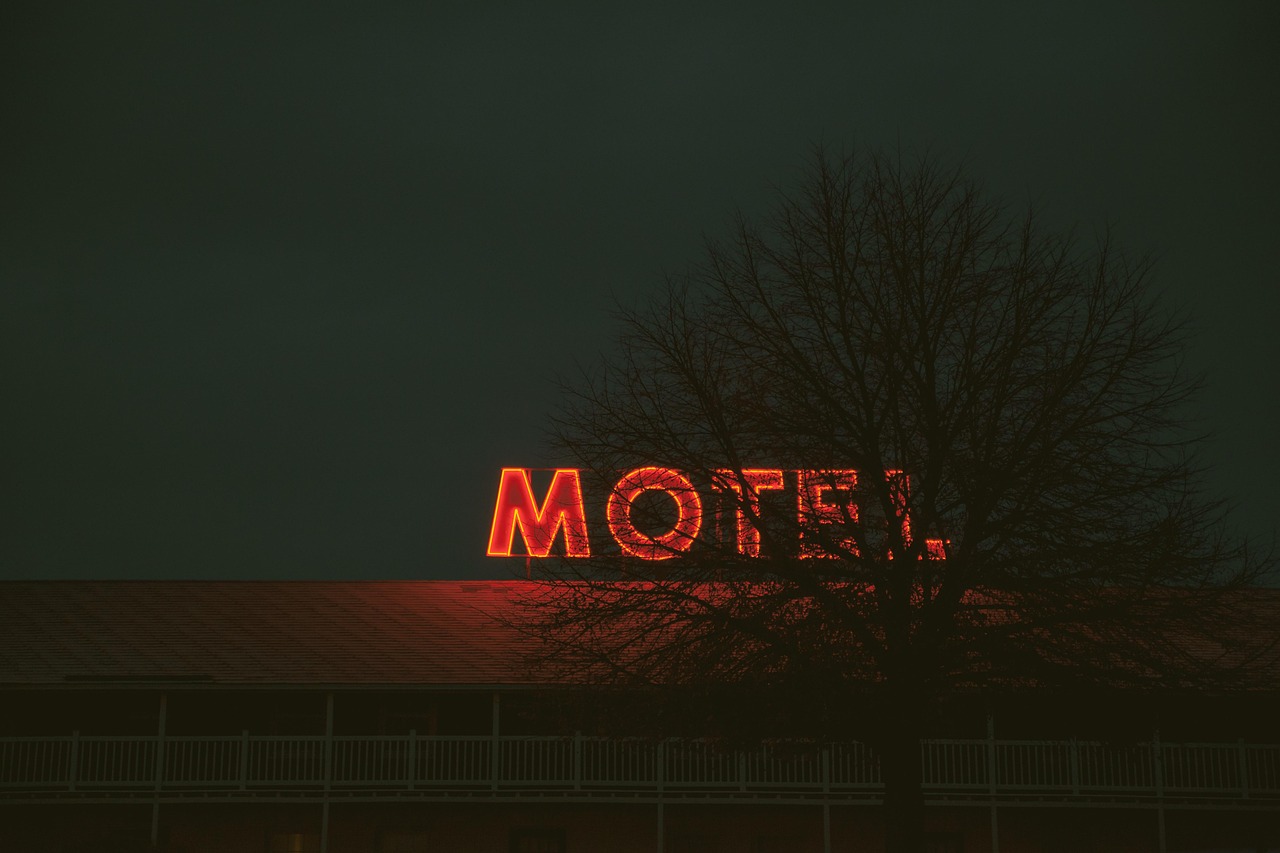

Something is shifting quietly but unmistakably in how Americans choose to sleep on the road. The gleaming Airbnb with its white-washed walls and carefully curated houseplant has started to lose its grip on the traveler’s imagination. In its place, the neon glow of a roadside motel sign is doing something it hasn’t done in decades: it’s drawing people in.
This is not a fringe movement. It’s a documented, data-backed recalibration of what travelers actually want from a place to stay. The story involves frustration with hidden fees, a deep cultural hunger for authenticity, and a growing appreciation for the kind of human warmth that no algorithm can manufacture.
The Fee Fatigue Is Real and It’s Driving People Away from Airbnb

The numbers on Airbnb fees have become genuinely hard to ignore. According to AirDNA, a short-term rental analytics firm, the average cleaning fee across major U.S. cities rose by nearly 68% between 2020 and 2024. That’s a staggering jump in just four years, and travelers have noticed.
In 2025, the average Airbnb cleaning fee in major U.S. cities exceeded $150 per stay, according to data from travel analytics firm Stay22. In tourist hotspots like Miami, Austin, and San Diego, cleaning fees ranging from $175 to $300 were common, even for stays as short as two nights. These fees are typically flat-rate, meaning they don’t scale with the length of stay, making them disproportionately expensive for brief trips.
About 63% of respondents in a survey of over 2,000 U.S. travelers said they’ve avoided booking an Airbnb because of high cleaning costs or complicated checkout requirements. By comparison, a family-owned motel with a posted nightly rate tends to charge exactly what it says it will. That simplicity has become its own selling point.
The Pricing Transparency Gap and What the FTC Did About It
As the Airbnb platform has grown more complex, so have the complaints: surprise fees, misleading photos, last-minute cancellations, and stricter house rules are increasingly common. This growing frustration pushed regulators to act.
The Federal Trade Commission finalized its groundbreaking Junk Fees Rule, targeting deceptive pricing practices across industries, including short-term rentals. Announced on December 17, 2024, the rule mandates that businesses disclose the total price, inclusive of all mandatory fees, whenever prices are advertised.
In April 2025, Airbnb introduced a global update that displays the full price of a listing, including cleaning and other mandatory fees but before tax, by default at the start of a search. Previously, guests often discovered higher totals only at checkout. The damage to trust, though, had already accumulated over years. Many travelers had already started walking back toward simpler options, including the motel down the road with its honest two-digit nightly rate on the marquee.
The Retro Motel Revival Has Been Building for Years
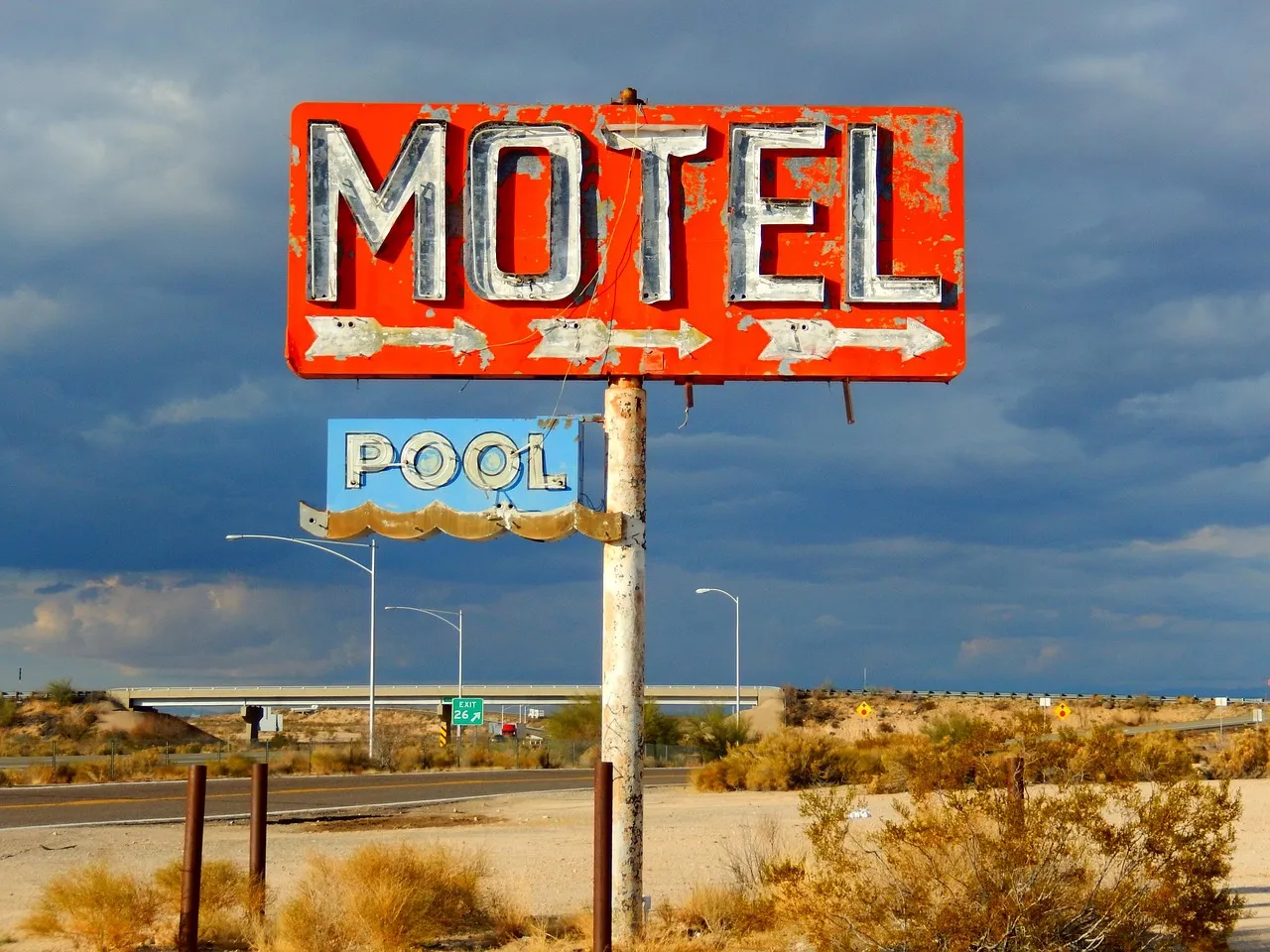
The comeback of roadside motels has been mounting for a couple of decades. With a boutique feel, these remade motor lodges gained momentum during an Instagram era, with nostalgic preset filters like “Gingham” a ready-made match for neon lights and Googie architecture. COVID-era road trips then made roadside motels popular places to stop, especially since travelers could avoid elevators and common areas.
Once icons of mid-century Americana, roadside motels have become appealing to younger generations for their vintage feel and the fact that they’re often more affordable, says tourism expert Dr. Missy Varao, director of the Business and Economics Department at Salve Regina University in Newport, Rhode Island.
Rather than settling for cookie-cutter, generic hotel rooms with no real sense of place, today’s tourists “increasingly look for places with a clear historical identity or branding.” And as one travel trends report noted, booking accommodation is “no longer just about finding somewhere to sleep for the night.” The retro motel, with its courtyard pool and hand-lettered welcome sign, fits that hunger precisely.
Nostalgia Is Now a Documented Travel Force
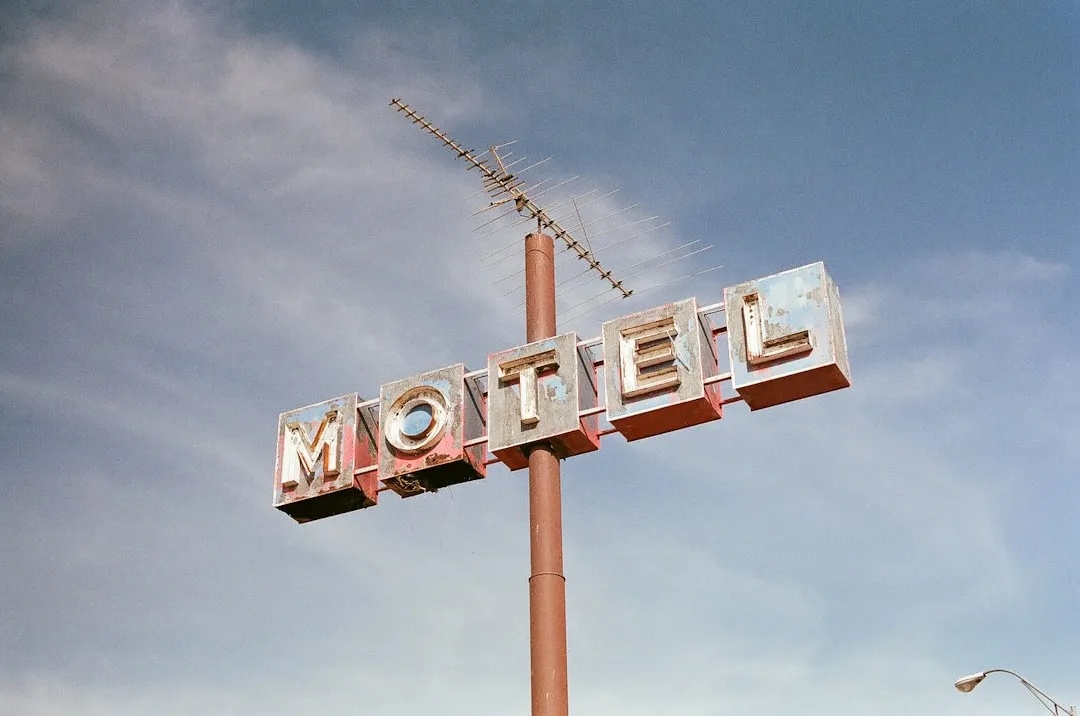
Travelers are returning to places that hold personal significance, such as childhood vacation spots or locations tied to important life events, driven by a sense of nostalgia. By reconnecting with these destinations, they seek to relive fond memories and strengthen personal connections.
There’s a growing interest in accommodations and attractions that capture the essence of past eras. From vintage-style hotels and train journeys to retro-themed events, travelers seek immersive experiences that transport them back in time. The family-owned motel sits squarely at the center of this cultural shift.
A growing sense of nostalgia and a desire to slow down are shaping how families travel in 2026. That desire to decelerate runs counter to everything a polished Airbnb listing represents: the curated grid photos, the house manual 40 pages long, the self-check-in lockbox. A motel owner who hands you a key and says “let me know if you need anything” can feel, in contrast, almost radical.
Route 66 and the Centennial Boom
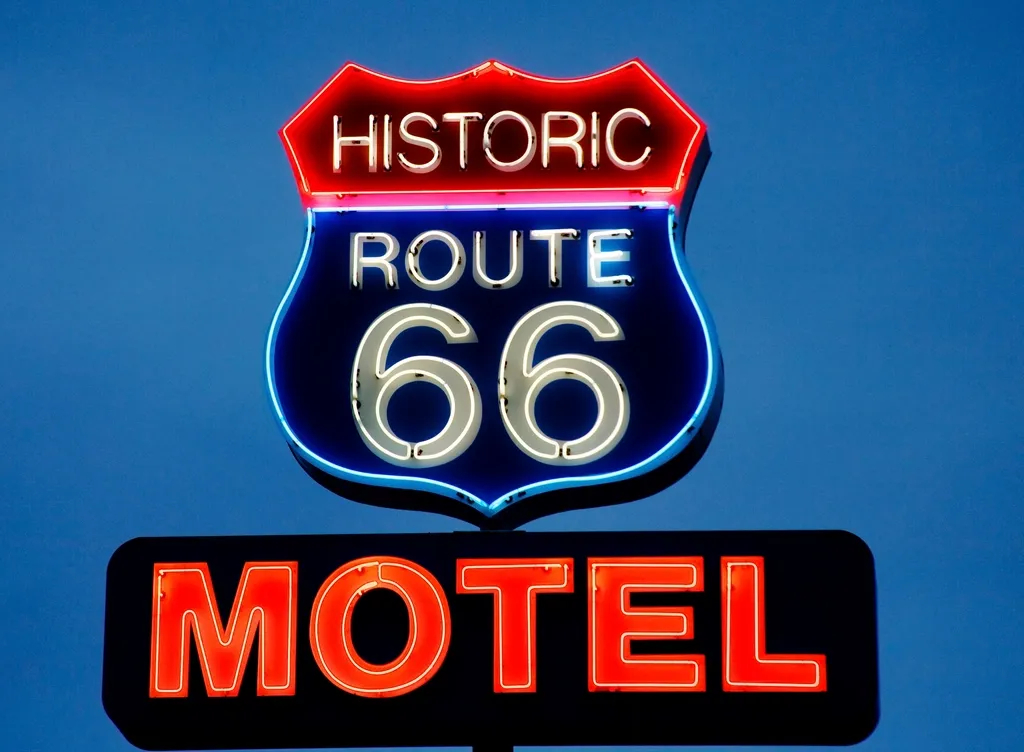
In 2026, Route 66 celebrates its 100th anniversary, and leading up to its centennial, there’s been a boom in renovated motels that pay homage to the folklore of the Mother Road. This milestone has created a concentrated wave of interest and investment in some of America’s most storied roadside properties.
Ahead of the 100th anniversary of Route 66, renovated roadside motels are Instagram-ready along the Mother Road, like The Mystic in Santa Fe, New Mexico, which has two time-capsule rooms with decor like a Roy Rogers lunchbox and vintage cowboy curtains curated by interior designer and co-owner Amanda Tucker.
Travelers can also retreat to Blue Swallow Inn, a meticulously restored historic Route 66 motor court inn known for its retro charm and iconic neon sign, in Tucumcari, New Mexico. El Rancho Hotel in Gallup, New Mexico, was once a hub for Hollywood stars like John Wayne and Katharine Hepburn filming Westerns in the area. These aren’t just places to sleep. They’re living pieces of American cultural history.
The Sustainability Argument Families and Gen Z Actually Care About
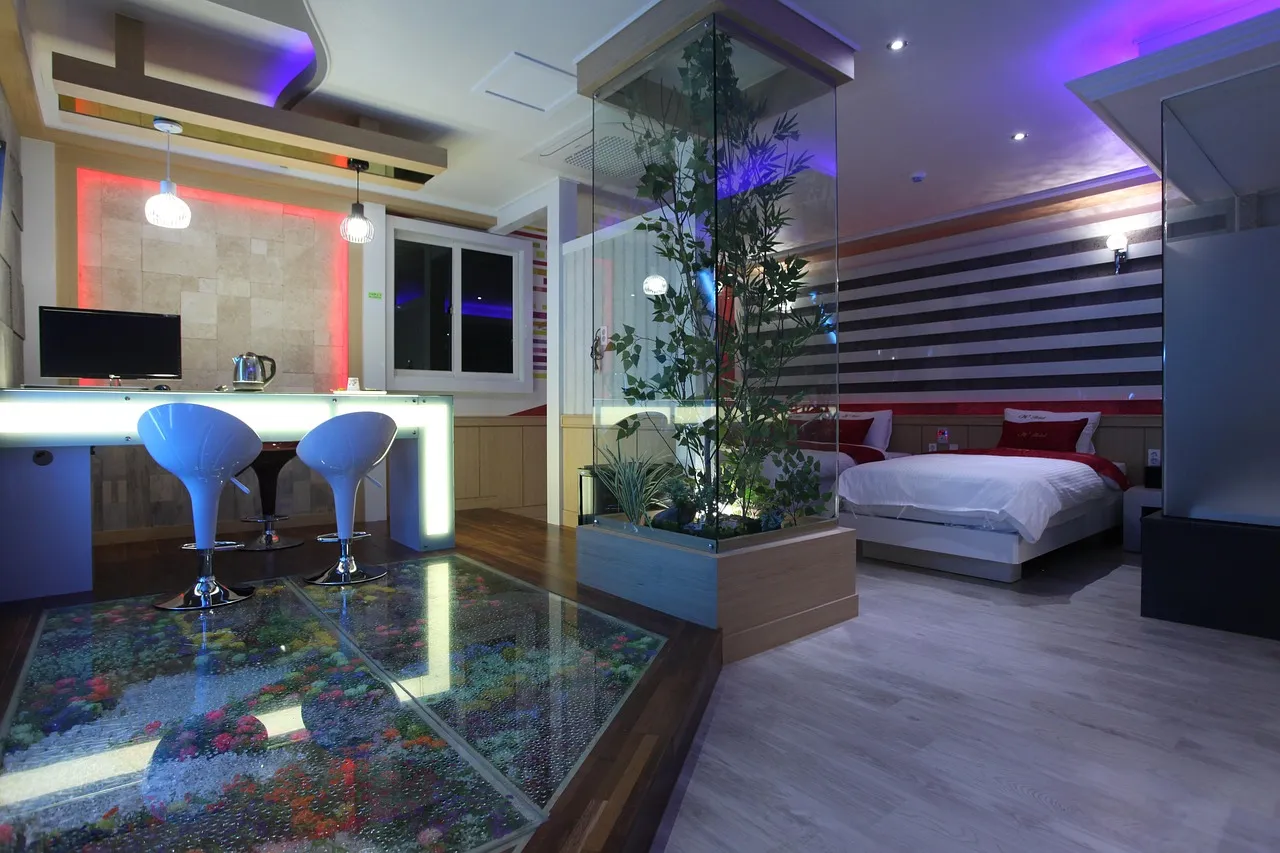
In addition to the neon lights and amenities like rattan swing chairs and courtyard pools with retro umbrellas, the renovated roadside motels resonate with Millennial and Gen Z travelers who value eco-friendly lodging. Making over existing roadside motels is also generally more sustainable than new builds due to reduced waste and materials.
A survey conducted by OnePoll, commissioned by Intrepid Travel, shows approximately 77% of travelers ages 18-29 consider sustainability when making travel choices. Choosing a restored 1960s motor lodge over a newly constructed luxury rental property, then, isn’t just an aesthetic preference. For many younger travelers, it’s a values-driven decision.
The renovated motel’s smaller footprint, its embedded history, and often its locally sourced character all serve a traveler increasingly thoughtful about where their money goes and what it supports. That’s a meaningful distinction from the largely anonymous short-term rental market.
What Today’s Renovated Motels Actually Offer Guests
In contrast to typical expectations of motels of the past, today’s revival means guests can expect attentive service once they’ve checked in, and sleep on proper beds. Now guests are also likely to find hipster bikes and yoga mats at their disposal, along with Bluetooth speakers, espresso machines, and quality toiletries.
The re-envisioned lodgings offer easy car-to-door access but also all the amenities of a boutique property, from local artwork to on-site fire pits. That combination of convenience and character is the sweet spot many travelers say they’ve been searching for.
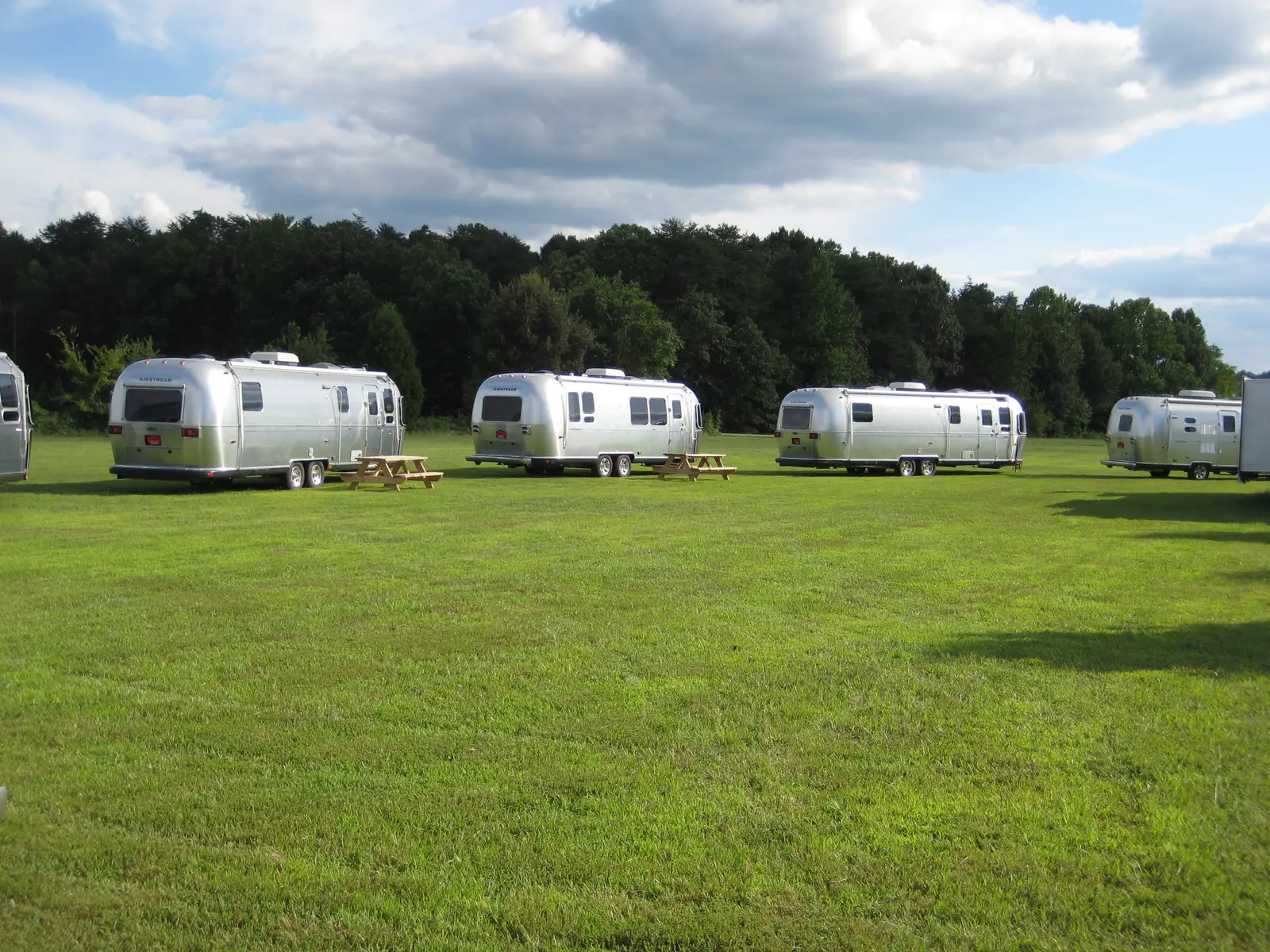
The Amigo Motor Lodge in Salida, Colorado, offers a blend of vintage charm and modern comfort, and features a unique “Airstream Experience” where guests can stay in renovated vintage Airstream trailers, each equipped with modern amenities while preserving the classic aluminum exterior. Across the country, owners are finding creative, genuine ways to honor a building’s history while making it genuinely comfortable for modern guests.
The Human Connection Hotels and Airbnbs Have Struggled to Replicate

There’s something that gets lost in both the algorithm and the corporate check-in desk: the sense that someone is genuinely glad you’re there. Family-owned motels, at their best, still carry that quality. The owner who recommends the diner two miles down the road, the one who leaves a handwritten note about the local hiking trail, offers something a property management company simply cannot.
As travelers weigh comfort, cost, and convenience, the choice between short-term rentals and hotels reflects more than just where to sleep. It reveals shifting priorities in how Americans experience travel. While most still prefer hotels for amenities, flexibility, and transparency, short-term rentals continue to appeal to those seeking space, privacy, and the opportunity to travel like a local.
Preferred Hotels and Resorts’ Luxury Travel Report for 2025 found that 62% of luxury travelers are noticing the “beige-ification” of luxury hotels, with a majority of Gen Z and Millennial survey participants noting that the same aesthetics, foods, and amenities aren’t cutting it anymore. The family motel is, in a very real sense, the antidote to beige.
The Road Trip Economy Is Back in a Significant Way
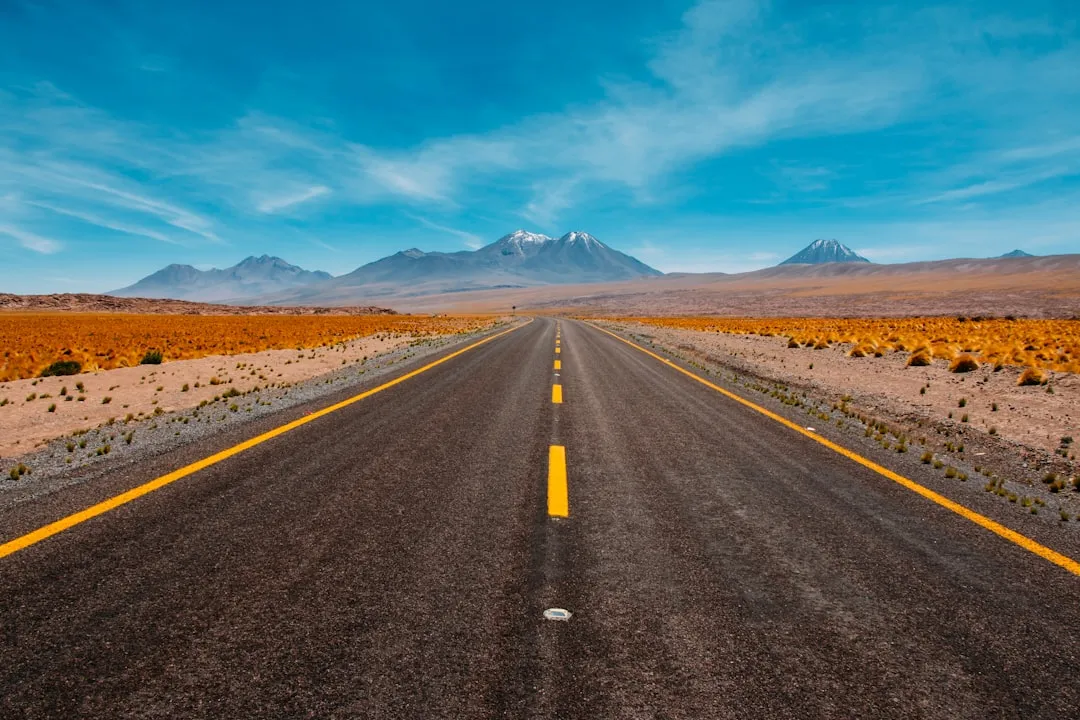
2025 was widely called the year of the road trip. A combination of economic and other factors made road trips even more popular with travelers, especially in the South, where multiple cities, towns, and even states can be seen in the span of a day’s drive.
Traveling by air can feel like a gamble, with frequent delays and overbooked flights. The cost of plane tickets can sometimes eat up an entire vacation budget, leaving little money to spend on anything else. With a road trip, travelers can keep costs lower and have more money to spend on experiences along the way.
Road trip culture and roadside motel culture are inseparable. You can’t fully have one without the other, and the renaissance of the American road trip has naturally carried the independent motel back into relevance. The courtyard pool, the ice machine down the hall, the diner next door: these are the textures of a slower, more human kind of travel.
The Airbnb Market Is Softening While Independent Properties Gain Ground
One comprehensive analysis pegs the average U.S. Airbnb occupancy rate at 56.2% in 2025. A more recent market snapshot from the spring of 2025 suggests the figure may have dipped to approximately 50%, a substantial drop from the 57% average reported in 2024. That occupancy softening reflects travelers becoming more selective, more price-conscious, and more willing to look elsewhere.
A 2024 survey found that more than half of Americans prefer hotels over home rentals like Airbnb. A separate survey from Upgraded Points revealed that 62% of travelers prefer hotels to short-term rentals like Airbnb or Vrbo, citing better amenities, fewer fees, and greater price transparency as key factors in their decision.
Cities from New York to Barcelona have tightened regulation of short-term rentals. New York’s Local Law 18, fully enforced from late 2023 into 2024, requires hosts to register with the city and bans most stays of fewer than 30 days in entire apartments unless the host is present. The result has been a dramatic drop in active Airbnb listings there, shifting demand to surrounding areas and hotels. That regulatory pressure has quietly redirected many travelers toward simpler, more stable options.
The Takeaway
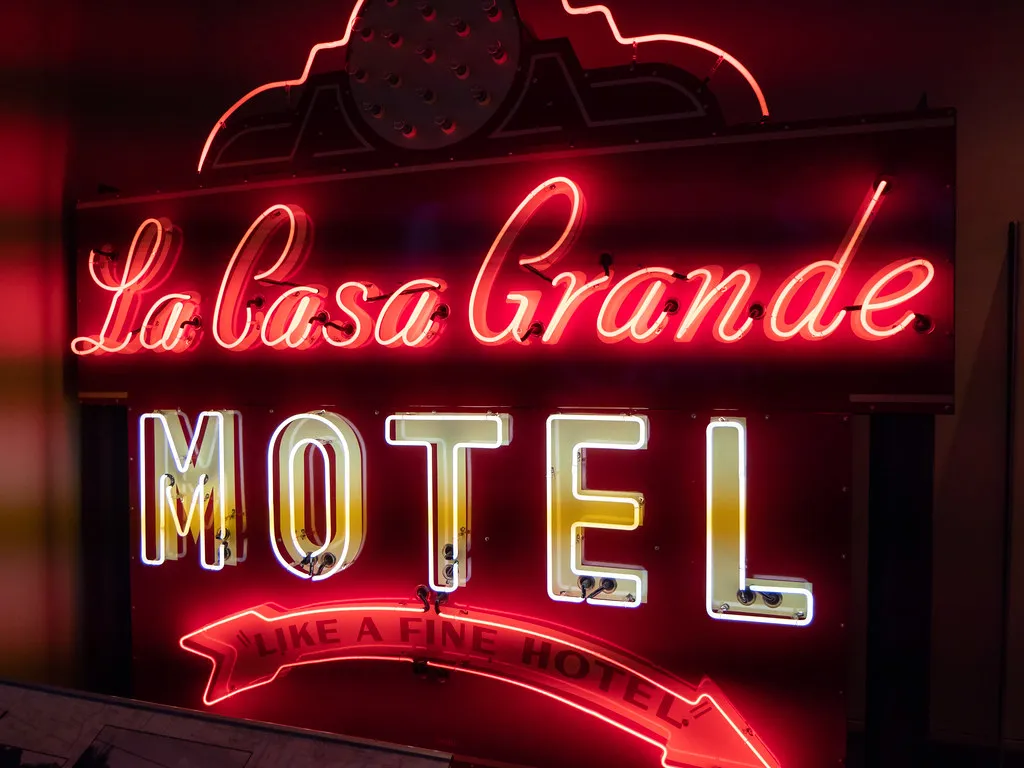
The retro motel revival isn’t simply a design trend or a nostalgic detour. It reflects something more durable: a reconsideration of what a stay should actually feel like. Travelers in 2026 are increasingly asking for honesty over performance, character over polish, and human warmth over contactless convenience.
The family-owned motel, with its courtyard where strangers briefly become neighbors and its owner who actually cares whether you had a good sleep, offers something that can’t be manufactured at scale. That, as much as any pricing comparison, is what’s bringing travelers back.
Sometimes the most meaningful place to rest is also the most unassuming one. The neon sign on the highway has been pointing toward that truth all along.
AI Disclaimer: This article was created with the assistance of AI tools and reviewed by a human editor.