
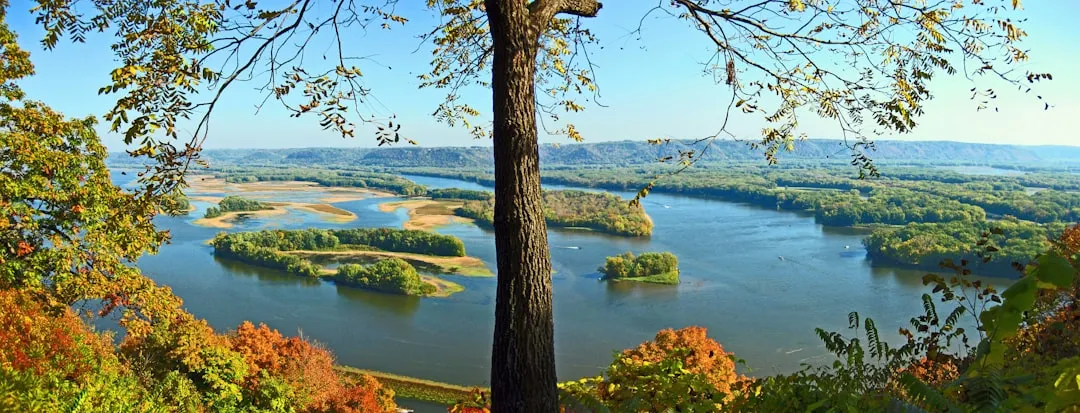

There’s a particular kind of quiet that settles over a river valley in late afternoon, when limestone bluffs catch the last of the light and a barge horn echoes somewhere downstream. It’s not the kind of scene most people associate with a bucket-list vacation. Yet more travelers are choosing exactly that, trading the open horizon of ocean cruising for the tighter, slower rhythm of America’s inland waterways.
The shift isn’t dramatic or sudden. It’s showing up in booking patterns, in new ship launches, and in the way small river towns from Minnesota to Missouri are quietly building out their welcome mats for visitors who used to fly straight past them on the way to somewhere else.
A Different Kind of Current
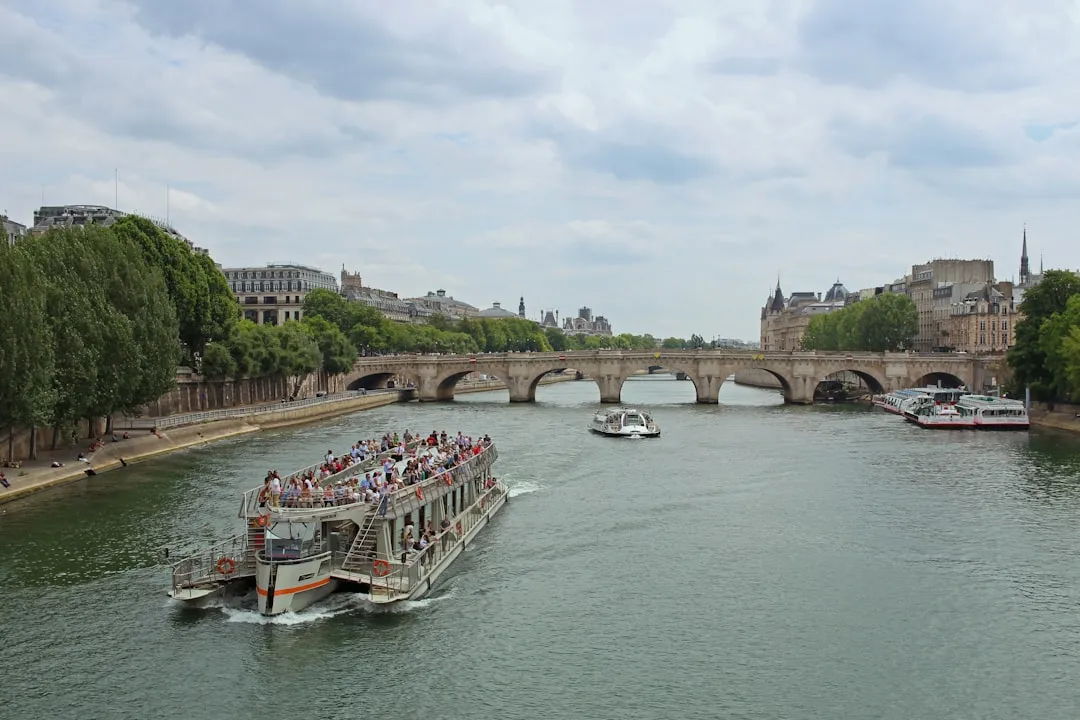
Ocean cruising remains enormous. Global cruise passenger volume reached a historic high of 37.2 million in 2025, according to the 2026 State of the Cruise Industry report released by Cruise Lines International Association (CLIA). That scale is part of the story here, actually, because bigger ships and busier ports have pushed a segment of travelers toward something with fewer crowds and more elbow room.
River cruising sits inside that same industry but moves at its own pace. It’s not trying to compete on size. It’s competing on intimacy, and on the Upper Mississippi, that means small vessels, quiet water, and towns you can actually walk across in twenty minutes.
The Numbers Behind A Quiet Shift
The data backs up what travel advisors have been noticing anecdotally. River cruising is on a strong growth trajectory, with North American market revenue projected to reach 27.56 billion dollars in 2025 and rise to 33.95 billion dollars by 2029, growing at a 5.36 percent compound annual rate.
The people booking these trips have changed too. The average river cruise passenger has gotten younger, dropping from 66 years old in 2019 to 55 by 2024. That’s still a mature traveler on average, but it points to a widening audience rather than a shrinking niche, one that increasingly includes people who might have picked an ocean itinerary a decade ago.
Where The River Turns Wild: The Driftless Area
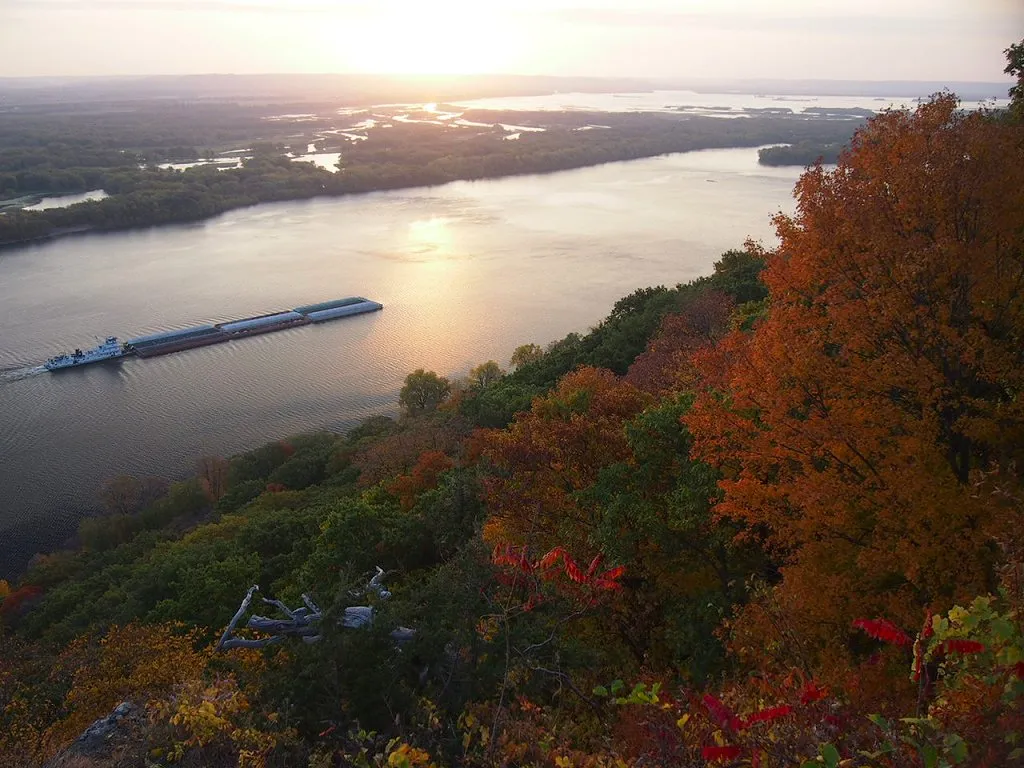
Ask anyone who has actually cruised this stretch what surprised them most, and the answer is usually the landscape itself. The Upper Mississippi cuts through the Driftless Area, a region that glaciers somehow skipped over, leaving behind steep wooded bluffs instead of the flat farmland most people picture when they think of the Midwest.
Those bluffs aren’t a minor backdrop. They rise 100 to 600 feet above the river valley, giving the corridor scenic beauty and productive fish and wildlife habitat that’s hard to match anywhere else in the heart of America. Sailing between them feels less like a Midwestern road trip and more like drifting through a canyon that happens to have cornfields on top.
Cruise Lines Charting The Upper River
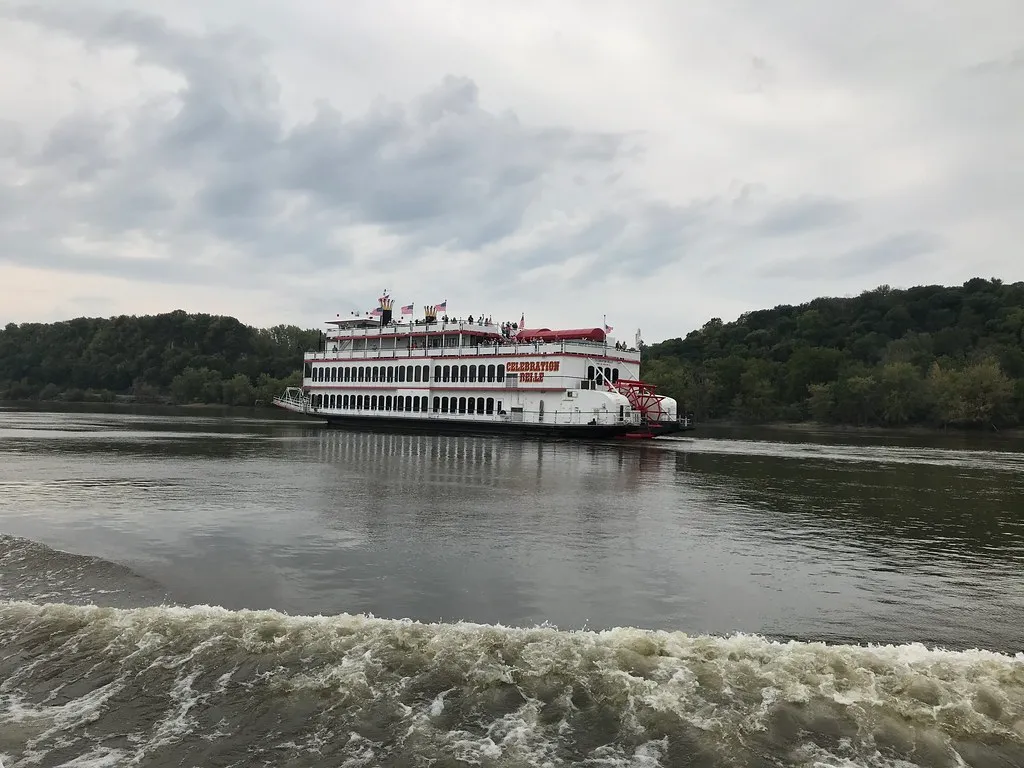
Two major operators have built real programs around this stretch of water. American Cruise Lines runs an eight night Upper Mississippi itinerary, and sailings are available on the 150 passenger paddlewheeler American Heritage as well as on three 180 guest riverboats, American Melody, American Serenade, and American Symphony, offered between June and early October in 2025, 2026, and 2027.
Viking entered this market more recently but with real commitment. Viking began its Mississippi River cruises in 2022 with the launch of the 386 passenger Viking Mississippi, a Scandinavian designed ship that remains the line’s only vessel on the river, with departures scheduled through 2027. Both companies now treat the Upper Mississippi not as a add-on but as a destination in its own right.
A Refuge Built For Wings And Water
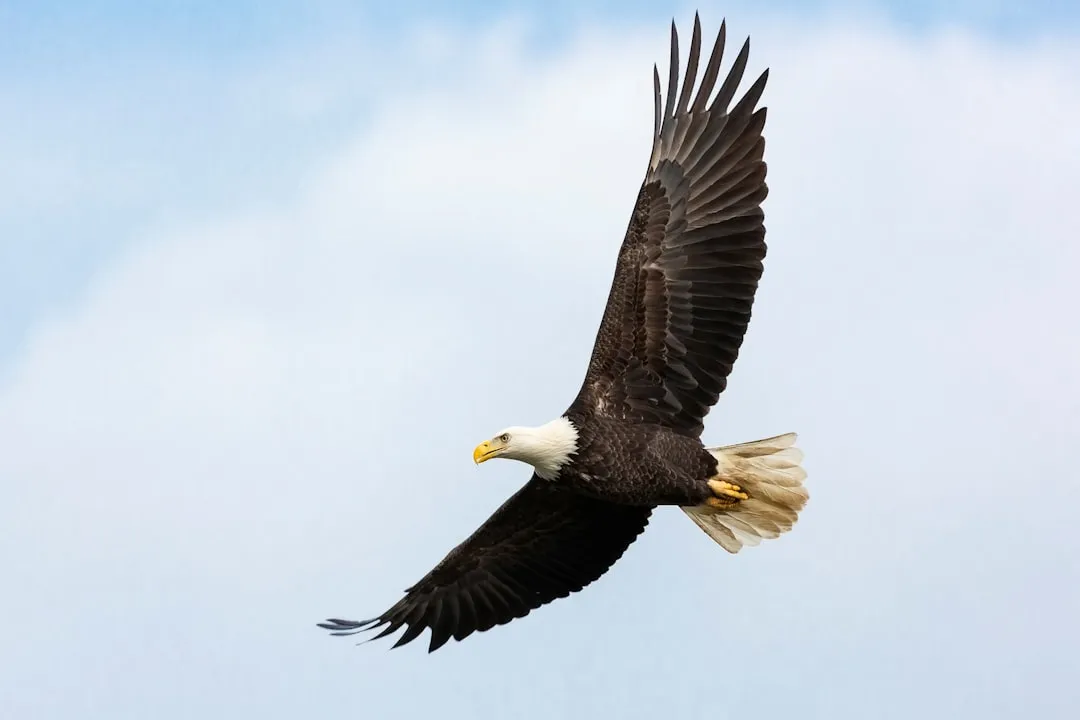
Much of what makes this stretch of river feel wild rather than industrial comes down to one remarkable piece of conservation history. Established in 1924 to be a refuge for fish, wildlife, and plants, and a breeding place for migratory birds, the Upper Mississippi River National Wildlife and Fish Refuge now covers more than 240,000 acres and extends roughly 261 miles across four states: Minnesota, Wisconsin, Illinois, and Iowa.
The scale of what lives there is genuinely striking. More than 290 species of birds migrate through the refuge every year, and about 40 percent of the nation’s waterfowl use the Mississippi River as a travel corridor during fall migration. The refuge also hosts more than 300 pairs of bald eagles, thanks in part to one of the largest remaining blocks of floodplain forest habitat left in the lower 48 states. It draws a substantial crowd of its own, too, with roughly 3.7 million visits recorded annually for hunting, fishing, and wildlife watching.
The Great River Road: America’s Original Scenic Byway
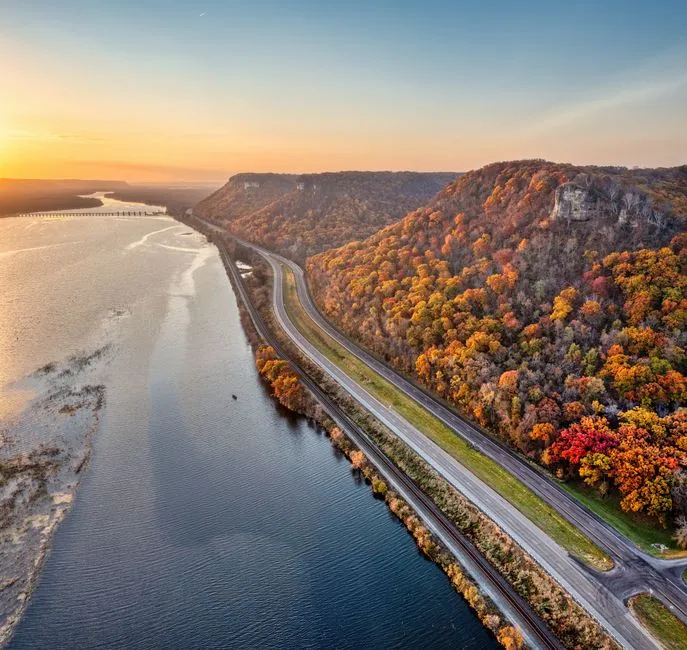
Not everyone wants to book a cabin. Plenty of travelers are experiencing the same stretch of river from behind a steering wheel, following what’s often called the country’s longest and oldest National Scenic Byway.
Minnesota’s portion alone spans 565 miles, passing through 43 communities, 20 counties, and three tribal nations. Cross into Wisconsin and the byway continues for another 250 miles through more than 33 historic river towns and villages. It’s slower travel than a cruise, but it opens up the same bluffs, the same eagle nests, and a lot more diner pie along the way.
Small Towns With Outsized Character
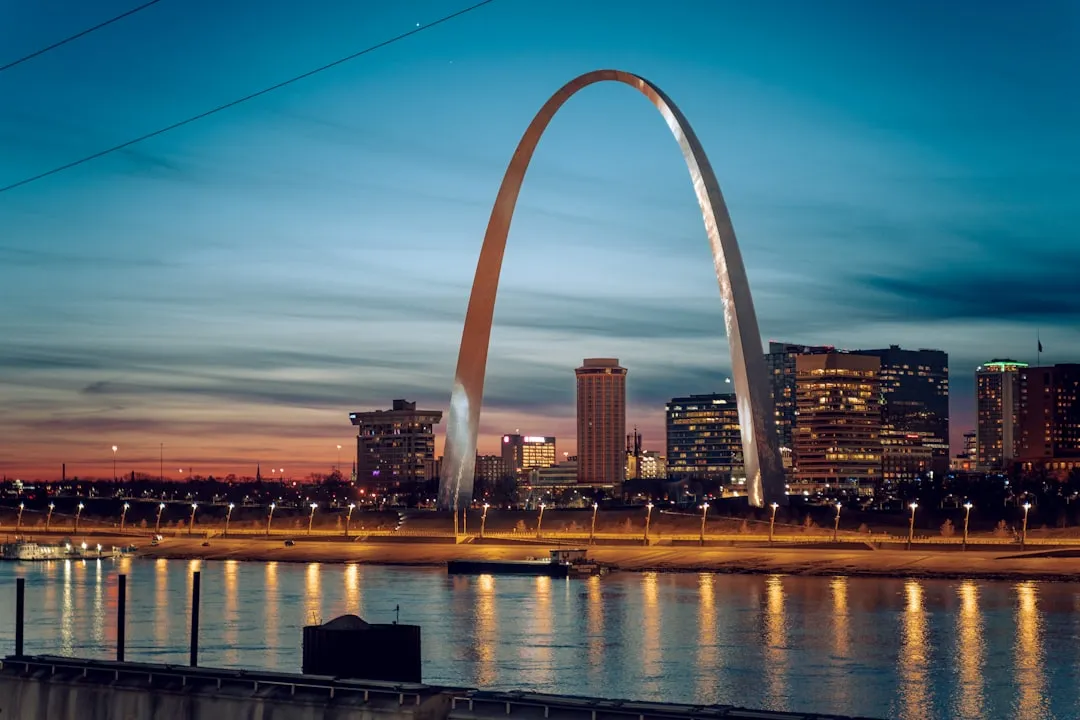
The itinerary stops are where the Upper Mississippi really earns its reputation. Hannibal, Missouri, trades on its most famous former resident, while Dubuque, Iowa, is known for colorful Victorian mansions perched above the water.
Winona, Minnesota, has quietly become an architecture pilgrimage site in its own right. The city boasts some of the state’s most architecturally significant buildings, many featuring the ornate stained glass for which it’s known. Further south, La Crosse, Wisconsin, offers sweeping views from Grandad’s Bluff, while St. Louis anchors the southern end of the itinerary with Eero Saarinen’s Gateway Arch rising over the riverfront.
Locks And Dams: The River’s Working Rhythm
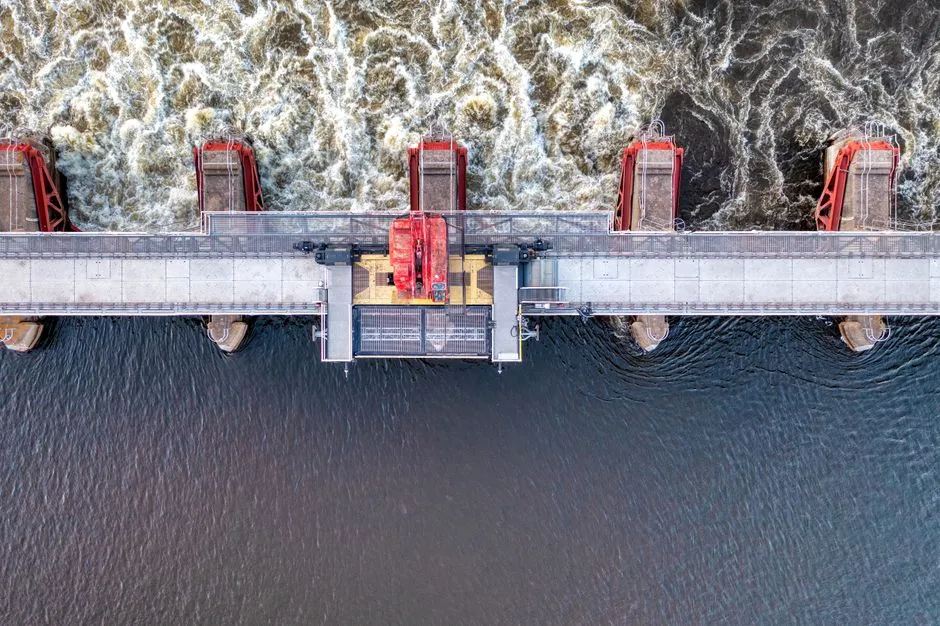
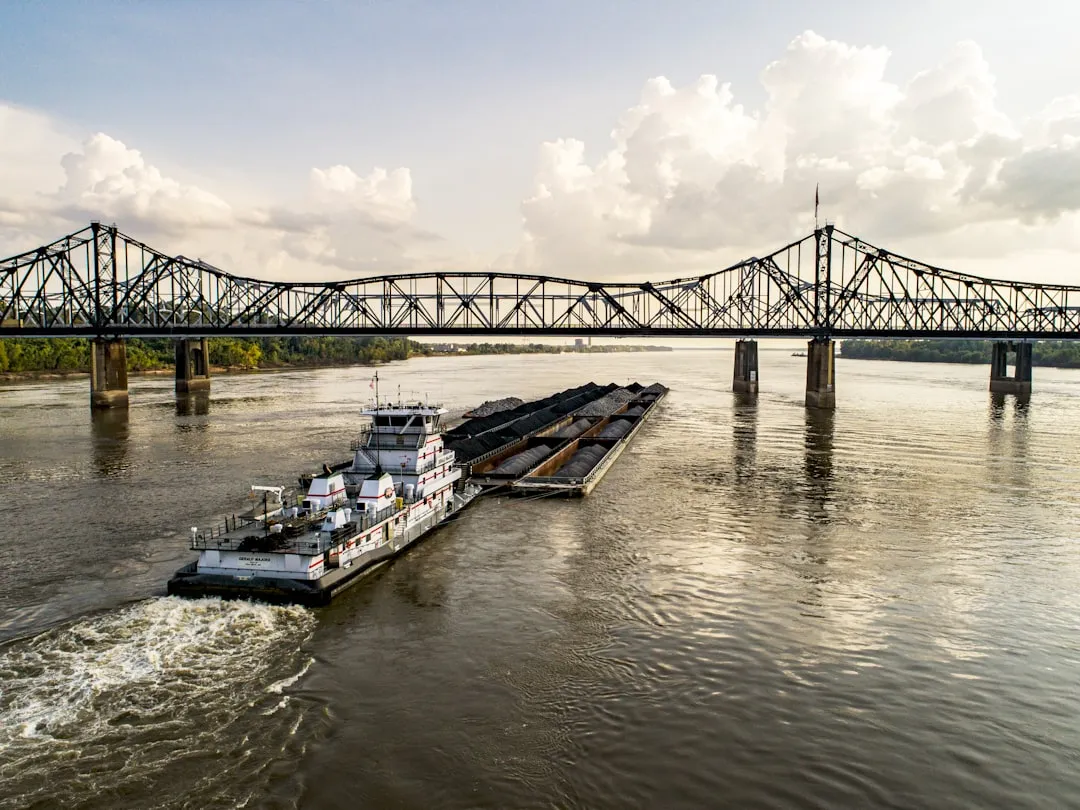
One thing that separates a Mississippi cruise from an ocean sailing is watching the river actually work. The Mississippi is bisected by a series of 29 locks and dams managed by the U.S. Army Corps of Engineers, which maintain a nine foot deep channel for commercial navigation.
Passing through one of these structures is oddly mesmerizing. Water levels rise or fall around the vessel in a matter of minutes, barges wait their turn nearby, and for a few moments the whole trip feels less like tourism and more like a glimpse into how the river actually functions as a working waterway.
Local Paddlewheelers Keep Tradition Afloat
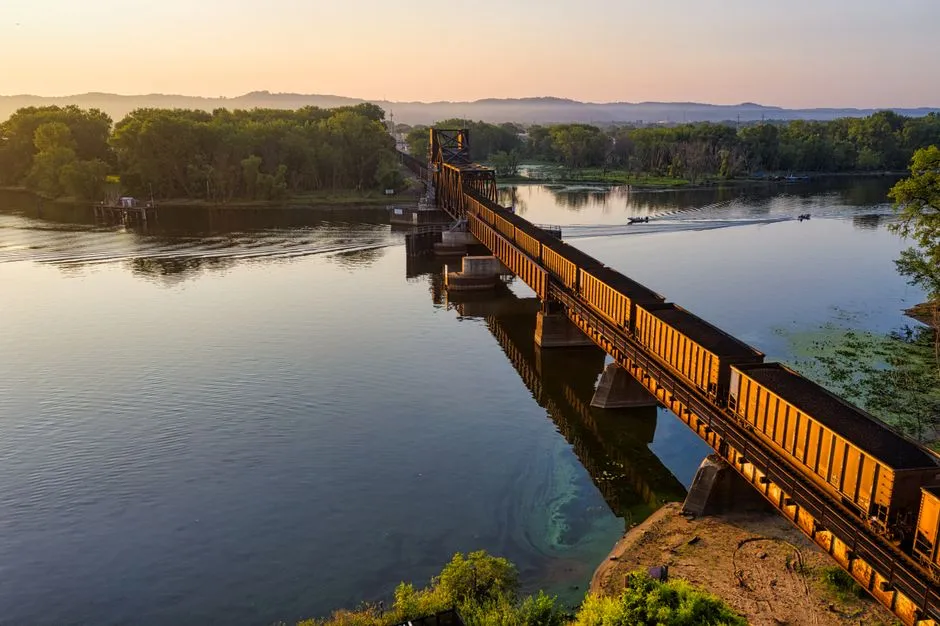
Multi day cruises aren’t the only way to get on the water. Smaller operators, like the La Crosse Queen in Wisconsin, offer shorter excursions that put visitors closer to the river’s daily rhythms.
The La Crosse Queen is a modern day replica of the grand riverboats that plied the Mississippi in the early 1900s, and it remains one of the few authentic paddlewheel riverboats still operating in the United States today. Passengers on these shorter trips often report the same wildlife sightings as their week long counterparts, simply compressed into an afternoon rather than spread across several days.
When To Go: Reading The River’s Seasons
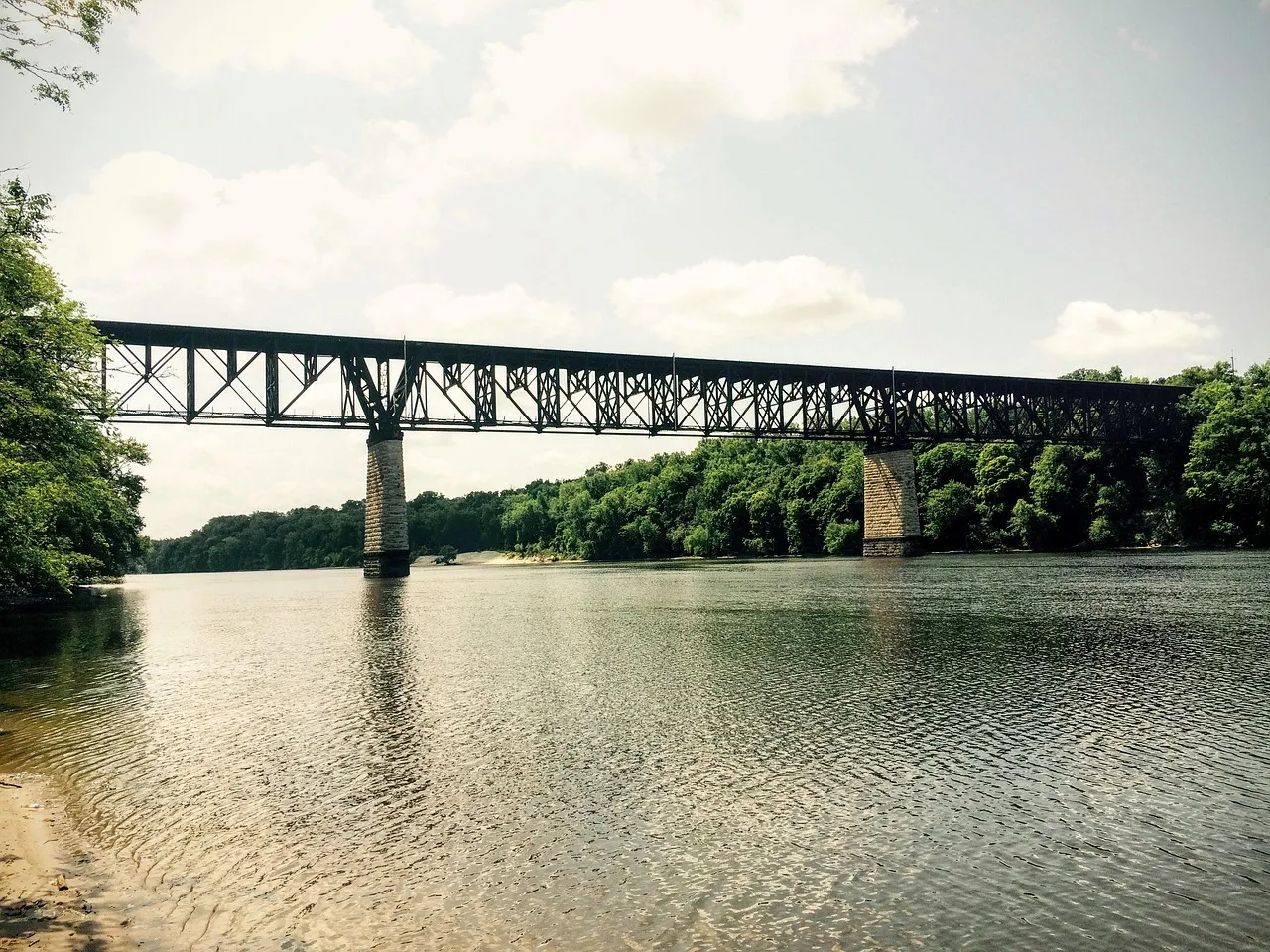
Timing matters more on a river than it does at sea. The Upper Mississippi is generally best enjoyed from summer through early fall, when temperatures are milder and humidity lower than in the southern stretches of the river.
Autumn brings its own draw entirely. Fall foliage sailings on the Upper Mississippi are especially popular, offering some of the most colorful river scenery in the country. Winter has its own quieter appeal for those willing to bundle up, since eagle viewing along the Great River Road peaks between December and March, when the birds concentrate near open water below the dams.
There’s no single reason travelers are choosing this river over an ocean itinerary. It’s the bluffs that glaciers never touched, the eagles overhead, the small towns that still feel unhurried, and a pace of travel that leaves room to actually notice where you are. The Upper Mississippi isn’t trying to be the ocean’s replacement. It’s simply offering something the open sea never could, a current slow enough to actually watch the country go by.
AI Disclaimer: This article was created with the assistance of AI tools and reviewed by a human editor.