
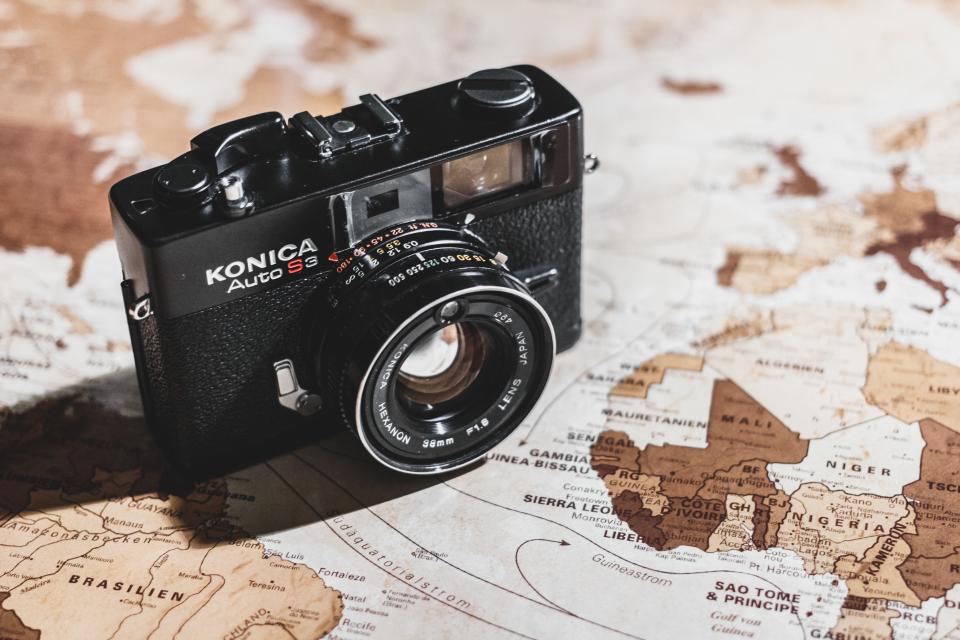

The Brain on Arrival: Novelty as a Biological Trigger
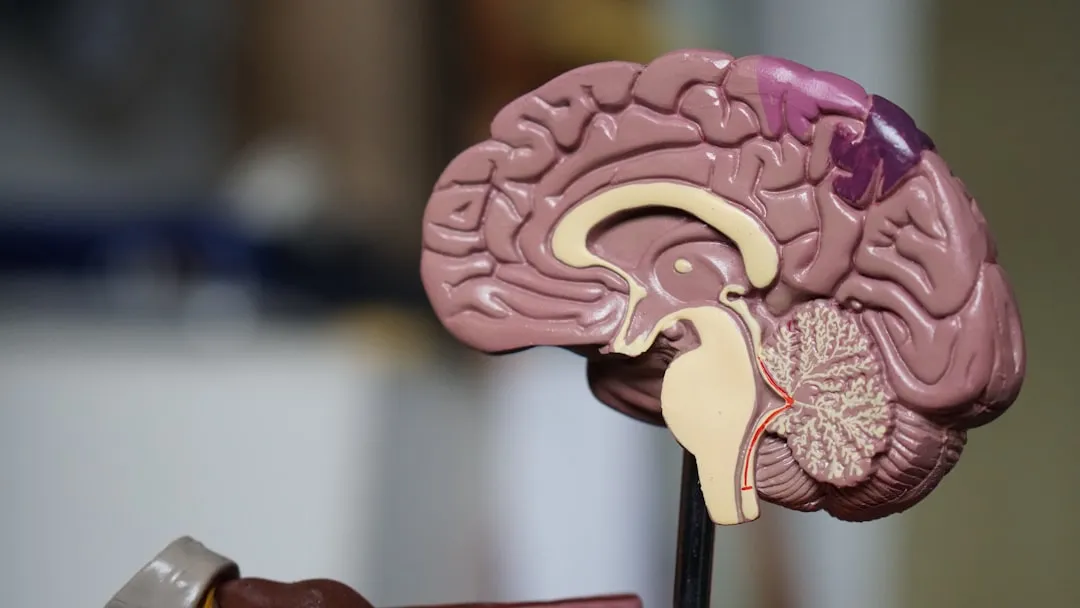
The moment you arrive somewhere new, your brain kicks into a fundamentally different mode. The brain lights up in response to new experiences because it’s wired to scan for patterns and notice when something unexpected happens. This isn’t metaphor – it’s measurable biology.
Novelty triggers dopamine release from the ventral tegmental area before any reward is delivered. The brain is not responding to what happened – it is responding to what might happen. Wolfram Schultz’s landmark research at Cambridge established that dopamine neurons fire at the moment of surprise, not the moment of gratification, with peak signaling occurring when prediction error is largest.
In plain terms: the gap between what you expected and what you’re actually seeing is widest the moment you arrive. That gap is exactly what lights up your desire to reach for your camera.
Everything Is Unprecedented – and That Feeling Is Temporary
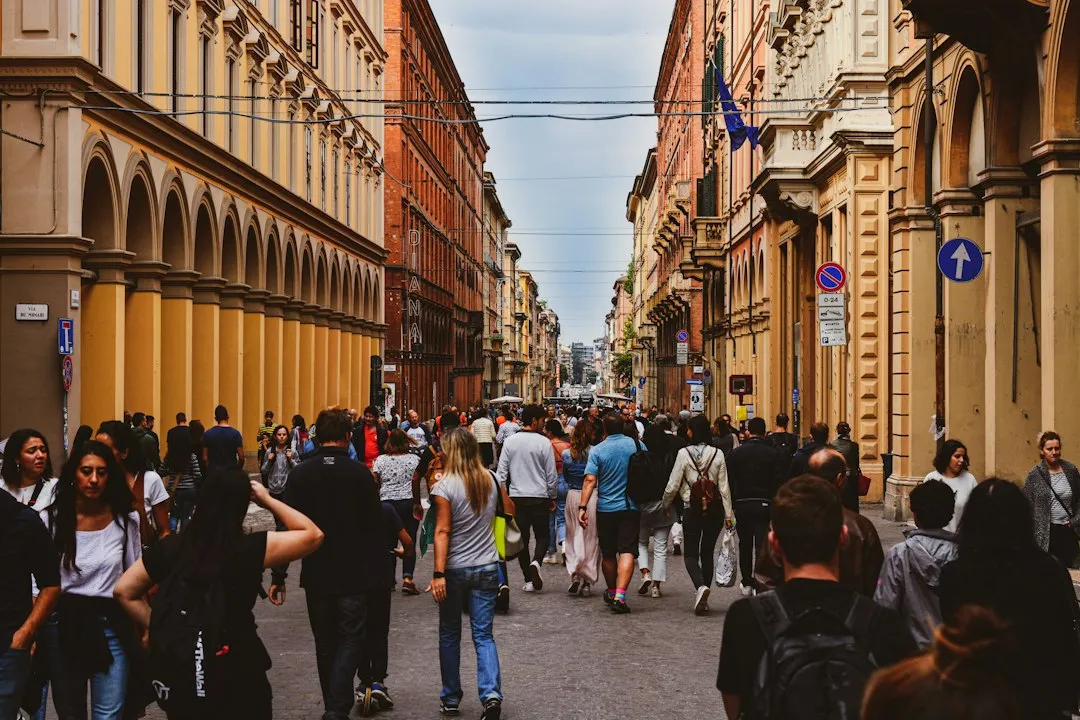
Novelty detection in the environment is an important mental ability for evolutionary survival. It is also critical for understanding emotional arousal and its effect on memories. Tourism, by its very nature, places people in unfamiliar environments designed to trigger that response.
Tourism takes place, by definition, in an unusual environment and therefore intimately involves this concept. The first hour is when that unusualness is at its absolute peak. Every storefront sign, street smell, and unfamiliar building face registers as genuinely new information to your brain.
Within a day or two, habituation sets in. The street corners start to feel familiar. The brain stops sounding its novelty alarm. The camera gets put away more often – not because the place becomes less beautiful, but because it becomes more known.
Photography as a Memory-Making Reflex
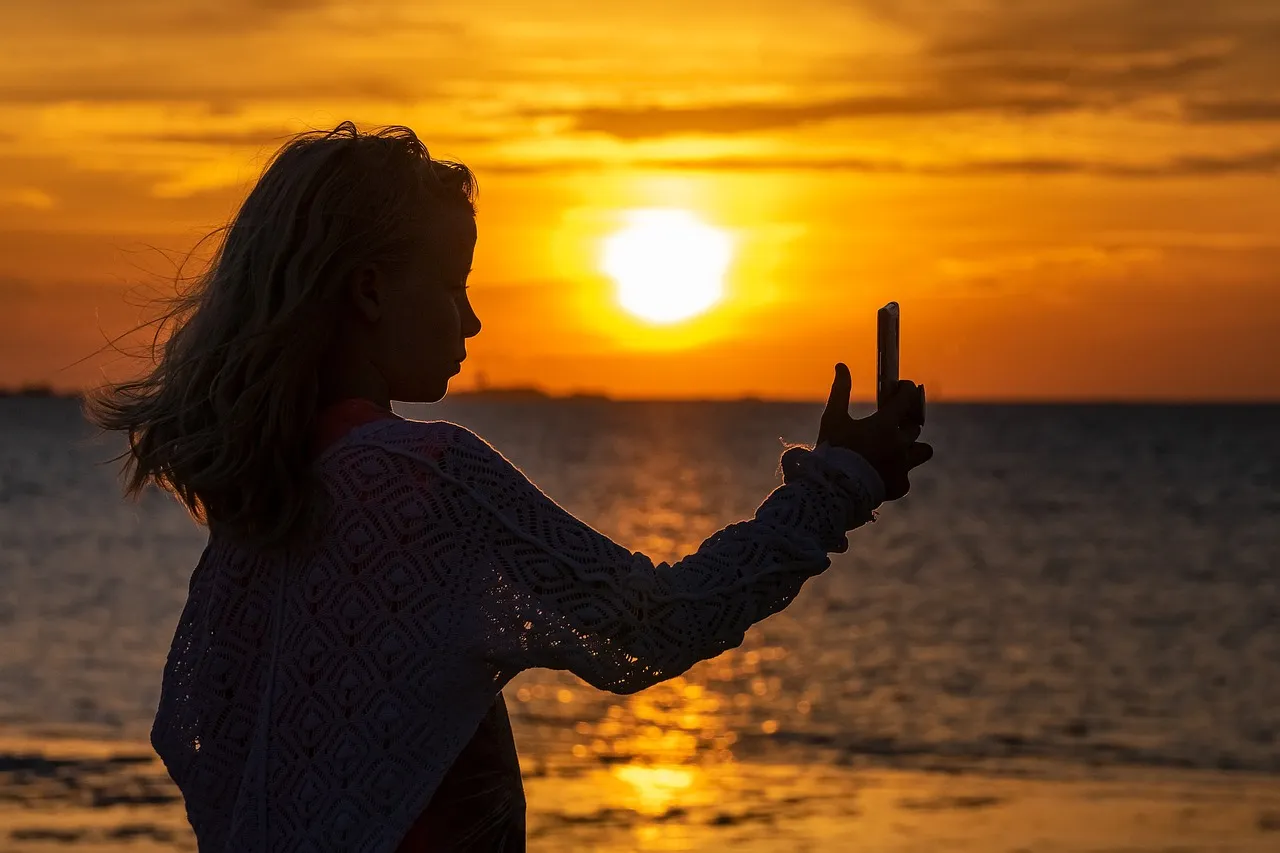
In cognitive psychology, novelty is an antecedent of attention, emotion, memory, and behavior. When those four things spike simultaneously, photographing a scene becomes almost reflexive. You’re not making a conscious artistic choice – you’re responding to an internal signal that says “this matters.”
Novel experiences, whether positive or negative, were identified as critical to experience memorability. Travelers seem to sense this instinctively. Taking a photo is a way of acknowledging to yourself that a moment deserves to be remembered – and arrival moments carry that weight more than almost any other point in a trip.
The Satisfaction Loop: Why Taking Photos Feels Good
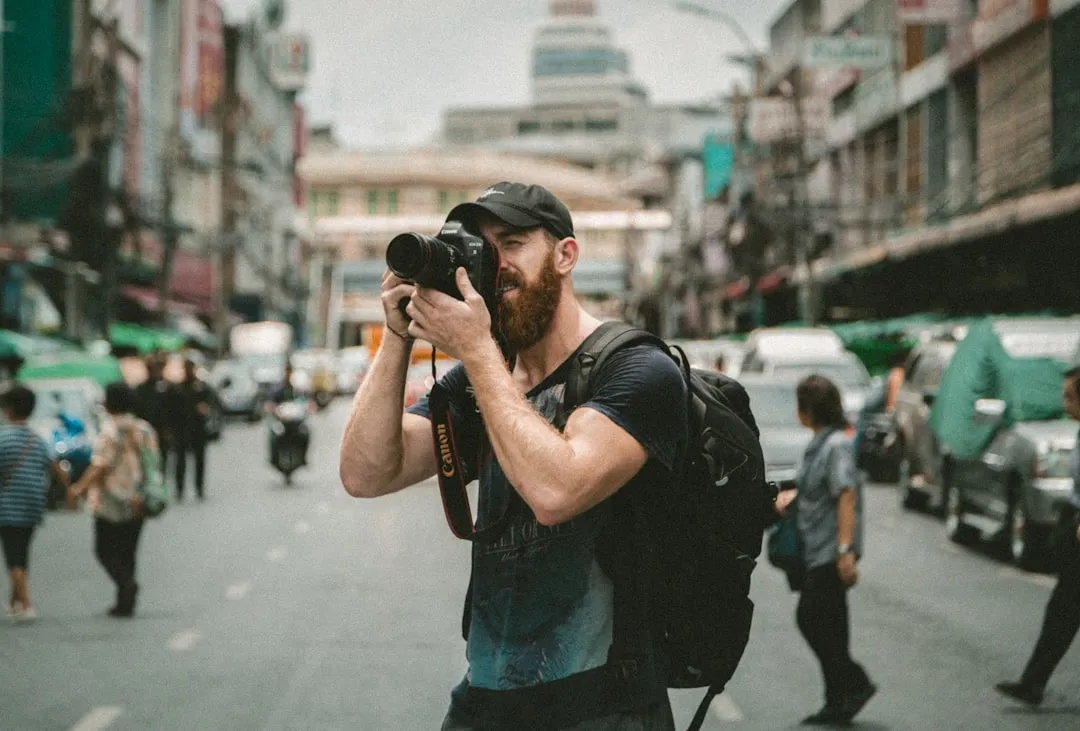
While taking photographs increases travelers’ satisfaction with an experience, it simultaneously decreases travelers’ intention to revisit the same experience. The increased psychological engagement induced by photo taking is the underlying mechanism behind this dual effect. Specifically, the greater engagement increases satisfaction with an experience, but it also makes it easier for travelers to remember the experience.
This research, published in the Journal of Tourism Research, found across five separate empirical studies that photography creates a kind of emotional bookmarking. Travelers are less likely to go back to a place if they have taken photographs of it during a visit. The first hour, with its flood of new stimuli, naturally produces the most intense version of this engagement.
Essentially, the brain is rewarding you for photographing arrival moments – and you keep pressing the shutter because it keeps feeling satisfying.
Social Media Pressure Compounds the First-Hour Rush
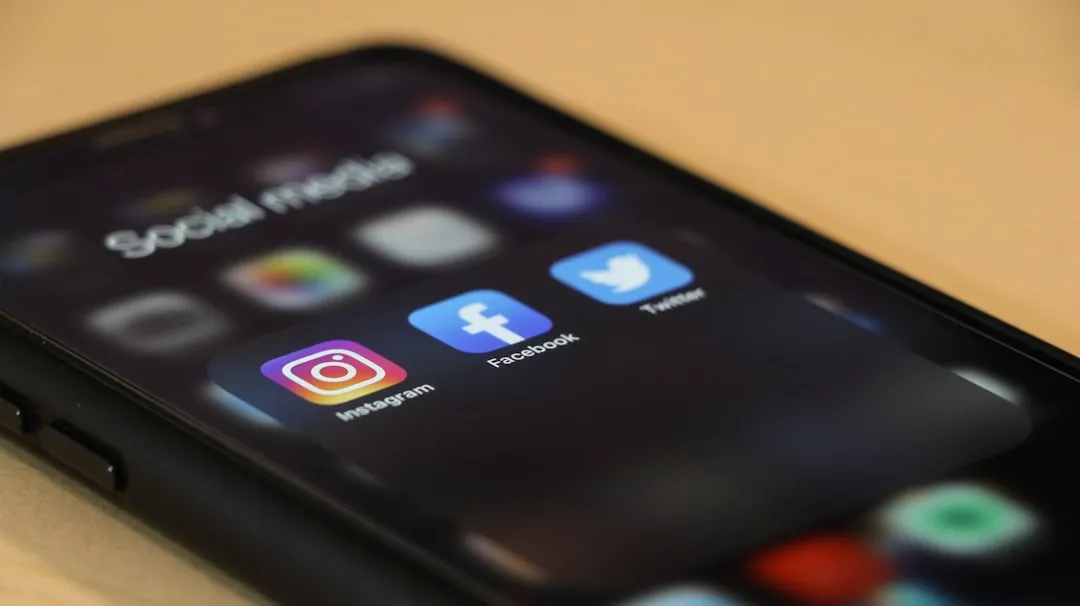
It would be dishonest to talk about travel photography in 2026 without acknowledging the social layer. Nearly half of vacationers admit they wanted to make followers jealous with their travel experience. That goes hand-in-hand with research that found half of travelers upload photos to social media just to show off.
The pressure to post quickly – to announce arrival, to stake a visual claim on the destination – concentrates photo-taking behavior in the very first moments of a trip. The “I’m here” photo, the airport exit shot, the first restaurant table: these exist partly for others. That social urgency fades as the trip settles in, which helps explain why photo frequency drops after the opening burst.
When researchers asked vacationers whether frequent social media use negatively affected their most recent holiday, nearly 58% said yes. There’s a real tension between the impulse to document and the experience of actually being somewhere.
First-Time Visitors Photograph More – It’s Not Just Habit
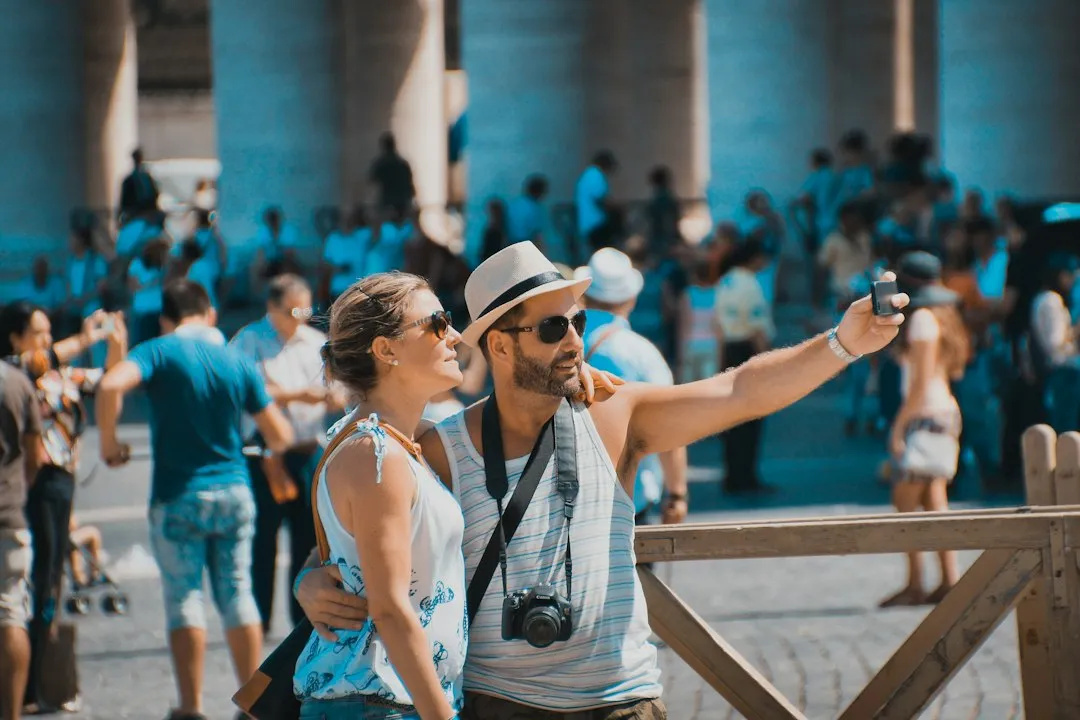
Allowing photographs can be an effective policy to attract first-time travelers, while prohibiting photography is more effective for encouraging revisits. This finding from a multi-study research program reveals something important: the photography impulse is tied directly to the freshness of an experience, not just the beauty of it.
Someone returning to Paris for the fifth time will photograph far less than someone seeing the Eiffel Tower for the first time. The first-hour photography surge is amplified when the entire destination is itself a “first.” Every moment of a first visit carries the emotional weight of novelty, concentrated most intensely at the start.
Hedonic Adaptation: Why the Camera Slows Down by Day Two

Psychologists have a term for what happens after the novelty of arrival fades: hedonic adaptation. Burnout is linked to a shortage of dopamine, which can make even small decisions feel exhausting and joy feel out of reach. Introducing novelty, even in small doses, helps re-engage the brain’s reward system.
On a travel scale, the same principle applies. The extraordinary becomes ordinary surprisingly fast. What seemed worth photographing on arrival – a particular cobblestone street, a market vendor’s colorful stall – stops triggering that neurological “capture this” signal after even a few hours of exposure. The camera roll slows as the brain adapts.
This is not a flaw in how we experience travel. It’s actually the brain becoming more efficient, filing away the unfamiliar as known. The downside is that some genuinely beautiful moments in the middle of a trip go unrecorded simply because the novelty meter has quieted.
The Role of Anticipation in Pre-Arrival Photography Bursts
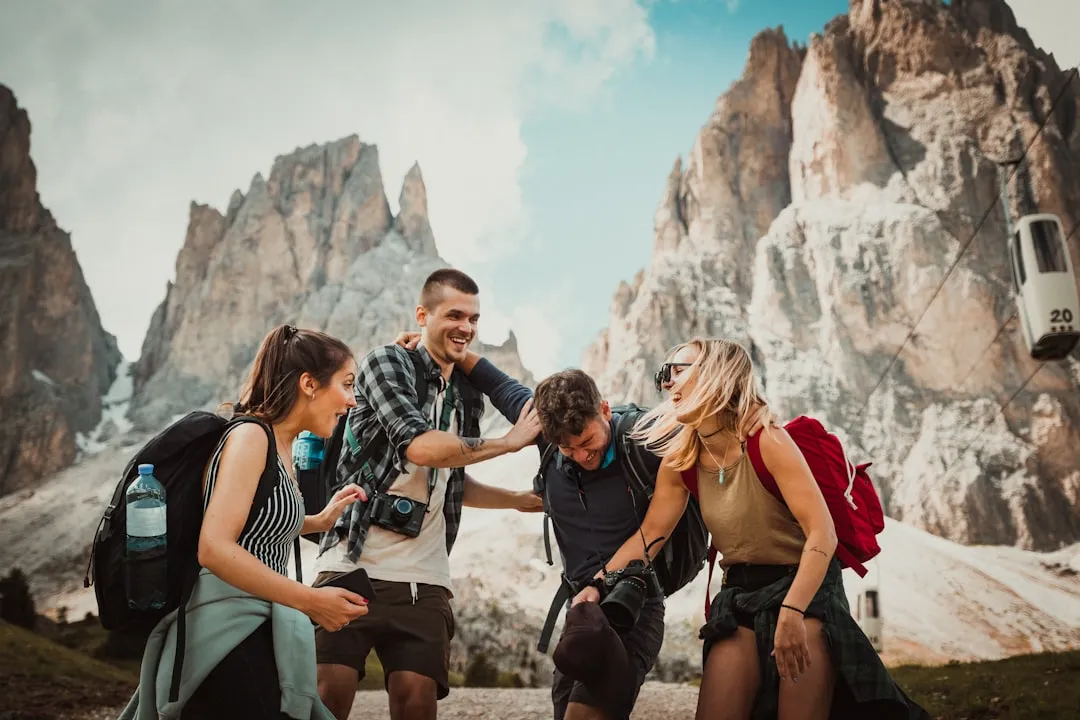
Even planning a trip can make you feel happier – your brain starts releasing dopamine before you even pack your bags. This novelty activates the brain’s dopamine reward system, the same chemical responsible for motivation, excitement, and pleasure.
This anticipatory dopamine release primes travelers to arrive in a heightened emotional state. By the time they actually reach the destination, they’ve been mentally rehearsing the experience for days or weeks. The first hour becomes an emotional release valve – and the camera is the instrument of that release.
The excitement doesn’t just appear at arrival; it’s been building. That’s why the first shot of a trip often carries a particular electricity that mid-trip photos rarely match.
Photography Engagement and the Quality of Attention
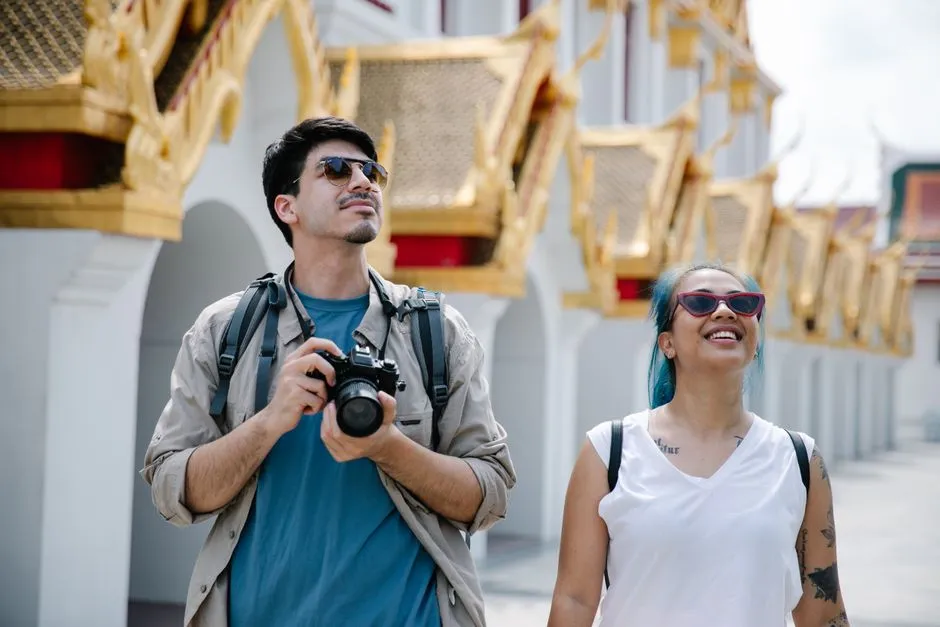
There’s a nuanced finding in the research that’s worth sitting with. A study published in the Journal of Personality and Social Psychology reports on nine experiments with more than 2,000 participants that looked at how taking photos affects an individual’s enjoyment of an activity.
The conclusion was not that photography ruins presence. Rather, the act of framing a shot – deciding what to include, what to exclude – actually sharpens attention to a scene. During the first hour, when everything is new, that attention-sharpening is working at full capacity. Later, when the scene feels familiar, the same act of photographing can feel more mechanical than mindful.
Photo-sharing afterwards significantly enhances tourists’ positive feelings towards their experience via the emotion of pleasure. The first hour’s photos, shared later, carry more emotional charge precisely because they capture that unrepeatable initial encounter.
What This Means for How We Travel and Remember
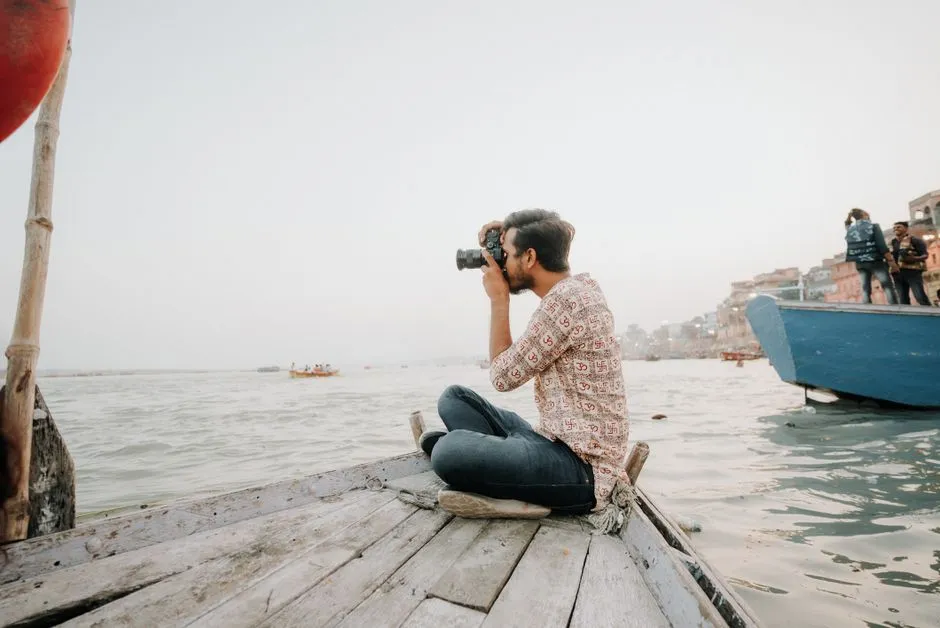
Understanding the psychology behind the first-hour photography surge opens a quieter question: are we capturing arrivals well, but missing the texture of the days that follow? The middle of a trip, once the novelty has settled, often holds its most human moments – unhurried meals, slow morning walks, conversations with locals. These go underrepresented in most people’s travel galleries.
Across all conditions, novelty-related manipulations robustly increased dopamine release and in some cases altered the directionality of neural responses. Knowing this, a thoughtful traveler might deliberately seek small novelties throughout a trip – a new neighborhood, a different morning route, an unfamiliar dish – to keep that attentive, camera-reaching quality alive past the first hour.
The first hour is genuinely special, neurologically and emotionally. Treating the rest of the trip with the same considered attention, even without the camera always in hand, might be the real art of travel.
The Takeaway
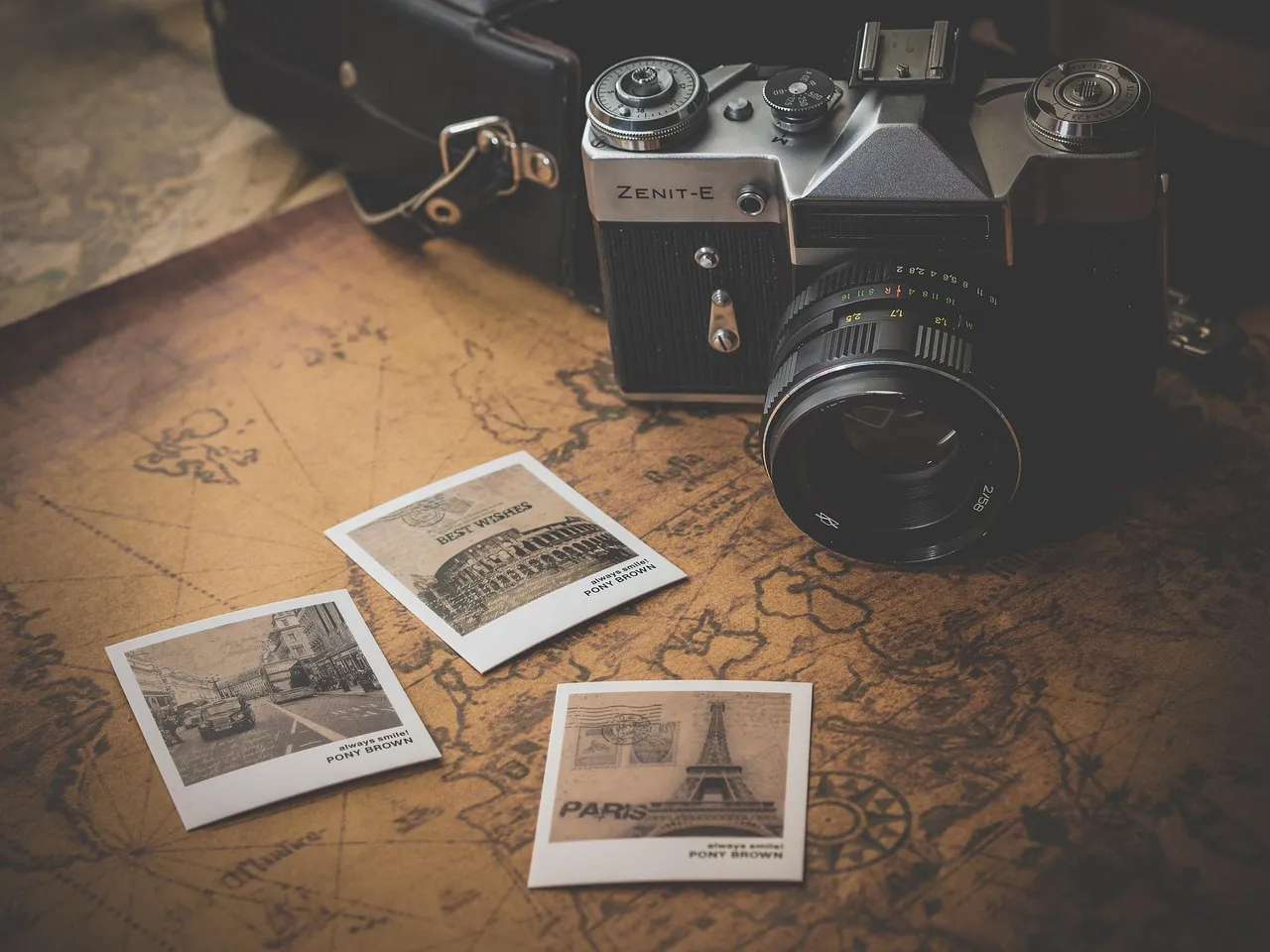
The first-hour photography surge isn’t vanity or compulsion. It’s the brain doing exactly what it was built to do: responding intensely to the genuinely new, flagging experiences worth remembering, and rewarding engagement with the world around it. Science has confirmed what most seasoned travelers already feel in their bones.
The more useful question isn’t why we photograph so much at the start – it’s what we choose to notice once the novelty quiets down. Some of the most meaningful moments of a trip happen precisely when the camera stays in the pocket and the eyes stay open.
AI Disclaimer: This article was created with the assistance of AI tools and reviewed by a human editor.