
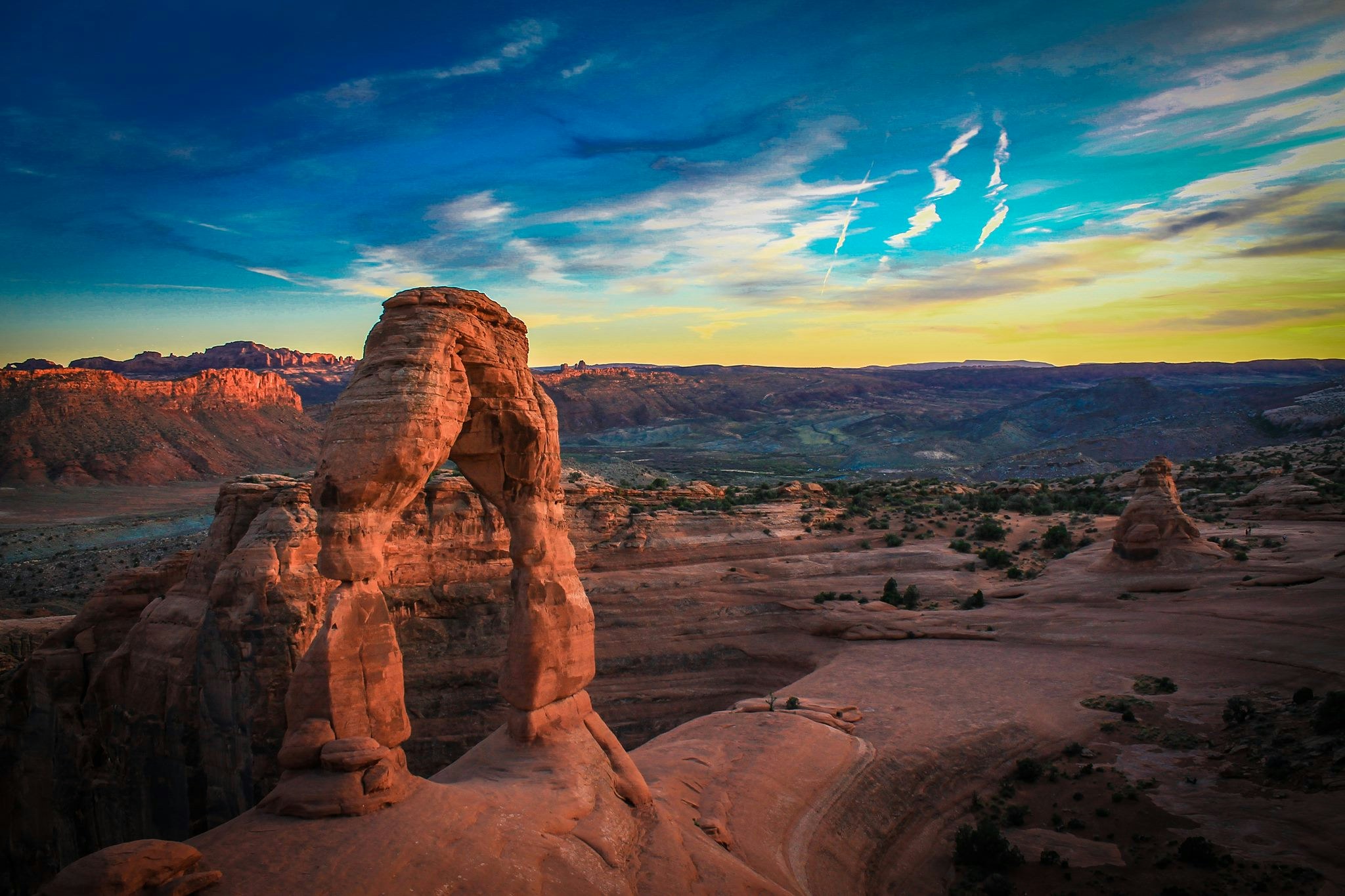

There’s a quiet pattern that plays out every autumn across Utah. As the first cool fronts drift down from the Wasatch Range and daytime temperatures finally become tolerable in the southern desert, a steady stream of cars loaded with gear and supplies heads southeast on US-191. The destination is Moab, a small canyon country town of roughly 5,000 people that sits at an elevation of about 4,000 feet along the Colorado River. It’s not a long drive from Salt Lake City, just about four hours, but the landscape difference feels planetary.
Moab has long been known as an adventure hub, but something specific happens when summer finally exhales. The crowds thin just enough, the light softens, the trails cool down, and the entire canyon landscape takes on a quality that locals and repeat visitors call simply “the good season.” For many Utahns, fall and the shoulder weeks around it aren’t just a nice time to visit. They’re the only time worth visiting.
The Heat Problem That Makes Summer a Non-Starter
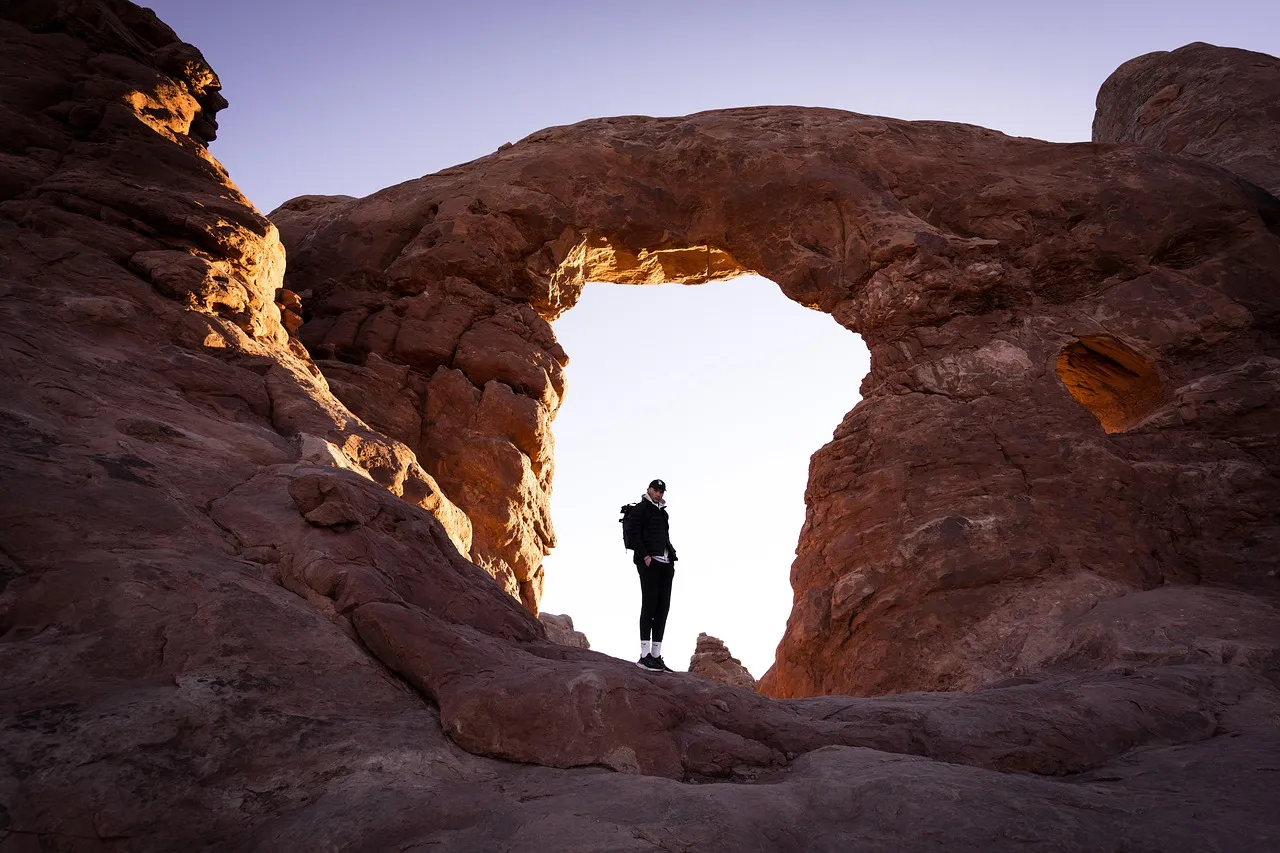
Moab sits in a high desert basin ringed by sandstone walls that absorb and radiate heat with impressive efficiency. Summer temperatures frequently exceed 100 degrees Fahrenheit, making strenuous trail activity genuinely risky and uncomfortably limited to early morning hours. Fall temperatures in Moab are far more forgiving for outdoor activities, with September highs averaging in the upper 80s Fahrenheit and lows in the mid-50s.
October gets a bit cooler, with highs averaging in the 70s and lows in the 40s, which most hikers and cyclists consider near-ideal conditions. Expect a daily swing of roughly 25 to 30 degrees Fahrenheit on almost any given fall day, so mornings call for a fleece and afternoons warm up enough for a t-shirt. It’s that reliable rhythm, cold start, warm finish, that makes fall days feel particularly satisfying on the trail.
Arches National Park Without the Summer Crush
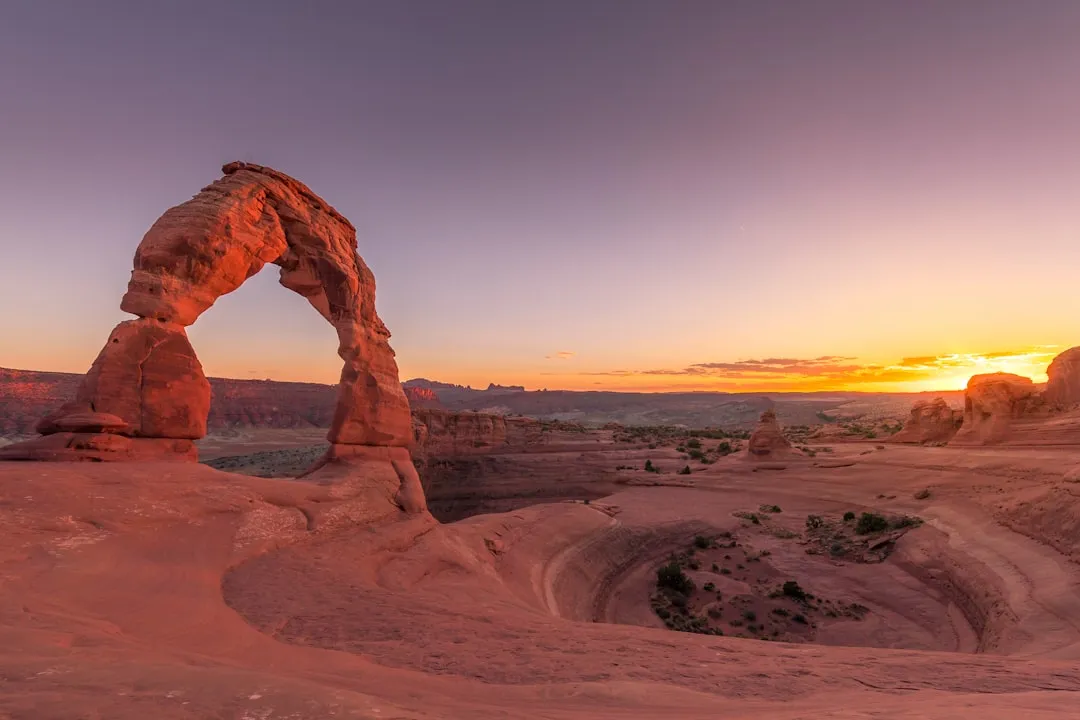
Arches National Park recorded 1,511,740 recreation visits in 2025, a figure that reflects just how intensely popular the park has become. Visitation has stabilized in a band of roughly 1.46 to 1.51 million visits annually under the park’s Timed Entry system, which ran through 2025. Most of that demand peaks during summer months, which is precisely why fall is so appealing to those who know the park well.
October recorded the largest year-over-year increase in visitation for Arches National Park in 2025, and October also falls within what local tourism officials call peak tourism season in Moab. That might sound contradictory, but October’s version of “busy” is qualitatively different from July’s. In February 2026, Arches National Park announced it will not require advanced timed-entry reservations in 2026, meaning visitors may enter the park at any time during operating hours, which opens fall visits to spontaneity that summer couldn’t offer.
The Color Shift That Most People Don’t Expect
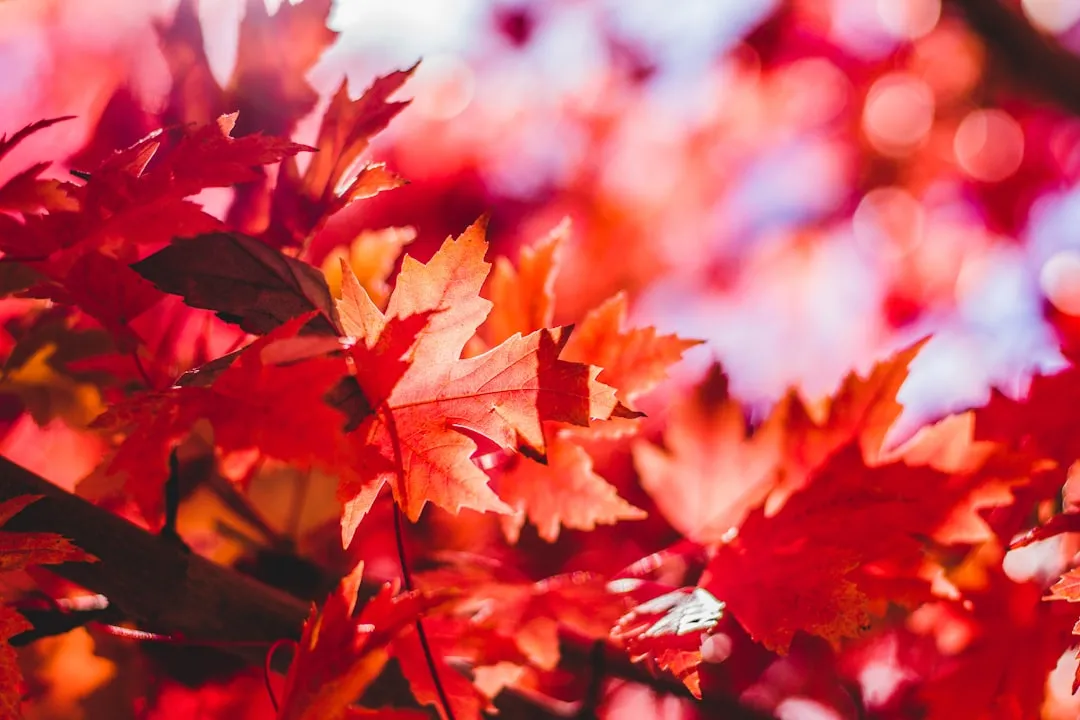
Moab is famous for its red rock, but autumn adds an entirely different visual layer that surprises first-time fall visitors. While Moab is renowned for its stark red rock landscapes, autumn brings a splash of color to the region, and the best time to see the foliage changing is mid-September to early October. That window varies year to year, so a bit of flexibility in travel dates pays off.
Cottonwood trees along the Colorado River turn a vivid yellow, contrasting beautifully against the red rocks and cliffs, while the La Sal Mountains offer a backdrop of alpine forests turning various shades of orange and gold, providing spectacular photo opportunities and a different perspective on the usual Moab scenery. The combination of red canyon walls and golden cottonwoods against a deep blue October sky is one of the more underrated landscape combinations anywhere in the American West.
The La Sal Mountains as a Hidden Second Destination
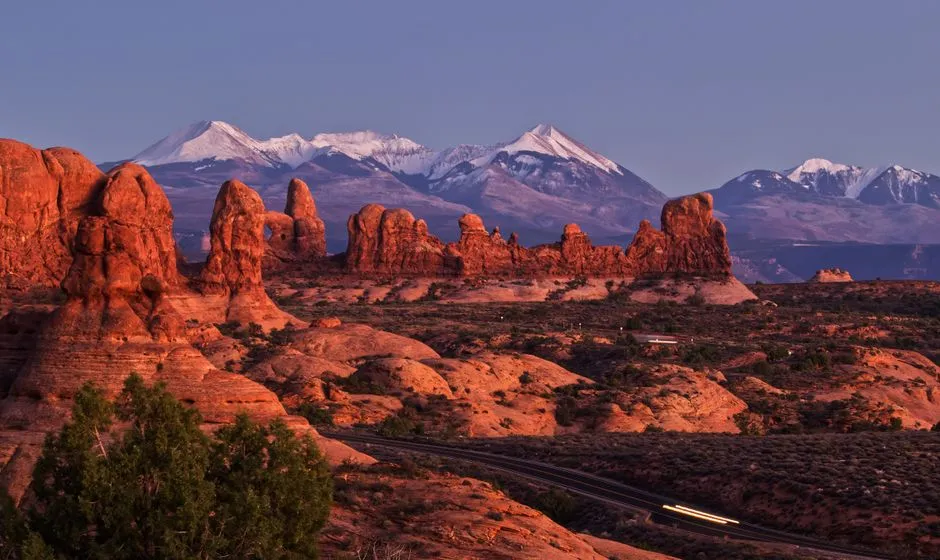
Many visitors think of Moab purely as canyon country, but the La Sal Mountains rise to over 12,000 feet just east of town and transform the fall experience into something genuinely layered. For warmer weather days, a bike ride or drive around the 60-mile La Sal Mountain Loop is a wonderful way to explore the fall foliage. The loop offers dramatic elevation changes and views that flip between alpine meadow and canyon panorama within the same hour.
The contrast between the desert floor and the mountain zone is one of Moab’s most distinctive fall qualities. You can hike a slickrock trail in the morning heat and drive into cool aspen forest by early afternoon. Few small towns in the American West offer that kind of geographical range within such a short radius, and it’s a significant reason why repeat visitors keep returning specifically in autumn.
Mountain Biking’s Best Season
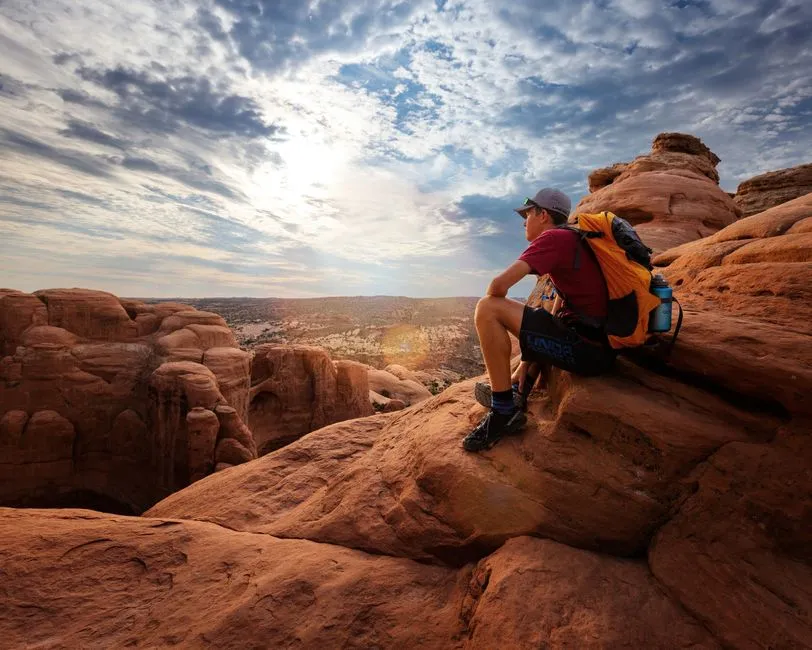
Fall particularly suits hikers and mountain bikers who find summer’s heat limiting, as well as photographers chasing autumn light along Arches National Park’s red rock. Moab’s trail network is one of the most developed in the country, with routes ranging from mellow canyon rides to technically demanding slickrock crossings that require genuine skill. The cooler air makes sustained effort possible in a way that July simply doesn’t allow.
Off-roading on Moab’s famous trails is another popular fall draw, with Hell’s Revenge and Fins and Things being popular choices for four-wheel-drive enthusiasts, guided tours available for those who prefer to let experts lead, and rugged terrain offering unforgettable vistas. Whether on two wheels or four, the fall trail experience in Moab has a particular quality of light and temperature that makes it feel earned in the best possible way.
Stargazing Conditions That Quietly Rival Anywhere in the Country
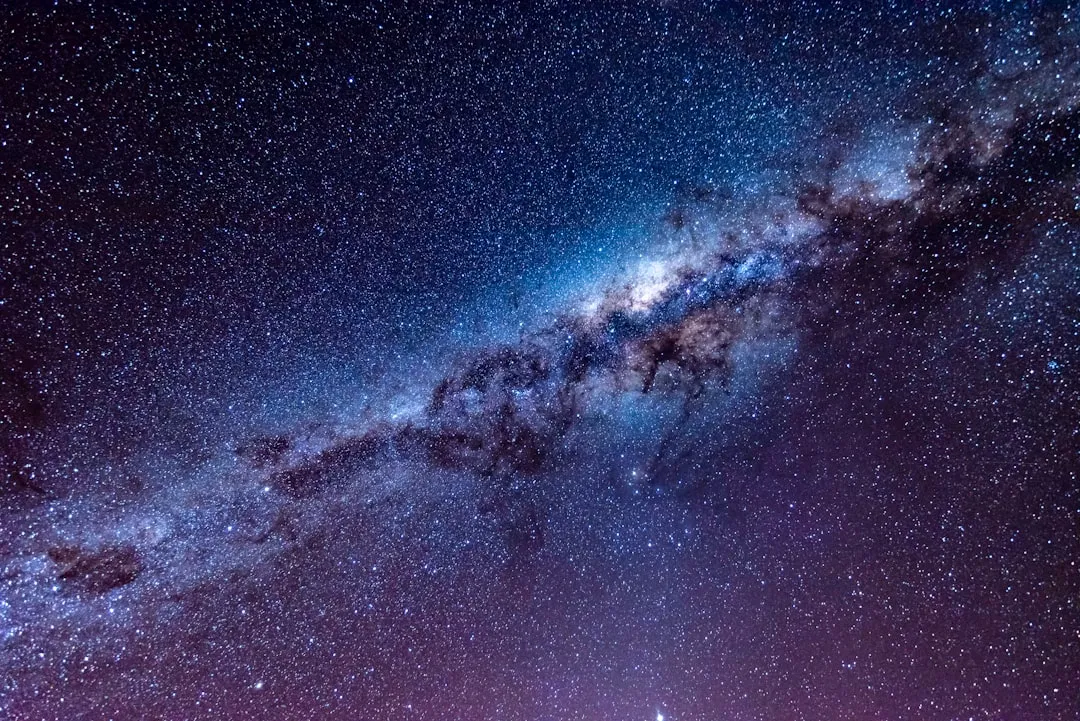
Moab’s clear, dark skies make it an ideal spot for stargazing, and Dead Horse Point State Park and Canyonlands National Park offer some of the best views of the night sky, with the fall months providing cooler nights and less crowded parks for a peaceful stargazing experience. Arches has held International Dark Sky Park designation for years, a status that reflects measured light pollution levels rather than marketing language.
Arches National Park is an International Dark Sky Park, and visiting after hours is highly encouraged by park staff. Fall is particularly well-suited for this because the nights are long enough to be worthwhile but not yet cold enough to make an evening outside miserable. A clear October night in canyon country, with the Milky Way arching over sandstone formations lit faintly by starlight, is the kind of experience that doesn’t need embellishment to sell itself.
The Moab Music Festival Draws a Specific Kind of Traveler
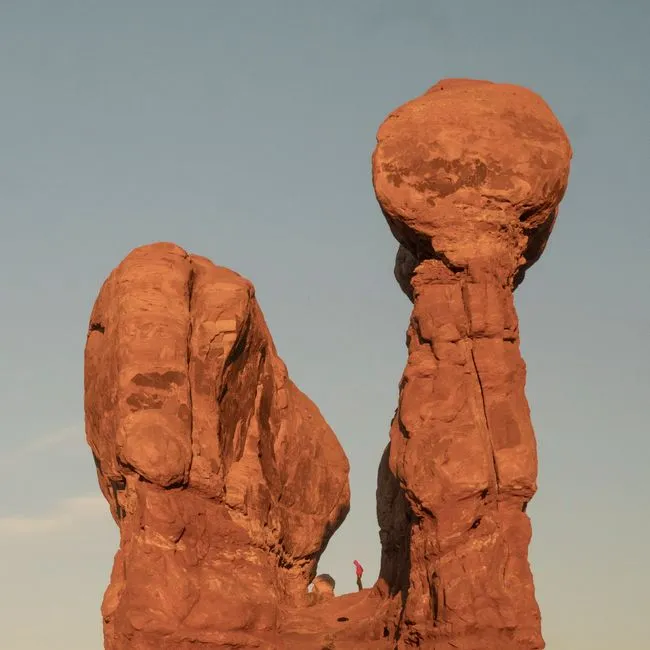
The Moab Music Festival is an extraordinary event that combines world-class music with the stunning natural beauty of Moab, with performances in breathtaking outdoor settings including red rock canyons and along the Colorado River. The festival has built a loyal audience over the years, one that tends to value the integration of performance and landscape over festival spectacle.
The timing sits right at the edge of summer’s departure, giving attendees a version of Moab that feels generous with both temperature and access. For many Utah residents, the festival is a reliable annual reason to make the drive, and for first-timers it often becomes the introduction to Moab that turns into a lasting habit. Cultural programming and canyon country make an unusual but effective pairing.
The Economic Picture Behind the Fall Surge
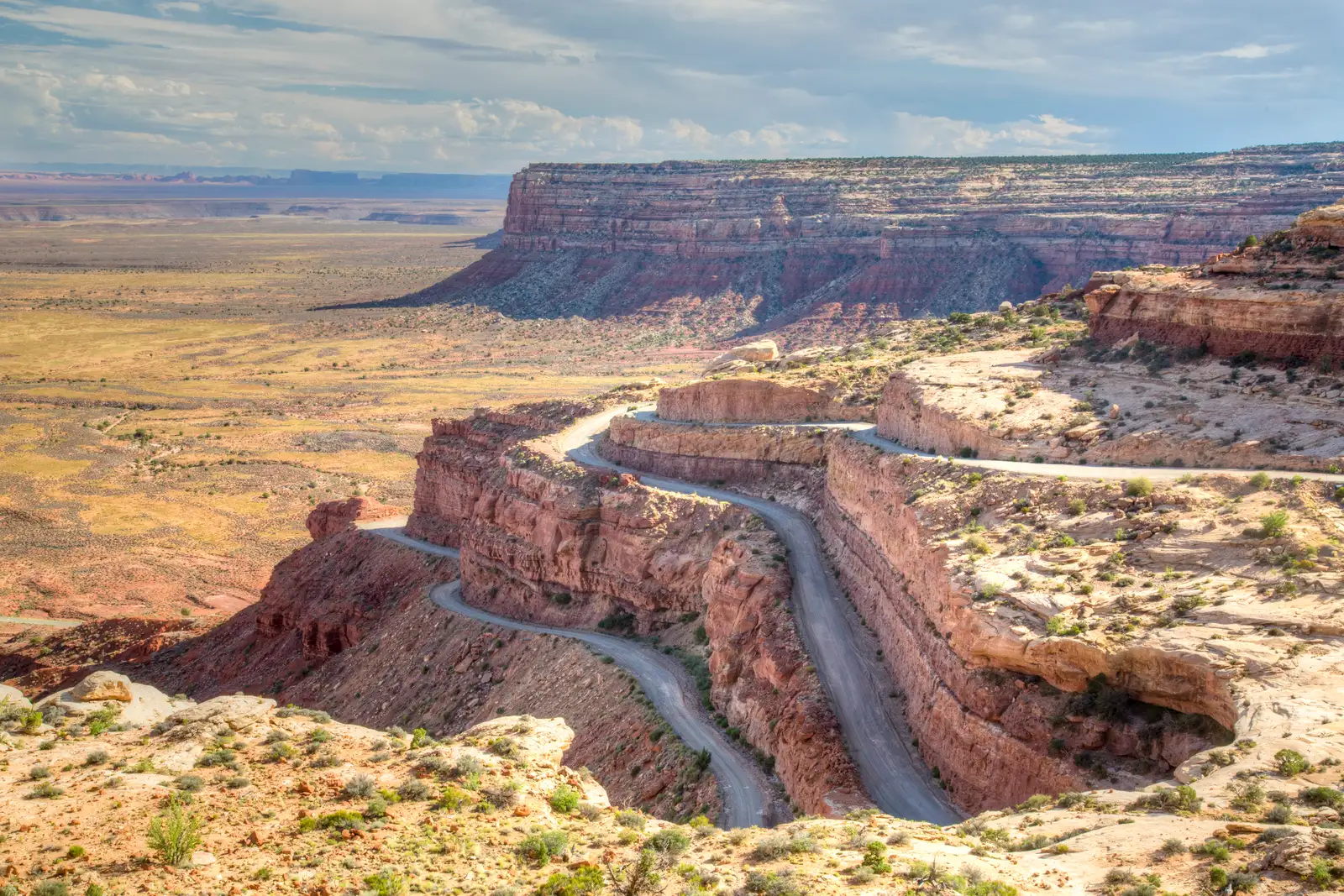
A National Park Service report documented that 2.4 million visitors to the national parks of the Southeast Utah Group in 2023 spent $397.6 million in communities near the four parks, supporting 5,122 jobs and delivering a cumulative benefit to local economies of $486.1 million. Moab sits at the center of that economic geography, and fall visitation is a meaningful part of that contribution.
October 2025 saw approximately a 25% increase in total county tax revenue compared with October 2024, a statistic that speaks to just how economically significant the fall shoulder season has become for Grand County. According to the Moab Office of Tourism’s Visitation Dashboard, Moab’s domestic tourism is up by roughly $3.5 million, reflecting the sustained interest from within-state travelers who account for a substantial share of fall visits. The fall economy in Moab is no longer a quiet afterthought to summer. It’s a season in its own right.
Canyonlands and the Quiet Roads of Autumn
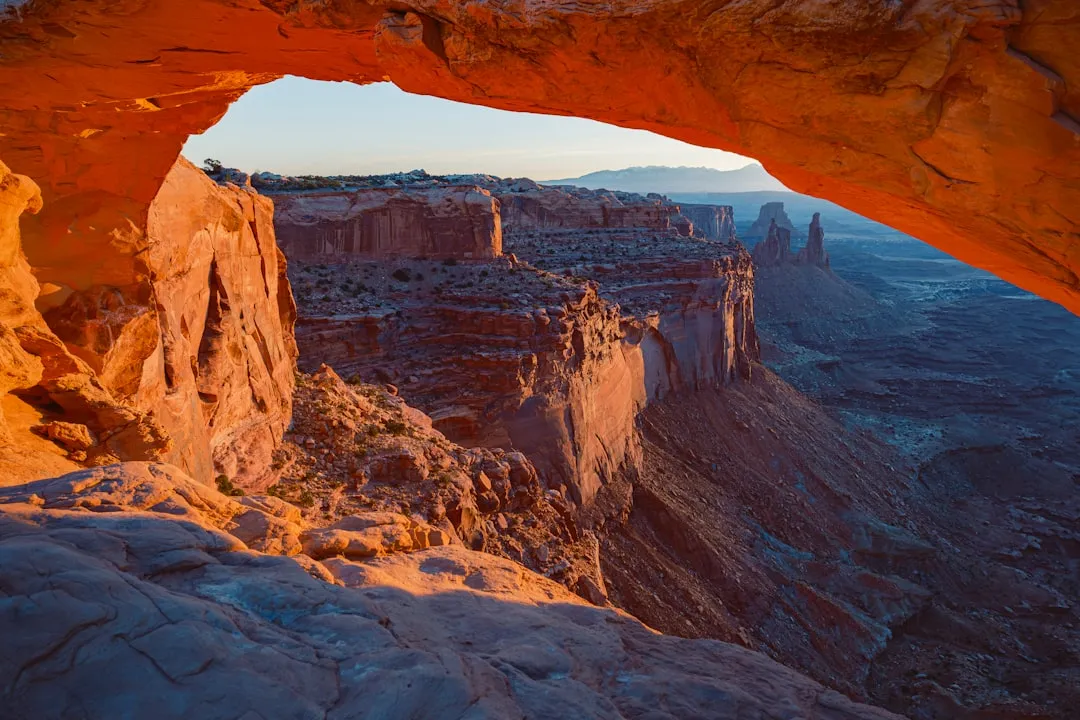
Canyonlands National Park, with its dramatic landscapes and vast canyons, is a must-see destination adjacent to Moab, with the Island in the Sky district offering breathtaking overlooks and the Needles district providing excellent hiking opportunities. Fall is one of the few seasons when both districts can be enjoyed without the logistical strain of summer parking and trail congestion. The roads into the park quiet down noticeably after Labor Day.
Fall, specifically September through October, provides pleasant weather, colorful foliage, and fewer crowds, making it a genuinely productive time for outdoor adventures throughout the broader canyon country region. For Utahns who already know Zion and Bryce Canyon well, Canyonlands in autumn represents a more raw, less managed kind of wilderness experience. The scale of the canyon systems there demands more from visitors, and fall rewards that willingness to engage.
The Broader Utah Tourism Context
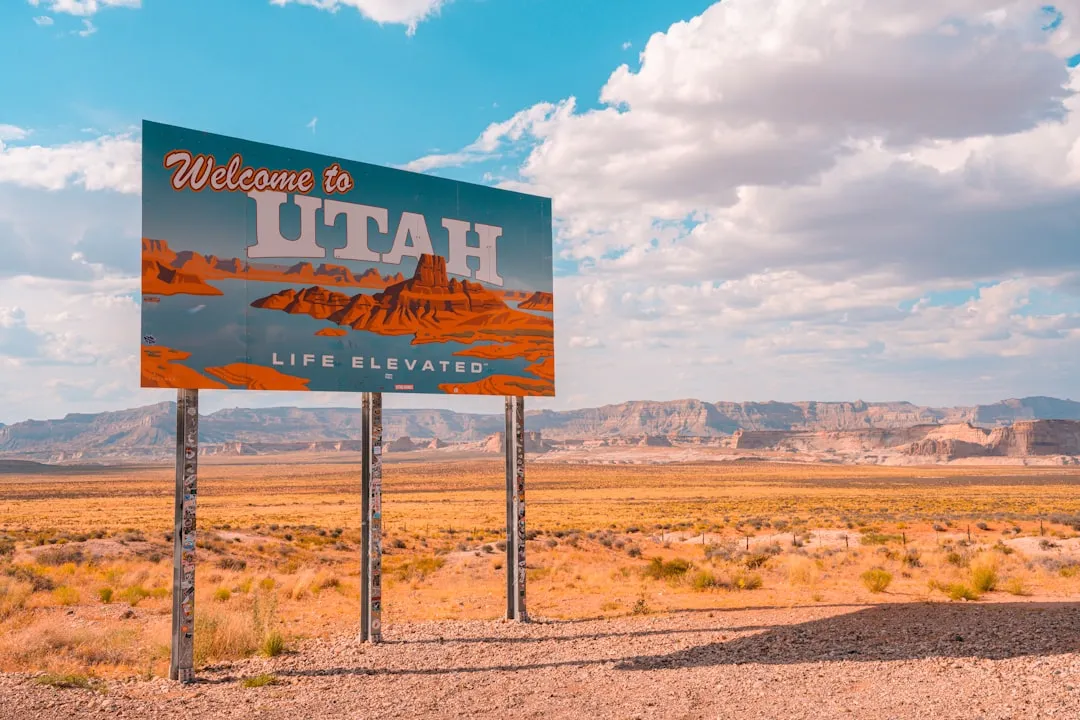
Tourism in Utah generated $13.3 billion in visitor spending in 2024, and the Utah tourism industry supported 164,600 direct jobs that same year. The state attracts visitors from across the country, though domestic travelers make up the overwhelming majority of arrivals. In 2024, domestic travelers accounted for 13 million tourists, making up roughly 95% of total visitors to Utah.
Most travelers to Utah arrived in their own vehicle, with about 71% driving themselves, and when traveling within the state, their own vehicle and rental cars were the most popular modes of transportation. That road-trip character suits Moab particularly well. The drive from the Wasatch Front is scenic, manageable, and part of the experience rather than just the transit to it. For Utahns, the journey south through canyon country is already a form of escape before the destination even appears.
The Takeaway
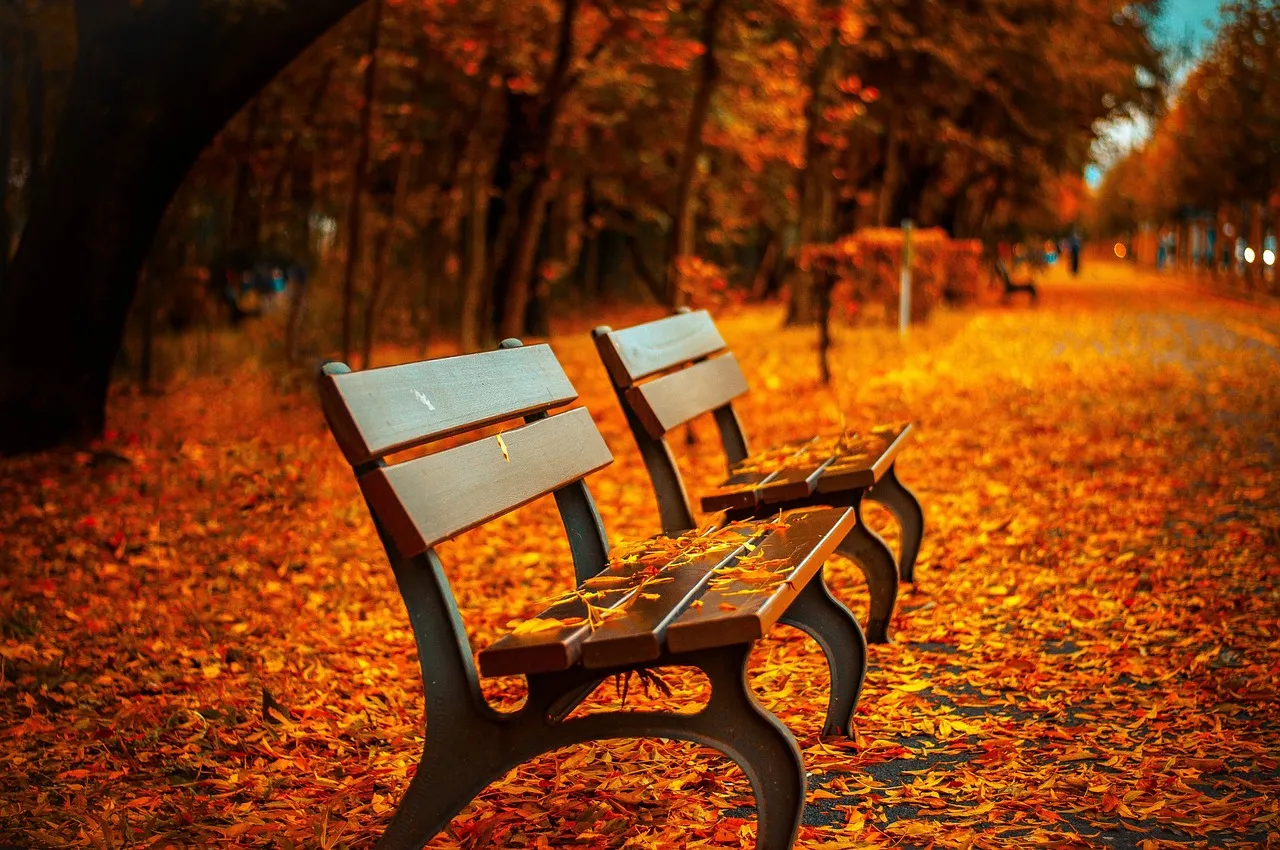
Moab in autumn is not a secret, exactly, but it still feels like one. The crowds are real, the landscape is genuinely spectacular, and the data reflects a growing appreciation for what the fall season offers here. What draws Utahns back, year after year, isn’t any single trail or festival or temperature range. It’s the way the place changes character when the heat finally lets go.
The red rock doesn’t transform the way a New England forest does. It deepens. The light falls at a lower angle, shadows lengthen across canyon walls, and the whole landscape becomes easier to read and harder to leave. For residents of a state that already lives close to wild country, Moab in the cool season represents something that’s increasingly rare anywhere: a place that actually improves when fewer people are watching.
AI Disclaimer: This article was created with the assistance of AI tools and reviewed by a human editor.