

Flying Debris Is More Dangerous Than It Looks
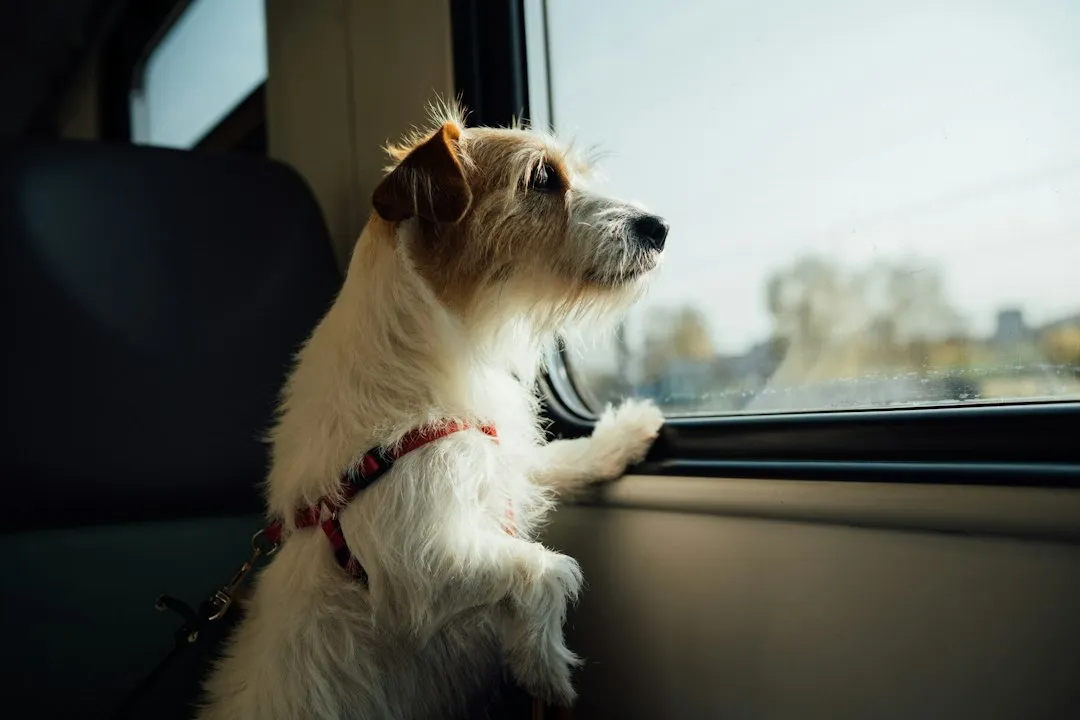
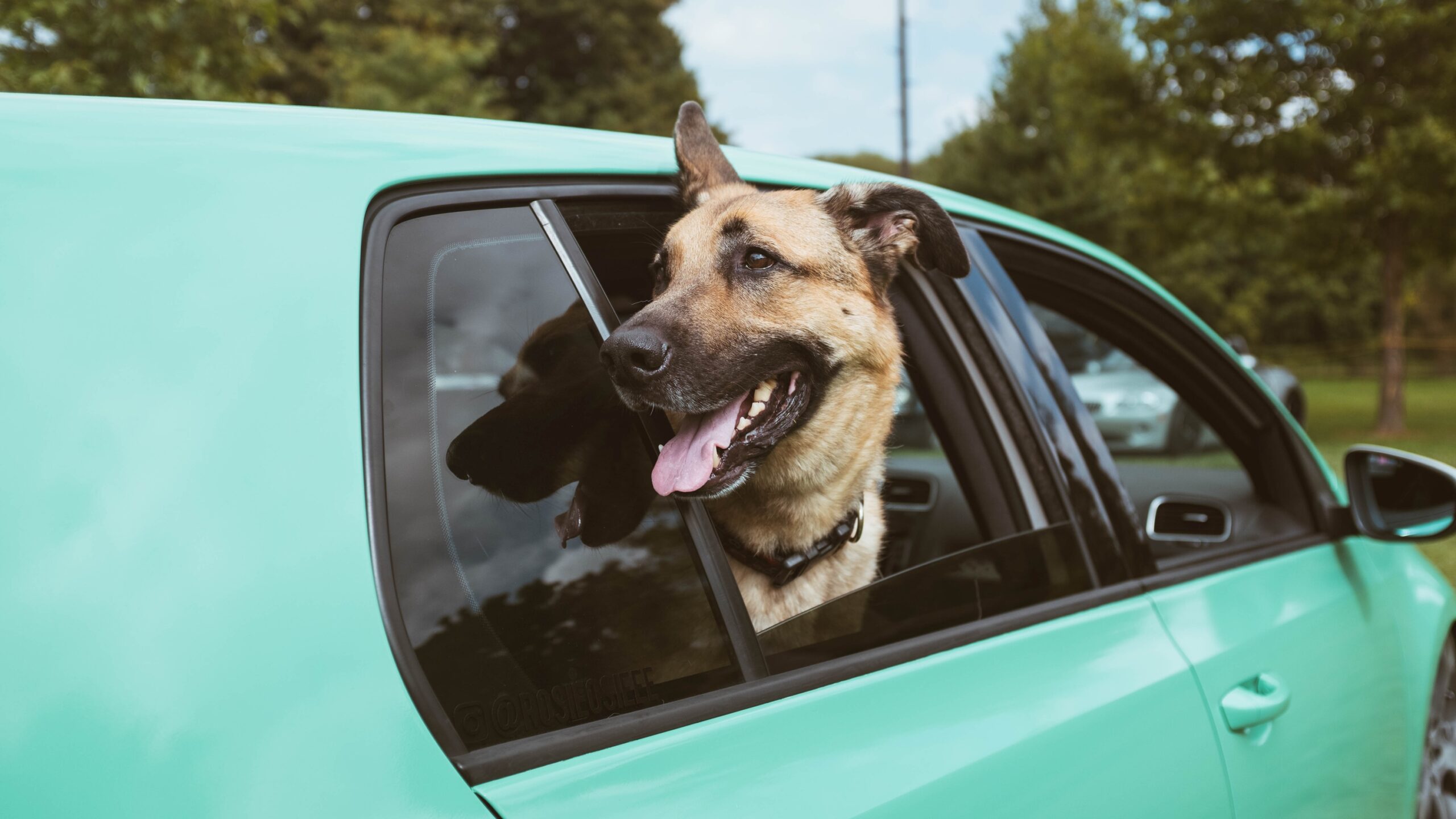
According to the American Veterinary Medical Association (AVMA), allowing your dog to stick its head out of the window exposes it to potential injuries from flying debris, insects, or rocks. At road speed, even something as small as a grain of sand can behave like a projectile. Flying road debris, including small rocks, dirt, and twigs, can put your dog’s eye health at risk, from corneal ulcers to scratches and infections. Debris can also get into your dog’s ears, nose, or throat. Depending on how fast you’re driving, your dog can even sustain facial wounds from the impact of flying debris.
Flying insects, such as bees or even tiny pebbles kicked up by passing vehicles, can collide with a dog’s eyes. It’s the kind of injury that owners rarely anticipate because it feels so unlikely in the moment. Yet emergency vets deal with it regularly.
Corneal Ulcers Are a Real and Documented Risk
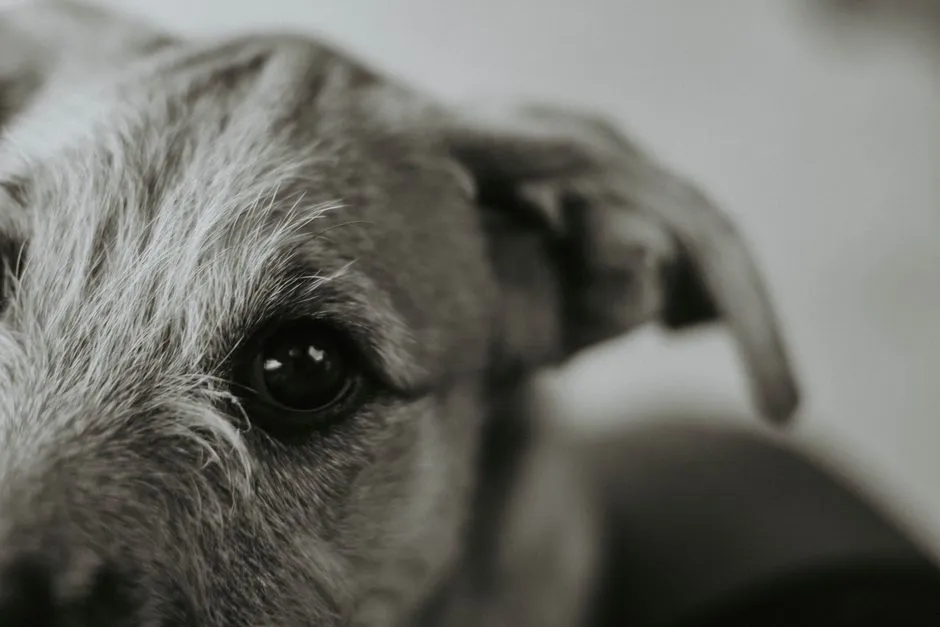
Another prominent risk comes from debris flying through the air at high speeds. Even just dust and pollen can cause damage to a dog’s eyes. Vets have seen dogs develop corneal ulcers from dust and debris. The cornea of a dog’s eye is particularly vulnerable because it lacks the same protective instincts humans have.
You can imagine the damage even a small pebble can have on your windshield or your car’s paint. The cornea of a dog’s eye is much more delicate and is not as easily repaired. Foreign bodies can quickly irritate the eye and cause scratches or infections if not removed. In some cases, the debris becomes lodged under the third eyelid, making it difficult to spot without veterinary equipment.
Wind Alone Can Dry Out and Damage the Eyes
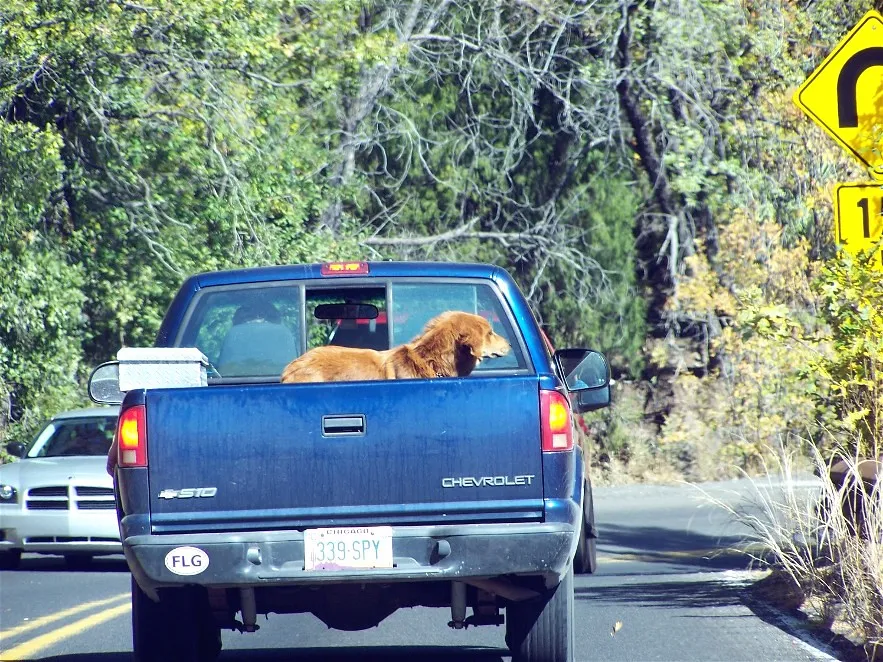
When a dog sticks its head out of a car window, it is exposed to high-speed winds. While this may seem exhilarating for the dog, prolonged exposure can lead to dry eyes. The constant flow of air can cause the eyes to lose moisture, leading to irritation, redness, and, in extreme cases, more serious eye conditions.
Debris and the force of the air blowing can cause abrasions on the animal’s eyes. Even without any physical debris present, the wind pressure itself is enough to strip moisture from the surface of the eye on a regular drive. It’s a slow and often invisible kind of damage.
Ear Injuries Are Painful and Often Require Surgery
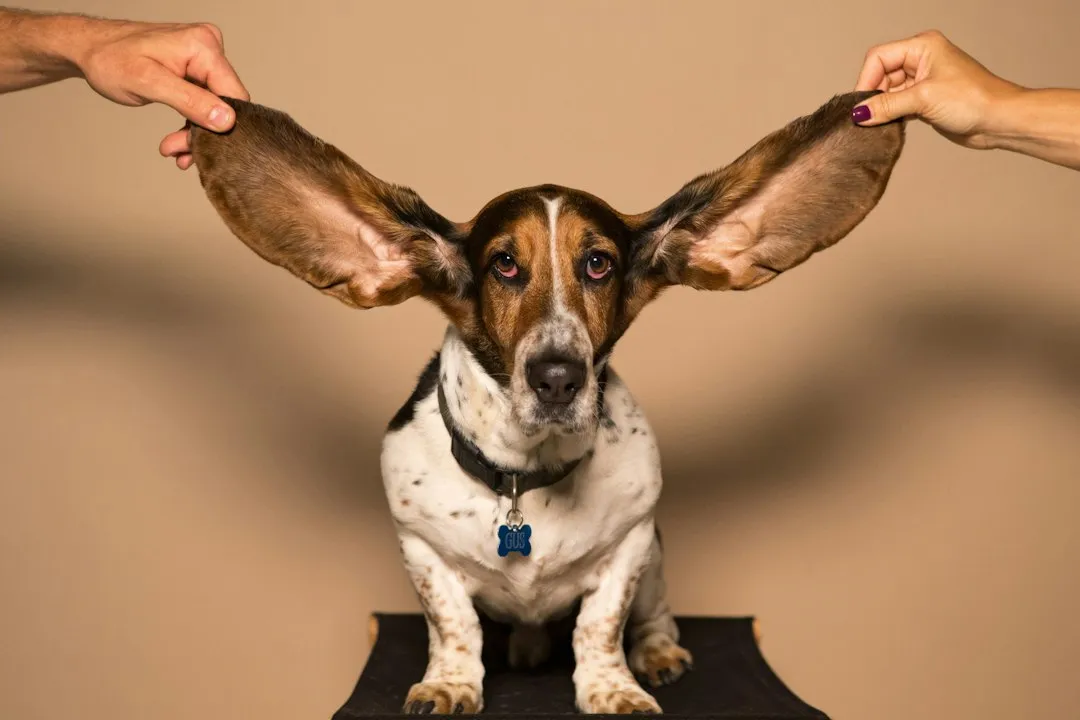
The high-speed winds cause repeated and rapid flapping of a dog’s soft ear flaps (pinnae) against the dog’s skull. This can cause trauma to the ear as the blood pools in the ear flaps, leading to painful swelling. This condition is known as an aural hematoma, and it’s more serious than it sounds.
At high enough speeds, that cool, refreshing breeze can actually rupture the small blood vessels in your dog’s ear flap (pinna). This can result in aural hematoma, a collection of blood in the ear cartilage that causes discomfort and complications if left untreated. Dogs with long, floppy ears, like beagles and cocker spaniels, are at higher risk, but it could happen to any dog.
Left untreated, an ear hematoma can lead to infection, scarring, and potential long-term damage to your dog’s ear. Treatment typically involves veterinary intervention, and in more severe cases, surgery is required to drain the hematoma and prevent recurrence.
The Fall Risk Is Far More Common Than People Realize
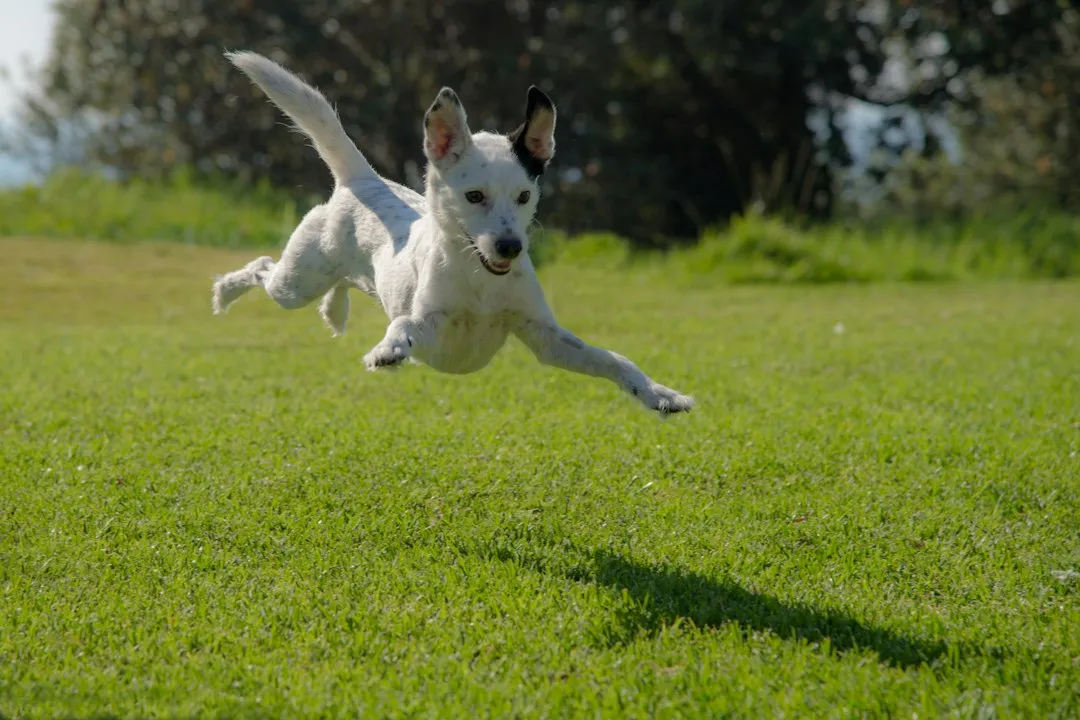
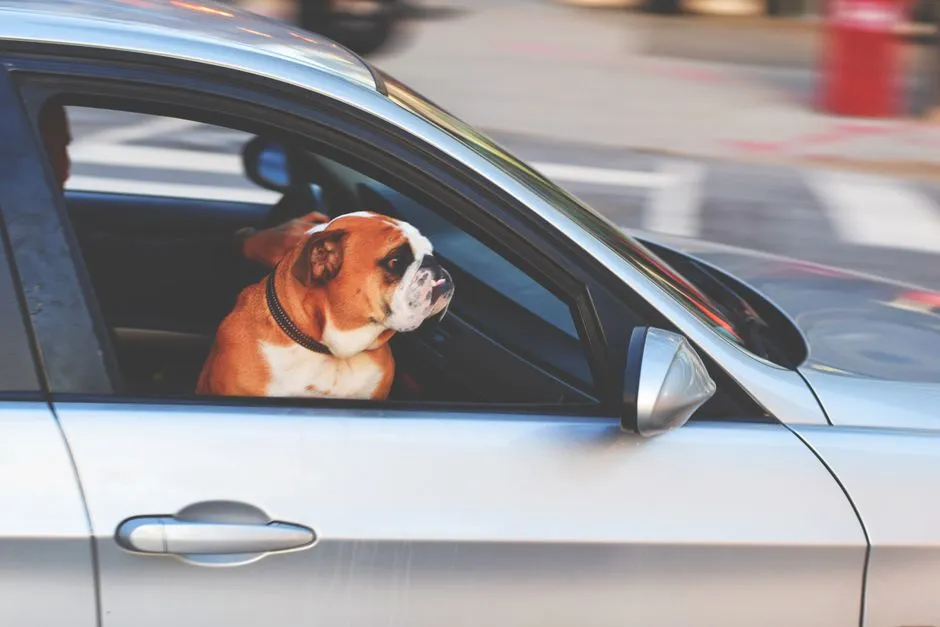
The biggest danger dogs face is the chance they might jump or fall out of the car window. Even if your dog has never tried to leap through an open window before, seeing another dog in a passing car could be enough to rile them up and cause them to jump out. Veterinarians who have worked in emergency settings confirm they’ve seen it happen with both small and large dogs.
Vets have seen fractured femurs from dogs that jumped out of the car trying to chase an animal or fell out barking at a passing car. Broken legs are bad enough, but these dogs were actually lucky, considering a fall like this can be fatal. A moment of excitement is all it takes.
Sudden Stops Can Eject a Dog From the Vehicle
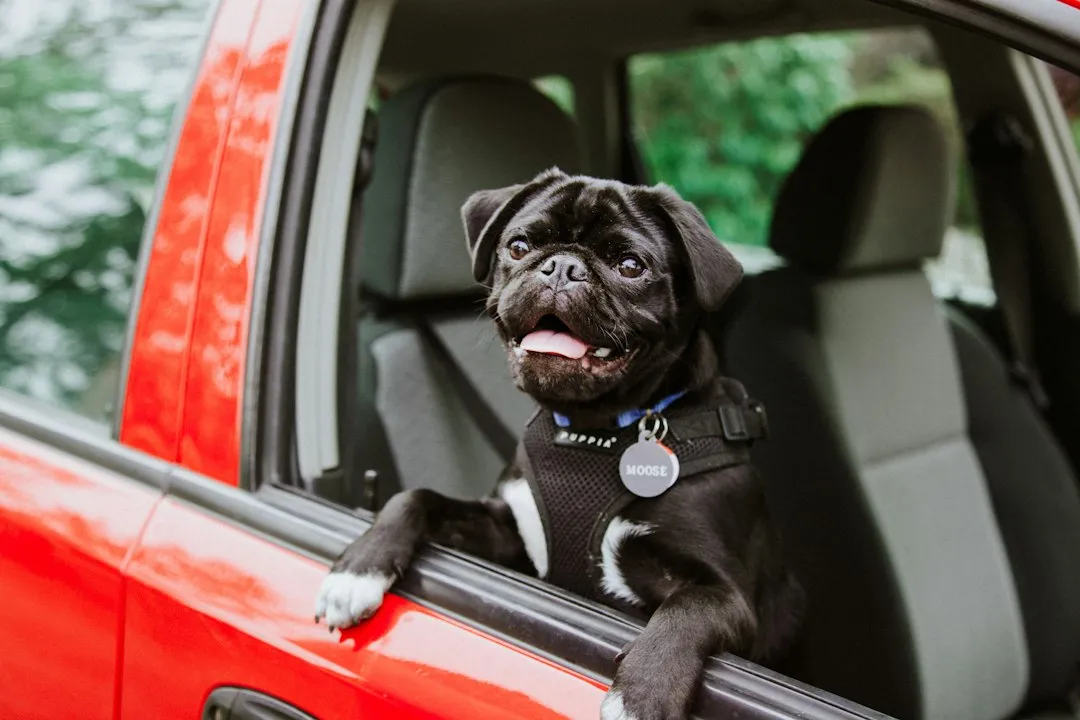
Sudden stops or swerves can lead to dogs being thrown from the car or accidentally rolling up the window, resulting in neck or head injuries. This doesn’t require a serious accident. A quick brake at a traffic light or a sharp turn on a residential street can be enough to send an unrestrained dog into danger.
According to the pet advocacy group BarkBuckleUp, a 60-pound dog in a car traveling 35 mph can turn into a 2,700-pound projectile in an accident. When the window is open, that force doesn’t just stay inside the car.
Loud Noises Can Trigger a Panic Response
Dogs can be startled by sudden loud noises, such as honking horns or passing motorcycles. This unexpected noise can cause panic, which might result in your dog trying to jump out of the window. Dogs process sound differently than humans, and certain frequencies or sudden sounds can trigger a strong reactive instinct.
This is a risk that’s easy to overlook during a calm drive through familiar streets. On a highway or in heavy traffic, however, the auditory environment is unpredictable, and a panicked dog near an open window is a genuine emergency waiting to happen.
Most Dog Owners Skip Restraints Entirely
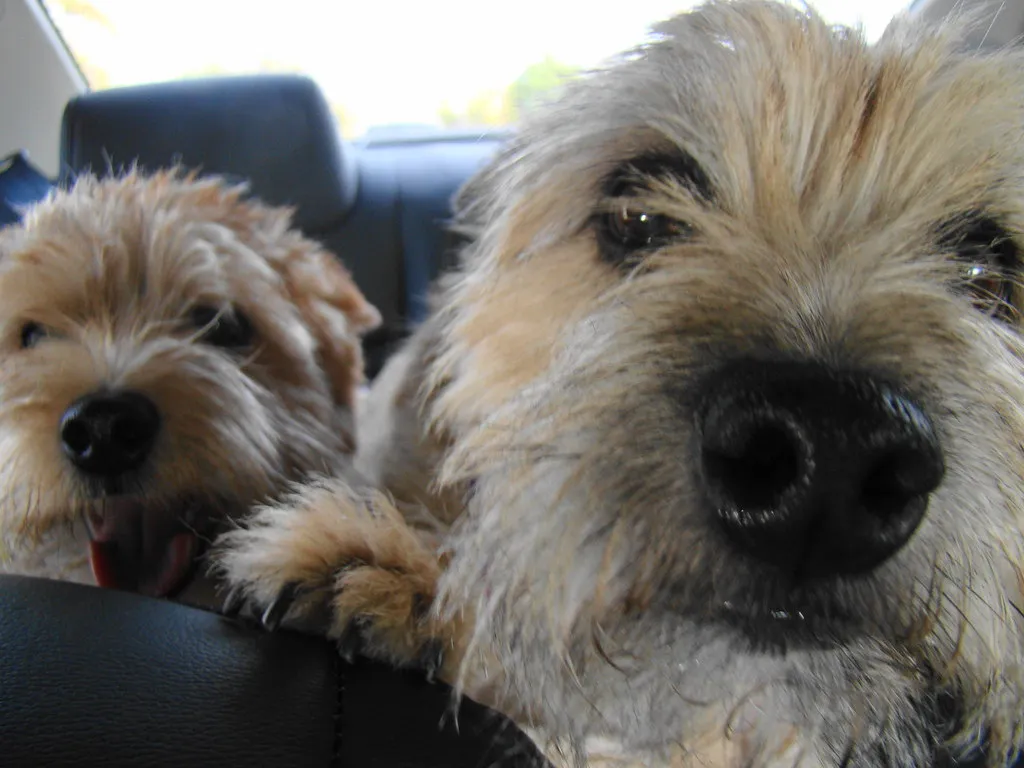
According to a survey conducted by the AAA Foundation for Traffic Safety, an astounding eighty-four percent of respondents bring their dogs on car trips but do not use a restraint. That’s a significant gap between how people travel with their dogs and how they should. A study done by Progressive showed that nearly half of pet parents allow their dog to roam freely in their car.
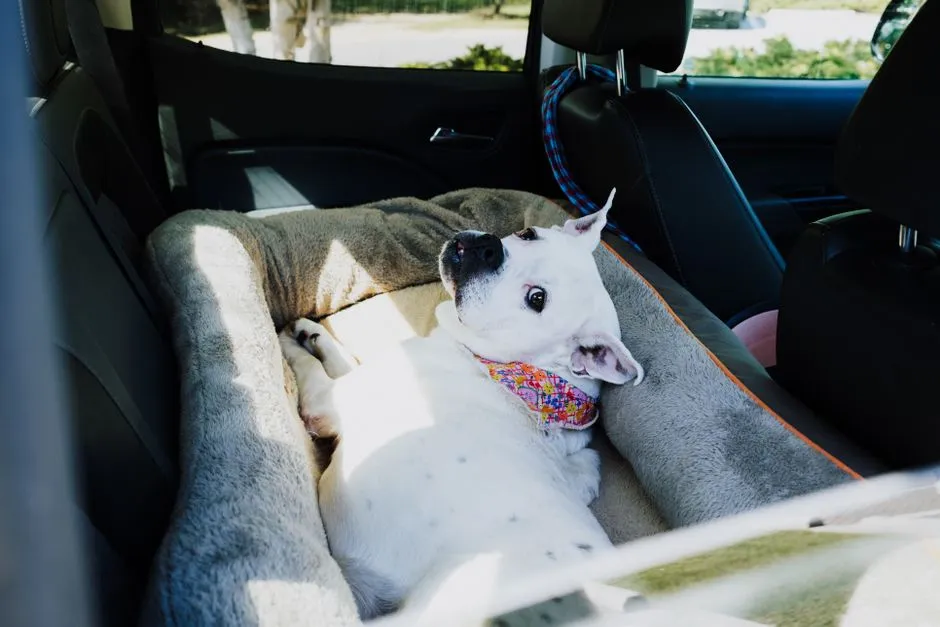
Dogs should always travel in a car with a crash-test certified dog car safety restraint, like a safety harness, pet travel carrier, or travel crate. This applies whether the windows are open or not, because an unrestrained dog in any sudden stop becomes a hazard for everyone in the vehicle.
The AKC Formally Advises Against It
The AKC’s instruction is to never allow a dog to ride with its head out the window, for two published reasons: eye injury from flying debris at road speed, and the risk of the dog jumping or falling out. In a February 2026 update, the AKC stated that dogs riding in vehicles should be in a dog crate or secured with a crash-tested dog seat belt.
Many veterinarians and animal welfare experts warn against allowing dogs to stick their heads out of car windows. According to their advice, the potential risks far outweigh the momentary enjoyment that your pet might experience. This is not a fringe position; it reflects a broad professional consensus.
What You Can Do Instead
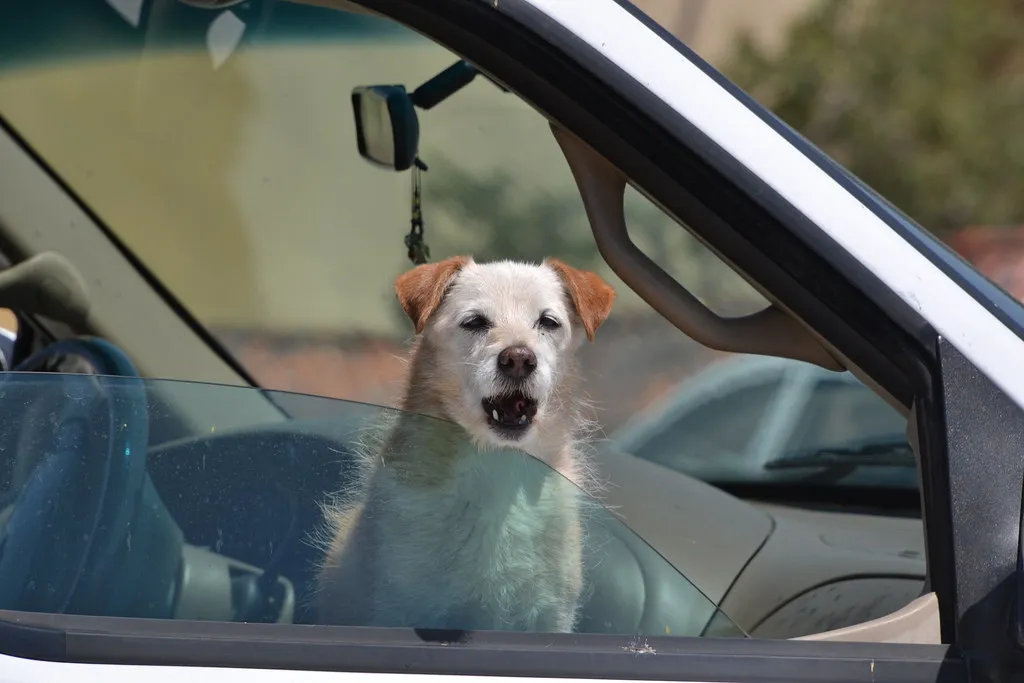
Consider cracking the window to allow some wind and scents in without your dog being able to fully put their head out of the car window. This gives them access to the sensory richness they enjoy without the exposure that creates risk. If you want airflow for a dog, the air conditioning or a cracked front window does the job without giving the dog a gap it can get its head through.
Cathy Meeks, an internal medicine specialist at BluePearl Veterinary Partners, noted that the scents, sights, and sounds outside the car provide a dynamic environment that keeps dogs mentally enriched. A cracked window achieves much of that same enrichment safely. Pair it with a secured harness or a well-ventilated crate, and you have a travel setup that works for everyone.
The Takeaway
Dogs don’t evaluate risk the way we do. They follow instinct, excitement, and scent. That’s part of what makes them wonderful, and part of what makes them vulnerable in situations we design for humans. The open car window isn’t a reward; from a veterinary standpoint, it’s an unmanaged hazard.
Keeping your dog safely inside the vehicle doesn’t mean taking away their joy. It means protecting the animal who trusts you to make the right call, especially when they can’t make it themselves. A cracked window, a secured harness, and a short drive to somewhere they love is still a very good day for a dog.
AI Disclaimer: This article was created with the assistance of AI tools and reviewed by a human editor.