
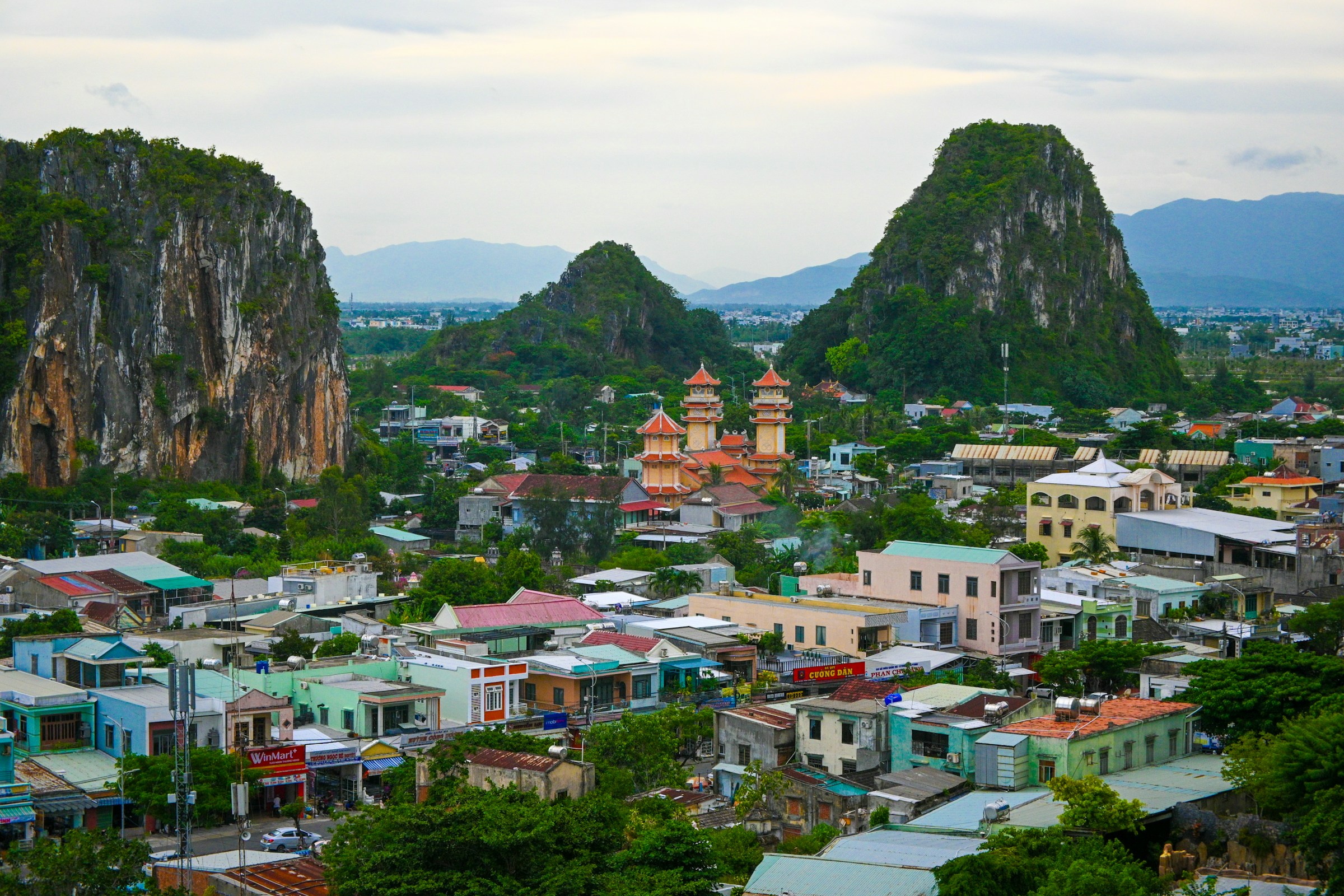

Vietnam’s central coast has a way of surprising people. What many travelers once passed through on the way between Hanoi and Ho Chi Minh City has quietly transformed into one of Southeast Asia’s most compelling places to live and work remotely. The corridor stretching from Hue through Da Nang and south to Hoi An now draws a steady stream of remote workers who keep extending their stays well beyond the original plan.
The reasons are concrete rather than romantic. Fast internet, genuinely low costs, a walkable urban environment, and a cultural depth that rewards slower exploration make this stretch of coastline genuinely practical for people who work online. Here is a close look at exactly what is driving the shift.
Da Nang: Vietnam’s Unofficial Nomad Capital
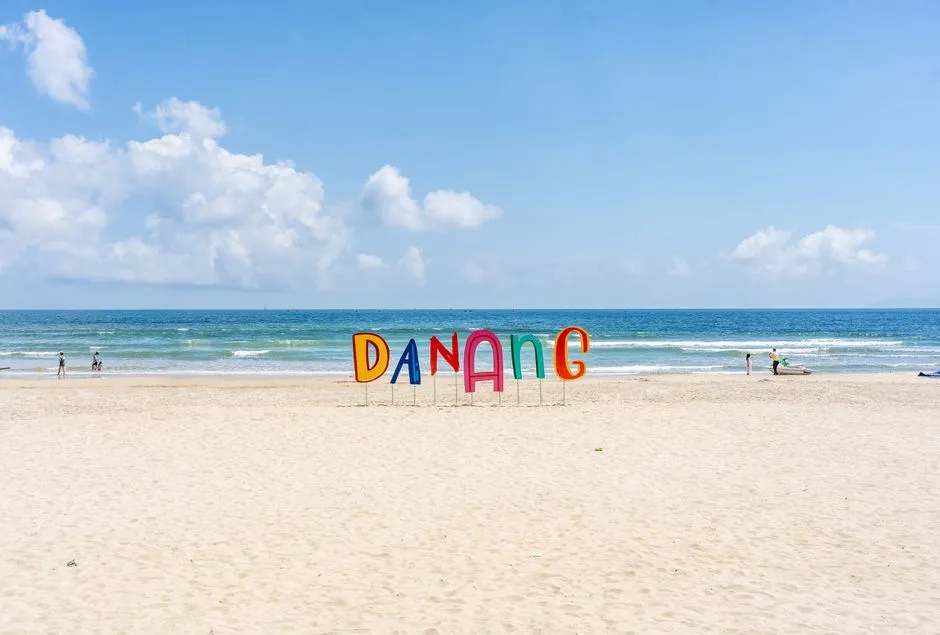
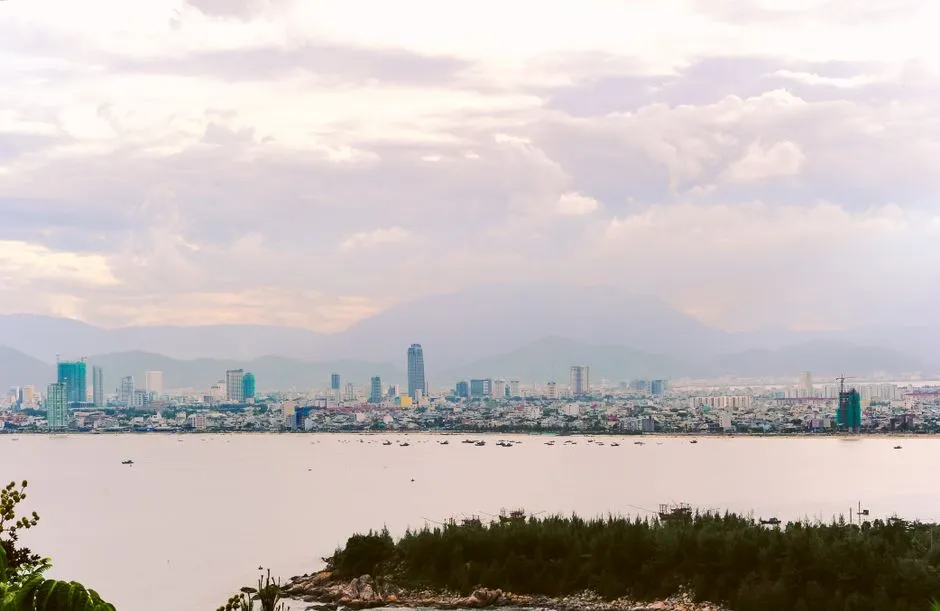
Located on Vietnam’s central coast, equidistant between Hanoi in the north and Ho Chi Minh City in the south, Da Nang offers a rare combination that defines nomad-friendly cities: an affordable, walkable urban core; a genuine beachfront within cycling distance; fast, reliable internet; and a critical mass of other remote workers that has generated a self-sustaining community infrastructure. That convergence of practical factors is precisely what keeps nomads coming back.
The central Vietnamese city of Da Nang is rapidly emerging as a preferred base for digital nomads worldwide, increasingly rivalling established destinations such as Chiang Mai and Bali. Today, the city offers booming beach clubs, modern apartments, world-class hospitals, international schools, a lively expat scene, and multiple ways to stay active, entertained, and connected.
The Cost of Living: What the Numbers Actually Say
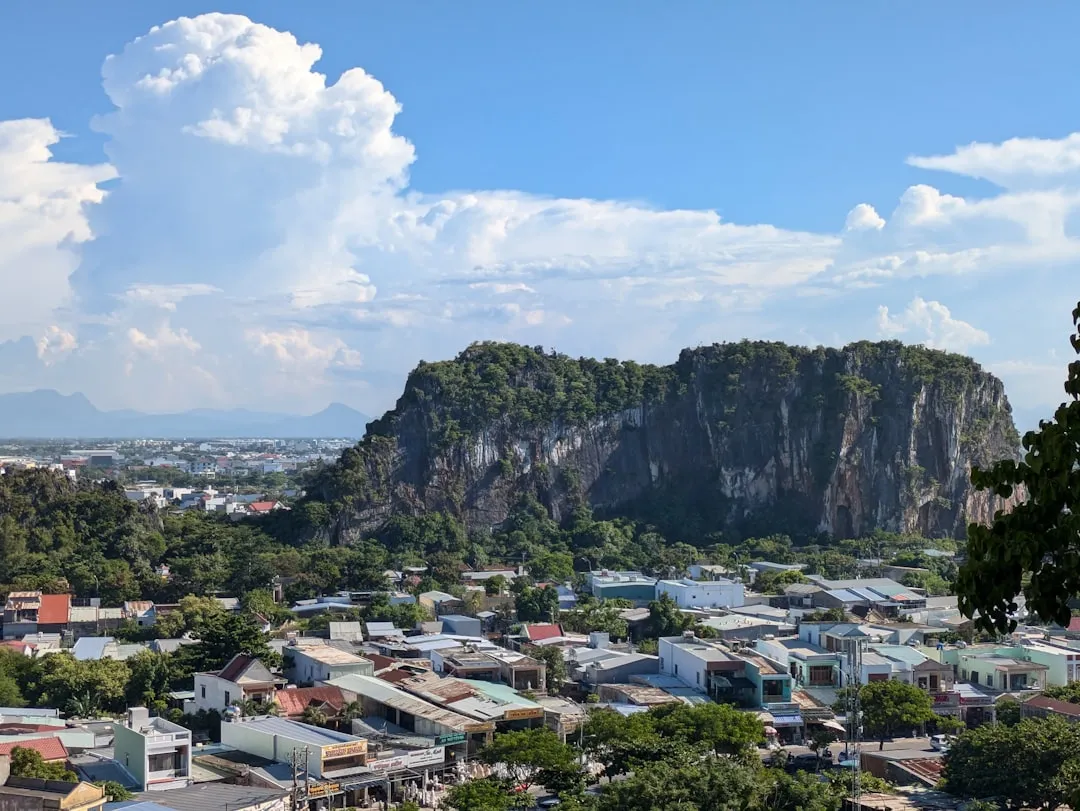
A solo digital nomad can live well for roughly 900 to 1,300 USD per month in Da Nang, covering private accommodation, regular dining out, and a coworking membership. That figure holds up consistently across multiple independent sources from 2025 and 2026, making it one of the more reliable cost estimates for the region.
A modern one-bedroom apartment near My Khe beach typically runs between 350 and 500 USD per month, food costs between 250 and 350 USD for a healthy mix of local and international meals, a coworking hot desk or flexible membership adds another 80 to 120 USD, and scooter rental or ride-hailing apps like Grab round out transport costs at roughly 50 to 80 USD.
A comfortable monthly budget in Da Nang runs well below what you’d spend in Bangkok or Bali, even with a decent apartment and eating out regularly. That straightforward comparison explains a lot of the migration happening right now.
Internet Infrastructure That Actually Delivers

In major cities and tourist areas you can easily get 100 to 500 Mbps fiber connections, and coworking spaces in Da Nang usually offer backup generators and gigabit speeds. For anyone running video calls across multiple time zones, that reliability matters far more than headline speeds alone.
Vietnam combines a low cost of living with solid infrastructure: fast, cheap internet, a growing number of coworking spaces, and a café culture built for people who work on laptops. Even small cafés offer speeds over 100 Mbps, often faster than in neighboring countries. Internet access is rarely a source of frustration here, which separates it from many other budget-friendly destinations in the region.
The An Thuong Neighborhood: Where the Community Lives

The An Thuong neighborhood concentrates everything a remote worker needs within walking distance: coworking spaces, dozens of work-friendly cafés, yoga studios, gyms, restaurants, and the beach, always just minutes away. It functions less like a tourist strip and more like a genuine neighborhood that has organically grown around the needs of people who work online.
Within a few blocks, nomads can find multiple coworking spaces including Toong Coworking, Base Coworking, and Enouvo Island, alongside dozens of work-friendly cafés with reliable WiFi, yoga studios, gyms, and wellness centers. Enouvo Space in particular offers a coliving and coworking all-in-one package that many longer-stay nomads find worth the investment.
Hoi An: A Different Kind of Remote Work Base

Just 30 kilometers south of Da Nang, Hoi An offers a completely different energy. The ancient town, a UNESCO World Heritage Site, is one of the best-preserved trading ports in Southeast Asia, with narrow streets of yellow-walled merchant houses, centuries-old temples, ornate covered bridges, and the Thu Bon River flowing through it all.
Hoi An’s nomad scene has matured considerably in 2025 and 2026, with a growing number of dedicated coworking spaces supplementing the city’s famous café-working culture. Spaces like The Field Coworking Hoi An have become popular bases for creative workers and deep-focus professionals.
Hoi An suits creatives and deep-focus workers who want a quieter pace. Most nomads base themselves in the An Bang Beach area, a quieter beach strip four kilometers from the ancient town, or in the Cam Nam neighborhood, a tranquil island just across the river from the old quarter. The choice between Da Nang and Hoi An often comes down to temperament more than budget.
Food Culture That Goes Well Beyond the Budget Cliché

The central coast’s food scene is exceptional even by Vietnamese standards, with Hoi An’s Cao Lau noodles and White Rose dumplings among the dishes that genuinely cannot be replicated elsewhere in the country. These are dishes tied to specific local water sources and recipes, not items you’ll find authentically reproduced in Hanoi or Saigon.
Street food meals cost between one and three dollars, a bowl of pho runs about one dollar fifty, and specialty coffee sits comfortably between two and four dollars. The quality-to-price ratio for food in this region is one of the genuinely hard-to-argue-with facts about the central coast’s appeal. Eating well here doesn’t require effort or compromise.
The Visa Situation: Practical and Honest
As of 2026, Vietnam does not offer a dedicated digital nomad visa. The 90-day e-visa is what the vast majority of remote workers use. It is available to citizens of all countries and territories, supports multiple entries, and the entire application is completed online.
Most nomads enter on a standard 90-day multiple-entry e-visa costing around 50 USD, then do quarterly visa runs to neighboring countries at a cost of roughly 200 to 400 USD per trip. A 12-month multiple-entry arrangement, organized through a sponsor or coworking space, gets longer-stay nomads out of the 90-day cycle entirely. It involves more paperwork and upfront cost, but pays for itself for those basing themselves in Vietnam long-term.
The Growing Nomad Community and Social Infrastructure

Da Nang’s international community now hosts regular meetups and networking events, including the Vietnam Nomad Fest that took place in 2025. Events like these signal something important: the destination has moved from emerging to established, with the social scaffolding that makes longer stays genuinely sustainable.
With affordable living costs, reliable internet, a warm climate, and a vibrant food and culture scene, Vietnam’s central coast has become an ideal base for remote workers. The nomad community here is self-reinforcing. New arrivals find established networks, coworking communities, and local knowledge that would take months to build independently elsewhere.
Quy Nhon: The Quieter Alternative on the Central Coast

Quy Nhon, a lesser-known beach town on the central coast, offers super-fast internet, fresh local seafood, and affordable resorts, with fewer crowds, great sunsets, and an easy pace. It sits about three hours south of Da Nang and attracts nomads who find even Hoi An a little too polished.
The cost of living in Quy Nhon is approximately 30 percent less than many of the larger Vietnamese cities, allowing digital nomads to live comfortably while retaining more of their income. The regional government is actively focused on positioning Quy Nhon as a destination for digital nomads, including providing certain incentives for technology firms. It is the kind of place that rewards those willing to look slightly off the beaten path.
The Honest Trade-offs Worth Knowing

Da Nang has become very busy since 2025, and the influx of tourists, nomads, and international arrivals, alongside real estate speculation, are driving up prices rapidly. That is a genuinely important caveat. The window of maximum affordability in the most popular neighborhoods may be narrowing.
The downside of Da Nang for some is limited coworking options and a noticeably thinner expat community during the off-season from May through September. March through August is generally the best weather window for Da Nang, with dry conditions, calm seas, and reliable work routines. Planning around seasonal realities is simply part of making the central coast work well as a long-term base. Those who plan thoughtfully tend to stay far longer than they originally intended.
The Takeaway
Vietnam’s central coast isn’t a trend chasing Bali or Chiang Mai. It has its own distinct logic: a compact geography that puts ancient heritage, a beach, fast internet, and genuinely affordable food within the radius of a single city. That combination is rarer than it sounds.
The infrastructure is real, the costs are verifiable, and the community has moved well past the early-adopter phase. Da Nang isn’t just a stopover anymore; it’s become one of Asia’s best value-for-money cities for digital nomads. For anyone weighing their next remote work base with genuine care, the central coast of Vietnam deserves a serious look rather than a passing mention.
AI Disclaimer: This article was created with the assistance of AI tools and reviewed by a human editor.