
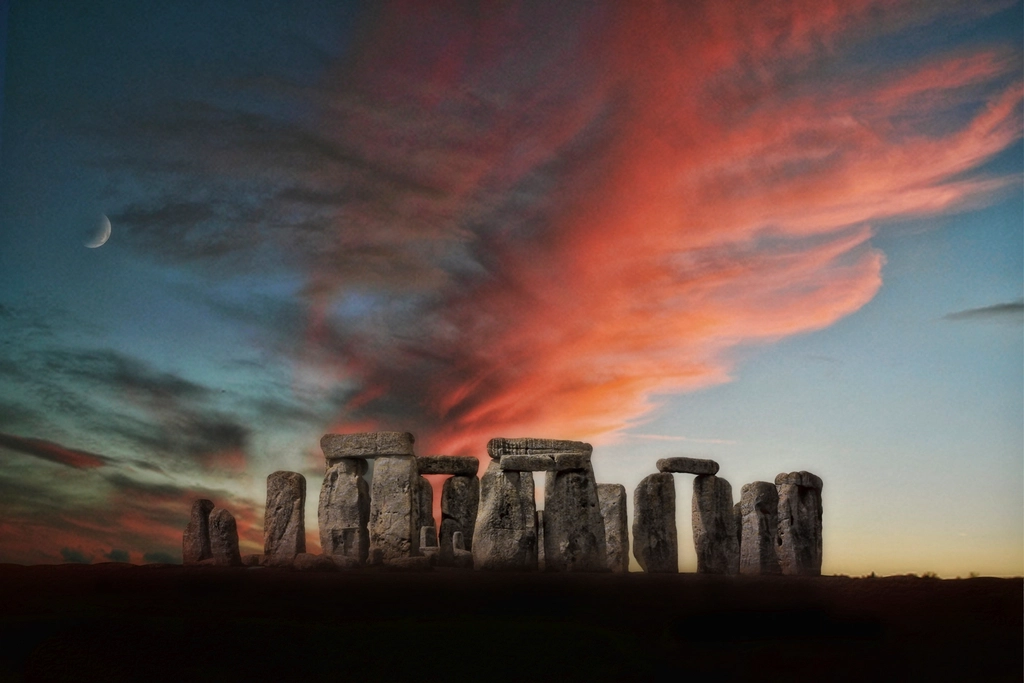
When Visitors Could Actually Take a Piece Home
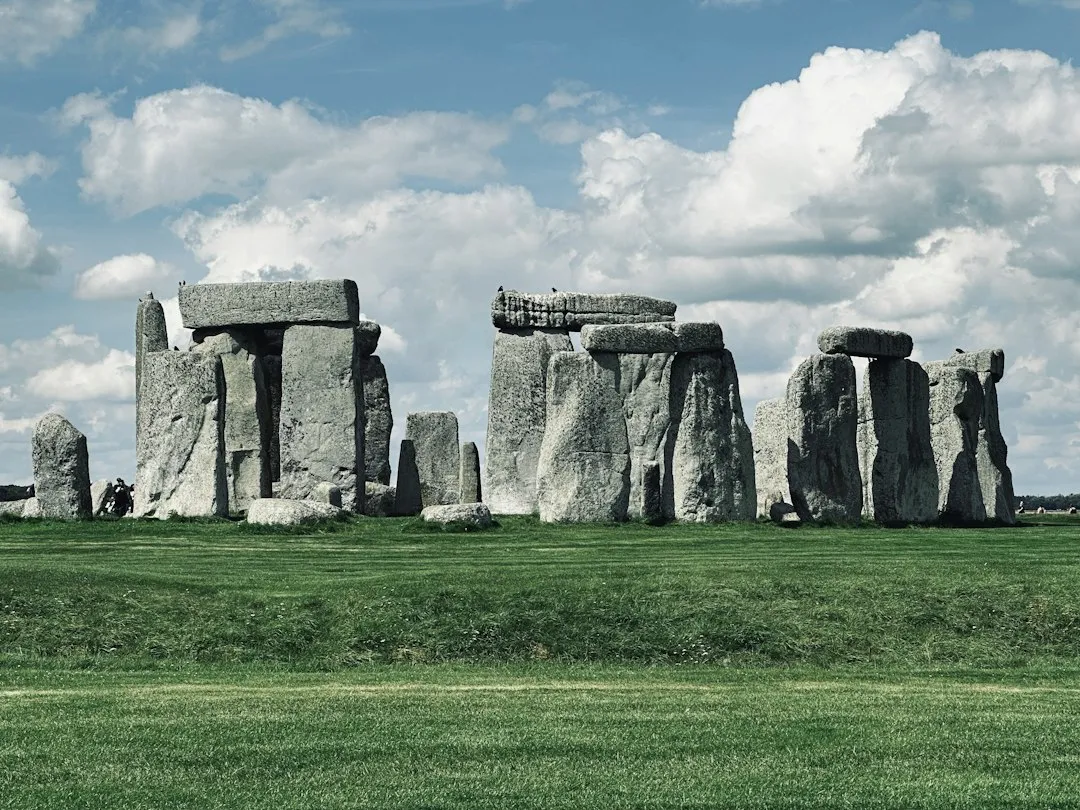
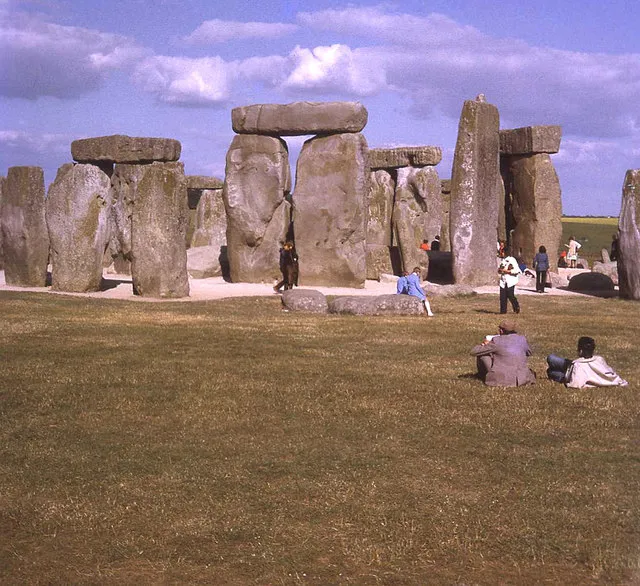
It’s remarkable how recently Stonehenge was treated as a kind of open-air curiosity rather than a protected monument. In the past, visitors to Stonehenge were actually handed chisels so that they could chip off a little piece to take home. This was not fringe behavior – it was a sanctioned part of the visit, normalized by the culture of the era. The practice was outlawed around 1900, when landowner Sir Edmund Antrobus decided the site needed protecting and introduced charges.
Throughout the Victorian period, Stonehenge was a popular location for picnics and gatherings at public holidays. The idea of carefully managing access simply didn’t exist in the way it does today. It took deliberate, generational effort to shift that mindset – and the stones paid a price in the meantime.
The Ropes Go Up: 1977 and the Turning Point
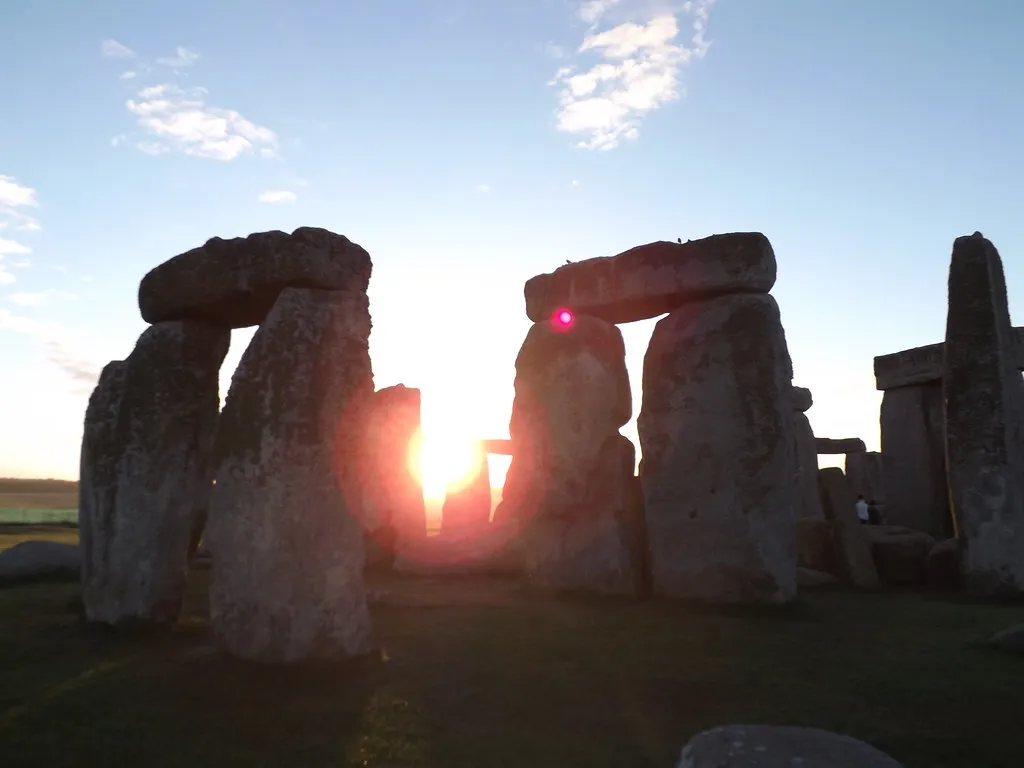
By the end of the 1970s, visitor numbers at Stonehenge had risen steeply. The Department of the Environment, which then managed Stonehenge, was concerned that the resulting erosion of ground surfaces would be detrimental to the site’s long-term preservation. As a result, in 1977, the stone circle was closed off behind a fence. It was a significant and controversial decision at the time.
After March 1978, everyone was banned from inside the circle – including archaeologists and other researchers, much to their annoyance. The numbers that prompted that decision were staggering. As visitorship increased, the grass in the center of the stones died from being trampled by 815,000 people each year.
The Science Behind the Ban: Oils, Lichens, and Erosion
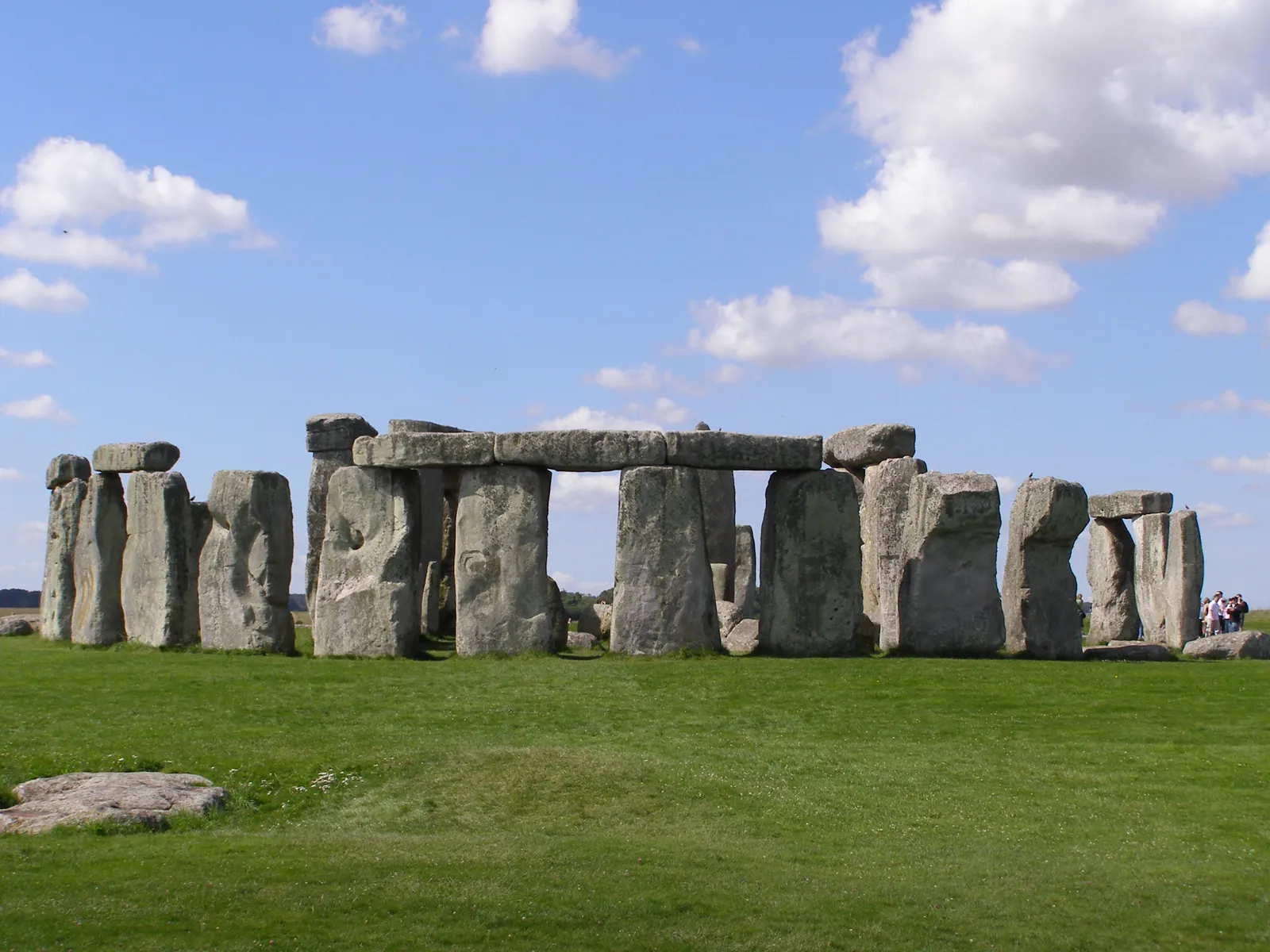
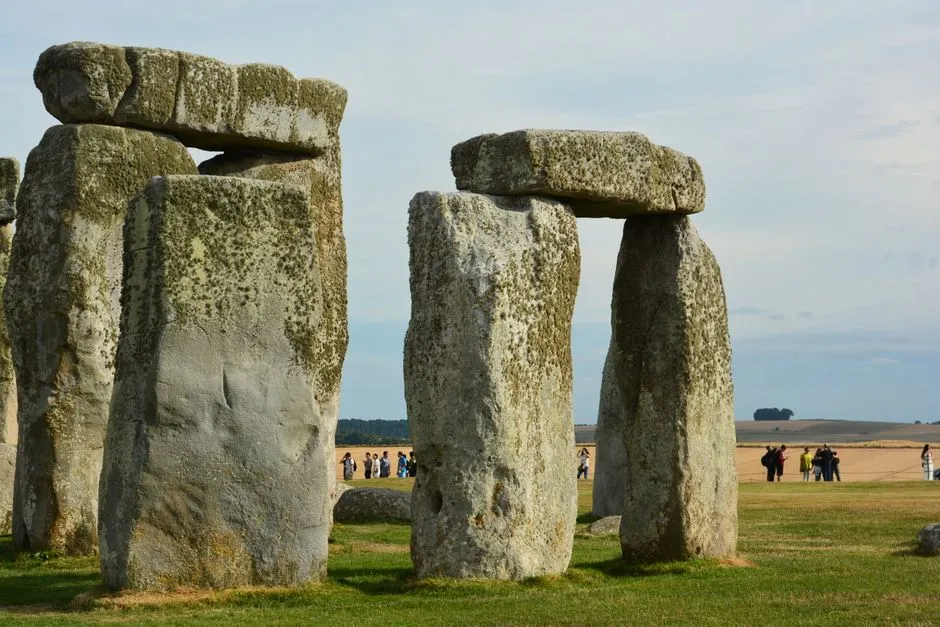
Every year, thousands of tourists unwittingly contribute to the erosion of Stonehenge’s surface by touching the ancient stones, leaving behind a residue of oils and dirt that can accelerate weathering and damage. This isn’t a hypothetical risk – it’s a measurable, cumulative problem. Rare lichens also grow on the stones, so physical contact can cause damage.
The stones are covered in ancient lichens that are crucial to their preservation, and curious fingers could cause some serious damage. Those lichens represent thousands of years of biological growth. They’re fragile, slow to recover, and irreplaceable once lost. Restricting access protects the fragile archaeology underfoot and the delicate lichens on the stones from erosion.
The Feet Problem: What Millions of Visitors Do Underfoot
The damage at Stonehenge has never been only about hands. The ground beneath the stones is itself an extraordinary archaeological record, and foot traffic poses a genuine threat to it. An article entitled “Heritage Under Siege” in New Scientist reported the Chief Inspector of Ancient Monuments and Historic Buildings as saying: “The whole problem of Stonehenge is numbers… what menaces Stonehenge are the millions of feet (and hands) of the ordinary visitors.”
An archaeologist calculated that if each visitor walked around the central area just twice during their visit, the effect would be the same as having one man standing on each square foot inside the ring and jumping up and down on that spot 62 times every day throughout the year. That calculation shifted how conservationists understood the problem. Volume, not individual behavior, was the real threat.
The Legal Framework That Makes It a Criminal Matter
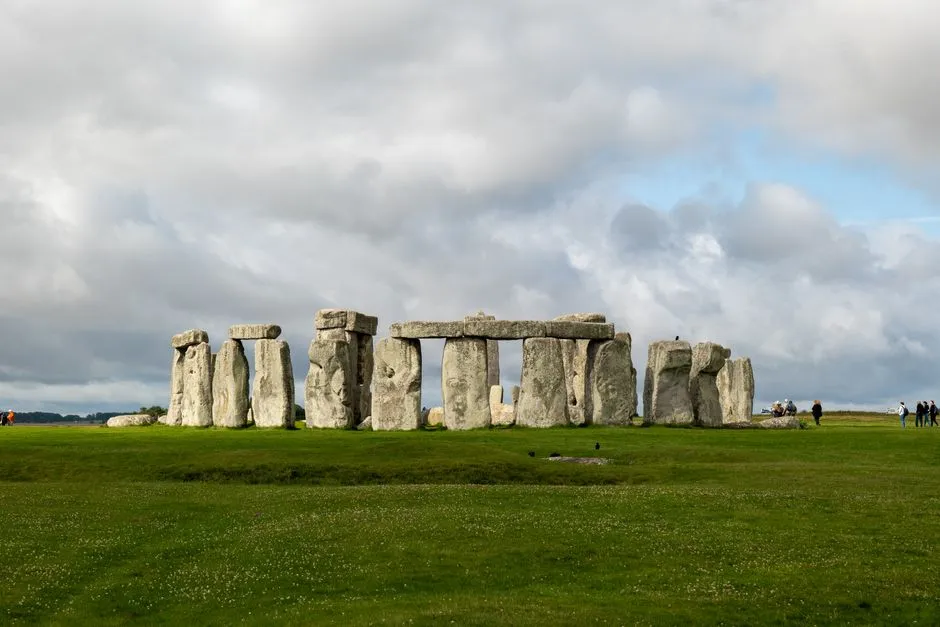
Stonehenge is protected under the Ancient Monuments and Archaeological Areas Act 1979 and the Stonehenge Regulations 1997. These aren’t gentle advisory frameworks. Visitors must adhere to the regulations outlined in the Act and Regulations or they may face criminal prosecution. No person may touch, lean against, stand on or climb the stones, or disturb the ground in any way.
Touching, leaning on, or climbing the stones is strictly forbidden to protect them from damage and erosion. The legal protections are intentionally firm, because the monument’s survival depends on consistent, enforceable standards – not just good intentions from individual visitors.
The Free Festival Era and the Battle of the Beanfield
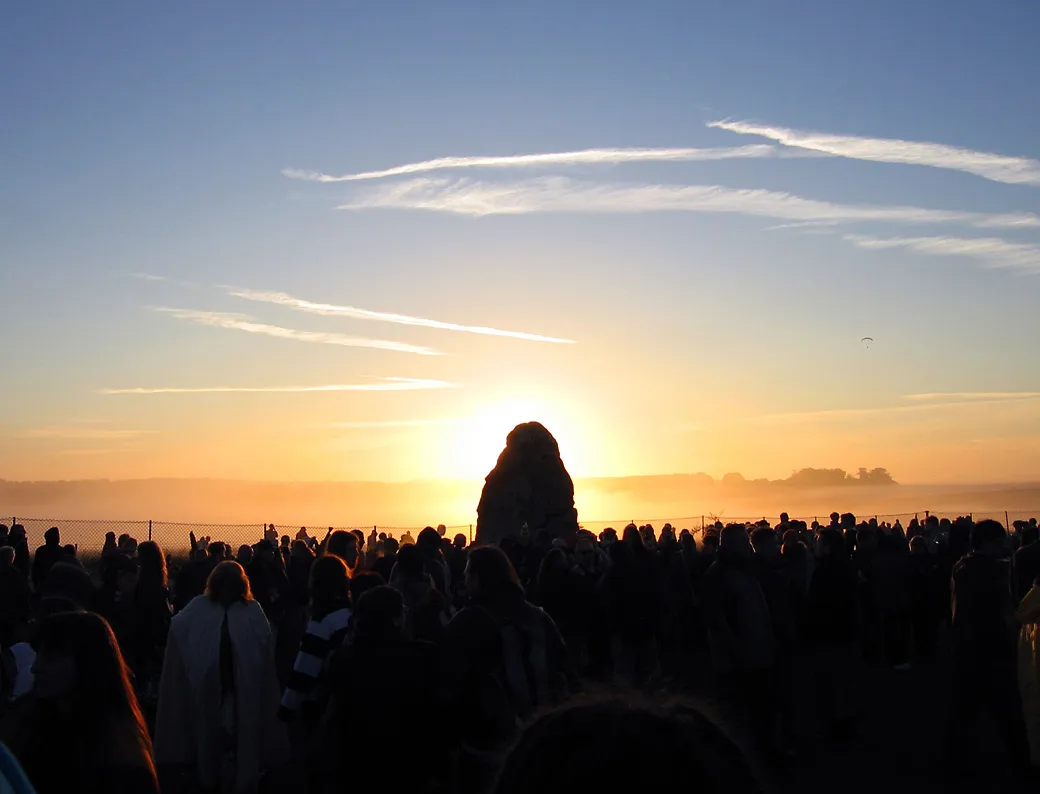
Open drug use and anti-social conduct at large gatherings contributed to the increase in restrictions on access to Stonehenge, and fences were erected around the stones in 1977. The Stonehenge Free Festival drew enormous crowds through the late 1970s and early 1980s, and tensions with authorities escalated dramatically. Damage to monuments such as the Cursus barrows was one of the reasons that the festival was banned in 1985.
English Heritage and the National Trust gained a High Court injunction to prevent the annual Stonehenge Free Festival from taking place. To enforce it, the police set up an exclusion zone around Stonehenge, with road blocks on approach roads and barbed wire around the stones. The standoff that followed left a lasting mark on how public access was managed at the site. It was not until 2000 that Stonehenge was made accessible again for the summer solstice under managed open access.
The Stone Circle Experience: Getting Close Without Touching
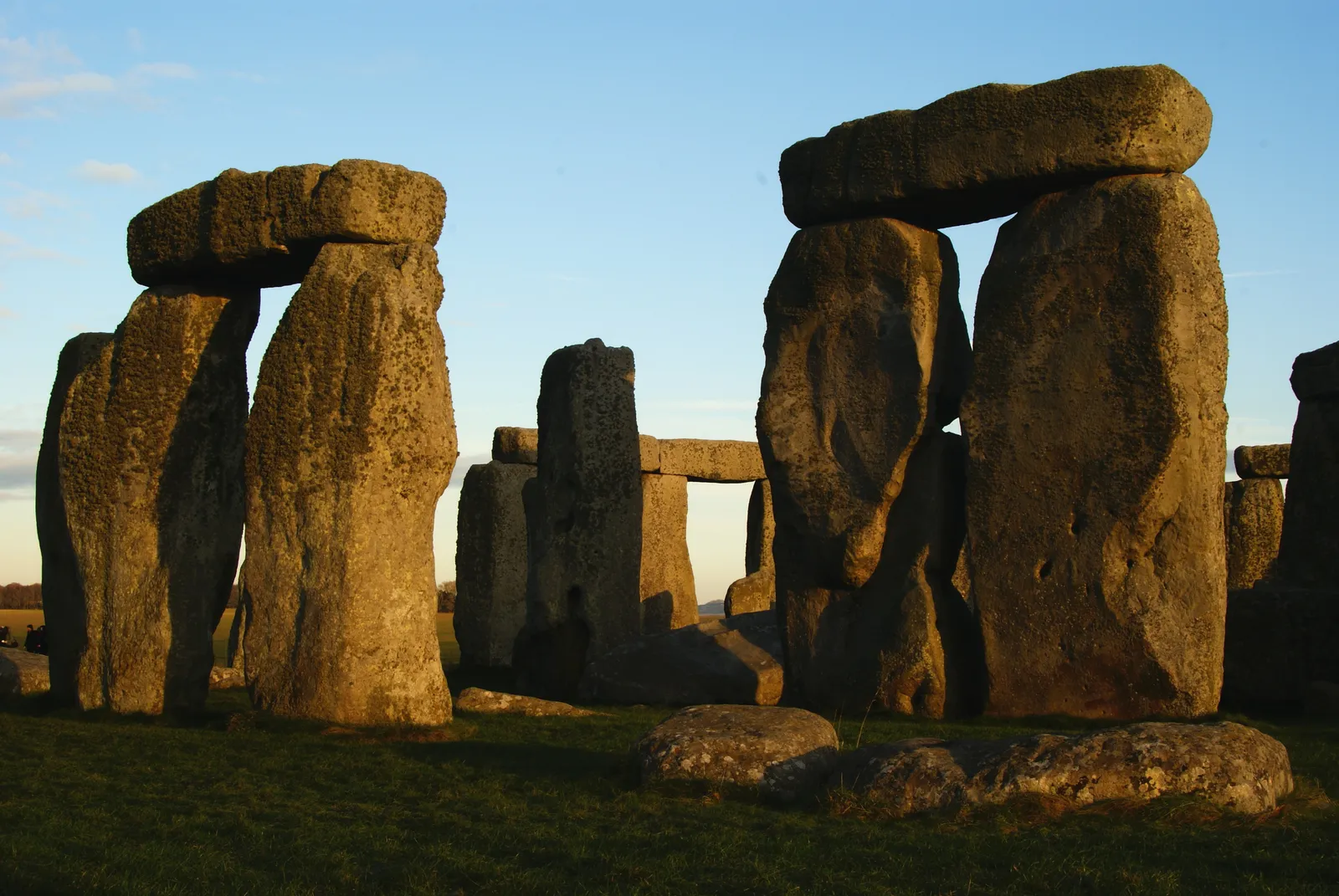
Today, the closest most visitors can get to the stones is roughly ten meters, following the designated viewing path. The viewing path circles the monument from approximately ten meters’ distance. Walking inside the stones requires a separate Stone Circle Experience booking, which takes place outside normal opening hours at dawn or dusk.
Visitors entering the circle during these special visits are allowed to get close to the stones, but they must not touch, climb, lean against, or stand on them. Even at that intimate distance, the no-touch rule holds absolutely. These are one-hour-long slots before and after the monument is open to the public during the day, and a maximum of 30 people are allowed inside at a time.
The Sheer Weight of Visitor Numbers
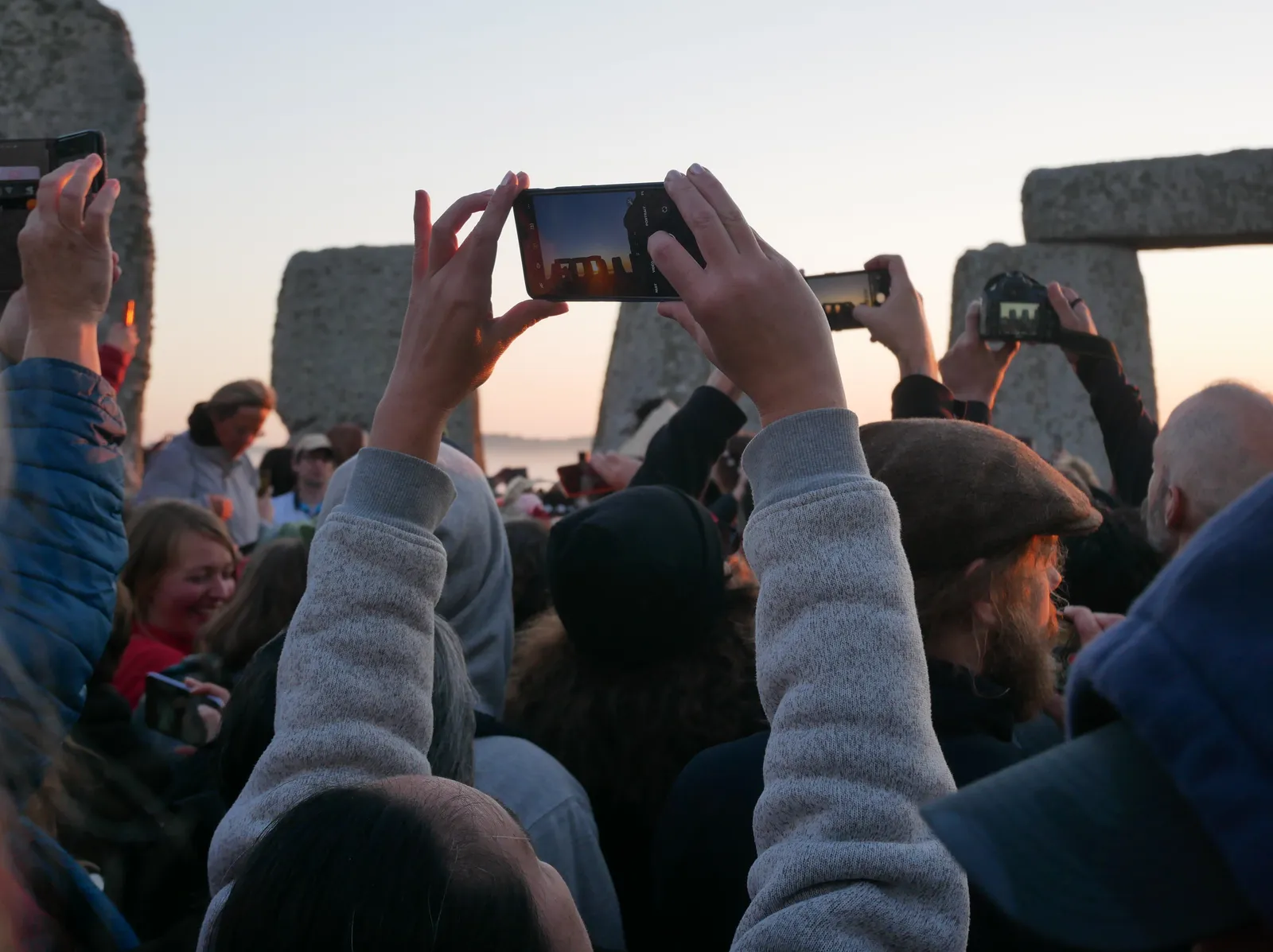
In 2025, Stonehenge welcomed 1,253,405 visitors – an eight percent fall on the previous year and roughly 22 percent below its pre-pandemic peak of approximately 1.6 million in 2019. Even at that reduced figure, the cumulative pressure on the monument remains significant. Stonehenge receives over one million visitors a year. During peak periods, there are over 10,000 visitors a day.
Multiply even modest individual contact – a hand briefly pressed to a sarsen, a finger tracing a surface – across a million visits, and the math becomes sobering. Conservation managers aren’t reacting to isolated incidents; they’re managing the aggregate effect of an enormous and steady human presence. That scale is precisely why the rules have to be unconditional.
Solstice Gatherings: The One Partial Exception
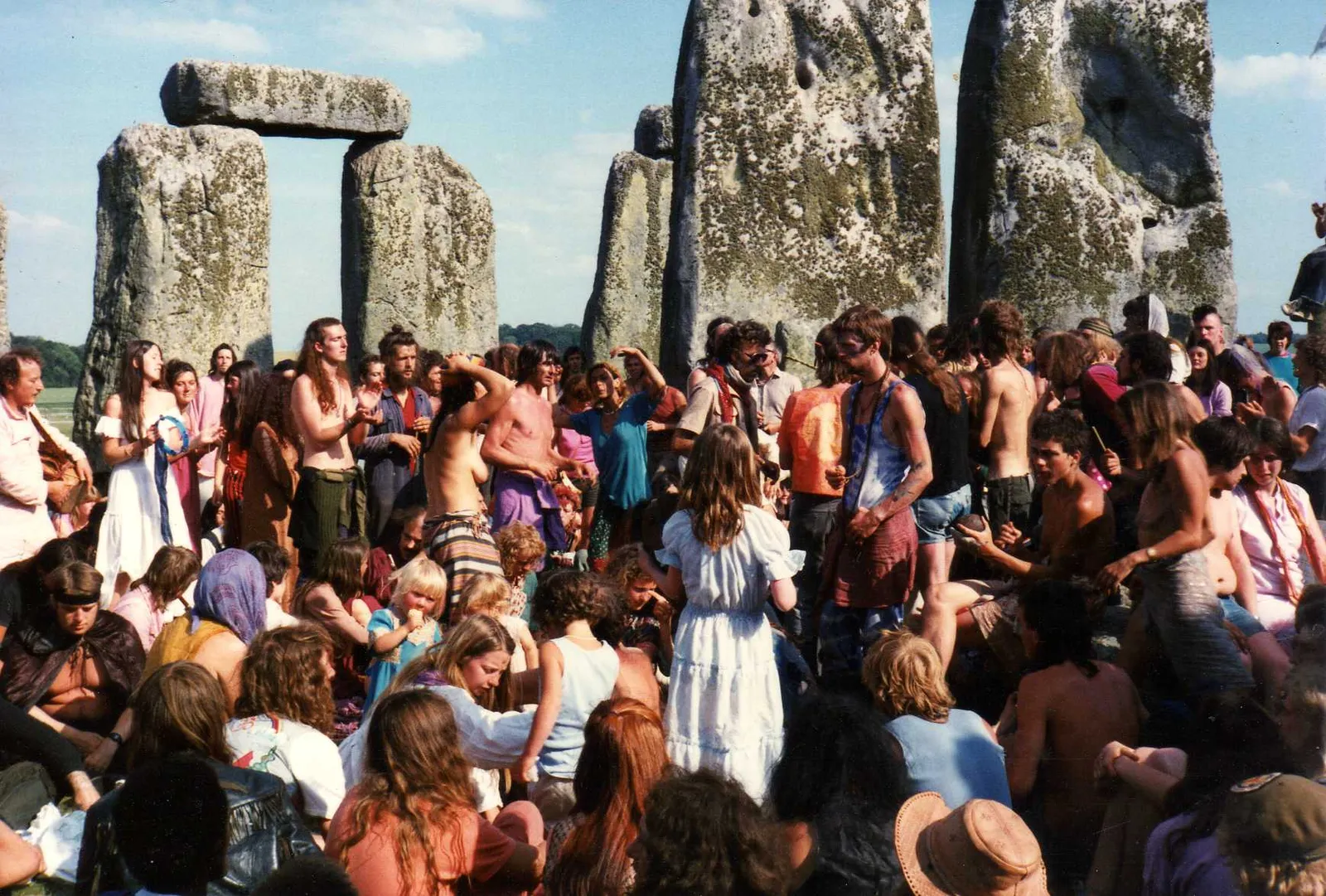
The summer solstice remains a meaningful exception to everyday access rules, drawing thousands of neo-Druids, pagans, and curious visitors each year. People touch the stones at these solstice gatherings. The solstice access operates under a managed open access framework, distinct from the year-round ticketed visits, though it comes with its own conditions and guidance.
The 2024 gathering passed off peacefully despite a Just Stop Oil protest a few days earlier. Managed solstice access reflects a long-fought compromise between preservation needs, religious rights, and public interest. English Heritage agreed to implement open access at the solstice in 2000, following years of campaigning by Druid communities and civil liberties advocates. It remains a carefully negotiated arrangement, not an open invitation.
Tactile Replicas: A Thoughtful Alternative for Curious Visitors
English Heritage has worked to offer something tangible for visitors who want a sensory connection to the stones. Some tactile replica stones near the Neolithic Houses at the visitor center can be touched. This is a thoughtful middle ground – allowing physical engagement without putting the actual monument at risk.
If you want to touch a stone that’s the same age and type as the Stonehenge stones, you can find the Cuckoo Stone near Woodhenge. That’s a genuinely interesting option for those who want to connect with the geology on a sensory level. It’s the kind of practical alternative that makes the restrictions feel less like deprivation and more like responsible prioritization.
What It Means to Visit Responsibly in 2026
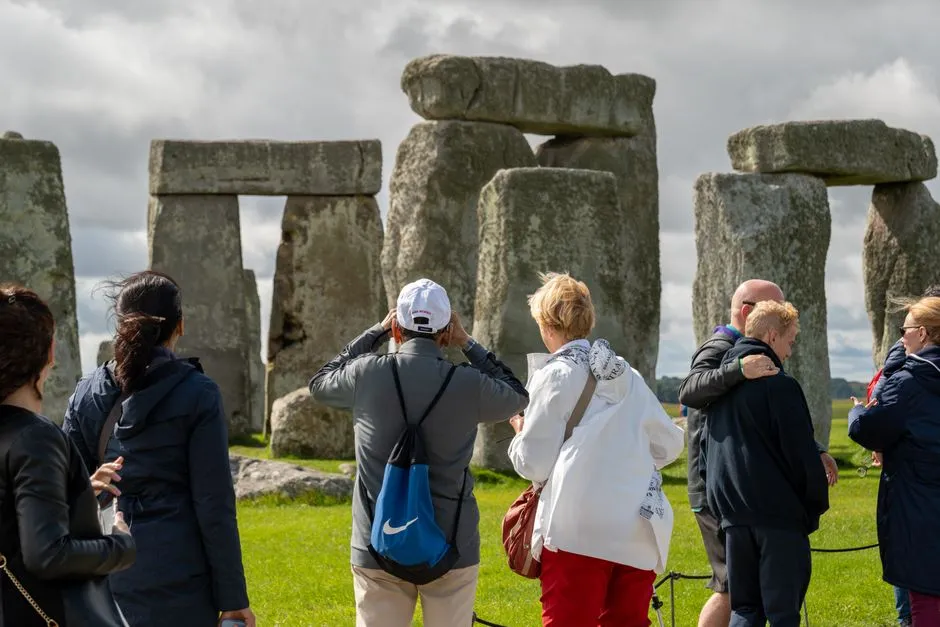
Visitors to Stonehenge are permitted to walk around the monument’s perimeter, taking in the majesty of the ancient stones from a respectful distance, but they must refrain from touching, climbing, or attempting to enter restricted areas. That is the experience as it stands today, and understanding why it works this way transforms a potentially frustrating rule into something that makes complete sense. By refraining from touching the stones, visitors can play a vital role in preserving Stonehenge’s surface for future generations to appreciate.
The scale of the sarsens – up to nine meters tall and weighing 25 tonnes – the quality of the Visitor Centre exhibition, and the extraordinary setting on Salisbury Plain combine to make a visit genuinely memorable. Reviews from millions of visitors consistently rate the experience highly despite the viewing restrictions. The stones don’t need to be touched to be felt.
The Weight of Stewardship
AI Disclaimer: This article was created with the assistance of AI tools and reviewed by a human editor.