
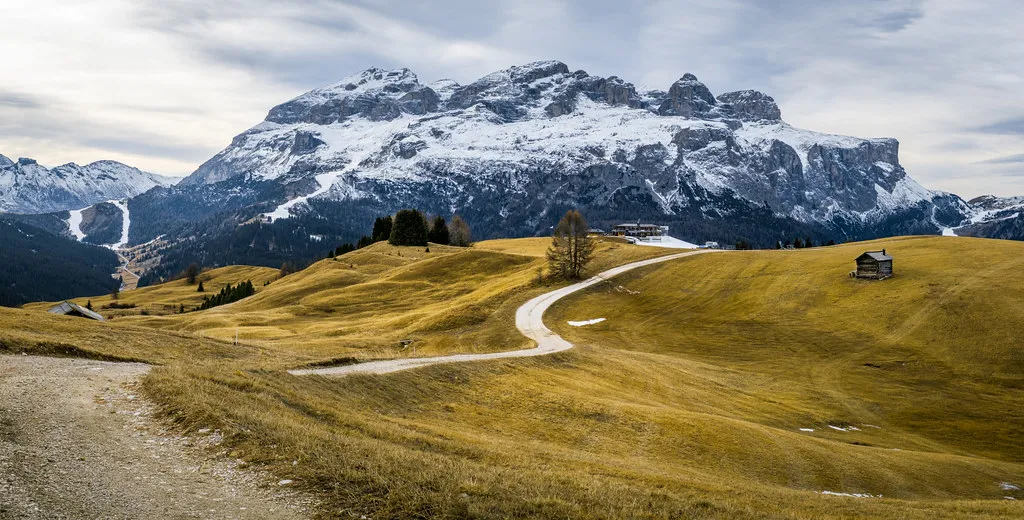
There’s a particular kind of exhaustion that doesn’t go away with sleep. It builds quietly through meeting notifications, city traffic, and the ambient buzz of a device that never quite powers down. At some point, the body and mind start pulling in a different direction – toward open space, toward quiet, toward somewhere that asks nothing of you.
That pull isn’t weakness or escapism. Researchers, ecologists, and public health scientists have spent decades trying to understand it. What they’ve found is both reassuring and a little humbling: we may be wired for landscapes that the modern world is steadily erasing.
The Noise Problem Is Bigger Than We Think

In the United States alone, noise pollution impacts over 100 million Americans, leading to health issues and reduced quality of life. That’s not a minor inconvenience. Noise pollution is responsible for an increase in stress and anxiety among residents, with a prevalence rate of up to 40 percent in certain urban zones.
A 2024 Harvard University study analyzed the deaths of almost 1 million people across five states and found a link between cardiovascular disease mortality and exposure to noise from human-related industrial, commercial, and community activities. Researchers linked cardiovascular deaths to noise at night as well as during the day and found a stronger association in women.
A report released by the European Environment Agency points out that noise pollution has become an important environmental health issue in Europe, where road noise is the main source, and more than 125 million Europeans are troubled by road noise above 55 decibels. When the baseline of daily life is already past the danger threshold, the appeal of a silent mountain valley becomes less romantic and more biological.
Digital Overload Is Draining the Brain

Microsoft’s 2025 Work Trend Index, one of the largest annual studies of workplace productivity surveying tens of thousands of workers across dozens of countries, found that a staggering four out of five employees feel they do not have sufficient capacity to complete their work. That’s not about individual motivation. It is a structural problem created by digital overload: too many tools demanding attention, too many messages requiring responses, and too little uninterrupted focus time remaining for actual work.
Digital burnout negatively affects general psychological health, comprising somatic symptoms, anxiety and distress, social dysfunction, and depression. A Stanford study reveals that excessive screen time can impair memory, slow cognitive processing, and disrupt adult brain connectivity.
The correlations between excessive screen time, physical and mental fatigue, work overload, and disconnection difficulties pose real risks for developing chronic illnesses. The craving for open sky and unmarked terrain isn’t nostalgia. It’s a nervous system asking for relief.
Attention Restoration Theory: The Science Behind the Escape
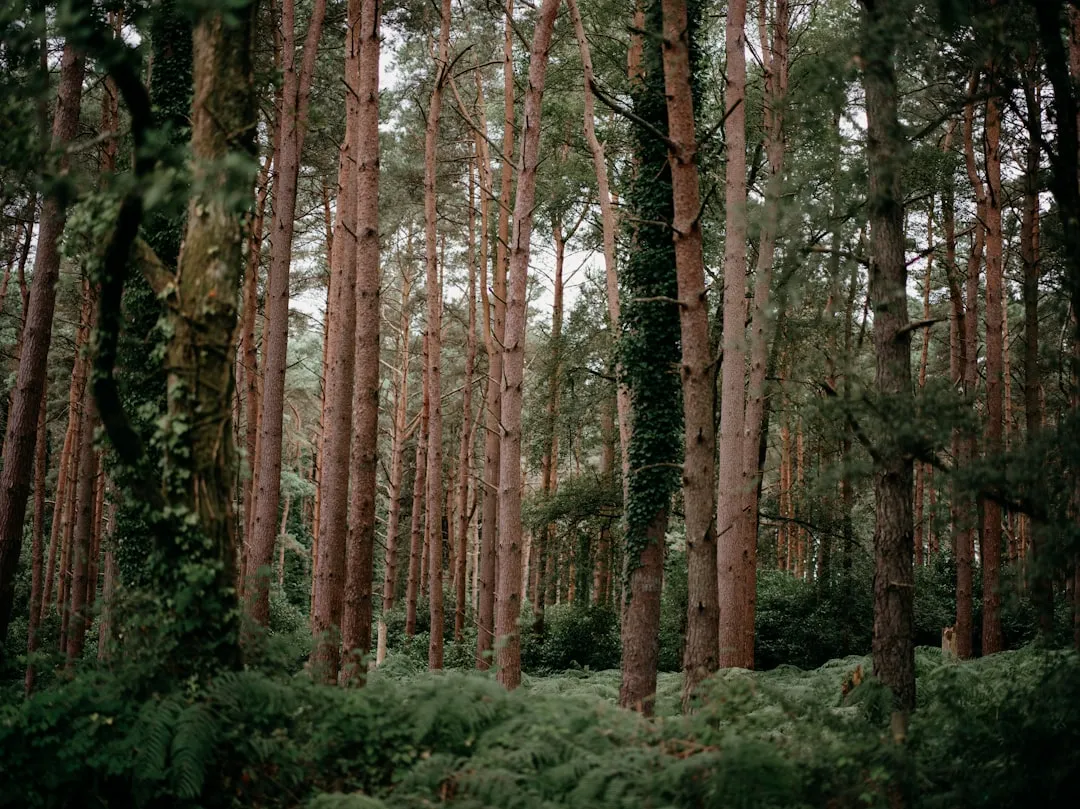
From a psychological perspective, urban lifestyles impose increasing demands on cognitive resources. According to Attention Restoration Theory, these demands on directed attention may be linked to attention fatigue. The antidote, the theory claims, is to take time out from attention-demanding tasks and spend time in natural environments that demand less of our cognitive resources, allowing us to recover attentional capacity.
Restorative environments refer to settings that help individuals recover from mental fatigue and stress by allowing their directed attention to rest. These environments facilitate recovery by engaging involuntary attention through what is termed “soft fascination.” Think of watching clouds shift over a ridge line, or the way water moves around river stones. The environment engages a gentle form of attention that restores cognitive energy rather than drawing from it.
An early study by Hartig, Mang, and Evans compared two groups of vacationers: one vacationed in an urban area, the other in a wilderness area. All groups were tested before and after. Those who spent their vacation in a wilderness area performed better on a directed attention task than they had pre-vacation, while the other groups actually performed worse. That finding has held up across decades of research.
What Silence Actually Does to the Body
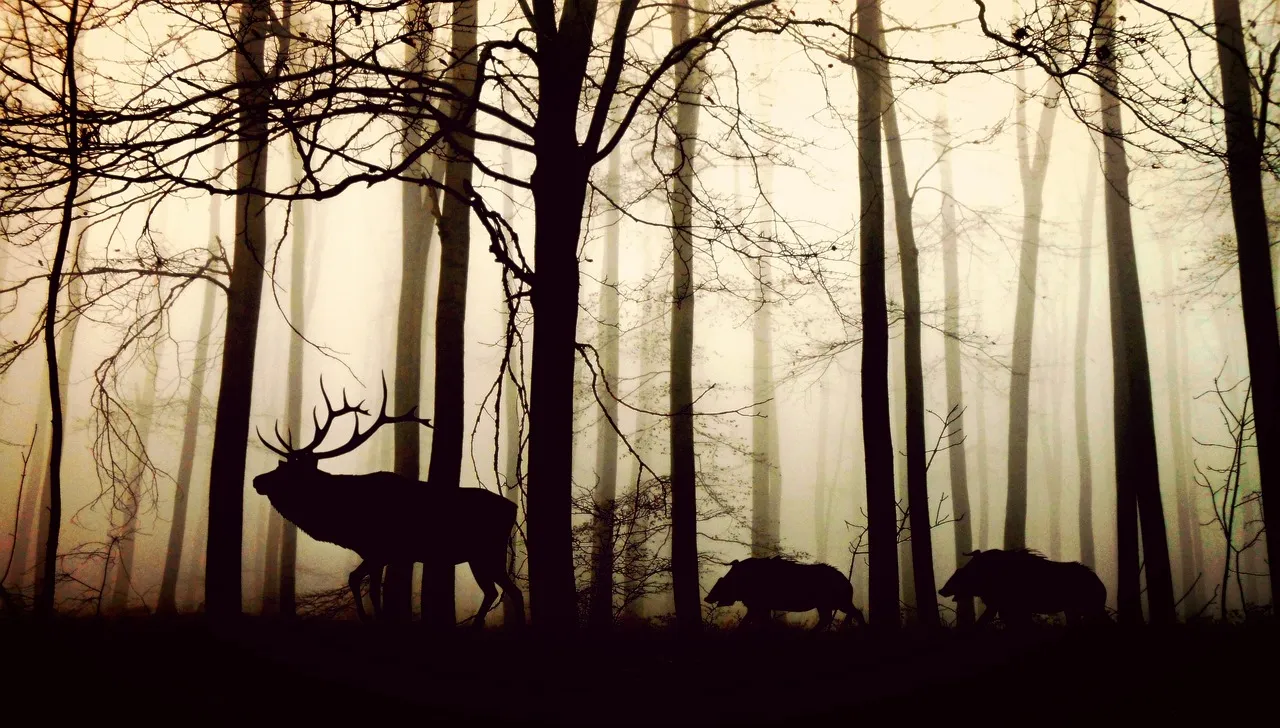
Stressed people, especially in urban environments, seek timeouts to relax. They need places where the soul can recharge and the body can rest. For most people, these places are green and blue spaces in a beautiful natural environment. There’s a measurable physiological reason for this preference, not just a sentimental one.
Noise activates the sympathetic nervous system, leading to fragmented sleep and reduced total sleep time. Silence, by contrast, gives the sympathetic system a chance to stand down. Sleep disturbance impacts the quality of sleep by lowering deep and rapid eye movements, increasing the time spent awake or in light sleep, and delaying the onset of sleep.
Chronic exposure to elevated noise levels can cause sleep disturbances in up to 45 percent of urban residents. Remote landscapes, particularly those with no road noise, no flight paths, and no artificial light, essentially offer the opposite condition. The body notices the difference within hours.
Urbanization and the Growing Gap from Nature

Urbanization exposes populations to environmental stressors, particularly affecting lower and middle-income countries with complex urban arrangements. The problem isn’t unique to wealthy nations with long commutes. It’s a global shift in how humans relate to their surroundings.
It is becoming increasingly clear that regular exposure to nearby nature offers hope and health to individuals and communities grappling with high levels of stress, mental fatigue, social isolation, rising rates of obesity, and sedentary behavior. Remote landscapes amplify these benefits by removing urban stimulation entirely rather than simply reducing it.
People need nature for thriving mental health. Yet nature is increasingly scarce. The irony is sharp: the more cities expand and the more connected life becomes, the more the quiet places hold their value precisely because of their contrast.
The Psychology of “Being Away”
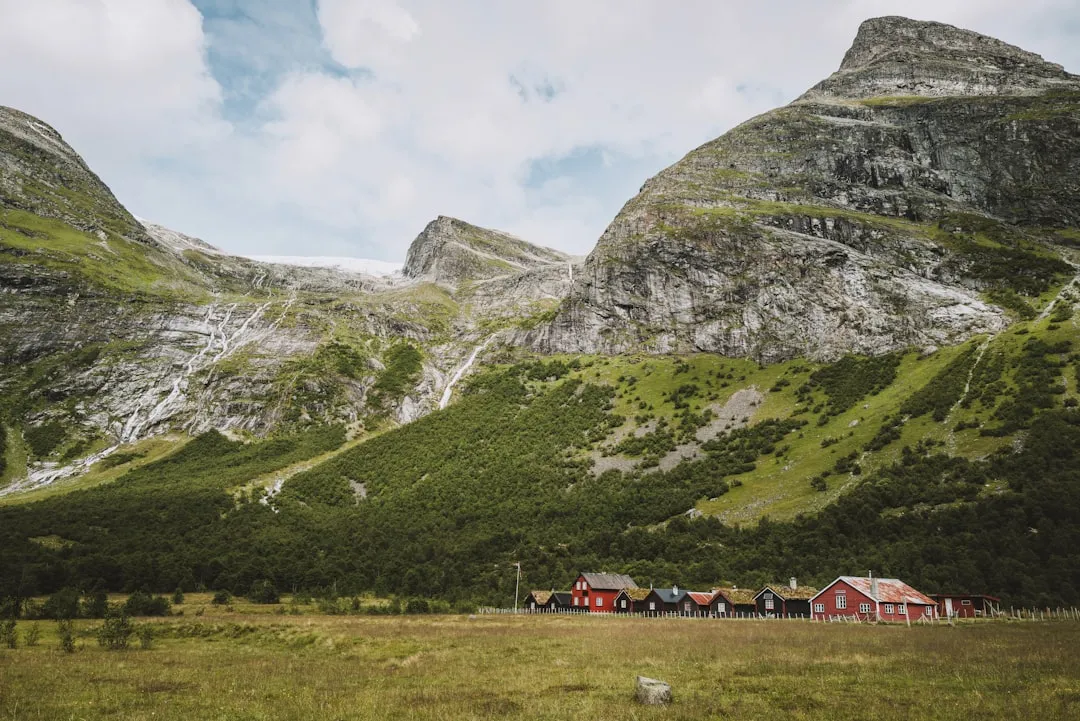
Attention Restoration Theory proposes that individuals benefit from the chance to “be away” from everyday stresses, to experience expansive spaces and contexts, to engage in activities compatible with their intrinsic motivations, and critically to experience stimuli that are “softly fascinating.” Remote landscapes check all four conditions simultaneously, which may explain why a weekend in the mountains often feels more restorative than a week of moderate urban leisure.
The notion of “being away” from usual stressors facilitates psychological detachment, allowing for mental rest. This isn’t merely a pleasant idea. It’s a documented mechanism. Research supports the premise that alleviating attentional fatigue contributes to improved mental clarity and decision-making.
What wilderness offers, at its core, is permission to stop filtering. In a city, every moment demands triage: what to attend to, what to ignore, what represents danger. Vast open spaces dissolve that requirement almost instantly. The mind exhales.
Green and Blue Spaces: Not All Nature Is Equal
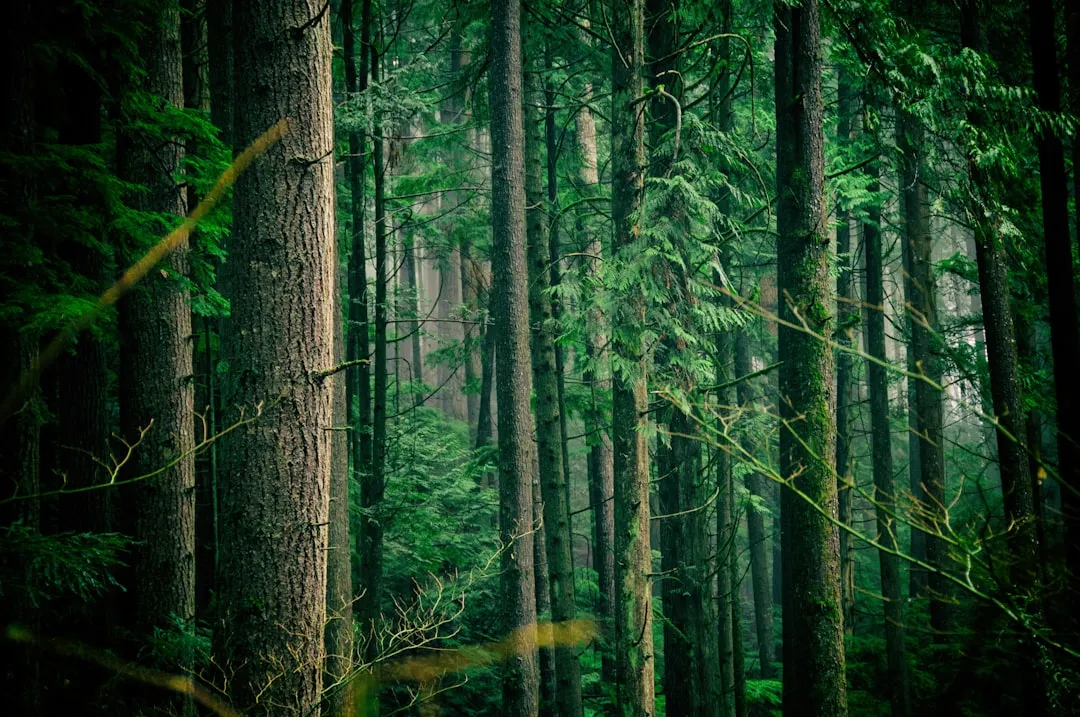
The prevalence of aquatic landscapes, including islands, seascapes, beaches, and waterfalls, suggests a preference for serene and calming environments. This aligns with previous research highlighting the therapeutic benefits of water-based scenes in reducing stress and anxiety.
Interaction with natural environments can stimulate fascination, which can manifest in either hard forms such as a waterfall or a mountain, or soft forms such as a grassy field or a scene with gentle movements. Both have value, though researchers note that wilder and less managed spaces tend to produce stronger restoration effects than manicured parks or gardens.
Time spent in nature leads to significant physical and mental benefits, but research is mixed on how much time in nature is necessary to affect change in adults’ mental health. What’s less contested is that the quality and remoteness of the environment play a meaningful role. A parking lot with one tree offers far less than an uninterrupted forest horizon.
The Wilderness as a Historically Recognized Need
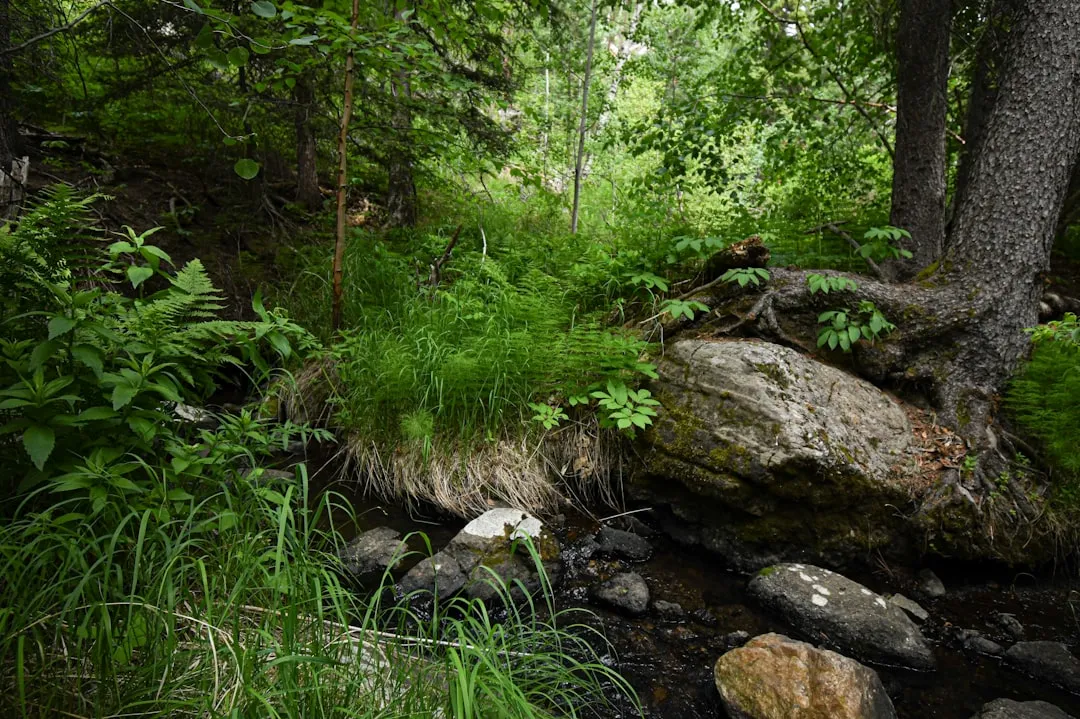
The Wilderness Act of 1964 uses the descriptors “solitude, primitive and unconfined” to define the type of recreational experience wilderness is supposed to provide. Although psychological restoration is not mentioned in the Act, a societal need for places conducive to restoration was a major motivation for the preservation of wilderness.
This recognition predates modern neuroscience by decades. The instinct to protect wild land wasn’t purely ecological. There was an understanding, even then, that human minds needed places beyond the reach of industrial civilization. Exposure to natural environments and wilderness has psychological benefits including attention restoration.
What’s striking is how consistently different cultures and eras have arrived at the same conclusion. Solitude in vast landscapes appears again and again in philosophical traditions, religious practices, and medical advice, long before any controlled study confirmed the mechanism. The science caught up with the intuition.
When Nature Goes Digital: A Partial Substitute
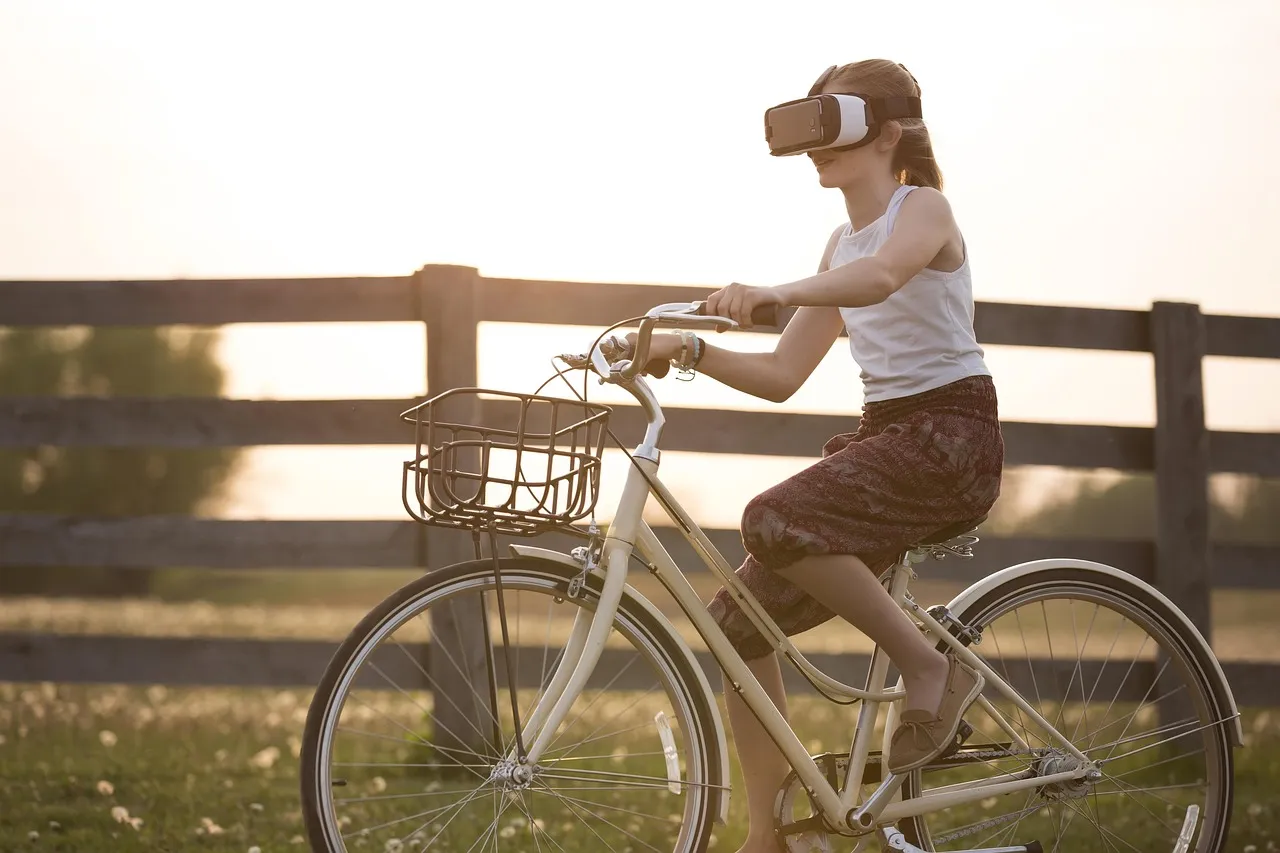
In recent years, virtual reality technology has emerged as a powerful tool in the field of therapeutic landscapes. For hospitalized patients or individuals with limited mobility, VR provides highly personalized therapy by simulating authentic natural environments within a safe, convenient, and engaging setting.
By leveraging VR technology, designers can create virtual landscapes that offer a sense of tranquility and facilitate healing, holding potential benefits for improving mental health, managing pain, promoting recovery, and enhancing overall well-being. This is genuinely useful, particularly in clinical contexts where physical access to nature isn’t possible.
Still, researchers are careful not to treat digital nature as a full replacement. The benefits of nature exposure for human well-being are well recognized, yet much remains to be understood about the underlying causal mechanisms. A screen rendering of a mountain sunrise engages the eyes. The actual sunrise engages everything else: temperature, smell, the sound of wind, the proprioceptive sense of uneven ground underfoot. These are not small differences.
What This Means for How We Live Now
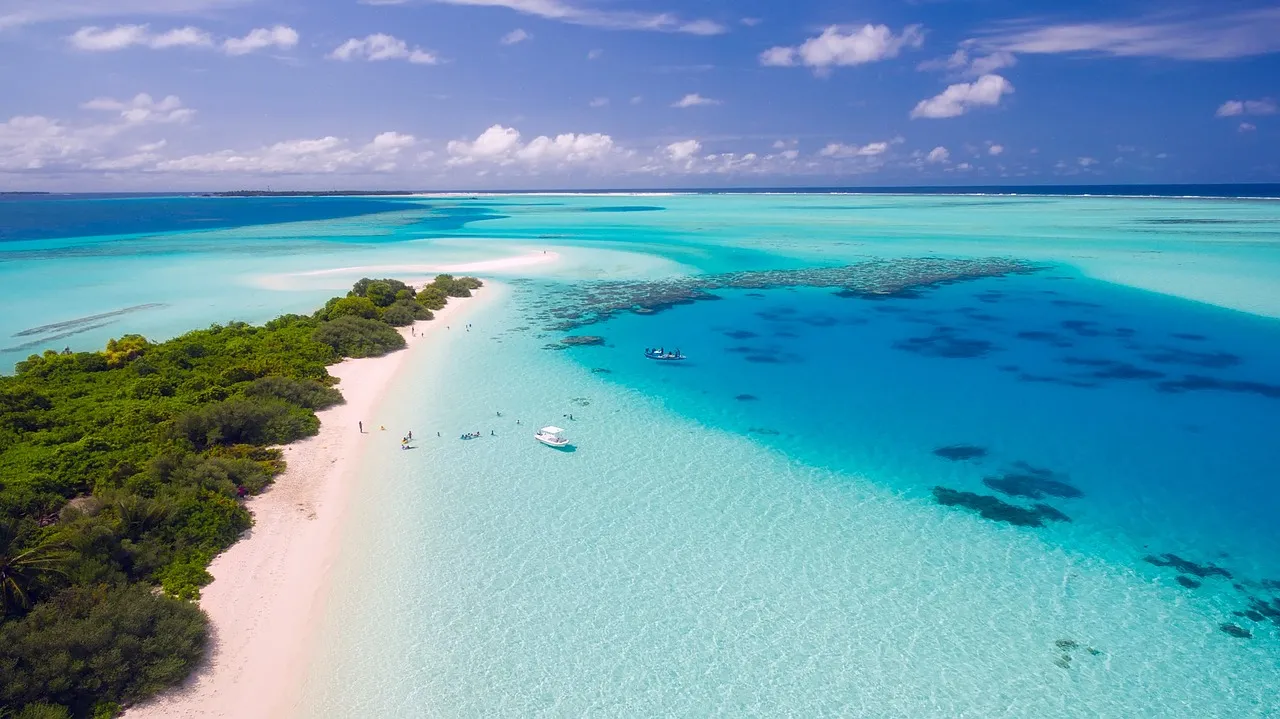
Nature exposure improves mental health, human capital, and economic productivity. Those aren’t soft, abstract benefits. They translate into measurable outcomes: better concentration, lower cardiovascular risk, improved sleep, and reduced anxiety. Engaging with nature has been associated with various psychological benefits, including enhanced cognitive performance and stress recovery.
Policies promoting digital disconnection after work and clear boundaries between personal and professional life are fundamental to reducing the risk of burnout and improving workers’ overall health. Access to genuinely remote landscapes fits naturally into that framework, not as a luxury, but as a legitimate form of recovery.
The craving for remote landscapes when the modern world gets too loud turns out to be well-founded, biologically coherent, and backed by a growing body of evidence. The landscape doesn’t have to be dramatic. It just has to be real, quiet, and large enough to make the noise of ordinary life feel, for a while, like something you left behind.
AI Disclaimer: This article was created with the assistance of AI tools and reviewed by a human editor.