
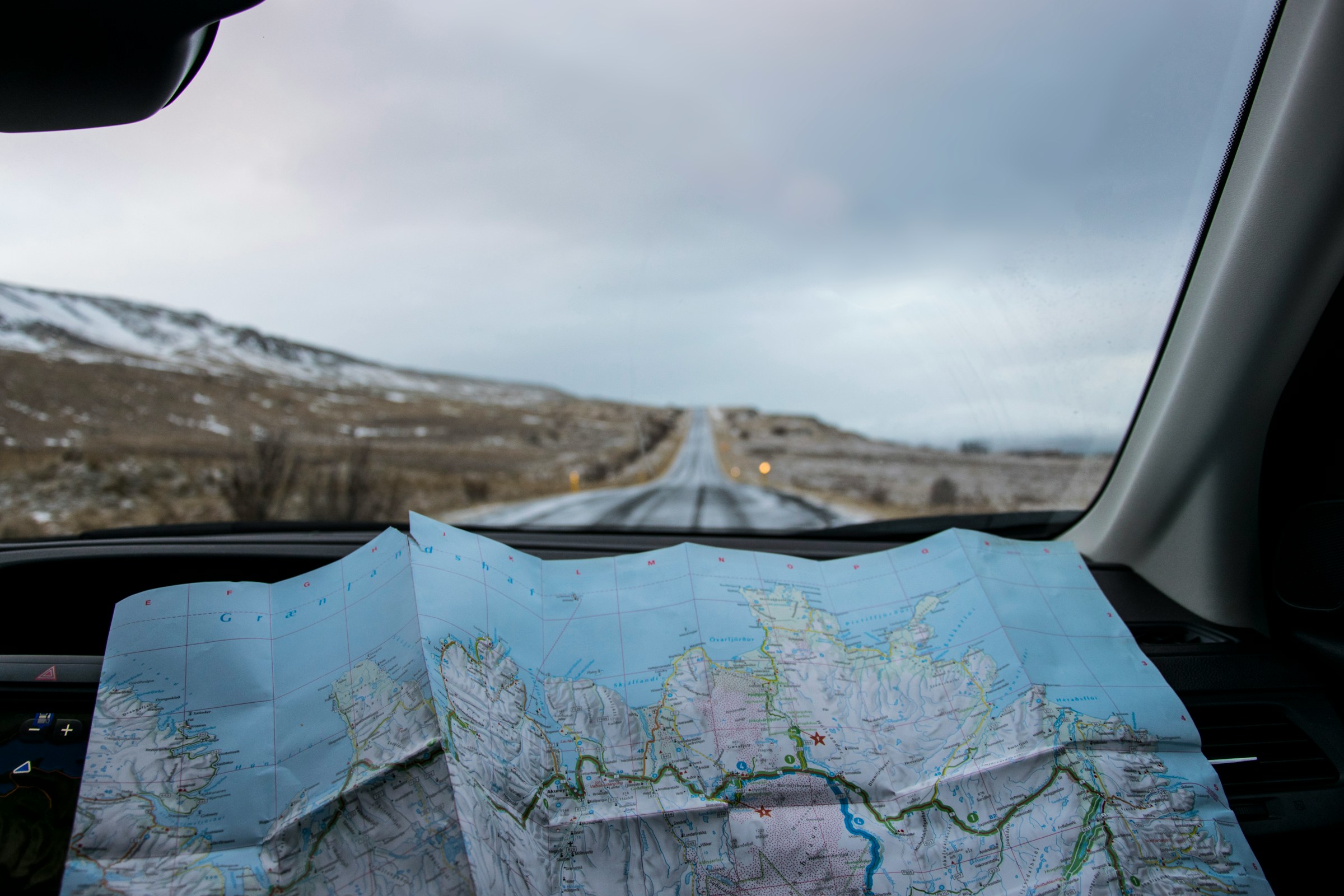

There was a time when getting a little lost on a road trip was part of the experience. You’d take a wrong turn, end up on a two-lane road through a small town you’d never heard of, and stumble across a diner, a viewpoint, or a painted barn that nobody had ever pinned on a map. That sense of discovery wasn’t accidental. It was the whole point.
Today, something quieter and harder to name has been lost. We’ve traded the unexpected turn for the fastest route, the wandering glance out the window for a blue GPS dot inching along a predetermined line. The technology is genuinely brilliant. The loss, though, is real – and growing.
The Numbers Behind Our Navigation Obsession
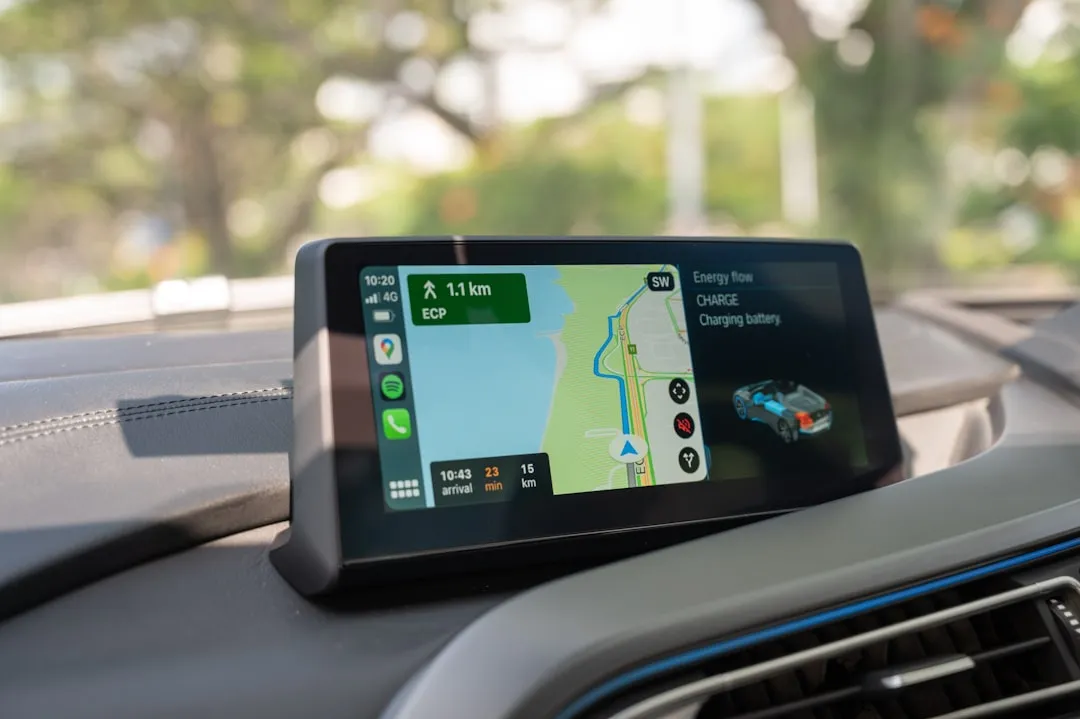
Google Maps exceeded 2 billion monthly active users in late 2024 and has maintained that milestone throughout 2025 and into 2026, making it one of Google’s largest consumer products. That number alone tells a striking story about how completely GPS navigation has been woven into daily life.
Over 4 billion people around the world now use GPS in some form. The navigation app sector generated $21 billion in revenue in 2024, an increase of nearly 15 percent on the previous year.
The ubiquity of smartphones has democratized access to GPS navigation, and with over 6.9 billion smartphone users worldwide, mobile internet connectivity enables devices to access cloud-based navigation data and real-time traffic, transforming navigation from a specialized tool into an everyday utility. That shift happened fast, and it was largely invisible as it unfolded.
What We Actually Mean by the “Scenic Route”
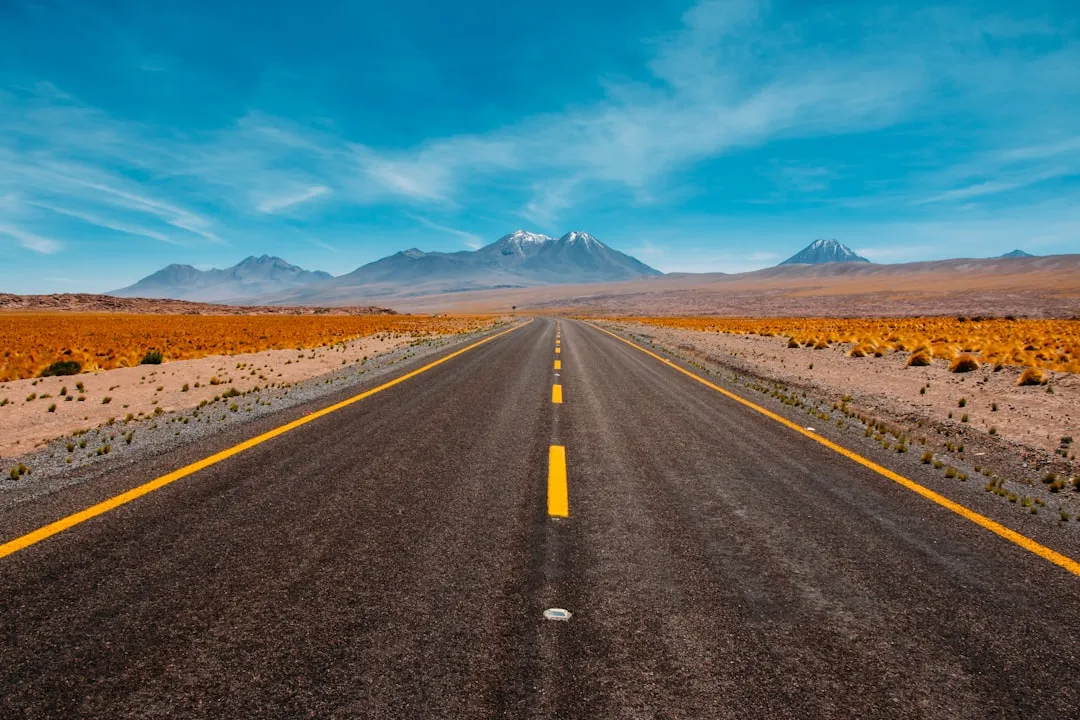
The scenic route was never really about scenery in the postcard sense. It was about permission – the unspoken agreement between a driver and the open road that the destination could wait a little longer. It meant stopping because something caught your eye, not because a notification told you to.
Travelling without a rigid plan leaves room for authentic exploration, serendipitous moments, and the opportunity to chance upon under-the-radar places or experiences. That’s a clinical way of describing something most travelers understand instinctively. The roads less optimized were often the ones most remembered.
Many people find their favorite travel memories come from unplanned detours and mishaps that led to amazing discoveries. Ask almost anyone about a memorable road trip, and the story rarely begins with “so the GPS took us exactly where we planned.”
GPS Turns Drivers Into Passengers
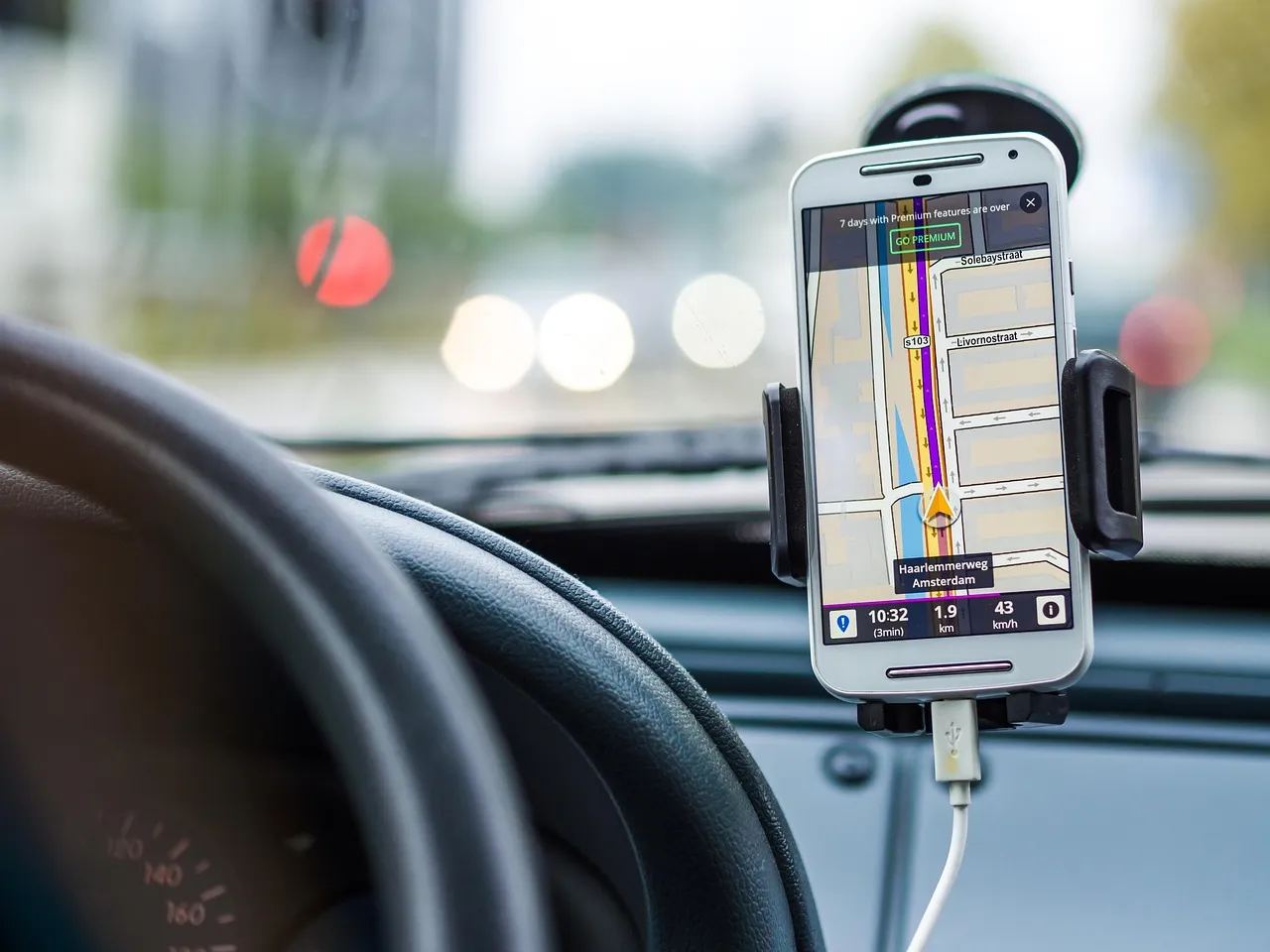
By following a set of digital turn-by-turn directions, GPS navigation apps treat us as passive passengers rather than active explorers, removing our agency to make decisions – and in turn this inhibits our ability to create proper mental maps of the surrounding environment. That’s a significant trade-off that rarely gets discussed openly.
GPS-based navigation is passive and does not require mental effort or control over action, which can impair wayfinding performance as a cognitive component of navigation. GPS use may also disengage people from their surrounding environment, which reduces learning about that environment.
When we navigate in a new environment, we are required to pay attention to our surroundings and update our position using our own internal navigation system. Using GPS removes these requirements and renders navigation less cognitively demanding. Less demanding isn’t always better, especially when the point of a journey is the journey itself.
The Brain Actually Suffers When We Stop Navigating

Structural equation modeling analysis has revealed negative effects of accumulated GPS experience on individuals’ wayfinding performance, spatial orientation, and spatial learning performance in a novel environment. This isn’t a theoretical concern. It has been measured repeatedly across multiple studies.
Findings from research published in Scientific Reports suggest that regularly using GPS affects spatial memory in a dose-dependent manner – that is, the greater the use of GPS, the greater the decline in spatial memory over time. The more you rely on it, the more you need it. A quietly self-reinforcing loop.
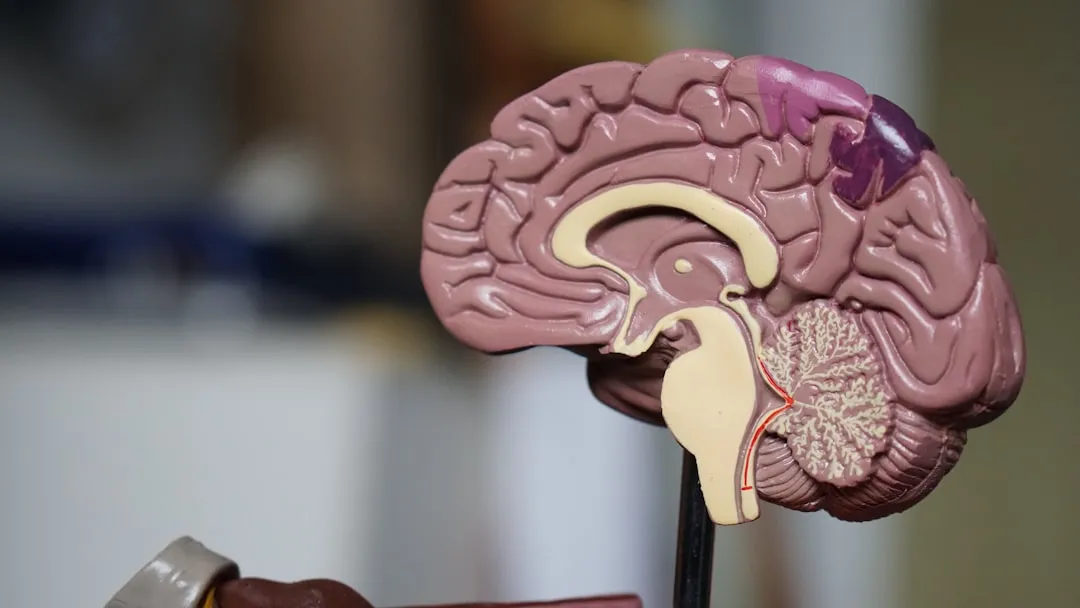
Expert navigators such as London cab drivers have larger hippocampi compared to regular populations as a consequence of their intensive spatial mapping and multisensory experience of the city. That finding has been in the scientific literature for years, yet the implications for everyday navigation rarely filter into the conversation about what we’re giving up.
Environmental Knowledge Is Quietly Eroding
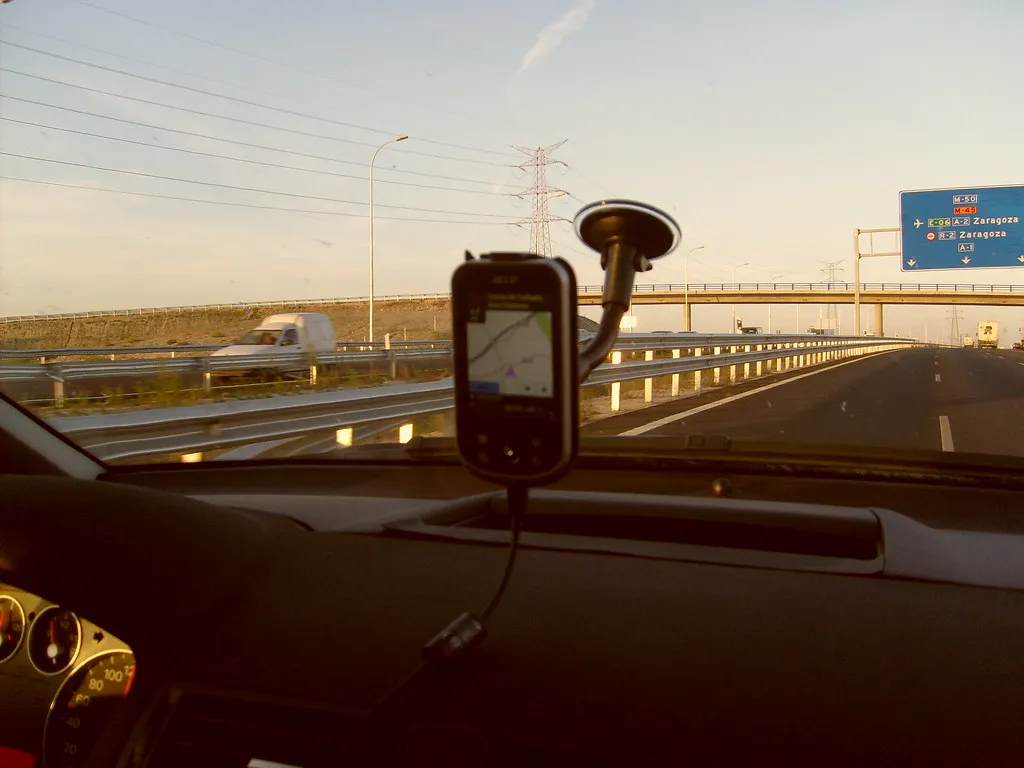
A study links frequent GPS use to poor environmental knowledge and a diminished sense of direction, with research showing that people who regularly use GPS reduce their capacity to learn landmarks and spatial environmental cues. We’re becoming strangers in our own neighborhoods.
Relying on GPS reduces the need for individuals to memorize landmarks and spatial cues from their environment, which were once essential for navigation. Furthermore, since GPS continuously provides directional information, individuals may gradually lose their innate sense of direction and ability to find their way without technological assistance.
The results gathered across multiple studies showed a near-unanimous result: using GPS frequently can diminish environmental knowledge and a sense of direction. The places we drive through every week, with the aid of an app, remain quietly unfamiliar.
We Knew This Was Coming – And Kept Scrolling Anyway
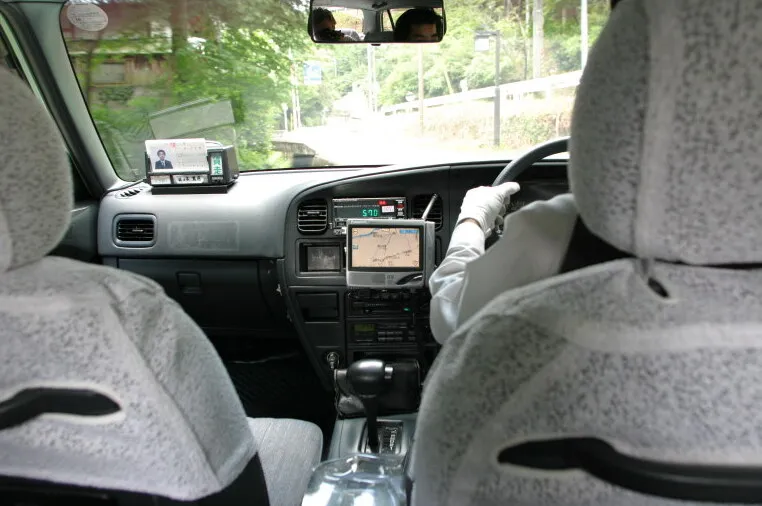
Many of us have experienced the feeling that after driving across town with a GPS device, we cannot retrieve the route – and feel that without the GPS we will not be able to find our way back. That experience is now so common that it has stopped feeling strange.
People with a low sense of direction may prefer to use GPS more as a form of reassurance for spatial situations and navigation, and the relationship’s bidirectionality suggests that continuous GPS use over time could also be associated with a poorer sense of direction. It’s a dependency loop that feeds itself.
A longitudinal study reported that individuals who used navigation aids showed a steeper decline in spatial memory over time. The evidence has been accumulating steadily, even as adoption of GPS keeps climbing.
Spontaneity Isn’t Just Nice – It Has Real Benefits

According to a 2024 travel trends survey, the average American traveler took three trips that year, two of which were well-planned at least a month in advance and one of which was spontaneous – a rhythm that suggests spontaneous travel isn’t a fringe behavior but a regular part of how people actually travel.
Spontaneous travel experiences can actually lead to greater happiness and satisfaction compared to over-planned trips, with research showing that the element of surprise and discovery can trigger more positive emotions and create lasting memories. The unplanned detour, it turns out, is doing more emotional work than we credited it for.
According to psychologist Emma Kenny, traveling spontaneously can actually reduce stress and anxiety and introduces a level of playfulness into day-to-day life. Playfulness is a word that rarely appears in conversations about navigation technology, though it describes precisely what GPS tends to remove.
The Hidden Cost: Losing Familiarity With Place

There’s a quiet grief in knowing a town’s name but never having absorbed its layout, its textures, its unexpected side streets. GPS users arrive efficiently at coordinates. They don’t always arrive at a place they actually know.
People who travel along given routes using GPS gain less knowledge about those routes compared to people who travel the same routes without an aid, using a map, or after being guided by an experimenter. This applies to destinations people visit repeatedly. Familiarity isn’t the same as understanding.
The appeal of spontaneous travel ties into a broader cultural shift towards mindfulness and living in the moment, where for many travelers the idea of being present and fully engaged in their experiences is more important than ticking off a list of must-see attractions. GPS, by design, pulls attention away from presence and toward destination.
Taxi Drivers, Hippocampi, and What They Tell Us
An empirical study with twenty-four experienced taxi drivers was conducted to evaluate the long-term impacts of in-car navigation system use on the spatial learning ability of these navigation experts, measuring cognitive load by means of electroencephalography coupled with eye tracking to assess their visuospatial attention allocation. The choice to study expert navigators was deliberate: if GPS dependency affects people who navigate for a living, the implications for everyday drivers are significant.
Studies show that we can actually exercise the hippocampal memory system through exploration and spatial navigation. The scenic route, in other words, wasn’t just enjoyable. It was doing something useful for the brain while it wound through the hills.
Several studies have compared path learning using navigation assistance systems and mobile maps with paper maps or direct experience, showing that paper maps provide better spatial knowledge and wayfinding performance. That’s a finding worth sitting with for a moment, especially in 2026.
Can the Scenic Route Be Reclaimed?
The answer is probably yes – but it requires intention. Raising awareness among drivers, encouraging them to be more conscious when deciding whether they need navigational aid or not, is one method researchers have proposed to overcome the detrimental effect of GPS dependency. The decision to put the phone away is, in itself, a small act of reclamation.
Using technology to your advantage while striking a balance between planned activities and the joy of discovering new things along the way is one reasonable middle path. GPS as a fallback rather than a constant companion changes the relationship entirely.
The trips that went sideways, the ones where the plan collapsed and you improvised your way through, are often the ones people tell stories about decades later. No one talks about the time their ETA was perfectly accurate. They talk about the small town they stumbled into, the roadside stop that became a two-hour conversation, the turn that led somewhere the algorithm had never imagined.
The Takeaway
GPS is not the villain here. It is efficient, safe, and often genuinely useful. What it lacks is curiosity – and curiosity, it turns out, is something navigation used to provide almost for free.
More often than not, the excessive planning of rigid itineraries overshadows the simple joys of exploration. Instead of just ticking off boxes, allowing time to immerse in local culture, connect with people, and discover off-the-beaten paths is where the real pleasure of travelling lives – in discovering.
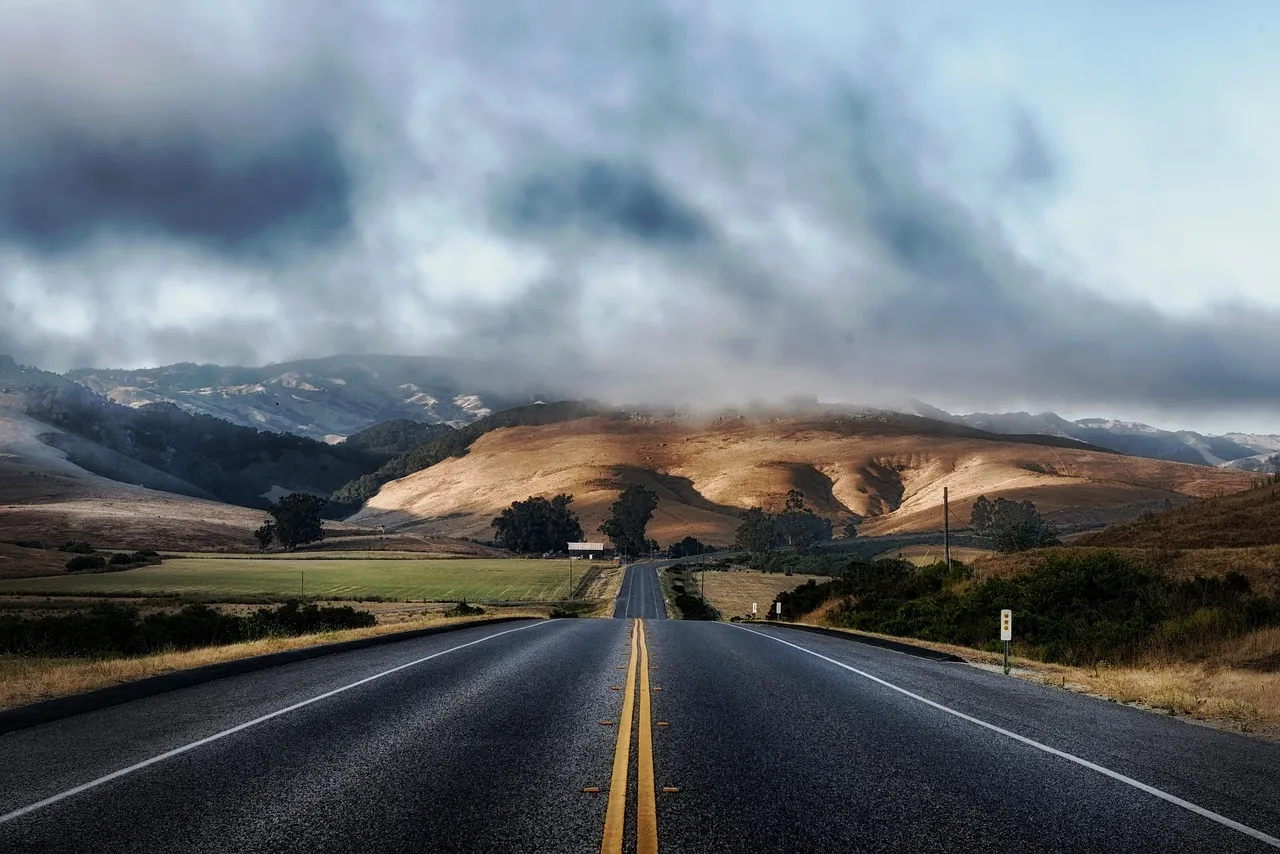
The scenic route will always exist. It just requires choosing it. That choice, increasingly, is the rarer and more courageous one.
AI Disclaimer: This article was created with the assistance of AI tools and reviewed by a human editor.