
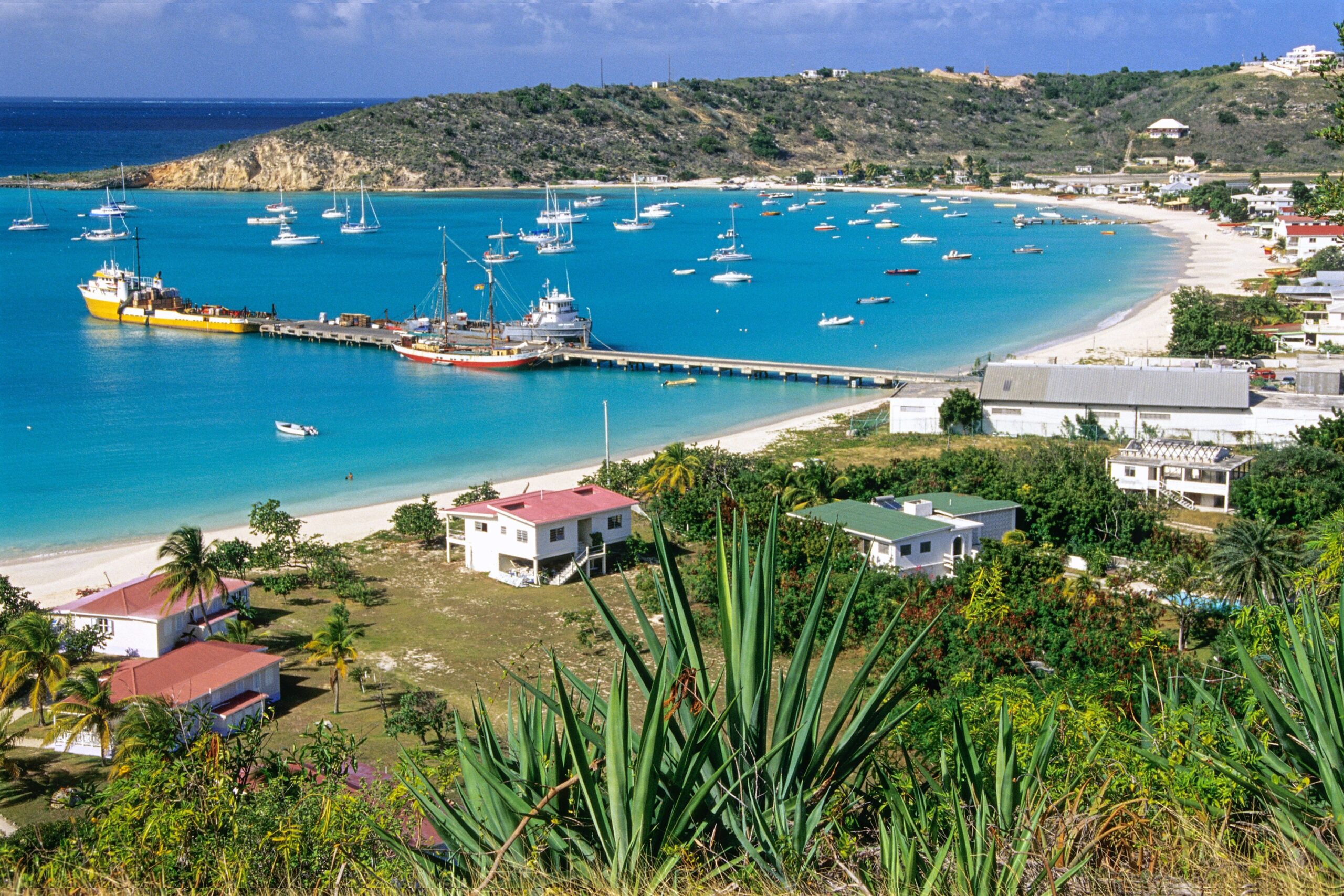

Most people packing for a Caribbean vacation think about sunscreen, sandals, and light linen. Camouflage shorts probably make the cut without a second thought. After all, it’s just a pattern. What could be wrong with that?
Quite a lot, as it turns out. Across a wide stretch of the Caribbean, wearing camo clothing in public is not a fashion misstep – it’s a criminal offense. The laws are real, they apply to tourists just as much as locals, and the penalties can be surprisingly steep.
A Surprisingly Wide-Reaching Law

Currently, 18 countries regulate camouflage patterns and clothing, making wearing it illegal. A significant number of those countries are clustered right in the Caribbean. The popular print, in any color, is outlawed in over a dozen island nations like Jamaica, Trinidad and Tobago, and Barbados.
In countries such as Antigua, Dominica, Grenada, Jamaica, St. Lucia, Trinidad and Tobago, and St. Vincent and the Grenadines, it is against the law for civilians to wear camouflage clothing or accessorize with anything that has a camouflage print. For visitors arriving by cruise ship or plane, this is exactly the kind of law that catches people off guard.
The Core Reason: Preventing Military Impersonation
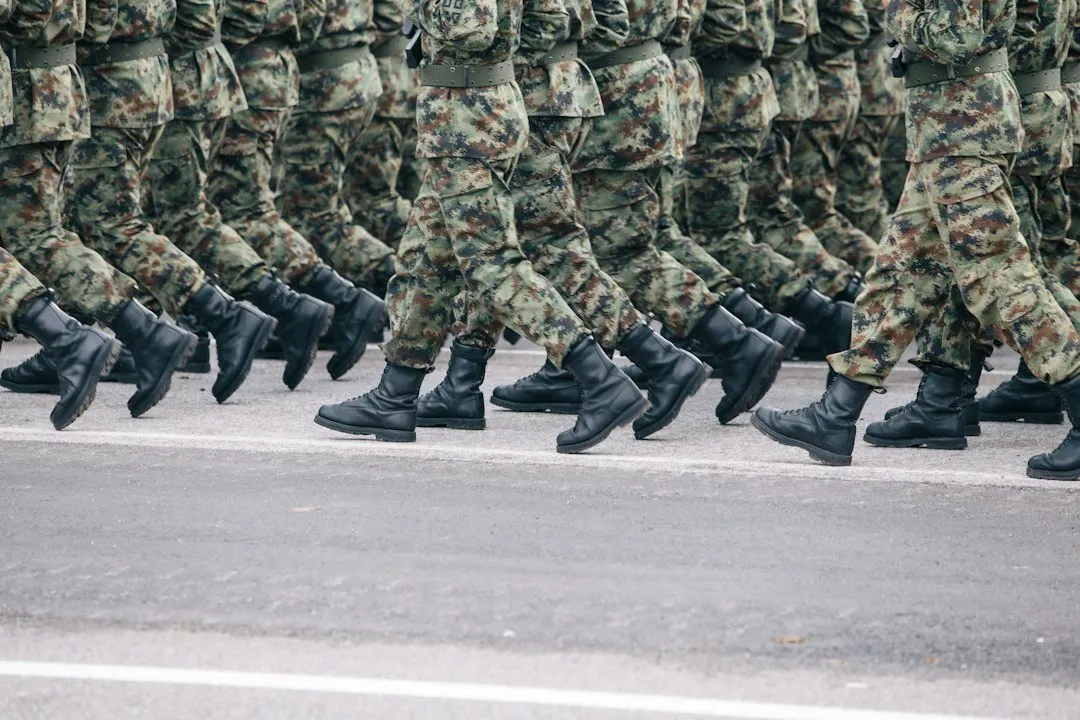
The prohibitions on civilian camouflage clothing originated from longstanding military regulations aimed at preventing impersonation and ensuring operational security by reserving distinctive patterns for authorized personnel. The logic is straightforward: if only soldiers and police wear the pattern, there’s no ambiguity about who is who.
Governments across the Caribbean have long maintained that camouflage patterns, when worn by civilians, can create dangerous confusion between ordinary members of the public and military or law enforcement personnel. The ban in place prevents criminals from impersonating military personnel and law enforcement. In smaller island nations with relatively compact security forces, that kind of visual clarity matters considerably.
Barbados: One of the Strictest Enforcers
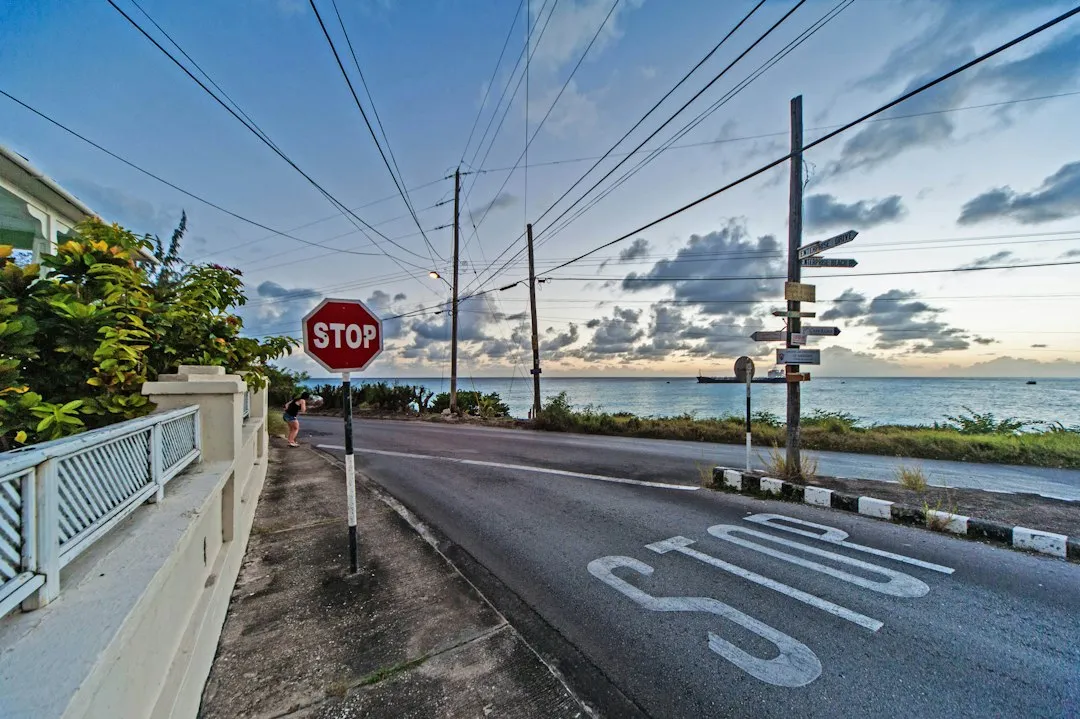
According to the Royal Barbados Police Force, wearing camouflage is actually a criminal offense. Camouflage of any color – be it green, blue, black, or any other commonly-used shades – is strictly prohibited for both locals and visitors in Barbados, and this restriction applies not just to clothing but extends to all accessories, including belts, shoes, hats, and even socks.
Since the 1980s, this clothing pattern has been prohibited due to civil unrest. Anyone caught sporting camo will face a fine of up to 53,000 Barbadian dollars and up to nine years in prison. That is not a slap on the wrist. Barbados treats this with the same seriousness it would give any impersonation of its defence personnel.
Jamaica’s Parliamentary Response
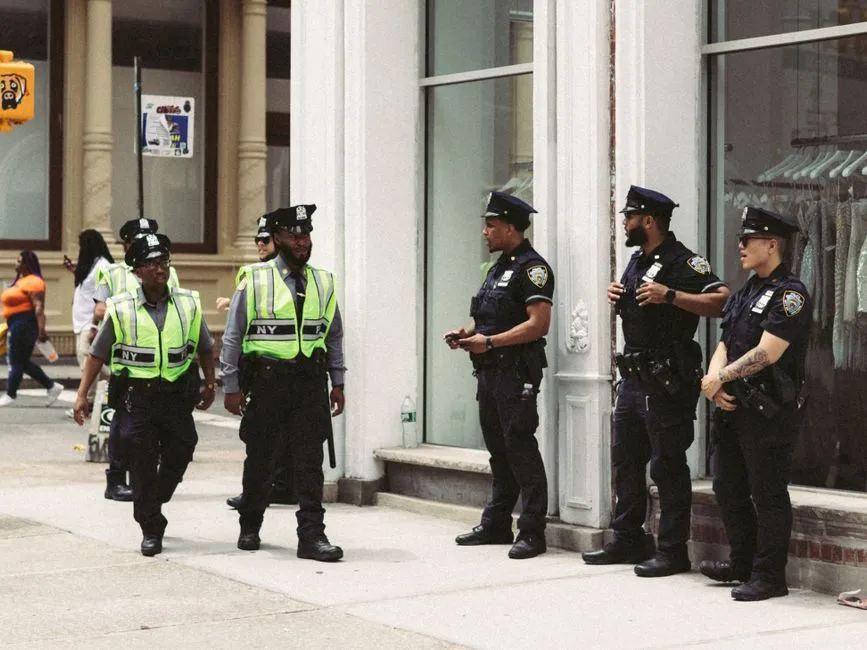
In Jamaica, the Parliament has put in place a law that allows only the police or soldiers to wear camouflage clothing as a uniform. This law was put in place to prevent criminals from disguising themselves as military members and wreaking havoc.
If you’re caught breaking this law, not only will you have to pay a pretty hefty fine, but you could also end up spending some time behind bars. Jamaica is a popular tourist destination, but its laws are applied uniformly. Visitors do not get a pass simply because they didn’t know the rules.
Trinidad and Tobago: Legal Debates and Recent Clarifications
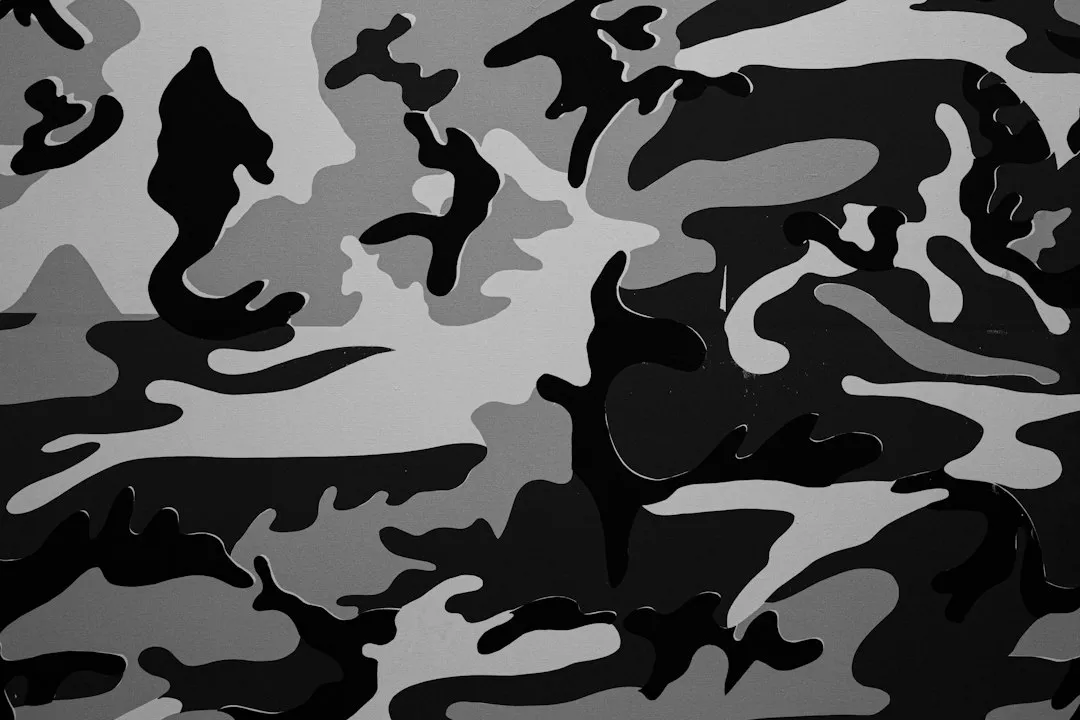
Camouflage clothing in Trinidad and Tobago has been a controversial legal issue. Camouflage clothing has been banned for civilians in Trinidad and Tobago and only permitted for the Trinidad and Tobago Defence Force. Under the Defence Act, the law was supplemented by the Customs Act that banned the import of any camouflage patterned items. Customs confiscate any camouflage pattern materials that are detected.
In 2021, the High Court ruled that the law against camouflage importation was constitutional. More recently, in 2024, ahead of Carnival, the Minister of National Security Fitzgerald Hinds clarified the law by stating that the law only prohibited camouflage clothing that closely resembled Defence Force uniforms that could mislead people to believe the wearer was a member of the Defence Force. That clarification offered some nuance, but the core restriction on military-style camo remains firmly in place.
St. Lucia: Even Your Bag Counts
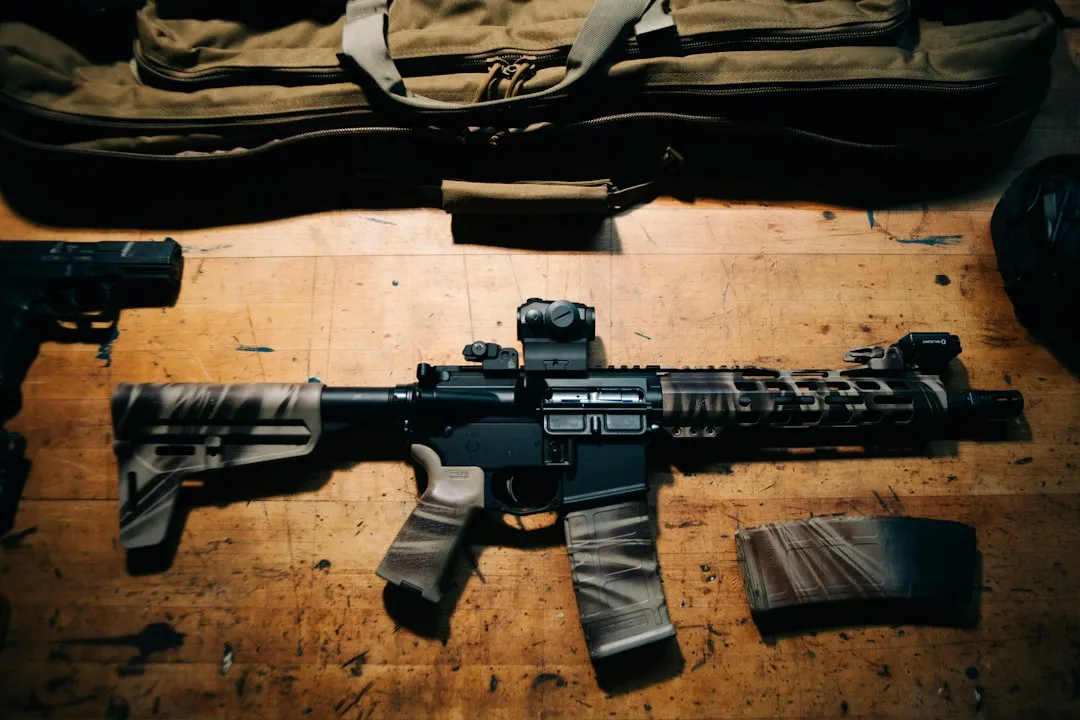
In St. Lucia, not only is wearing any form of camouflage clothing illegal, but also carrying bags with that print. This is worth noting because it extends the restriction far beyond what most people would consider “clothing.” A camo backpack at the airport or a camouflage-print tote bag at the market could land you in legal trouble.
Though the law is well-established in the islands, it can be a confusing one for visitors who are technically breaking the law just stepping onshore in the wrong pattern. This law also extends to swimwear and accessories. The breadth of what’s covered – swimwear included – makes St. Lucia one of the more thorough enforcers of this restriction.
Grenada and St. Vincent: Zero Tolerance Policies

Grenada and St. Vincent and the Grenadines have zero tolerance for anyone, including visitors as well as locals, who break the law by wearing camouflage clothing in public. The phrase “zero tolerance” is used deliberately and officially by both governments, and it signals that there is no informal grace period for tourists who claim ignorance.
Grenada has a zero tolerance policy regarding the wearing of any camouflage clothing in public and has warned visitors as well as locals to avoid doing so. These are not dusty laws buried in outdated statutes. Authorities actively enforce them and have issued public advisories to reinforce the message.
The Bahamas: Customs Seizures at the Border

The Bahamas have outlawed camouflage to prevent public confusion of civilians with the military. In the Bahamas, customs officials routinely seize camouflage attire from arriving travelers, particularly cruise passengers, to prevent civilian impersonation of defense forces, though prosecutions are rare for inadvertent violations and focus instead on confiscation.
This means your camo may not even make it to your hotel room. The item is simply taken at the point of entry, which creates a practical problem for travelers who packed it as part of their main wardrobe. It’s a policy built on prevention rather than punishment, though the end result – losing your clothing – is disruptive enough on its own.
Cruise Lines Have Started Flagging It Too
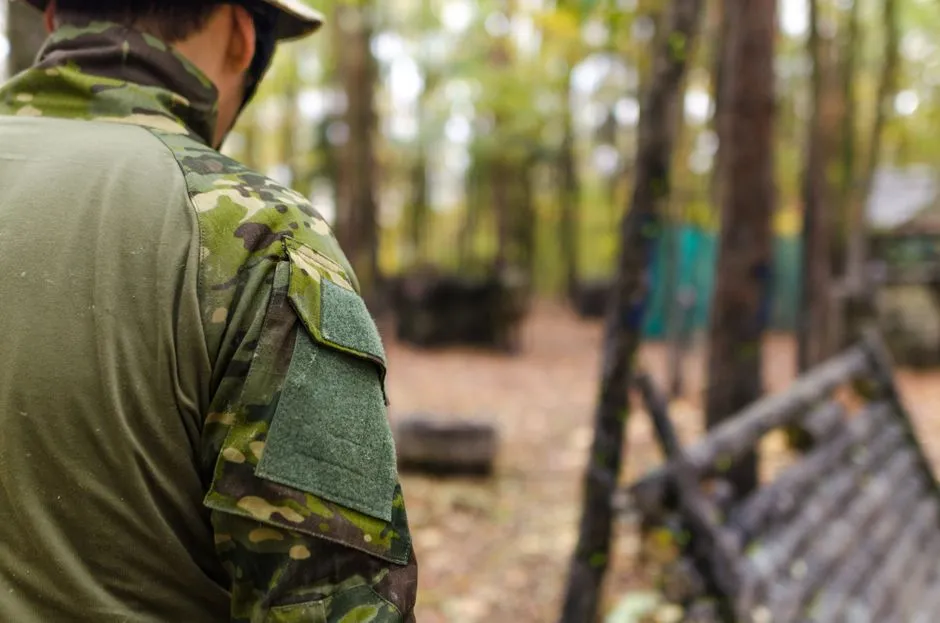
Before rolling out changes, Royal Caribbean had a ban on camouflage or military clothing in Barbados. The cruise line has since reaffirmed the ban under its updated prohibited items page, which can be found under the section addressing additional travel considerations. Carnival Cruise Line also notes: “In some ports of call, it is against the law for anyone, including children, to wear army-style camouflage clothing or carry items made with camouflage material.”
The fact that major cruise operators now build this advisory directly into their passenger communications tells you something about how seriously port authorities take it. Carnival’s Brand Ambassador publicly recommended that all cruise passengers avoid packing camouflage clothing entirely when traveling to Caribbean ports. When the cruise line itself gives you a formal heads-up before boarding, it’s worth listening.
What Happens if You Get Caught

Perpetrators face fines of up to $2,000 and the somewhat invasive punishment of handing over said clothing to the proper authorities. Depending on the country, the consequences can go further. In Barbados especially, jail time is a real possibility under the law’s more serious provisions.
In addition to receiving a hefty blow to your wallet, you should also expect to say goodbye to any and all of your camouflage items. The confiscation is essentially automatic. Authorities are not interested in warnings or second chances when the law is this clear, and tourists have historically been held to the same standard as residents.
Practical Advice for Travelers
The decision to ban camouflage for the general public in the Caribbean islands varies, although most laws have deep-rooted societal reasons. Born out of concerns for national security, these rules aim to prevent any misuse of military attire. Understanding that context helps make the rule feel less arbitrary. These governments are protecting the integrity of their uniformed services in nations where small defence forces depend on clear visual identification.
The simplest takeaway is also the most practical: it’s illegal to wear camouflage in many countries, so leave the camo leggings, knapsack, handbag, and jacket at home. It’s worth noting that some of the islands may also extend this law to include accessories, like bags and suitcases, and even vehicle wraps. When in doubt, choose a different pattern entirely.
The Takeaway

A clothing law that sounds almost trivial turns out to have a coherent and serious rationale behind it. Across the Caribbean, camouflage is not a fashion statement – it’s a regulated item tied directly to national security, military identity, and public order. The prohibition, strange as it may sound, is based in a historical logic. Federal governments in these island nations have determined that, to avoid confusion and possible uprisings or terrorist activity, camouflage print is reserved solely for law enforcement and standing armies. In this way, it is easy to identify authority while avoiding potential conflict.
Traveling responsibly means learning local laws before you pack, not after you land. Leaving a pair of camo shorts at home is a small inconvenience. Being fined, having your bag confiscated at customs, or spending a night explaining yourself to local police is a much bigger one. The Caribbean is rich, vibrant, and deeply welcoming to visitors – and arriving with a little awareness of local rules is one of the simplest ways to honor that welcome.
AI Disclaimer: This article was created with the assistance of AI tools and reviewed by a human editor.