
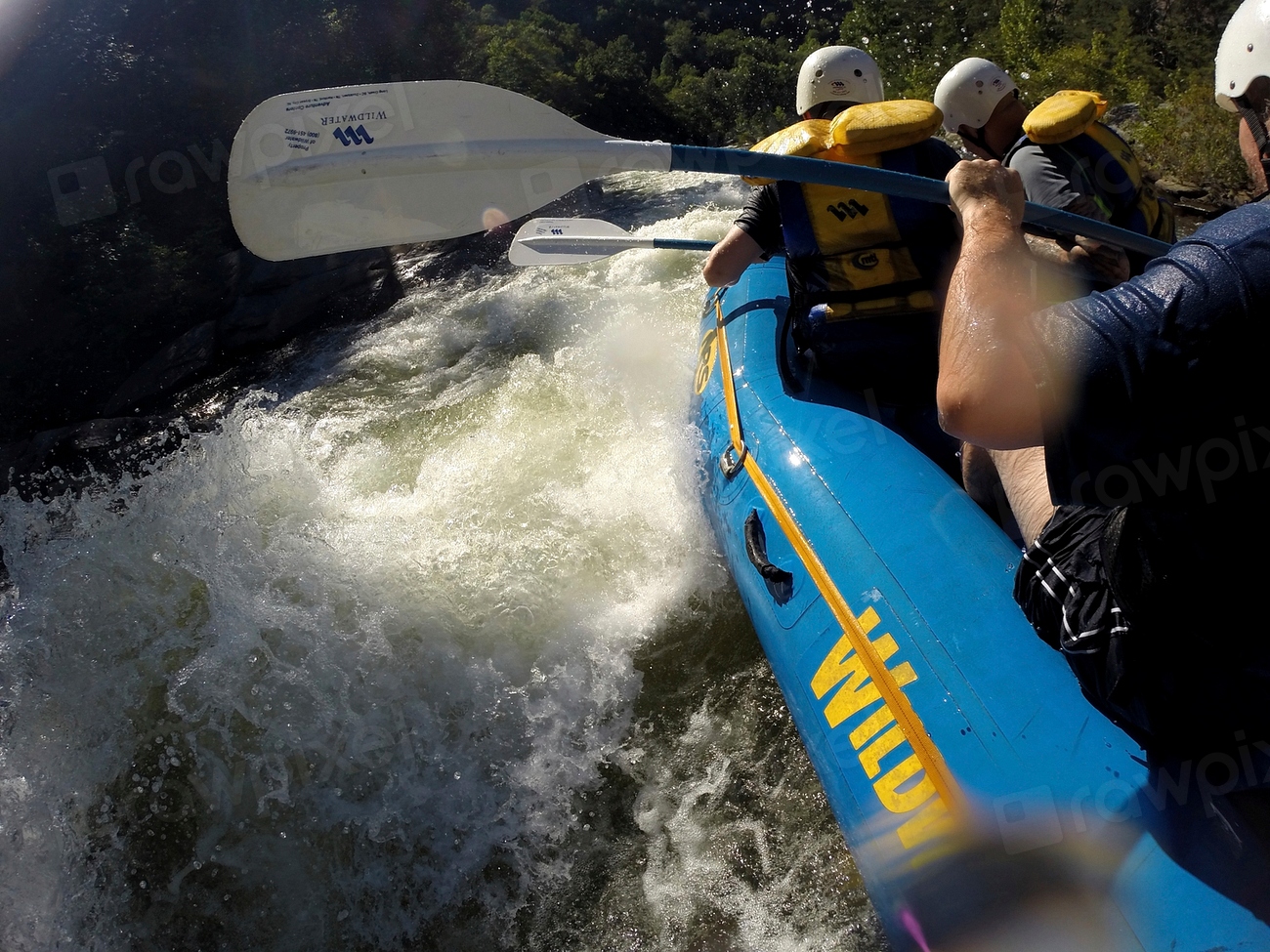

There’s a particular kind of morning on a spring river that only the regulars know. The canyon walls are still shadowed, the water hisses past boulders that were half-exposed just weeks before, and the air smells like melting mountain snow. Most casual rafters are still planning their summer trips. The guides, however, are already on the water.
Spring runoff season occupies a brief, intense window each year, typically from late April through mid-June, when snowmelt pushes rivers to their annual peak. It’s colder, wilder, and more demanding than the summer float that draws the crowds. Yet the guides who spend full seasons reading rivers will tell you, almost universally, that this is the time they live for.
The Science Behind the Surge: Where All That Water Comes From
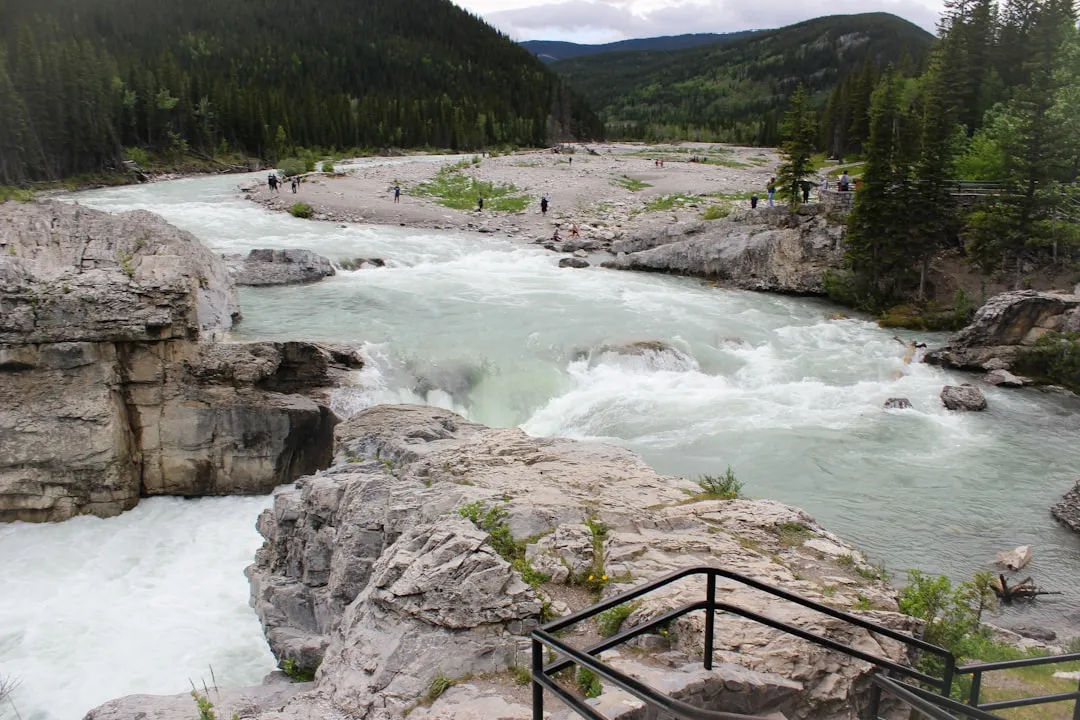
Throughout winter, snow accumulates high in mountain ranges like the Rockies, and that snowpack represents a bulk of the water that will eventually flow into rivers. When warm spring air arrives, this deep base of snow melts and feeds streams, rivers, and lakes. The process is gradual at first, then suddenly it isn’t.
Up to three quarters of water supplies in the western United States are derived from snowmelt, so snowpack levels are worth noting when planning any whitewater rafting trip. This isn’t a minor seasonal adjustment. It’s a massive hydrological event that transforms river character entirely.
In the American West, most major rivers are predominantly fed by mountain snowmelt and reach their peak discharge anywhere between late winter and early or midsummer. On the Arkansas River in Colorado, peak streamflow typically hits sometime in June, though there’s significant year-to-year variation based on how much winter snowpack builds up and the nature of spring weather patterns.
Higher Flows Mean a Fundamentally Different River
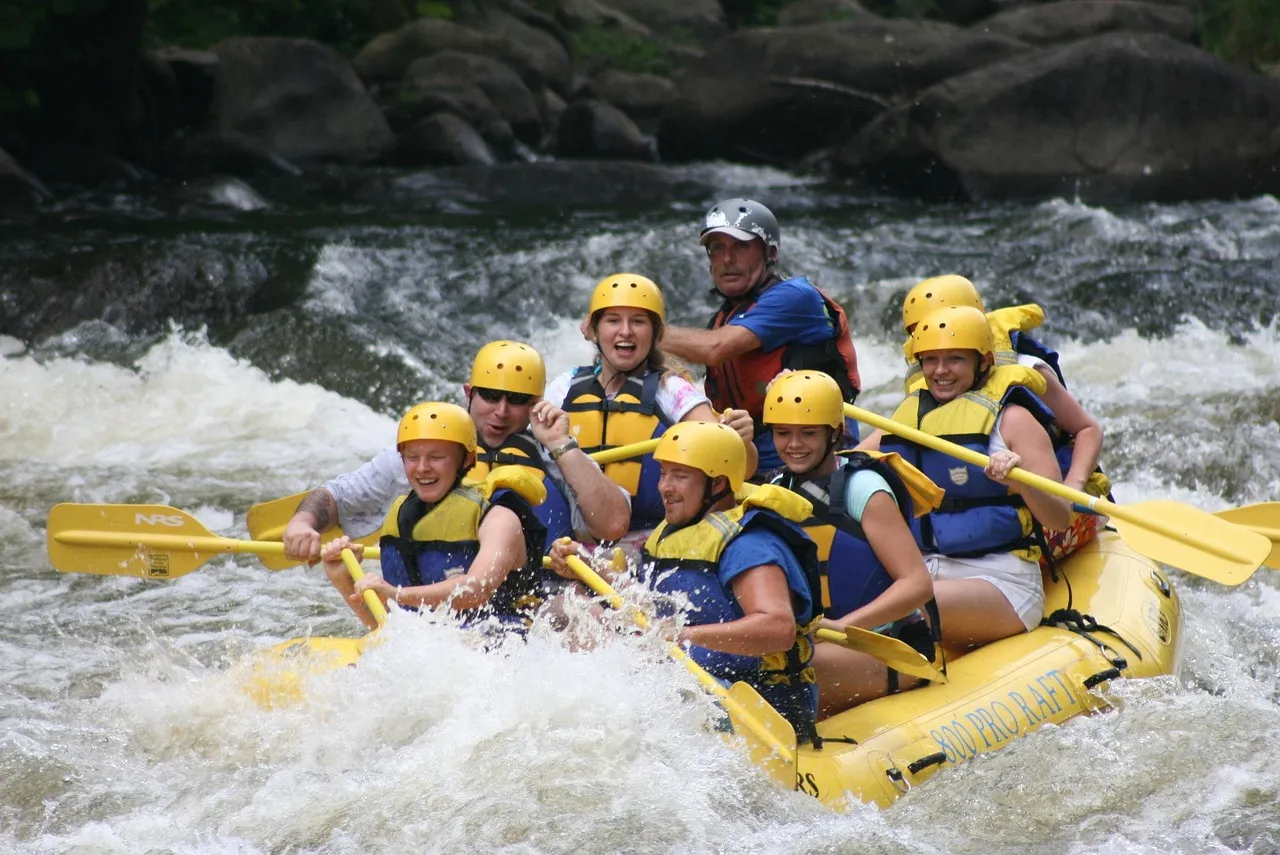
Whitewater rafting spring trips often feel faster and more energetic compared to later summer runs. Rapids that might normally be spaced apart can blend together, creating longer sequences of excitement. That quality is not a small upgrade. It changes the entire rhythm of a day on the water.
A rapid’s class is not fixed. The same stretch of river can shift up or down a class depending on water level, time of year, and recent weather. During high water typical of late spring and early summer, snowmelt runoff increases volume and speed, meaning a Class III rapid can feel like a Class IV.
Spring runoff brings bigger waves and faster-moving water, and early summer often delivers what outfitters describe as classic Colorado whitewater. Guides who work these rivers year-round often say that the water is simply doing what it’s meant to do during this season.
The Rapids That Come Alive Only in Spring
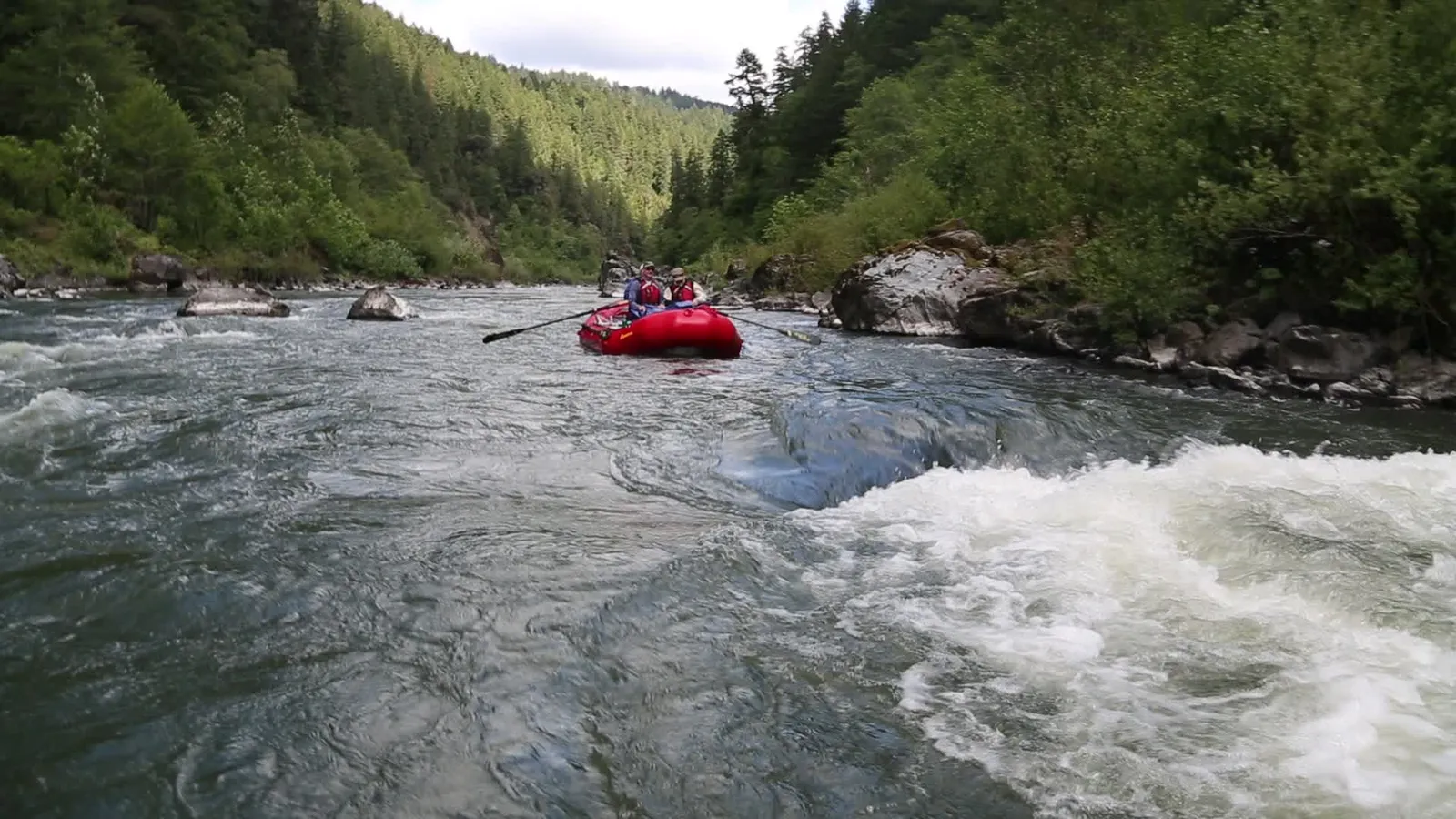
When runoff peaks in late spring and early summer, rivers become faster, splashier, and more exciting. For adventure seekers, this can be one of the best times of year to raft the Colorado River. The famous Shoshone Rapids inside Glenwood Canyon become especially lively during higher flows, creating larger waves, quicker currents, and a more technical ride.
On California’s North Fork American River, flows above 1,700 CFS bring Class IV whitewater with additional challenges, and these high conditions may occur only a few weeks in spring. Some sections of river exist as raftable experiences for just weeks per year. Miss that window and you’ve missed it entirely until next season.
The North Fork American typically runs during April and May, with rafting sometimes possible until mid-June. This river has no dams, so the longevity of its flows depends entirely on weather and snowpack levels. That unpredictability is part of the pull.
What the Numbers Actually Look Like on the Water
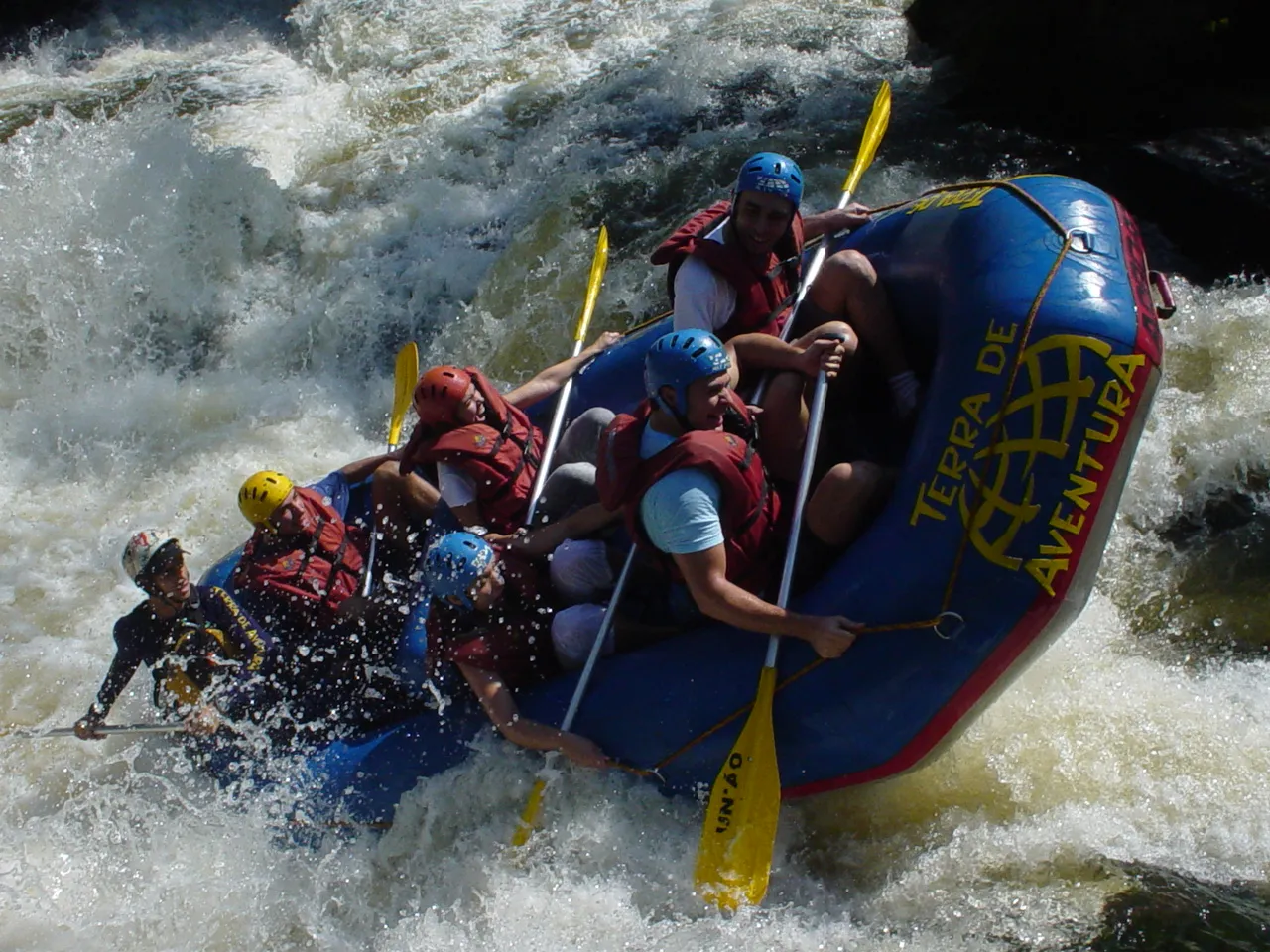
On the South Fork American River, medium to high flows between 1,200 and 3,000 CFS bring challenging Class III-plus whitewater with big waves and swift moving water. Those are conditions that most summer visitors simply don’t experience.
For rafters keen on big water, June is usually the target month on the Arkansas River. That’s when the largest flows typically occur, making it the period for the most all-out adventurous trips. Guides plan their most experienced groups around this window deliberately.
Experienced rafters can tackle flows above 2,000 CFS, while beginners and families usually prefer lower-flow trips. Spring runoff is not for everyone, and the good guides are honest about that distinction from the first conversation.
The 2026 Season: A Story of Variable Snowpack
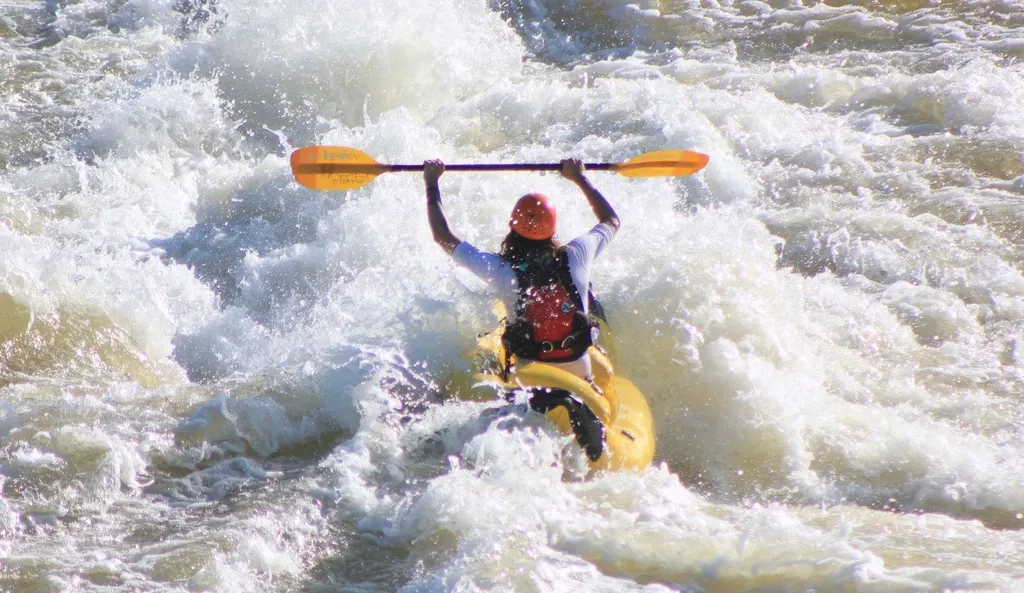
The 2026 whitewater rafting season arrived on the heels of one of the driest, warmest winters the American West has seen in recent history. That shift has forced outfitters to think creatively about how they structure their spring offerings.
Despite lower snowpack in parts of California, water managers reported that state reservoirs entered 2026 at 126 percent of their historical average, thanks to the very wet winters of 2023 and 2024. That backstock bodes well for dam-controlled runs, specifically the South Fork American River and the Tuolumne River near Yosemite.
The Arkansas River, one of the most popular rafting destinations in the United States, has a voluntary flow management program established in 1990 to help release water and control flows between July 1 and August 15 to support the whitewater rafting industry. In lower snowpack years, that structure becomes a genuine safety net for outfitters.
Spring Runoff Offers Fewer Crowds, More Wilderness
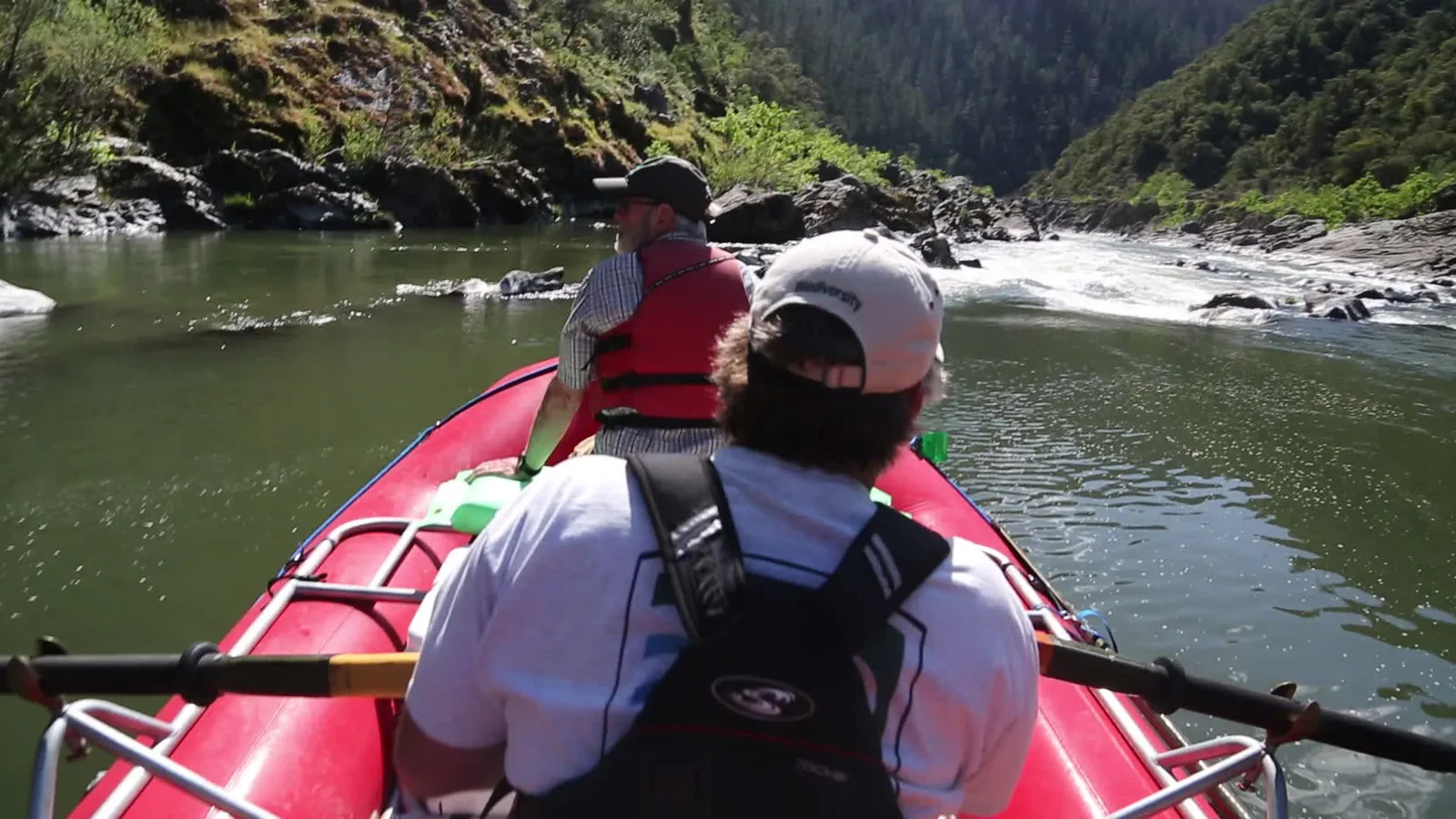
Spring rafting in California is excellent regardless of snowpack levels. There are more rivers to choose from, fewer rafters, and more wildlife to encounter on the water. River canyons are alive with bright spring colors and the melting snow adds energy to the river.
Springtime in places like the Smoky Mountains is a spectacular display of wildlife and natural color. For those who want to raft, it’s also the ideal time to avoid crowds and see the range of seasonal color up close on the riverbanks. Solitude on a river is its own reward, and spring delivers it reliably.
The contrast with peak summer is real and measurable. Guides consistently describe July and August as the season of group bookings, school trips, and first-timers. May and early June is when the people who genuinely love rivers tend to show up.
The Cold Is Real, and Guides Take It Seriously
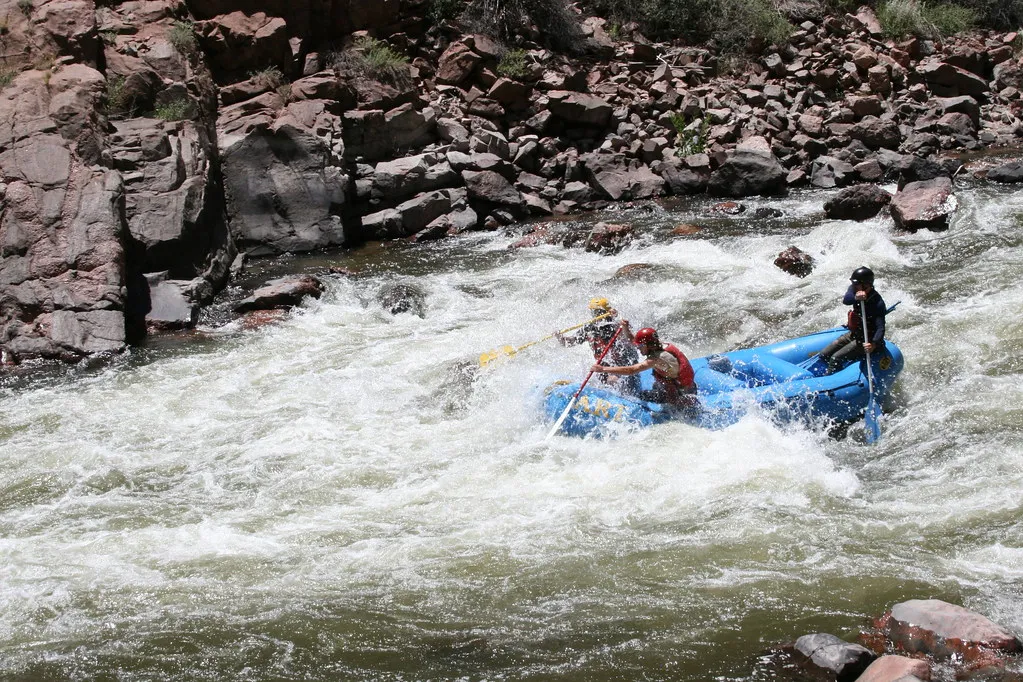
Spring and early runoff season, roughly May through June, is peak runoff time, and rivers are high, fast, and cold. Water temperatures can sit in the 40s to 50s Fahrenheit, and getting wet is essentially guaranteed. That reality shapes every gear decision guides make for their guests.
Flows in April, May, and early June carry fresh snowmelt, so water temperatures typically don’t exceed 50 degrees Fahrenheit. Rafting in these conditions, even on a sunny day, calls for wetsuits, splash jackets, and warm layers.
Water temperatures on the Arkansas River at Cañon City in late spring 2024 were, on the whole, cooler than the previous year. The river was mainly in the low to mid 50s in early May, with a notable dip into the mid to upper 40s in the middle of the month. Those numbers are a reminder that spring rafting requires honest preparation, not summer assumptions.
Dressing for Spring Runoff: What the Guides Actually Recommend
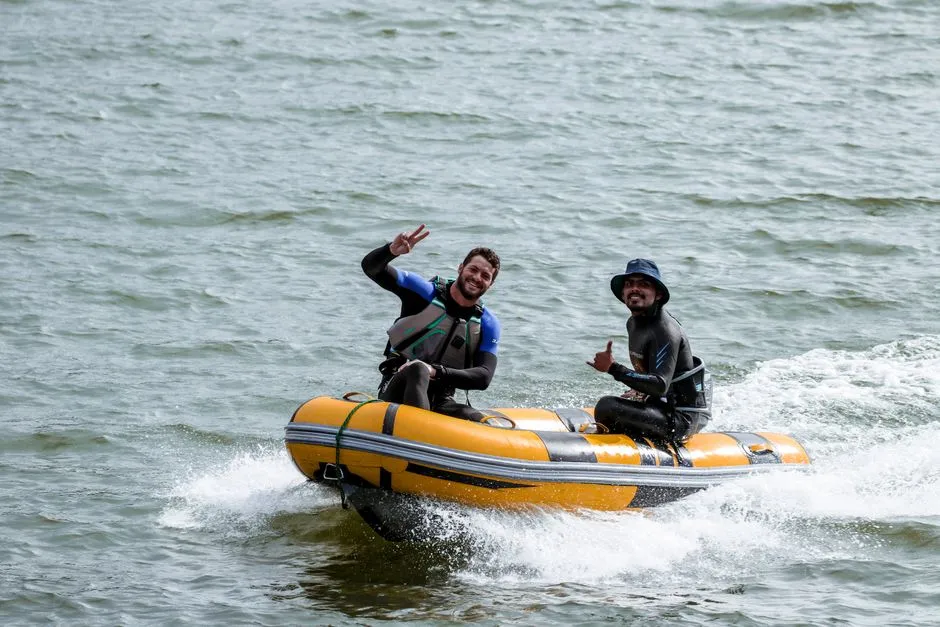
When it comes to water sports, experts recommend dressing for the water temperature rather than the air temperature. Being immersed in cold water can lead to serious conditions including lung or heart shock, drowning, or hypothermia. If water temperatures are below 70 degrees Fahrenheit, plan to wear a wetsuit or dry suit and booties.
Spring rafting trips often involve cold snowmelt-fed water, and wetsuits help keep you warm and comfortable throughout the adventure. Wetsuits and splash gear are most popular during spring rafting season when river temperatures are colder from snowmelt.
The recommended layering approach for spring includes a wetsuit with synthetic base layers and a warm layer for before and after the trip. A splash jacket, worn as a lightweight water-resistant shell over a wetsuit, is excellent for shoulder-season trips or anyone prone to getting cold. Good guides will equip you properly before you ever step near the water’s edge.
Guide Skill Is at Its Peak During High Water
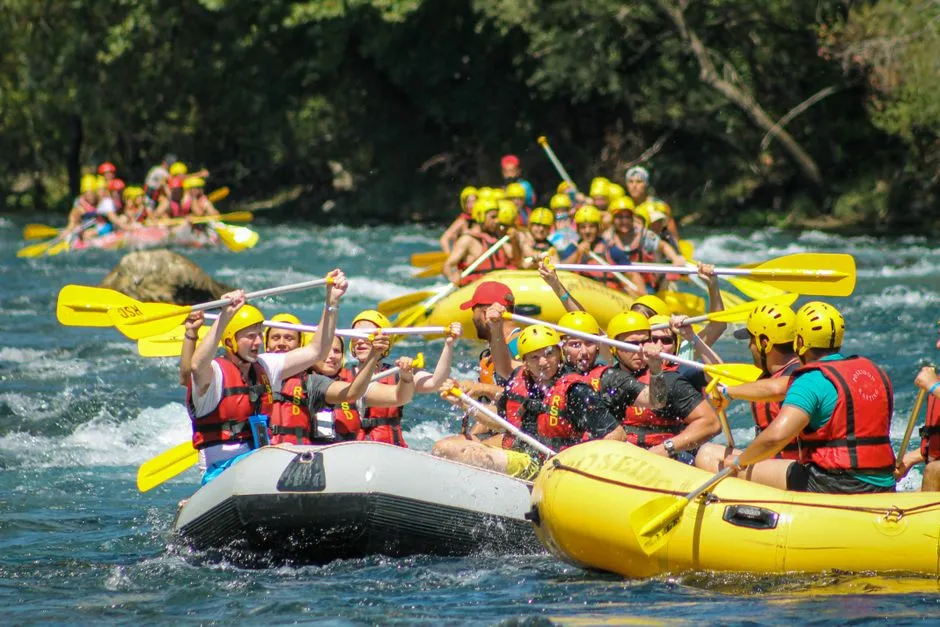
During spring runoff, a guide’s real-time judgment matters more than any written classification system. High water increases the volume and speed of flow in ways that change how every feature on the river behaves. Reading those changes in the moment, and adjusting the line accordingly, is what separates experienced spring guides from summer season generalists.
Experienced outfitters like Echo Canyon River Expeditions in Colorado noted that high flows in 2024 made certain itineraries more adventurous and exciting deeper into the summer season, and guides adjusted put-in and takeout points for some trips accordingly to ensure the level of adventure matched guest abilities. That kind of adaptive decision-making is standard practice during runoff.
In some years the winter snowpack swells to well above historical averages, resulting in unusually high runoff during spring snowmelt. It is in such high snowpack years that additional planning considerations need to be taken into account when arranging a spring rafting trip. Guides who know these rivers intimately are the most important asset anyone can have on the water.
Some Rivers Only Exist in Spring, and That’s the Point
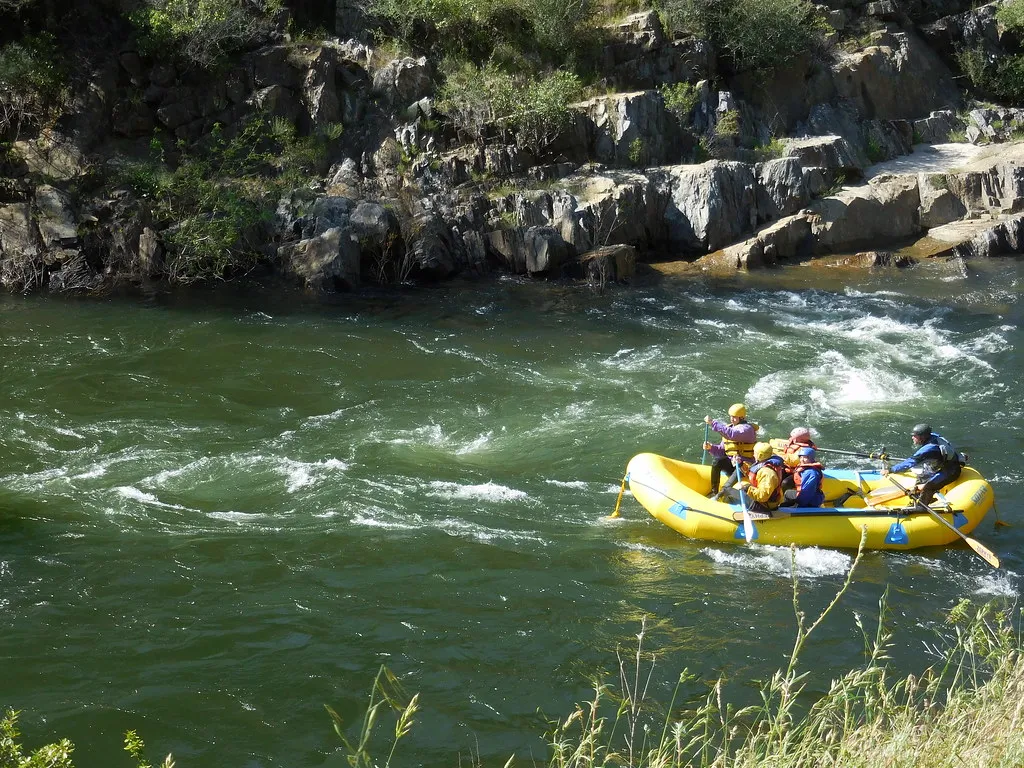
There are stretches of river that simply don’t exist as raftable experiences outside of the spring window. Rivers without upstream dams have no flow control mechanisms. The longevity of their flows depends entirely on the weather and snowpack of that particular year. When the snow melts and the window opens, guides move fast.
Spring rafting offers more rivers to choose from than any other time of year, along with fewer other rafters on the water and more wildlife encounters. The variety alone makes it a different kind of adventure from the carefully managed summer season.
There is no single perfect water level on any river. Each stage of the season offers a different way to enjoy the water. Spring runoff doesn’t ask for comfort. It asks for commitment. The guides who love this season most are the ones who’ve learned to tell those two things apart.
The Takeaway
Spring runoff season is cold, demanding, and brief. It requires proper gear, honest self-assessment, and a guide who genuinely knows the river. It also offers wave trains, canyon wildlife, and stretches of water that simply don’t exist in summer. That combination is precisely why the people who work on rivers for a living tend to schedule their personal trips in May.
The cold is temporary. The experience, on a high-water spring river with the right preparation and the right guide, tends to stay with you considerably longer. For anyone willing to dress appropriately and trust the process, this narrow seasonal window is one of the more genuinely rewarding experiences the natural world quietly offers each year.
AI Disclaimer: This article was created with the assistance of AI tools and reviewed by a human editor.