
The holiday travel season has always carried a certain amount of uncertainty. But the winters of 2024, 2025, and 2026 have pushed that uncertainty to a new level, turning weather awareness from a casual habit into something closer to a practical necessity. Storm systems are hitting harder, lasting longer, and disrupting travel on a scale that catches even seasoned travelers off guard.
For anyone navigating airports, highways, or train stations between Thanksgiving and New Year’s, a good weather app on your phone isn’t just a convenience anymore. It’s one of the smarter things you can pack.
The Scale of Recent Winter Disruptions Is Hard to Ignore
The numbers from recent holiday travel seasons tell a sobering story. During a severe winter storm that hit the Northeast during peak holiday travel in late December 2025, around 1,600 flights were canceled and roughly 7,400 were delayed, with major disruptions at airports in New York, Boston, Chicago, and Toronto. These weren’t isolated incidents. They were part of a broader pattern.
The 2025 to 2026 North American winter season caused an estimated $11.3 billion in total damages and claimed 275 lives, making it the deadliest winter since the 2020 to 2021 season. That context matters when planning travel. Understanding what’s moving across the map before you head to the airport is no longer optional for thoughtful travelers.
Holiday Travel Volume Means the Stakes Are Higher Than Ever

Nearly 82 million people were estimated to travel at least 50 miles for the Thanksgiving holiday period in 2025, with 6 million expected to travel by plane, according to AAA. When that many people are on the move at the same time, a single major storm doesn’t just affect one airport or one region. It creates a cascade of delays that ripples across the country.
Post-Christmas holiday travel across the United States has repeatedly been thrown into chaos as powerful storm systems sweep across huge swaths of the country, bringing snow and ice alongside high winds, heavy rain, and thunderstorms. A weather tracking app gives travelers an early window into that chaos before it becomes personal.
Winter Storm Fern and the January 2026 Wake-Up Call

A winter storm in January 2026 threatened to affect more than 230 million people across the United States, with some regions warned about damaging ice and heavy snow that could make traveling genuinely dangerous. The scale of that single event illustrated why passive weather checking simply doesn’t cut it anymore.
That storm caused more than 15,000 flight disruptions. As of early Saturday morning, nearly 10,000 flights had been canceled through Monday, with another 5,000 delayed. Travelers who had real-time tracking apps running were the ones who could rebook, reroute, and respond before the worst of the crowds hit the rebooking lines.
Radar Apps Offer Something a Basic Forecast Cannot
A static weather forecast tells you what to expect. A radar app shows you what’s actually happening, right now, across your entire travel route. That distinction becomes critical when you’re deciding whether to leave two hours early or delay a road trip by a full day. Advanced apps like Weather on the Way are specifically designed for avoiding storms on the road, offering alternative routes, custom waypoints, visibility tracking, wind speed data, and live radar that follows a route, built for drivers who want clarity without doing extra work.
MyRadar is particularly popular with travelers who want to see storms in motion, offering one of the fastest radar views available to general users, with a clear sense of storm movement and intensity. When a storm is accelerating toward your departure city, watching it move on a live radar screen is qualitatively different from reading a forecast summary.
The Best Apps in 2026 for Storm-Wary Travelers
The leading weather apps in 2026 include AccuWeather, The Weather Channel, MyRadar, CARROT Weather, Apple Weather, Google Weather, Weather Underground, Windy, RainViewer, and WeatherBug. Each one serves a slightly different need, so knowing which to reach for matters.
For most travelers, a strong core setup includes Windy for global storm systems and wind conditions, AccuWeather for hyperlocal rain and lightning alerts in cities, and Drive Weather or Weather on the Way for route-based warnings on long road trips. When travel plans genuinely depend on conditions, it’s worth checking the weather from more than one app.
Hyperlocal Alerts Change the Way Travelers Make Decisions

One of the most meaningful shifts in modern weather apps is the move toward hyperlocal, minute-by-minute precision. Earlier generations of weather tools gave you a forecast for a city. Today’s best apps can tell you what’s happening on your specific block, route, or departure terminal. AccuWeather’s MinuteCast feature delivers hyperlocal precipitation forecasts for the next few hours, which can be useful when time and location precision actually matter.
Choosing the right weather alert app in 2026 is no longer simply about checking daily forecasts. It’s about receiving timely, location-aware warnings that help travelers avoid dangerous conditions, adjust routes, and protect schedules across different climates and regions. That shift in purpose reflects how much more sophisticated travel planning has become.
Road Travelers Face Equally Serious Risks
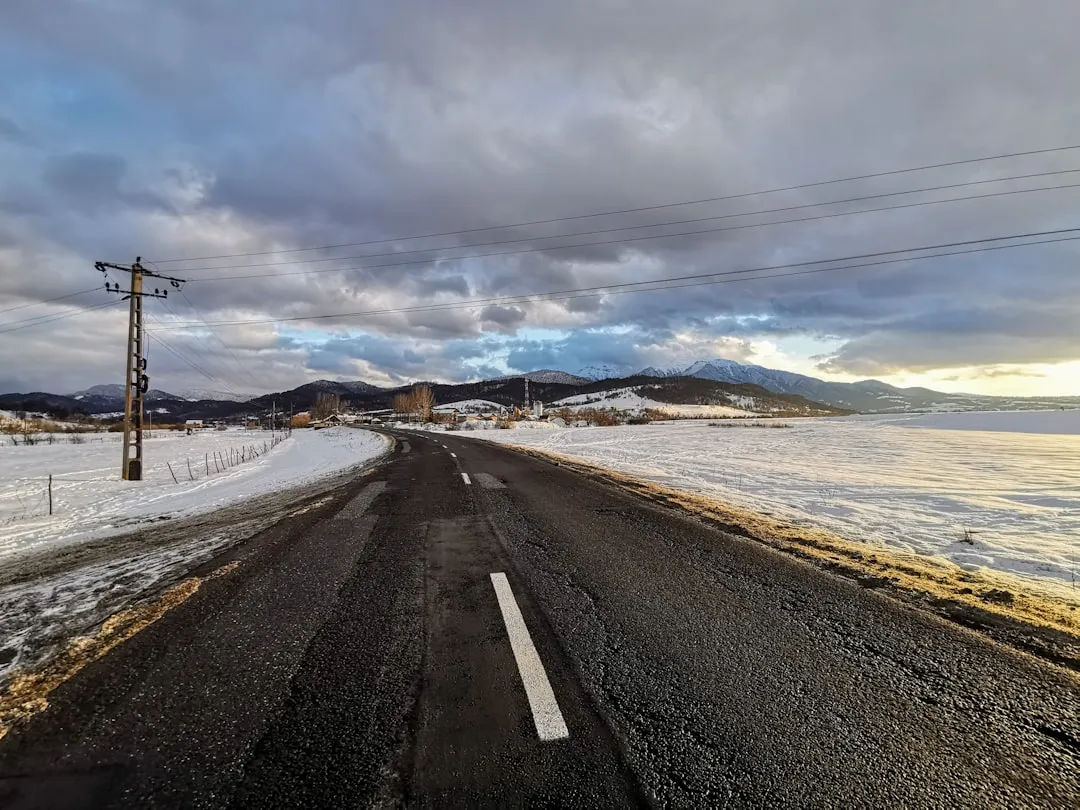
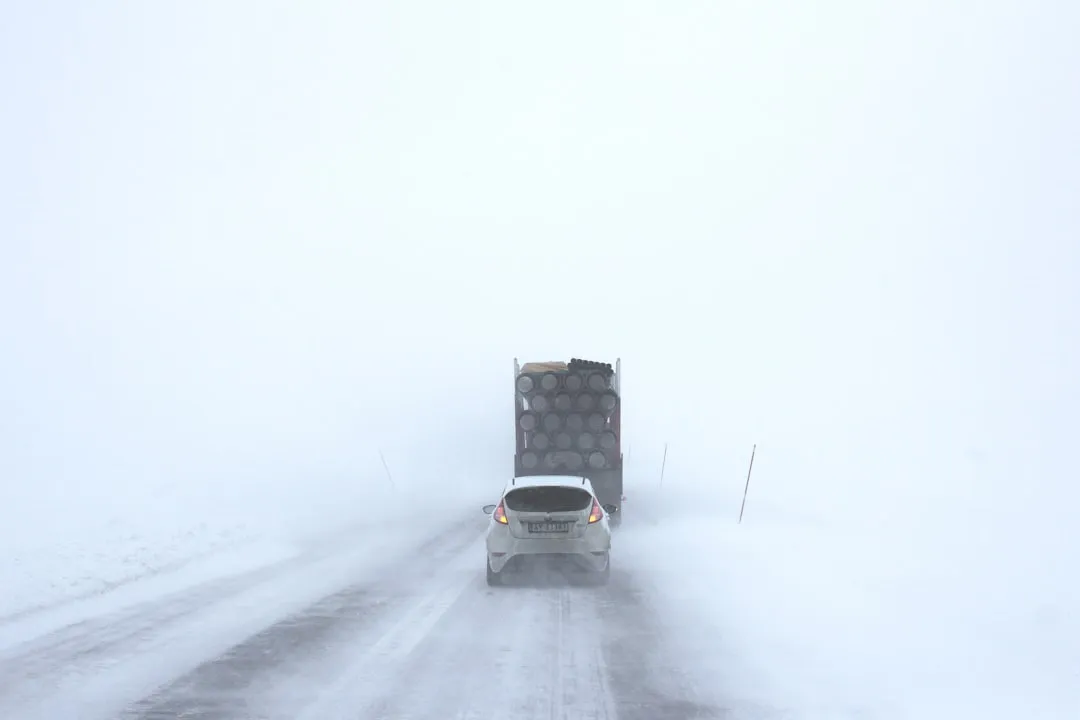
Much of the conversation around holiday weather disruptions focuses on flights, but road travelers face their own serious exposure. During the post-Thanksgiving storm of 2025, the National Weather Service warned that parts of the Midwest and Great Lakes regions could see up to 12 inches of snow before a second storm threatened the East Coast. Driving into conditions like that without real-time guidance is a genuine safety risk.
Weather apps are especially helpful for road trips, winter drives, mountain routes, and rainy season travel. For driving trips specifically, real-time route and road updates can help avoid weather-related delays. Apps like Drive Weather are built precisely for this scenario, projecting what conditions will look like along a route at the specific time a driver plans to pass through.
The 2025 to 2026 Winter Season Was a Turning Point
During the 2025 to 2026 season, a pair of RSI-rated winter storms disrupted post-Thanksgiving travel across the continent, followed by a disruptive mid-December storm that brought some of the largest snowfall accumulations to the Mid-Atlantic and I-95 corridor in several years. That back-to-back pattern left little breathing room for anyone traveling during the holidays.
The maximum snowfall accumulation that season reached 115 inches near Dodge Ridge, California, recorded over a five-day stretch in February 2026. That kind of accumulation isn’t just a West Coast anomaly. It reflects a season that was broadly more active and more damaging than the years immediately before it, reinforcing the need for sustained tracking rather than one-time checks.
Airports Themselves Now Lean on Real-Time Data Tools
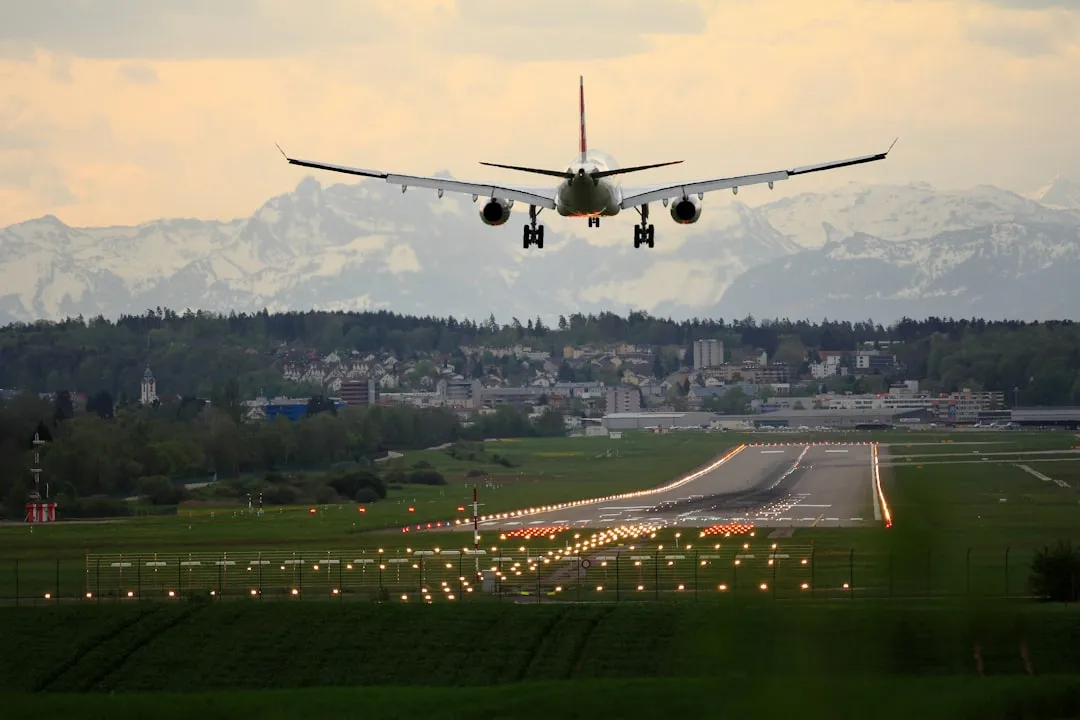
It’s worth noting that real-time flight tracking platforms have become part of the standard language of holiday travel disruption. According to FlightAware, at the height of one December 2025 storm event, more than 5,400 flights flying into, out of, or within the U.S. had been delayed, while over 1,000 were canceled. Travelers who were already monitoring FlightAware or similar tools were adjusting plans in real time while others were still in the dark.
During peak storm events, airports themselves took to social media to warn travelers to check with their airline directly to determine the status of their flights. A tracking app gives travelers that same situational awareness independently, without having to wait for official notifications that sometimes arrive too late to be actionable.
Building a Layered Weather Strategy Before You Leave Home
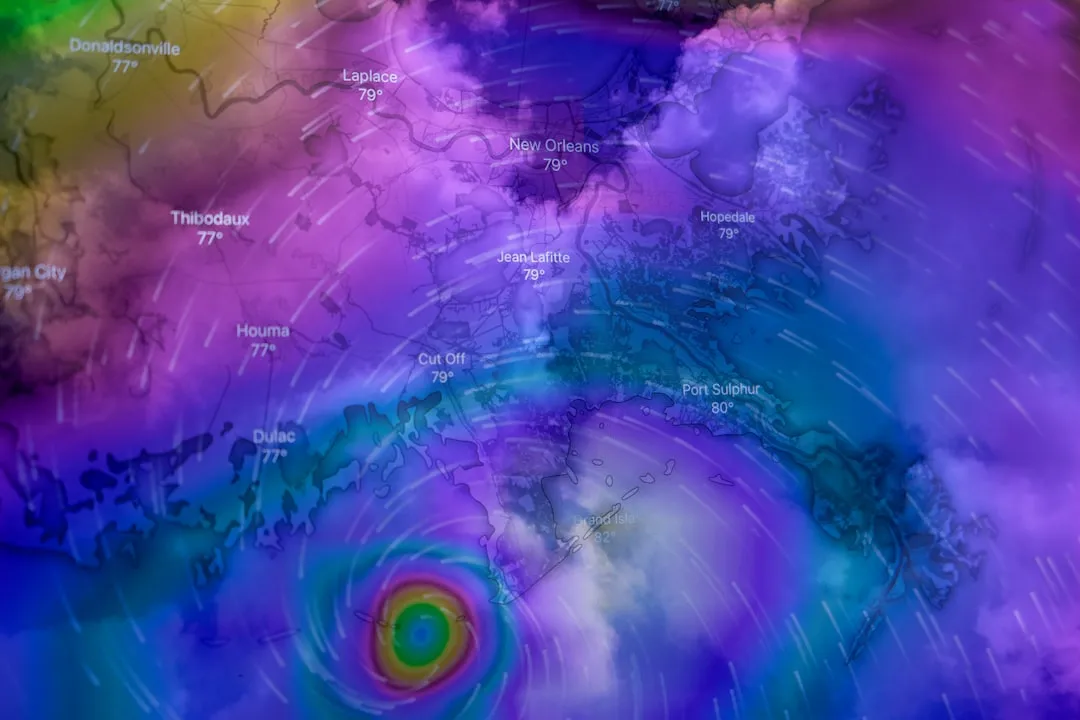
The travelers who navigate winter holiday seasons most gracefully tend to treat weather monitoring as a multi-day process, not a morning-of check. Watching a developing storm system two or three days out creates space to adjust plans proactively, request schedule changes before fees kick in, and choose travel windows that avoid the worst conditions.
In 2026, the most effective strategy is not relying on a single forecast, but building a layered weather alert system for travel that combines global models, real-time radar, and route-aware notifications. For most travelers, a sensible setup means one app for everyday forecasts, one for radar or rain alerts, and local emergency alerts turned on whenever severe weather is possible.
A Quiet Shift in How We Prepare for the Holidays
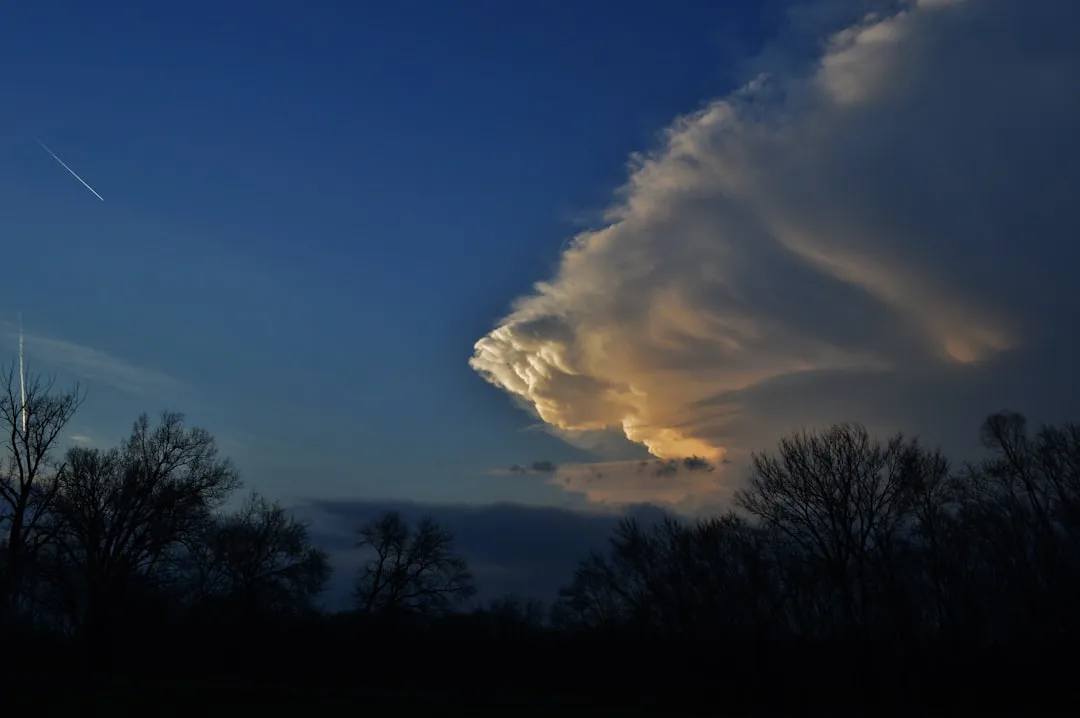
There’s something quietly significant happening in how holiday travelers approach winter. The instinct to just show up and hope for the best is giving way to a more deliberate, informed approach. Weather apps aren’t a cure for the chaos that winter storms bring, but they do restore a measure of agency to travelers who would otherwise be entirely at the mercy of conditions they didn’t see coming.
The winters of 2024 through 2026 have made the case more clearly than any promotional pitch could. Storms are more disruptive, travel volumes are higher, and the cost of being caught off guard, whether measured in missed connections, stranded nights, or unsafe road conditions, is real. Keeping a good storm tracking app updated and running before and during your holiday journey is simply one of the more grounded decisions a traveler can make right now.
AI Disclaimer: This article was created with the assistance of AI tools and reviewed by a human editor.