

Few dining gestures carry as much weight in Japan as the seemingly simple act of where you rest your chopsticks. Most visitors to Japan learn this rule quickly, often the hard way. It is not about being fussy or overly formal. The reason runs much deeper than table manners, threading through centuries of Buddhist ritual, Shinto tradition, and an understanding of death that is woven quietly into everyday life.
What makes this particular taboo so striking is how easy it is to do accidentally. You finish scooping a bite of rice, your hands are full, and you think nothing of leaving the sticks planted upright while you reach for something else. In Japan, that moment of thoughtlessness reads very differently than you might expect.
The Name of the Taboo: Tate-bashi, Tsukitate-bashi, and Hotokebashi
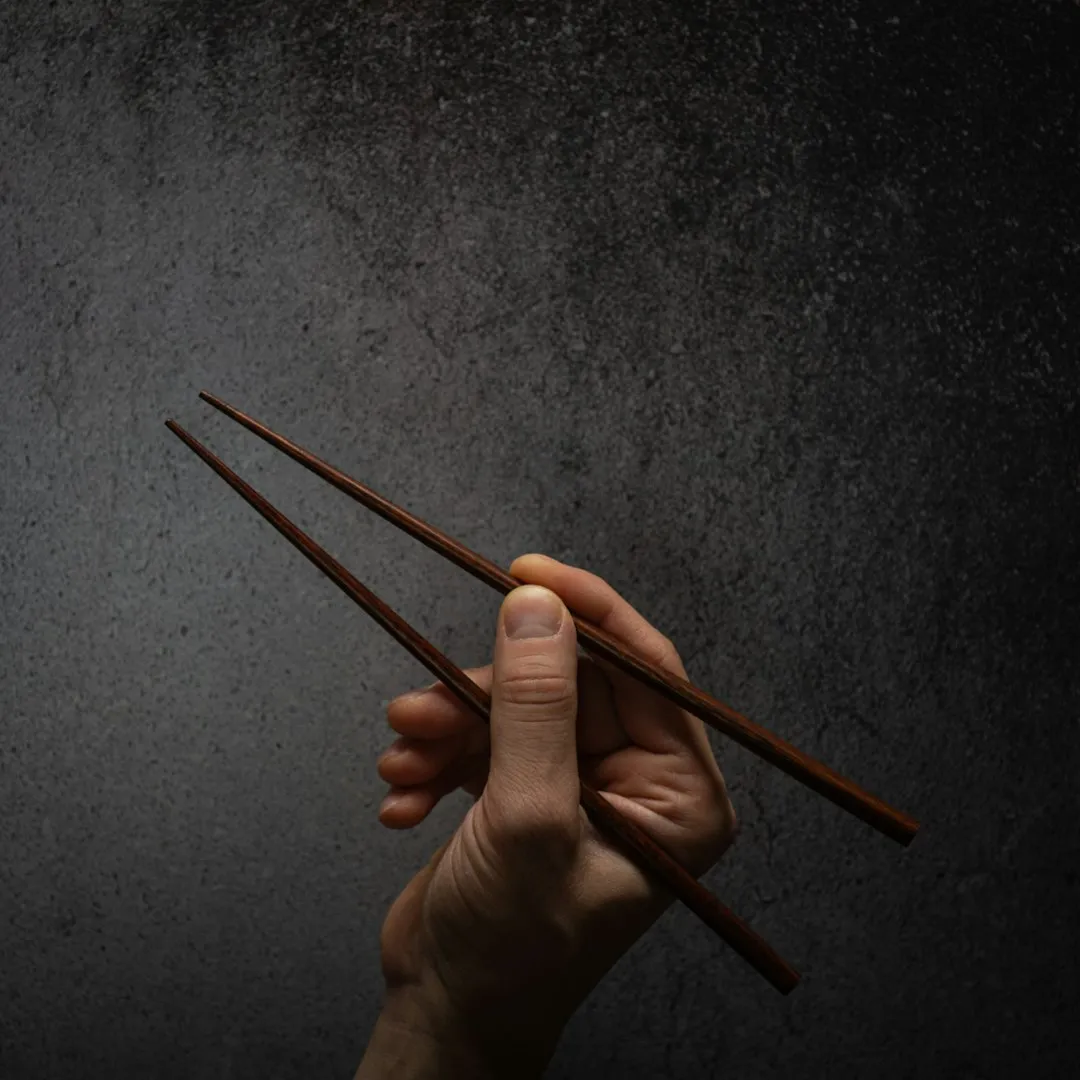
Sticking chopsticks vertically into your rice bowl is one of Japan’s biggest dining taboos. This practice is called tateya or hotokebashi, terms that directly connect the act to funeral ritual. The word hotokebashi is particularly telling. “Hotoke” refers to the Buddha or, more loosely, to the spirit of the deceased. The name alone signals what the gesture communicates.
In Japan, this act is called tatebashi, meaning “standing chopsticks.” Multiple terms exist for the same behavior, which itself reflects how thoroughly the taboo is embedded in Japanese cultural consciousness. When a single gesture has several specific names, it tends to mean people have been careful about it for a very long time.
The Funeral Altar Connection
Chopsticks should not be stuck upright into food, especially rice. Chopsticks are only stuck upright into rice in the bowl on the altar at a funeral or when paying respects to the deceased. This is the core of the taboo. The image of upright chopsticks in a rice bowl has one primary cultural reference in Japan, and it is not a meal.
A bowl of rice with chopsticks placed upright is associated with offerings for the deceased in Japanese Buddhist funeral and memorial customs. When you do this casually at a restaurant or family table, you are recreating a funerary image that every person at that table will immediately recognize. The discomfort it creates is not abstract. It is instinctive and immediate.
The Incense Stick Resemblance
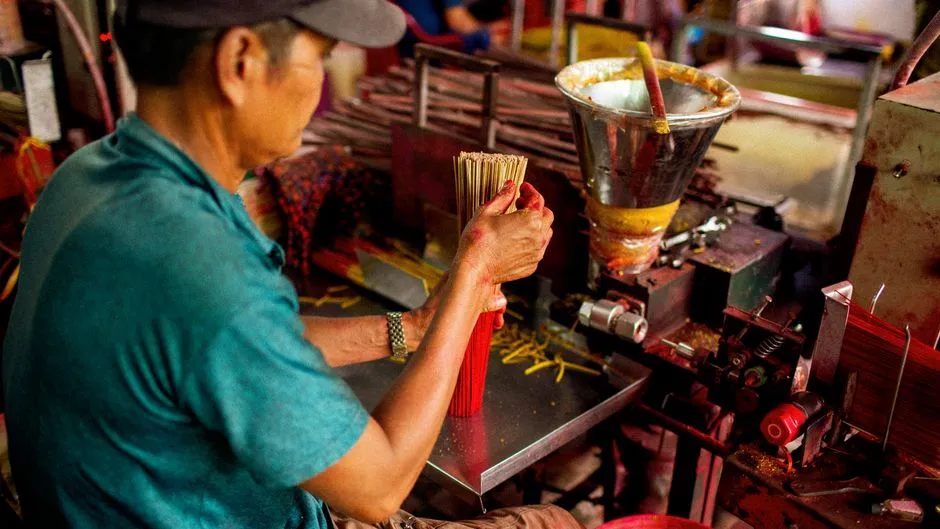
In Japan, Shinto and Buddhist rituals for the dead call for a bowl of rice to be presented as an offering with chopsticks standing upright, representative of incense burned at funerals. This visual overlap is not incidental. The parallel between upright chopsticks and incense sticks planted in sand or ash during mourning ceremonies is precise enough that the two images merge in the Japanese cultural imagination.
The upright sticks may also remind people of the incense burned during funerals. So there are actually two layered associations at work: the rice offering to the dead, and the incense that burns during the ceremony itself. Either association alone would be enough to make the gesture uncomfortable. Together, they make it one of the most charged table habits a visitor can accidentally perform.
The Buddhist Roots That Shaped This Custom
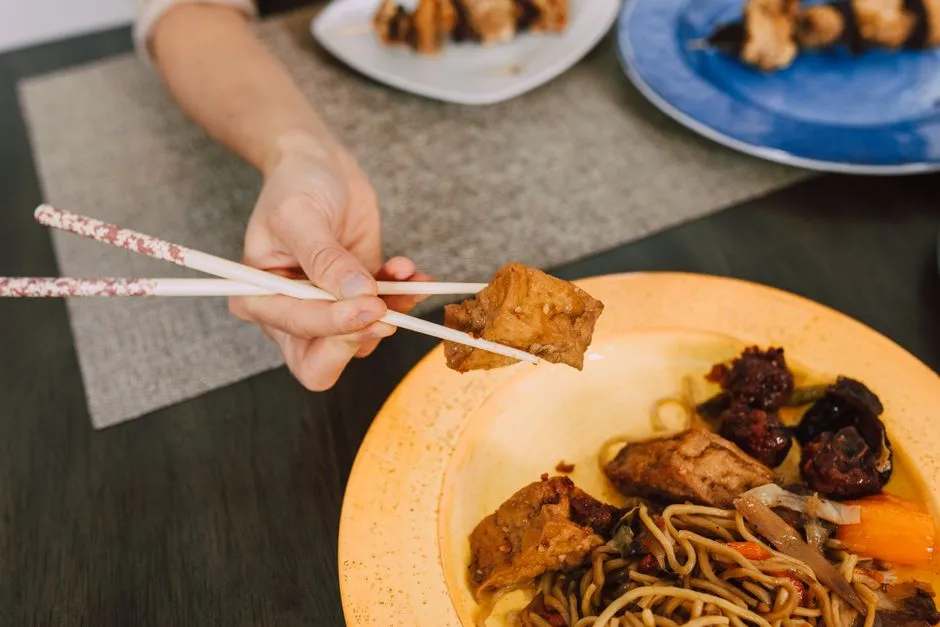
Buddhism shaped this taboo when it arrived in Japan around the 6th century. Rice offerings with vertical elements became standard practice at butsudan, Buddhist home altars, and during Obon, the festival honoring ancestors. These practices did not stay confined to temples. They moved into homes and became part of daily domestic life, which is precisely why the symbolism attached to the gesture is so widely understood.
The earliest Japanese chopsticks were not used for everyday eating at all, but for religious rituals. When Buddhism spread to Japan around the 6th century, it encouraged vegetarianism and non-violence, dovetailing with the idea that meals should be devoid of instruments of killing. The sacred origins of chopsticks in Japan make it easier to understand why the rules surrounding them carry such moral and spiritual weight.
The Kotsuage Ritual and the Bone-Passing Taboo
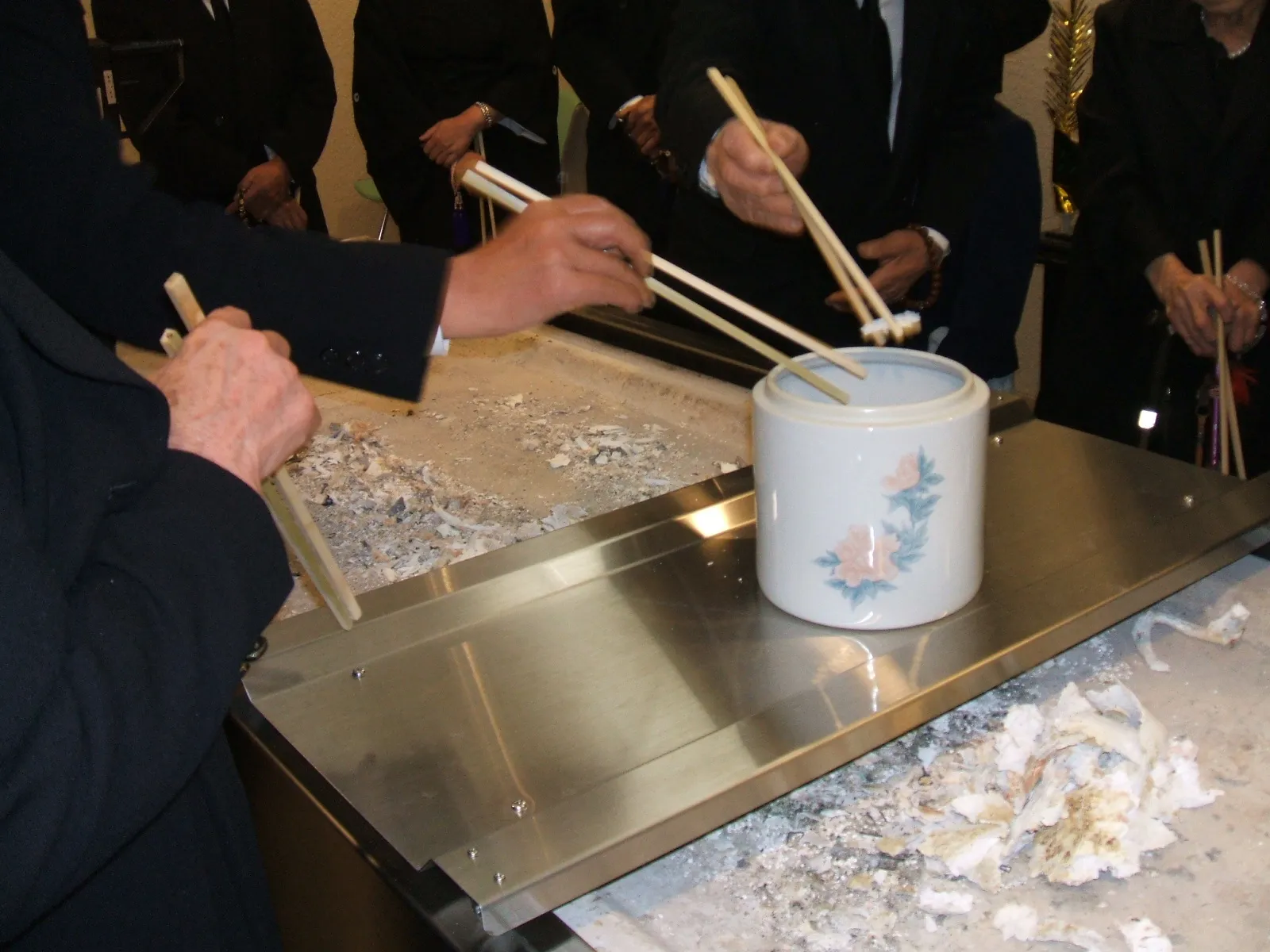
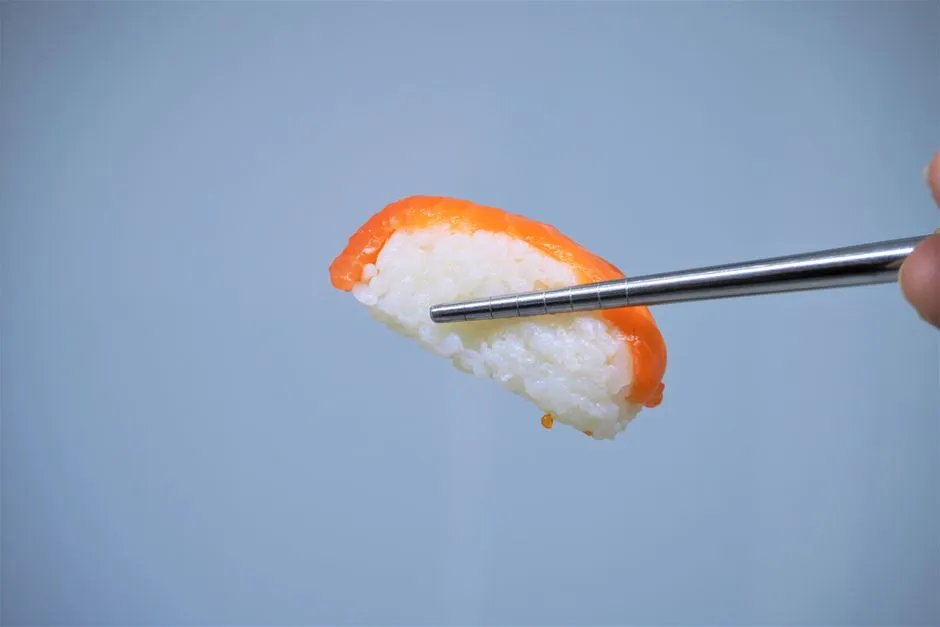
A variant in Japanese funeral practice involves passing bones from chopsticks to chopsticks. Known as kotsuage, this is the only time in Japan when it is proper for two people to hold the same item at the same time with chopsticks. At all other times, holding anything with chopsticks by two people at the same time, or passing an item from chopsticks to chopsticks, is considered a major social faux pas.
After a cremation in Japan, family members use chopsticks to transfer cremated remains, including bones, as part of the funeral process. Passing food from chopsticks to chopsticks therefore has a strong funeral association. This companion taboo, called hashi-watashi, is just as serious as the upright-rice rule. Both share the same origin point: the solemn choreography of Japanese cremation rituals.
How Deeply This Is Felt in Japan
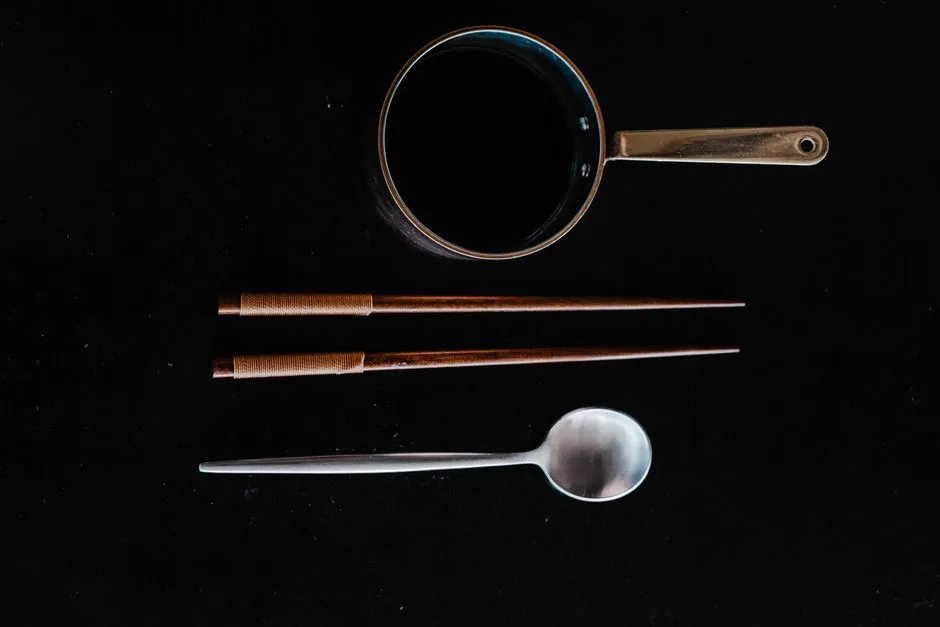
There are dozens of taboos relating to the use of chopsticks. No other household article comes with so many rules, a sign of the importance of chopsticks in everyday culture. That density of rules is itself meaningful. Chopsticks occupy a unique position in Japanese life that sits somewhere between everyday tool and culturally loaded object. The rules are not arbitrary; they reflect the full history of what chopsticks have meant in Japan.
The etiquette violations that matter most are the ones tied to funeral associations, like standing chopsticks in rice. Technical clumsiness is far less of a concern than those specific taboos. Japanese hosts are generally patient with foreign guests who struggle to hold chopsticks correctly. The funeral taboos are another matter entirely. Those carry genuine emotional weight for the people at the table.
It Goes Beyond Japan: A Broader Asian Taboo
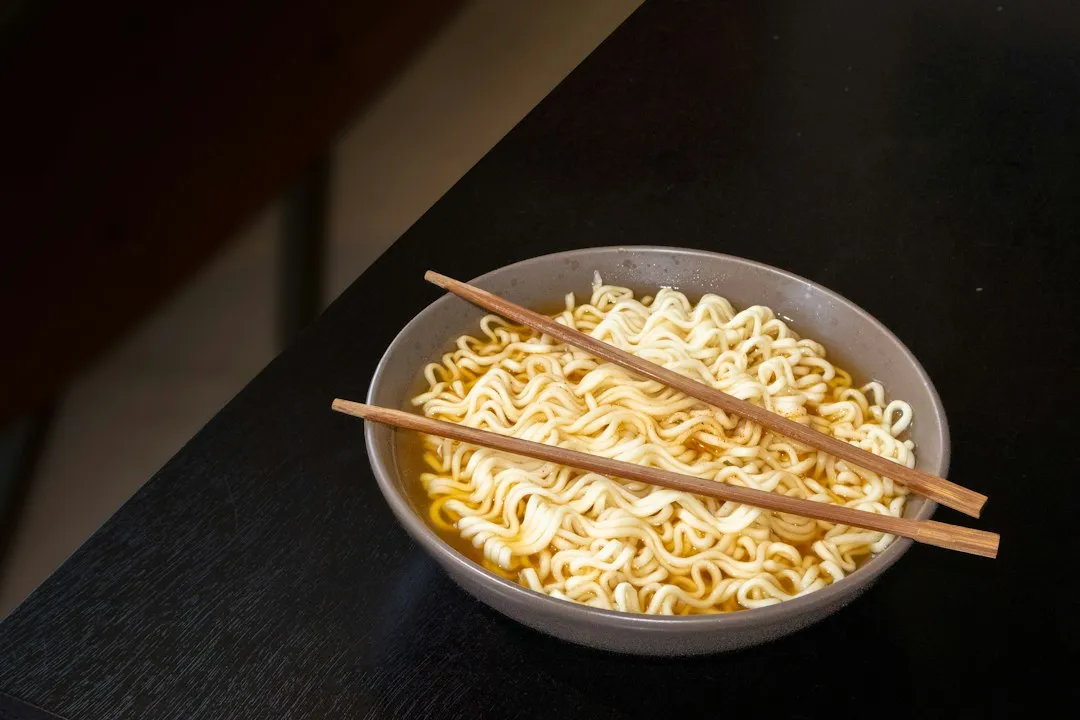
In Asian countries that follow Shinto and Buddhist practices, such as China, Japan, Korea, and Vietnam, placing chopsticks vertically into a bowl of rice is strongly associated with funeral rites. While the focus of this article is Japan specifically, it is worth noting that the cultural logic is shared across much of East and Southeast Asia. The visual language of vertical objects in rice as an offering to the dead is not uniquely Japanese.
Chopsticks and spoons should never be put into food, particularly rice, in a standing-up position because it resembles food offerings at a grave for deceased ancestors, and it is therefore considered bad luck. This is the Korean perspective, but the underlying reasoning maps closely to the Japanese one. Shared Buddhist influences across the region created a broad cultural grammar that many people understand instinctively, even without consciously knowing the funeral connection.
The Sacred Origins of Chopsticks in Japan
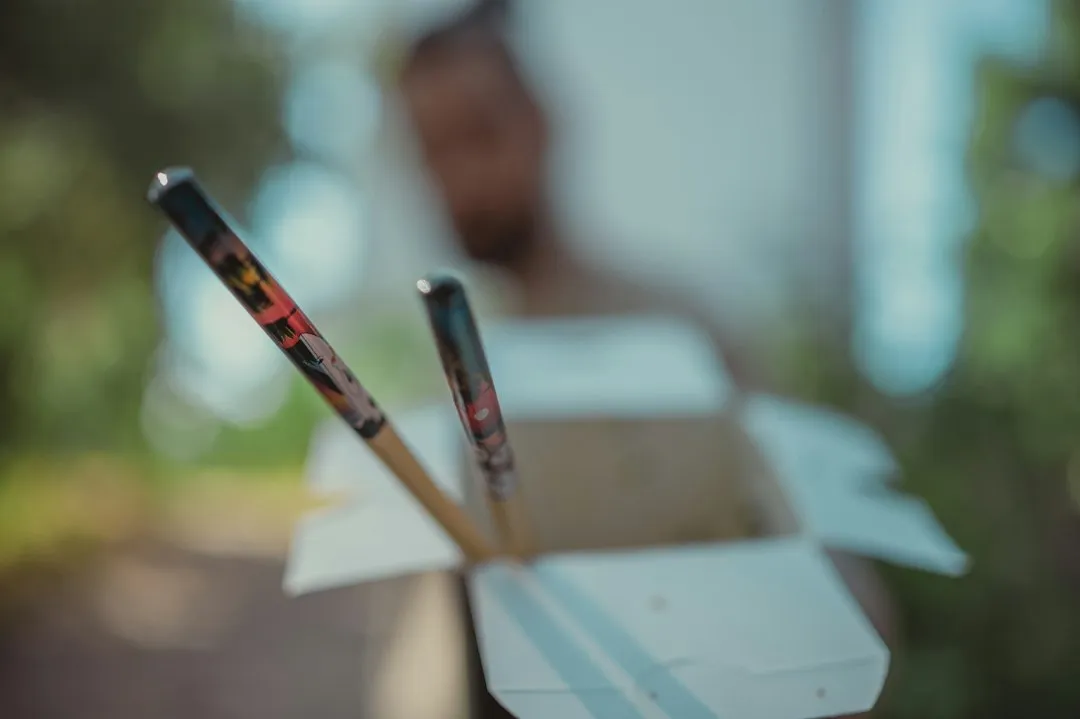
In their early history, Japanese chopsticks provided a bridge between the human and the divine. Rather than for ordinary meals, they were used at first for sharing food with the gods. It was believed that when a pair of chopsticks was offered to a deity, the chopsticks became inhabited by that deity. When those chopsticks were used to eat the food that was offered along with them, mortal and immortal dined together.
When chopsticks first arrived in Japan, they were not meant for common meals. Instead, they served a singular purpose: ritual and ceremony. Understanding this sacred starting point makes the funeral taboo feel less like a quirky rule and more like a natural extension of a very old idea: that chopsticks have always mediated between the living and something beyond ordinary life.
What to Do Instead: The Hashioki
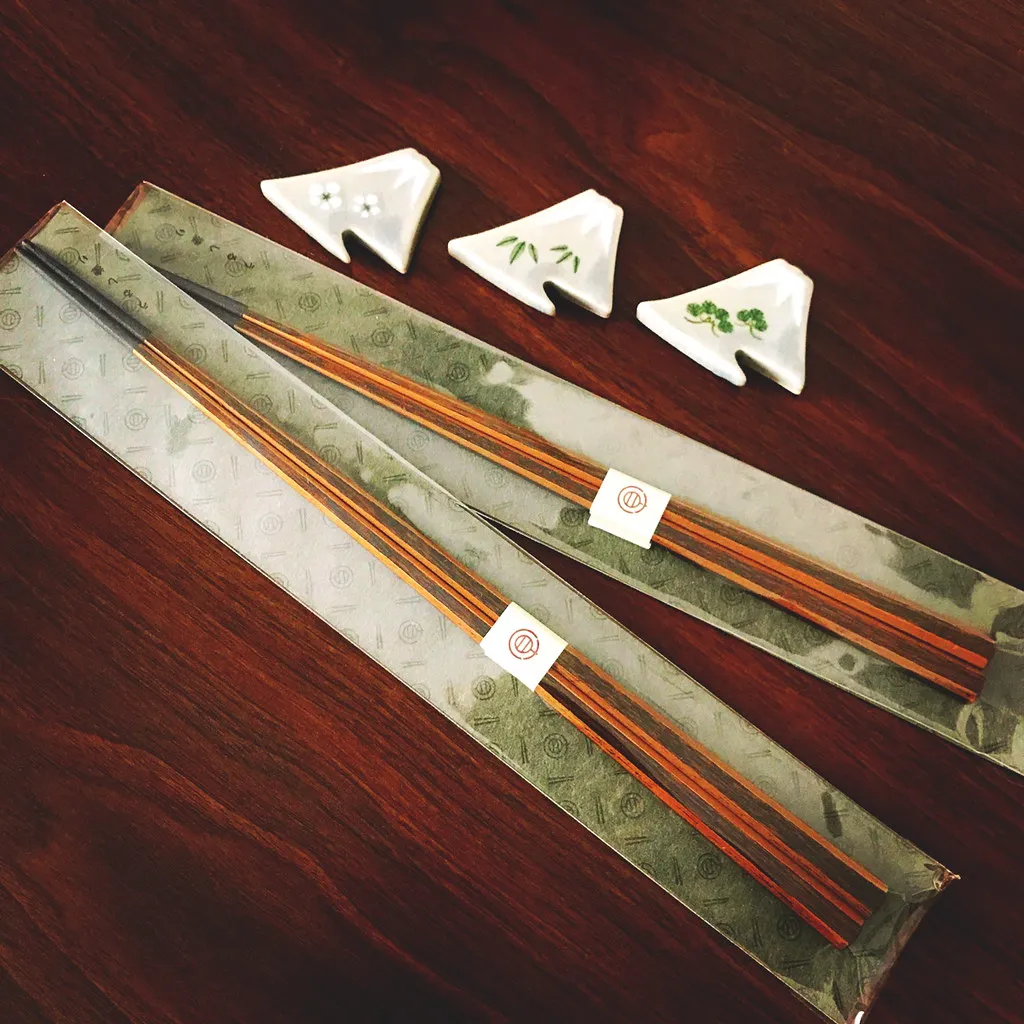
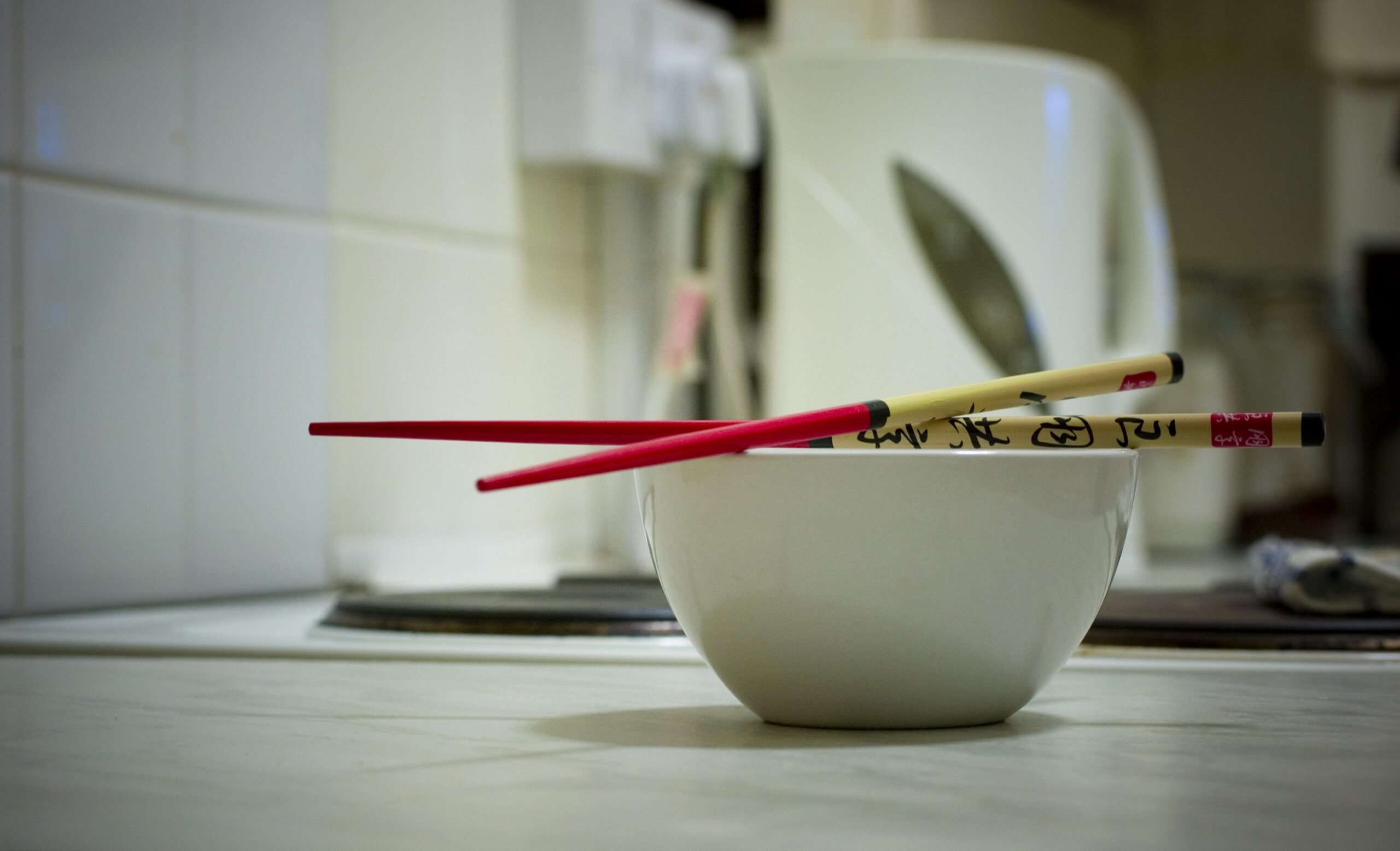
To avoid this faux pas, just use a chopstick rest, very commonly included in a Japanese table setting. These small rests, called hashioki, can be made from ceramic, wood, lacquered bamboo, or folded paper. Their purpose is precisely this: to give your chopsticks a resting place that carries no funeral association. They are common, practical, and always appropriate.
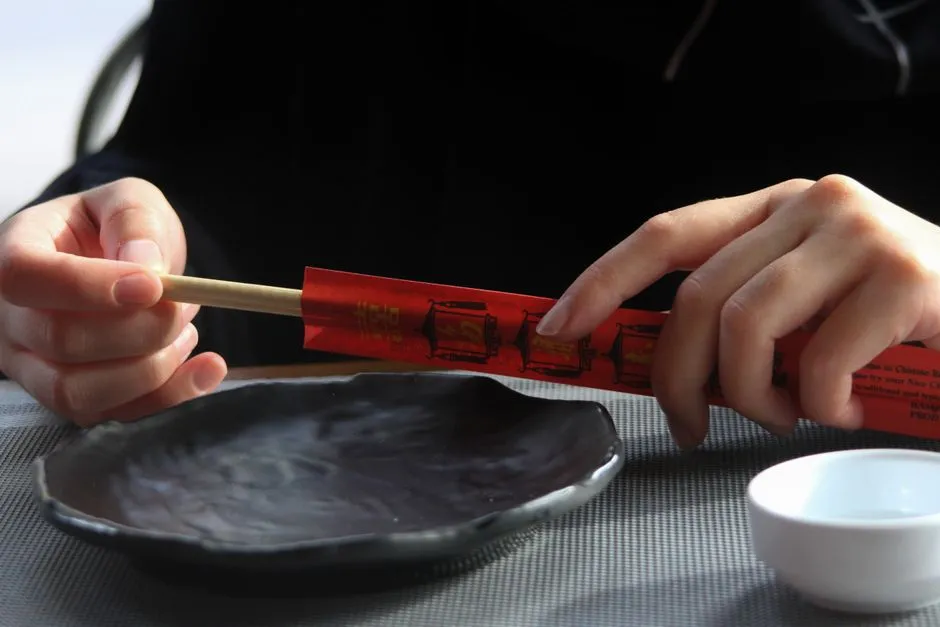
In Japan, it is common to fold the chopstick wrapper into a tiny chopstick rest – a small but thoughtful gesture of respect. If a formal hashioki is not provided, this folded wrapper solution is widely accepted and appreciated. It signals awareness and care, which are values that land well in almost any Japanese dining context. Laying chopsticks horizontally across the rim of a bowl is also acceptable when no rest is available.
What Happens If You Do It by Mistake
If you do it by mistake, put the chopsticks down, say sumimasen quietly, and carry on. Japanese hosts are extremely accommodating toward foreign guests and the mistake is understood as unfamiliarity rather than disrespect – but a long apology draws the whole table’s attention to the funeral association, which is precisely the discomfort you are trying to avoid.
Respecting these chopstick manners shows that you understand the culture and prevents an awkward silence at the table. That silence, if it comes, tends to be brief. Japanese dining culture is warm and forgiving toward guests who are genuinely trying to engage respectfully. The gesture of correcting yourself quietly goes a long way. What lingers is not the mistake itself, but the effort to understand why it matters.
Final Thoughts
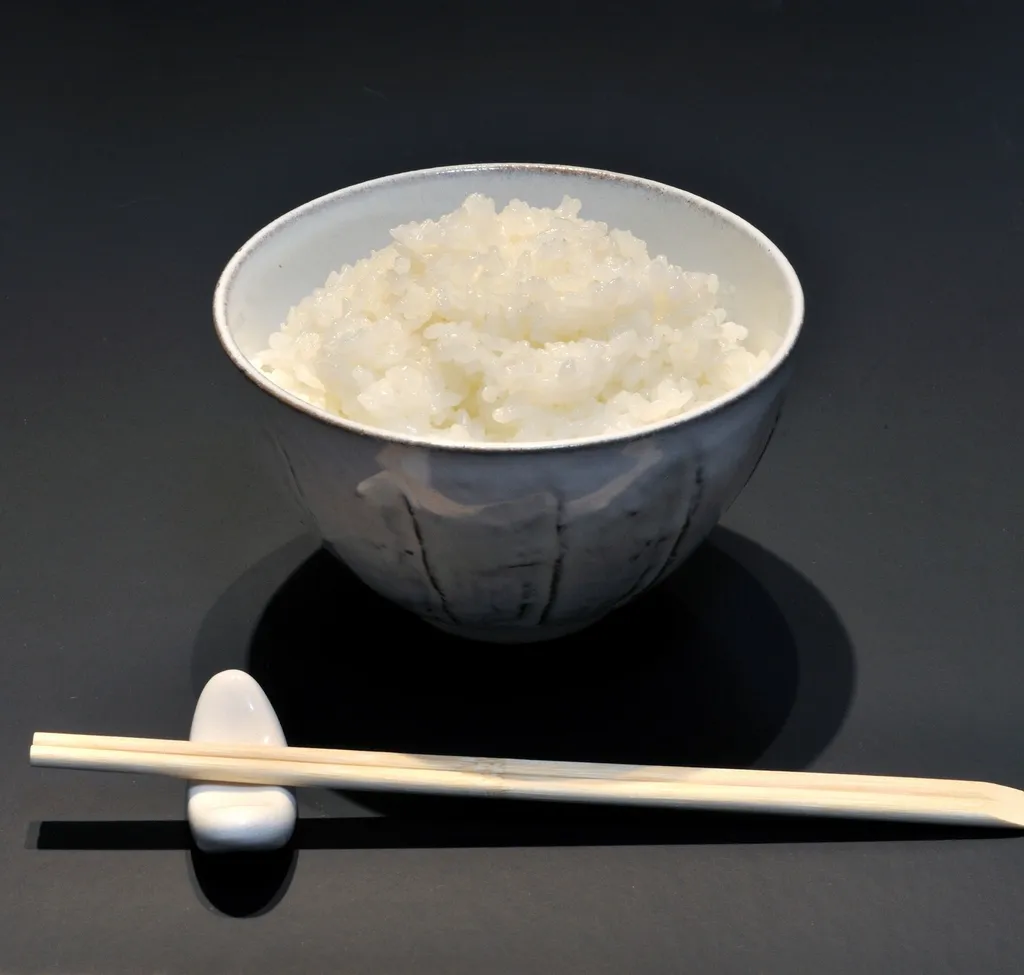
It is a small act, standing a pair of chopsticks upright in a bowl of rice. It takes about a second and usually comes from pure convenience. In Japan, though, that second carries the weight of centuries of Buddhist practice, cremation ritual, and ancestral veneration. The table becomes an altar, the dinner becomes an offering, and the living become uncomfortable in a way that is hard to fully articulate unless you understand the history behind it.
Knowing the reason transforms this rule from a rote restriction into something genuinely interesting. Japan’s chopstick etiquette is not a list of arbitrary prohibitions. It is a living record of how a culture thinks about food, death, and the connection between the two. Travel with that understanding, and you carry something more valuable than a checklist of dos and don’ts.
AI Disclaimer: This article was created with the assistance of AI tools and reviewed by a human editor.