

The Golden Rule That Opens Every Table
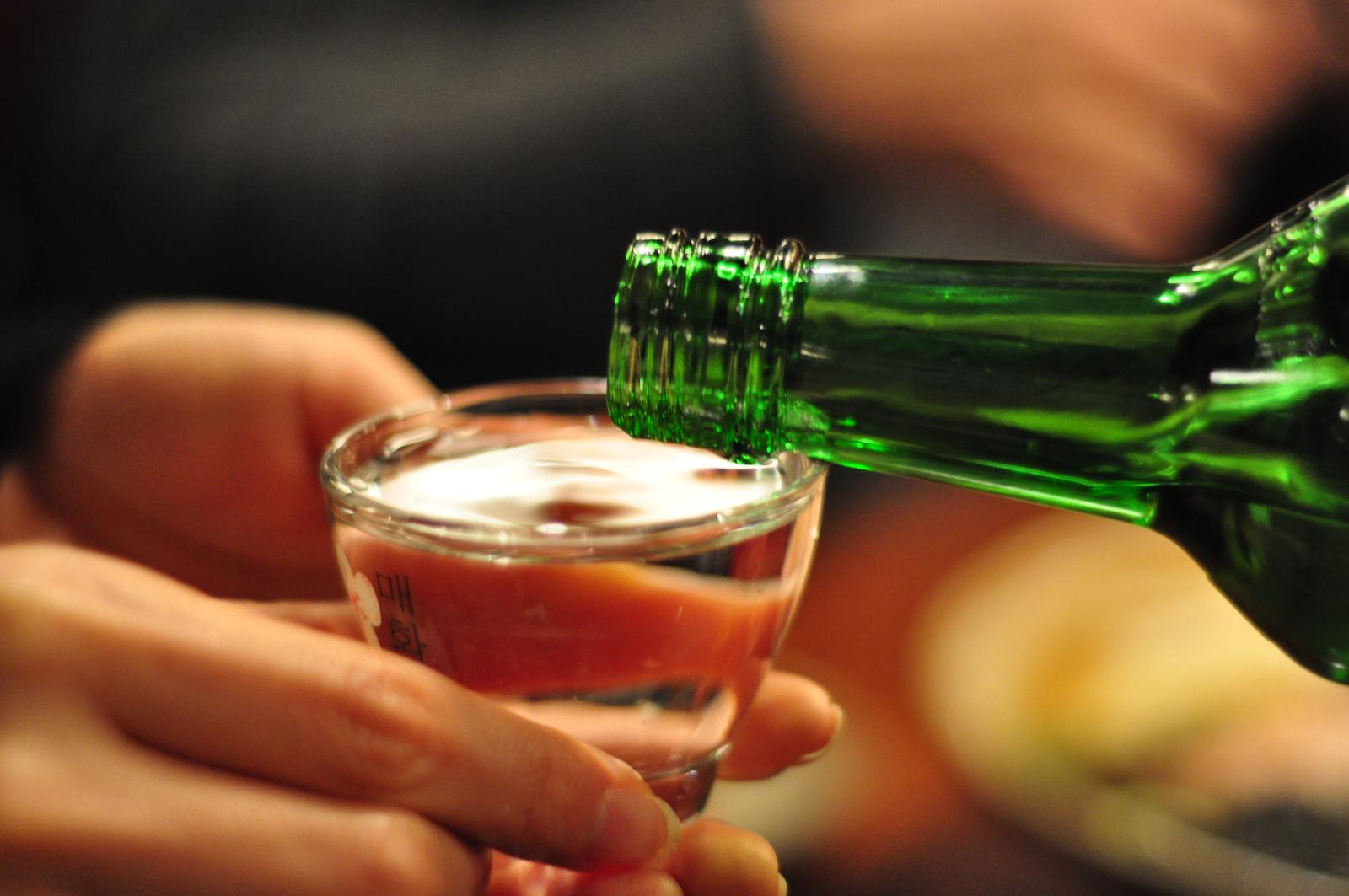
Rule number one in Korean drinking culture is simple: you do not pour your own drink. Pouring is a social gesture, and you wait for someone else to fill your glass, then return the favor when their glass goes empty. Pouring your own drink is considered selfish or even rude, and at a formal table it is the kind of thing an older person will gently correct.
In Korean drinking culture, you pour for others and others pour for you. Pouring your own glass signals that no one at the table is paying attention to you, which reflects poorly on the group, not just you. It’s a small act, but it carries real social weight.
Confucian Roots: Where This Tradition Comes From
Koreans drew from the teachings of Confucius that societies had to be arranged in a hierarchical form to live peacefully. It was about maintaining absolutely harmonious relationships among all people at all levels of society.
South Korea’s hierarchical society influences almost every social interaction, and the dinner table is no exception. Heavily rooted in age-old Confucian values, the way alcohol is served and consumed acts as a lesson in respect, social structure, and communal harmony. From who gets poured for first to how high you raise your glass, every gesture subtly acknowledges a person’s age or status.
This tradition is believed to have originated from one of six important Confucian rituals known as Hyangeumjurye. This ceremonial gathering of intellectuals celebrated their admiration for wisdom and honored their elders for their old age and accomplishments.
Jajak: The Word for Self-Pouring (and Why It Carries Bad Luck)
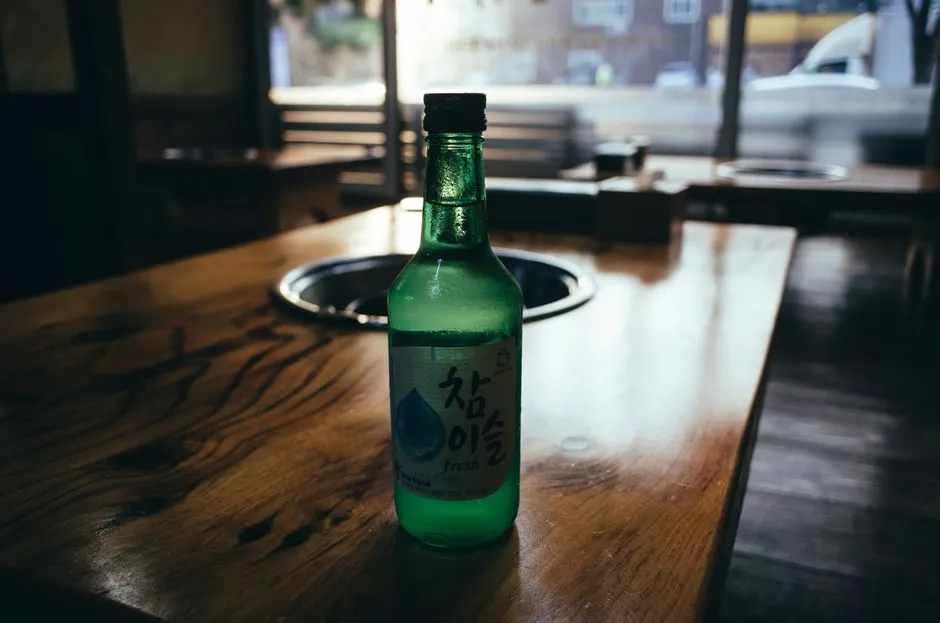
When sitting down for drinks in Korea, one major rule to remember is to never pour your own glass. Known as jajak, self-pouring is traditional bad etiquette, and superstition even says it brings bad luck to you or the person sitting across from you.
Pouring your own is associated with bad luck and signals to the table that no one is looking after you. There’s a social meaning beyond mere superstition here. When no one fills your glass, it implies the group has emotionally checked out on you, and that’s a far more uncomfortable idea than any folk belief about fortune.
The Two-Handed Pour: Hierarchy Made Physical
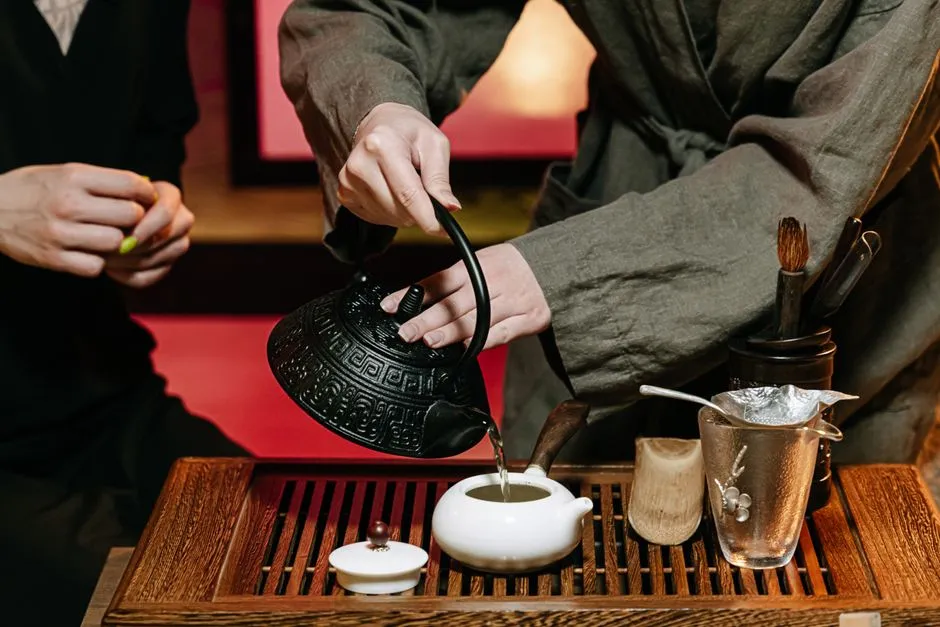
Pouring with two hands and receiving with two hands is the most fundamental rule of Korean drinking etiquette. When you’re pouring for or receiving a drink from someone older or more senior, use two hands, or at minimum keep your free hand resting near your elbow as a gesture of respect.
Seniority is respected in Korea and this does not only apply to age, but also to the hierarchy within a company. When you’re out with your friends or colleagues, the most senior person in terms of age or position should be the one pouring the first glass of drink.
Pouring with one hand toward a peer your own age is generally fine and common. It’s specifically the age or status gap that triggers the two-handed version. So the gesture scales with the relationship, not just the room.
Turning Your Head Away: The Respect Ritual You Might Miss
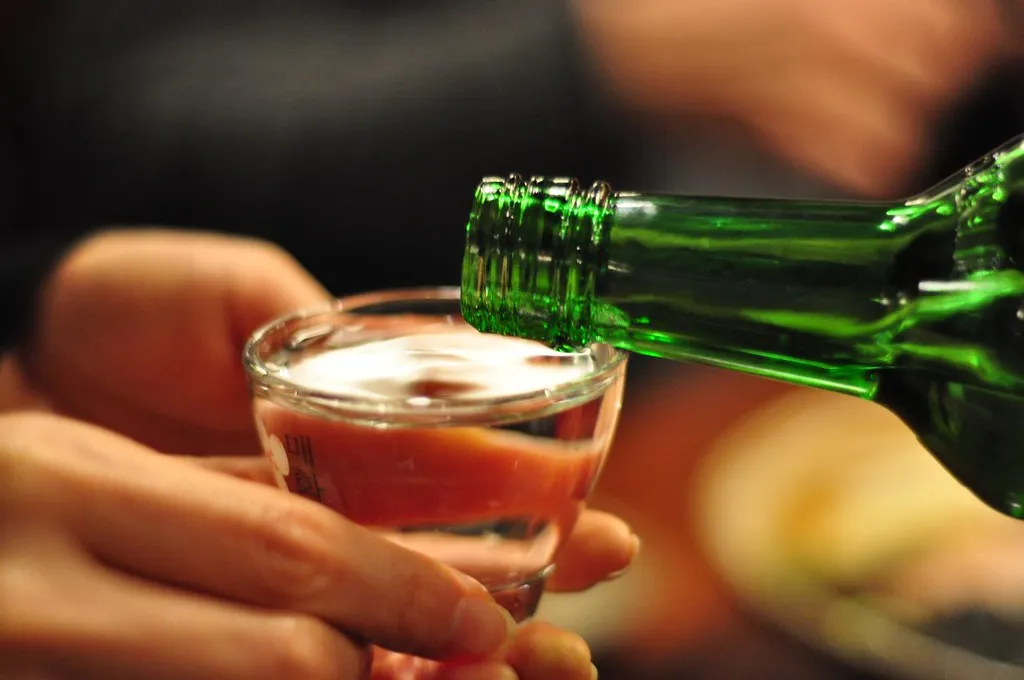
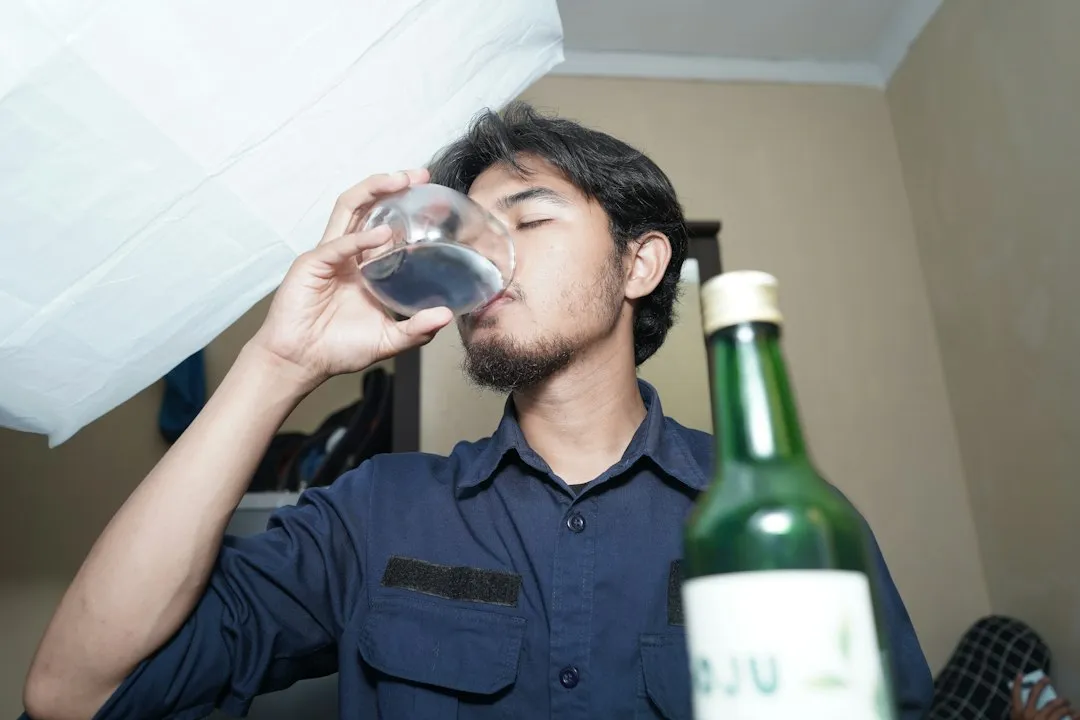
Another way of showing respect is turning away and covering your mouth while drinking. This applies particularly in the presence of elders or superiors. The origin is rooted in Confucian etiquette, where displaying the act of drinking directly in front of an elder was considered impolite.
When drinking with someone older, it’s etiquette to turn your head to the side and take a sip. For first-time visitors, this can look puzzling. In context, it’s one of the most elegant and considerate gestures at the table, quietly communicating respect without a single word.
The Youngest Person at the Table Has a Job
If you’re the youngest or most junior person at a Korean table, you have a job: keep track of everyone’s glass. When someone’s drink runs low, you top it off before they have to ask.
Age hierarchy isn’t just about receiving respect – it comes with responsibility too. The youngest person at the table is often expected to take an active role in pouring, keeping glasses filled, and generally managing the flow of alcohol for the group. Far from being demeaning, this role is a form of active social participation. It keeps you engaged, attentive, and genuinely part of the gathering.
Jeong: The Invisible Bond Being Built Over Every Round
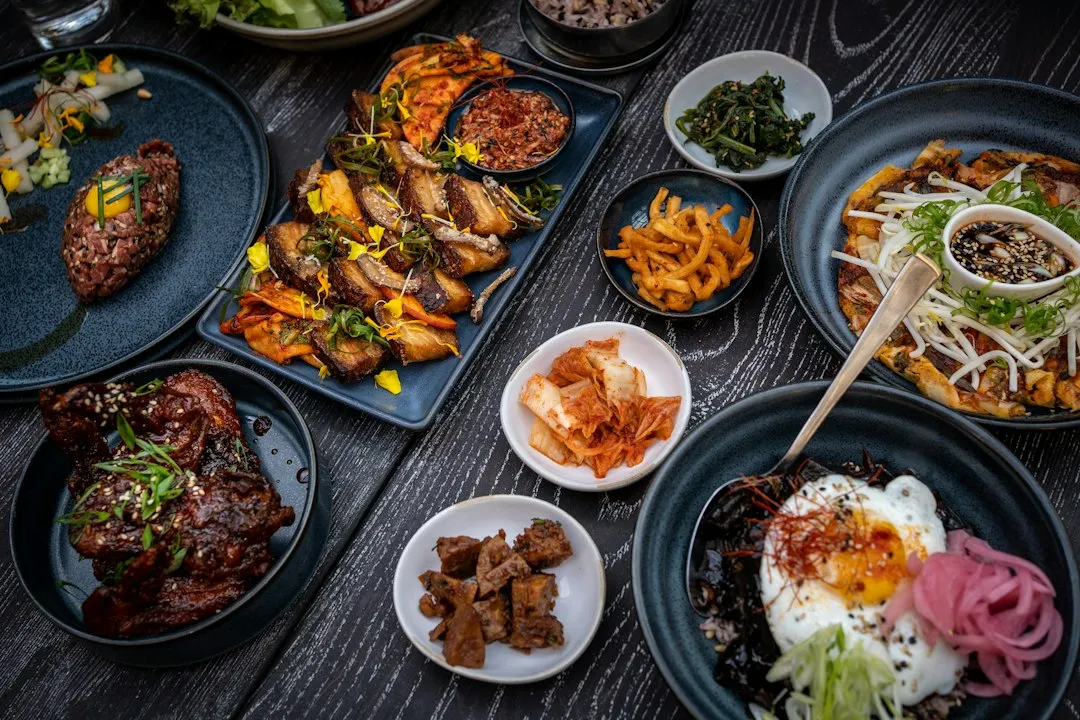
Underneath the grilled meat and the rounds of soju, something more lasting is being built. Korean culture has a concept called jeong, a word that resists clean translation but approximates deep emotional connection, loyalty, and mutual attachment between people who have shared experiences and time together.
This constant cycle of pouring for each other is how Koreans create and maintain social bonds at the table. The Korean word for this kind of social release is sometimes described as a form of jeong, the emotional bond that grows between people through shared experience. Every time someone refills your glass without being asked, they’re reinforcing that bond in a small, tangible way.
Hoesik: When Pouring Etiquette Enters the Workplace
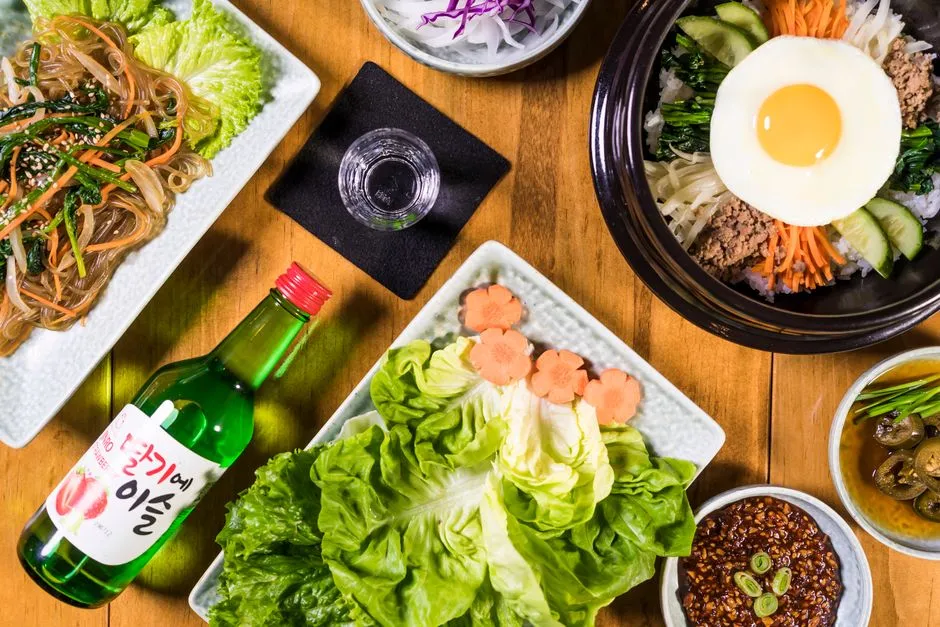
One of the most important forms of socialization in Korean organizations is hoesik, or “dining together,” which requires workers to attend events that involve alcohol consumption, often mandated by unwritten rules of workplace etiquette. Work dinners in Korea aren’t just social events – they’re business rituals. Hoesik is where workplace relationships are actually built. The formal hierarchy of the office relaxes slightly, real opinions get aired carefully, and the bonds that make teamwork function are formed over shared bottles of soju.
The etiquette of drinking at hoesik is, at its core, a physical language of respect and hierarchy. When pouring for a senior colleague, you hold the bottle with both hands, or with your right hand while supporting your right arm with your left, a gesture of deference that signals attentiveness. At hoesik, every pour is a small professional statement.
Soju’s Grip on Korean Culture (and How It’s Loosening)
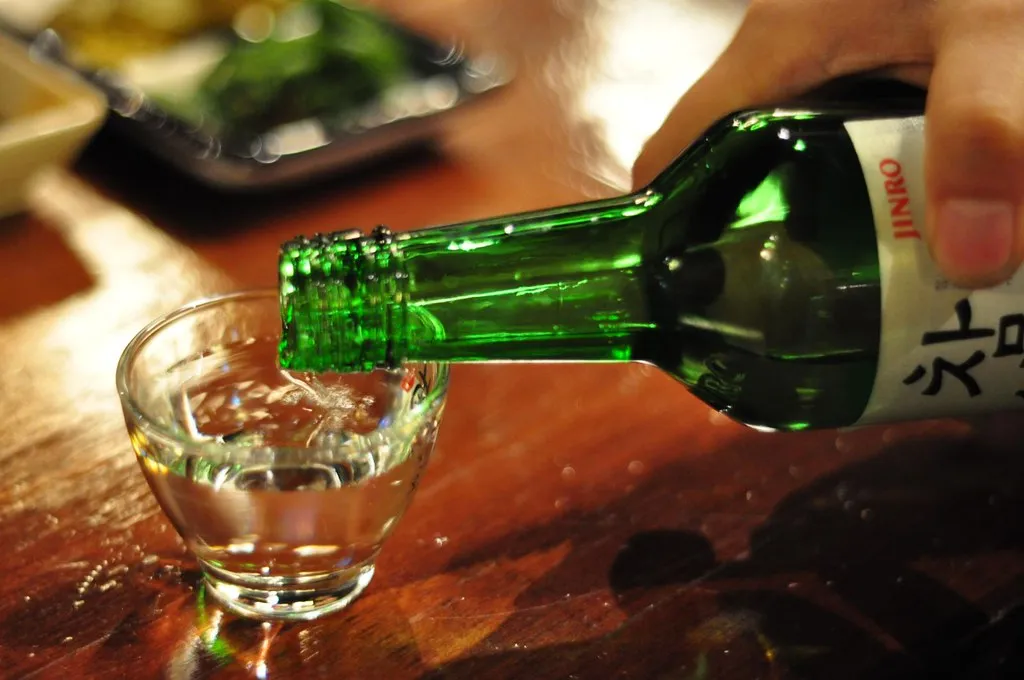
Beer and soju still dominate the South Korean alcohol market, making up roughly 80% of domestic domestic sales, according to a 2024 report by the Ministry of Agriculture, Food and Rural Affairs. Soju in particular sits at the center of these pouring rituals, poured into small shot glasses and shared in a highly choreographed social rhythm.
A 2024 Korea Disease Control and Prevention Agency survey found 56 percent of 19 to 29-year-olds either abstain entirely or drink less than once monthly, rejecting mandatory post-work company drinking sessions known locally as hoesik. Total domestic alcohol shipments in 2024 totalled 3.15 million kilolitres, a 17.3 percent drop from 2014 levels. The rituals around drinking are holding stronger than the drinking itself.
How Younger Koreans Are Reshaping the Rules
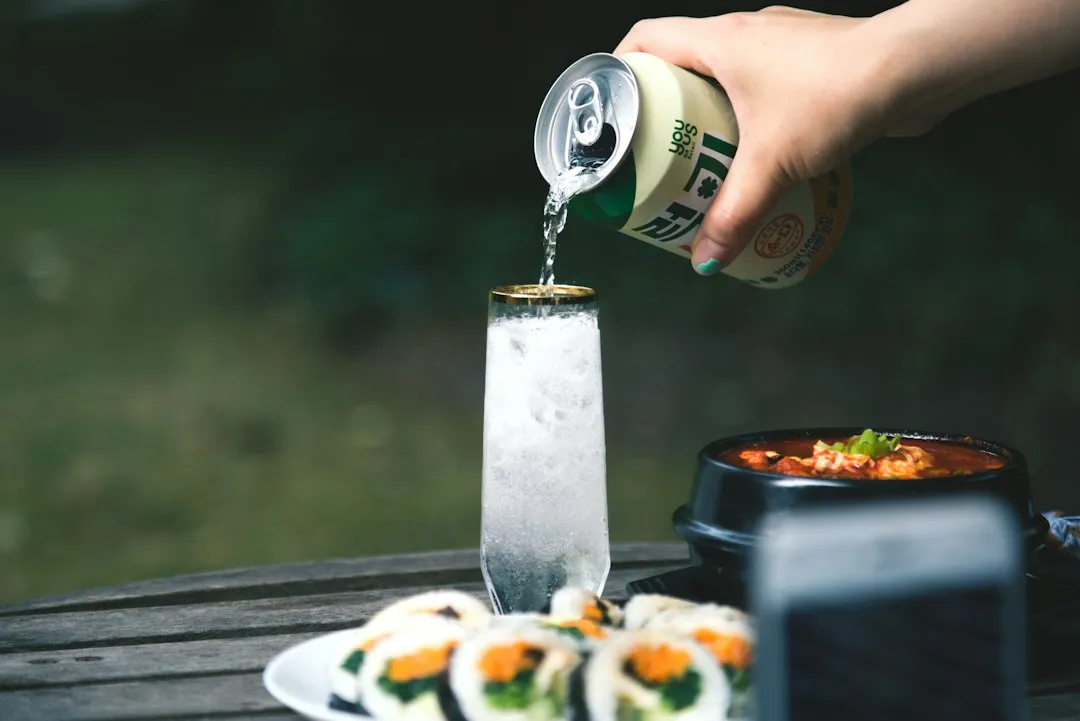
The age group that once consumed the most alcohol now drinks less than middle-aged and older Koreans. According to the Korea Disease Control and Prevention Agency, the median monthly binge drinking rate across South Korea’s 17 provinces and major cities stood at 33.8 percent recently, having risen from 31.7 percent in 2021 to 35.8 percent in 2023 but since declined for two consecutive years.
Korean media has described this shift as the rise of “jeolju” culture, meaning moderation rather than abstinence. Drinking when you want to, not because the hierarchy expects it. An analysis of people reducing or abstaining from alcohol revealed that all generations ranked health and condition management as their top priority. The pouring rules endure, but the pressure behind them is quietly softening.
What This Means for Visitors and Travelers
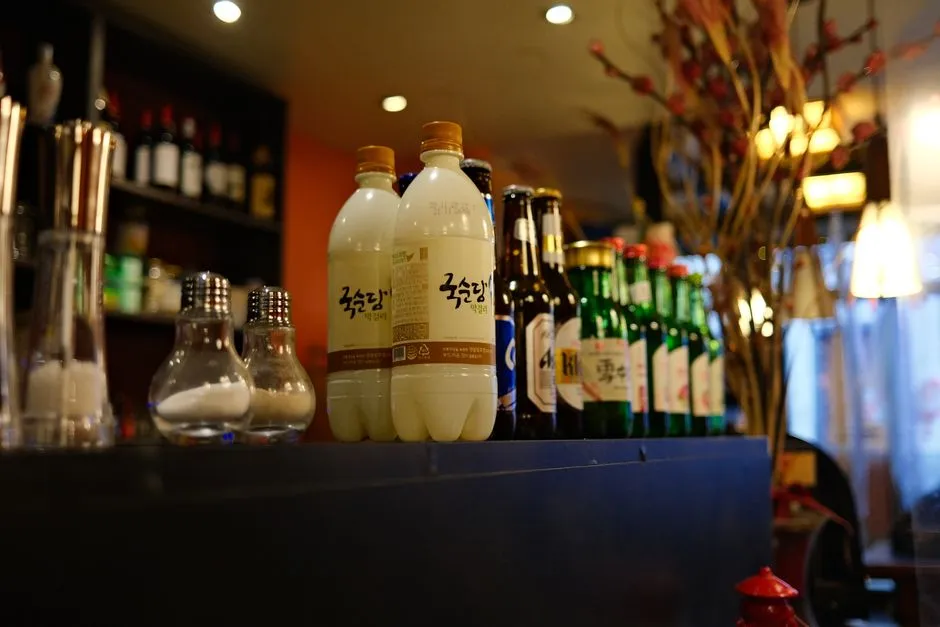
Koreans have strict rules of etiquette that apply to the consumption of alcoholic beverages. For travelers, the key is not to memorize every rule perfectly, but to arrive with awareness. These rules are Confucian in origin, near-universal in Korean practice, and forgiven for foreign residents but noticed when followed.
Watching glasses and refilling attentively is a sign of care and respect. Even a simple effort to pour for the person next to you, using both hands when they’re older, communicates more warmth than words can. Pouring with two hands and receiving with two hands is the most fundamental rule of Korean drinking etiquette. These gestures originate in Confucian values of respect and are still observed at most professional drinking occasions today.
The Takeaway
Not pouring your own drink in South Korea isn’t a quirky rule to tick off a list. It’s a glimpse into how a whole society thinks about care, hierarchy, and connection. Alcohol drinking in Korea has been described as helping create and form ties between family members and friends.
When someone leans over and fills your glass without being asked, they’re doing something the Korean language and culture have understood for centuries: telling you, quietly and without fuss, that they’re paying attention. That’s worth more than the drink itself.
AI Disclaimer: This article was created with the assistance of AI tools and reviewed by a human editor.