
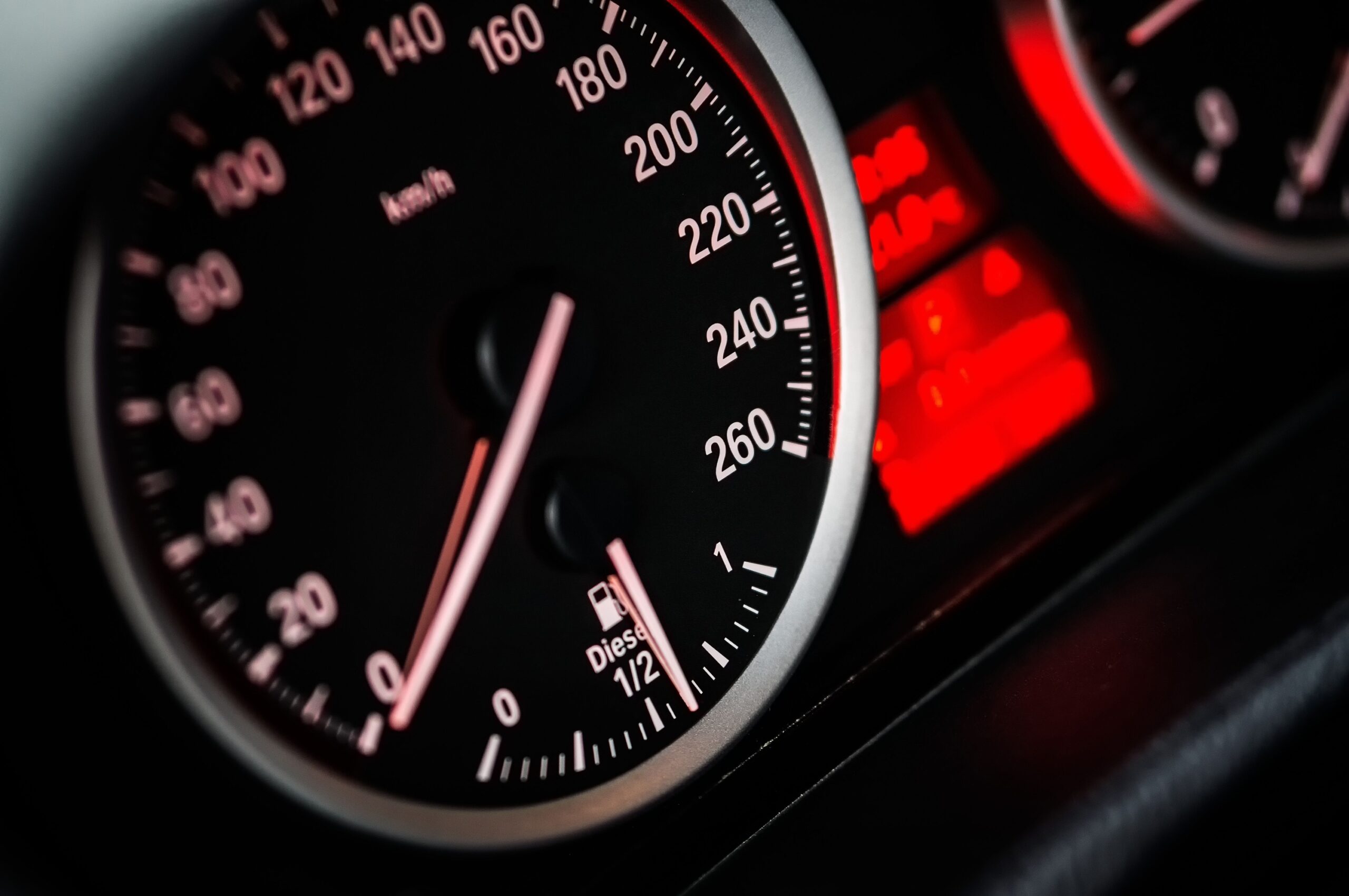

The Arrow Is Doing One Very Simple Job
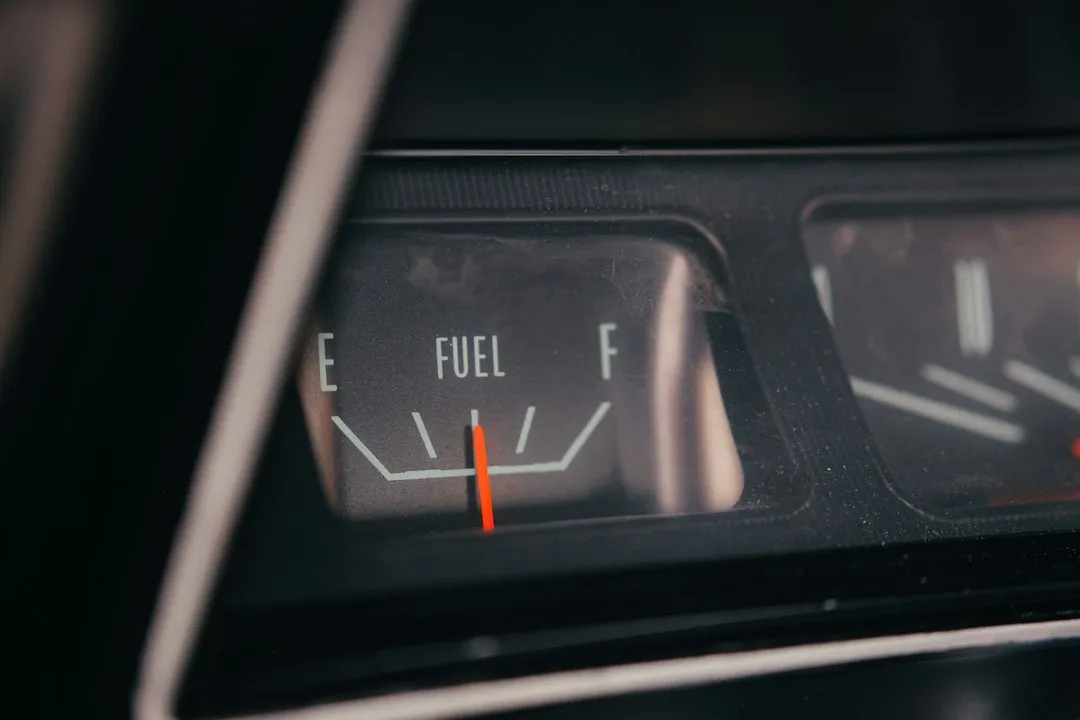
The purpose of the small arrow or triangle next to the gas pump icon on your fuel gauge is brilliantly simple: it points to the side of the car where the fuel door is located. It saves the guesswork and frustration of remembering which side to pull up to the pump, which is a particularly useful feature when driving an unfamiliar vehicle, whether it’s a rental, a friend’s car, or a new purchase.
You’ll notice the triangle-shaped arrow near the fuel gauge needle, and the direction it points indicates whether the fuel tank is on the left or right side of your vehicle. There’s no code to crack here. The arrow points right, your fuel door is on the right. It points left, your fuel door is on the left.
One Rainy Day at a Ford Parking Lot Changed Everything
Frustrated by the lack of an easy way to identify the location of the fuel filler, Jim Moylan reportedly came up with the idea after getting soaked in the rain while trying to figure out which side of a company car to pull up to the pump.
He then sketched a simple arrow beside the fuel gauge and submitted the idea through Ford’s internal suggestion program. Moylan wrote a memo to his supervisors proposing a simple solution: add a small arrow next to the fuel gauge pointing toward the fuel filler location. The feature is now known in automotive circles as the “Moylan Arrow,” a fitting tribute to its creator.
The Year It All Started
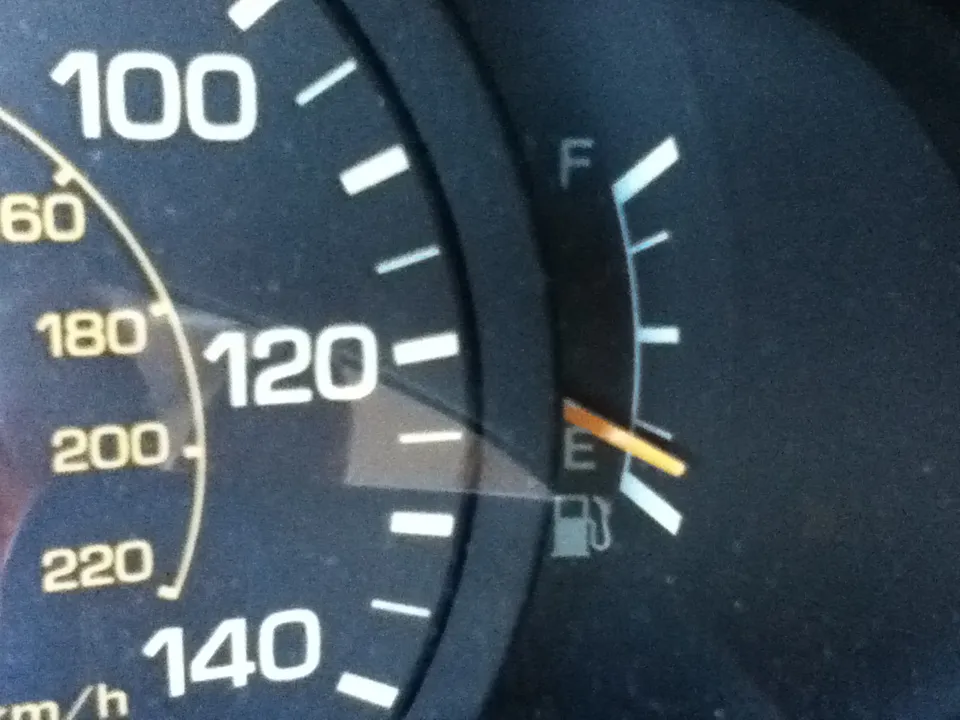
Since the early 1990s, many fuel gauges have included an icon with a fuel pump and an arrow, indicating the side of the vehicle on which the fuel filler is located. The use of the icon and arrow was invented in 1986 by Jim Moylan, a designer for Ford Motor Company.
The idea is credited to Ford designer Jim Moylan, who proposed it in 1986, and reports say the arrow was approved for the 1989 model year Fords, so it did not appear on cars in 1986 as is sometimes claimed. The Ford Escort debuted Moylan’s gas tank arrow in 1989. From that point forward, other manufacturers gradually adopted it as a near-universal convention.
Why It Became Necessary in the First Place
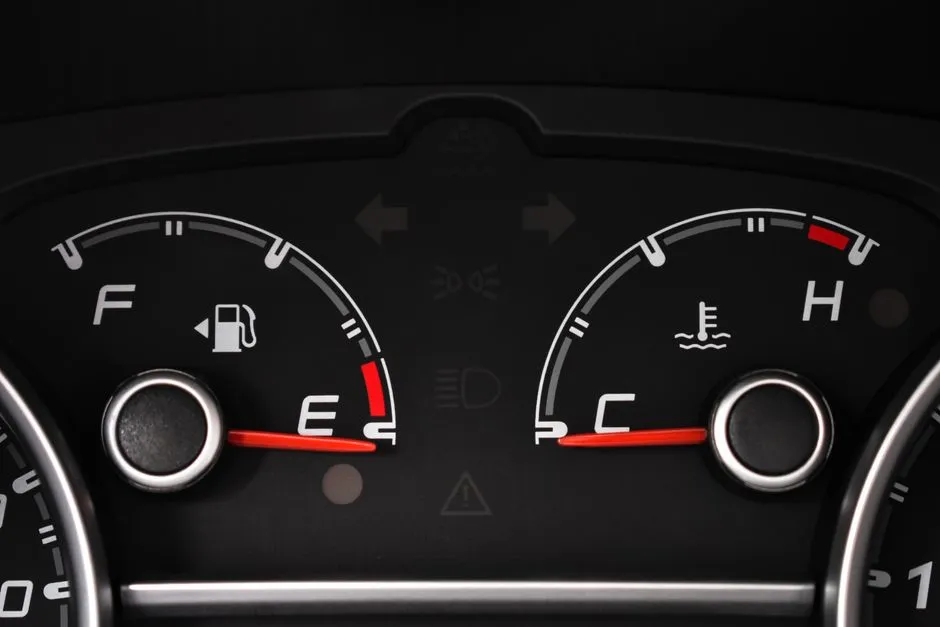
The indicator became common in the late 1980s and early 1990s as automakers realized more drivers were regularly switching between different vehicles. Rental cars, company cars, family vehicles, and dealership loaners all made it surprisingly easy to forget where to fill up.
Before the arrow was introduced, drivers often had to guess which side of the car the fuel filler was on, a problem made particularly acute when using a rental car or a pool vehicle. The solution didn’t require new technology, new hardware, or a single extra part. Just a printed arrow on an existing icon.
Most People Have Never Actually Noticed It
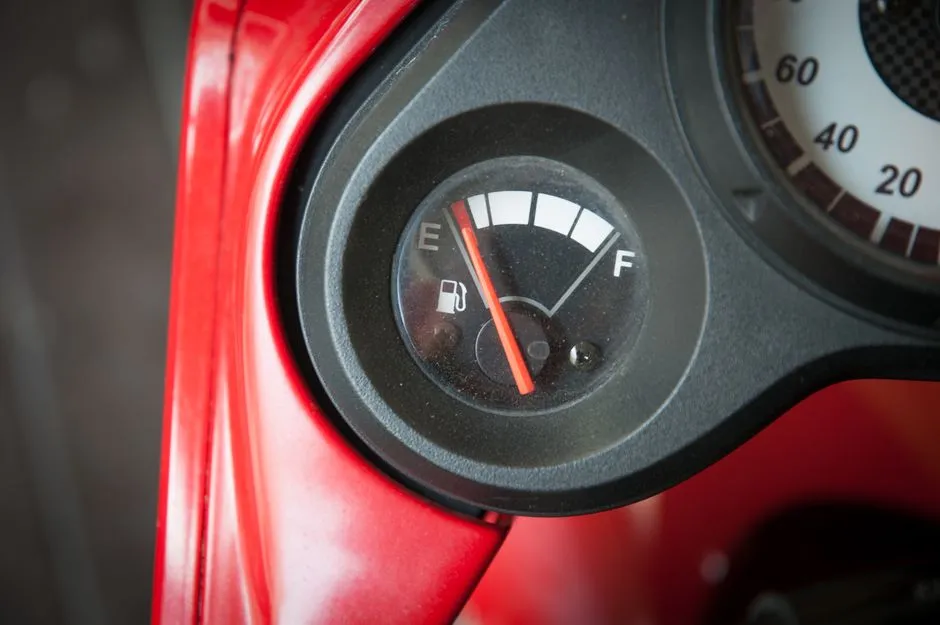
Automotive industry experts suggest that only about one in ten drivers know about the gas tank indicator arrow, according to AAA Mid-Atlantic. That’s a striking number for a feature that has been standard on most vehicles for decades.
If the internet is any indication, the fuel gauge arrow is one of those features drivers either learned in driver’s ed or somehow missed for decades. Threads on Reddit’s r/IWasTodayYearsOld and r/todayilearned are filled with people admitting they had no idea what the tiny symbol meant, despite years behind the wheel. It’s the kind of discovery that makes experienced drivers feel genuinely sheepish.
There Was Actually a Predecessor Nobody Remembers

According to Jalopnik, the 1976 Mercedes-Benz W123 had a low fuel light shaped like a triangle next to the gauge that pointed to the side of the car the filler is on, but the automaker has not been able to confirm the directional aspect was its intent.
While Moylan receives credit for the modern fuel arrow, automotive historians point to an interesting predecessor. Mercedes-Benz used a triangular low-fuel warning light on their 1976 W123 models that pointed toward the fuel filler location. However, Mercedes themselves seem to have forgotten this innovation, claiming they first used fuel direction arrows in 1997. Whether intentional or not, the W123’s triangle was ahead of its time.
Why Automakers Can’t Agree on Which Side the Fuel Door Goes

There is no international or federal motor vehicle safety standard that dictates a specific side for the fuel filler door. While it might seem like a random choice by the manufacturer, the decision of whether to place the fuel door on the left or the right side is a deliberate engineering solution to a complex packaging problem.
Volkswagen puts fuel fillers on the right side of passenger cars for safety reasons; it sells mostly left-hand-drive cars, and filling up with a jerry can on the left would leave the owner standing in traffic. Gas tanks are located on different sides of vehicles partly to optimize gas station traffic flow. If every car had a fuel door on the driver’s side, queues at gas stations would be twice as long due to unused pumps, and the lack of a universal standard is considered a deliberate choice to prevent massive congestion at the pump.
The Pump Handle on the Icon Also Has a Meaning

Some older vehicles use the position of the pump handle in the icon instead of an arrow, with the handle pointing toward the fuel filler side. Some older Mercedes-Benz or Volkswagen models designed the icon itself to give a clue, where the hose on the pump symbol would be on the same side as the fuel door.
While the indicator arrow always points in the correct direction of the gas cap, the same cannot be said for the fuel handle image. AAA confirms that it is the arrow, not the handle, that definitively signifies where the gas cap is. So if your car has both, trust the arrow every time.
Electric Vehicles Have Inherited the Same Feature

Although Ford’s battery-powered Mustang Mach-E and F-150 Lightning don’t have it on their instrument panels, several vehicles, including the Mercedes-Benz EQS, feature the icon next to the battery level gauge to show which side the charge port is on.
Most new electric cars and EV trucks and SUVs have included the little arrow icon on the instrument panel to tell drivers which side of the car the charging port is on. Where along that side can vary greatly, however, as automakers are placing it everywhere from the usual gas cap spot to the front wheel arch to even the grille itself, so it’s worth taking a close look the first time you encounter your EV.
Jim Moylan’s Legacy: Small Idea, Enormous Reach
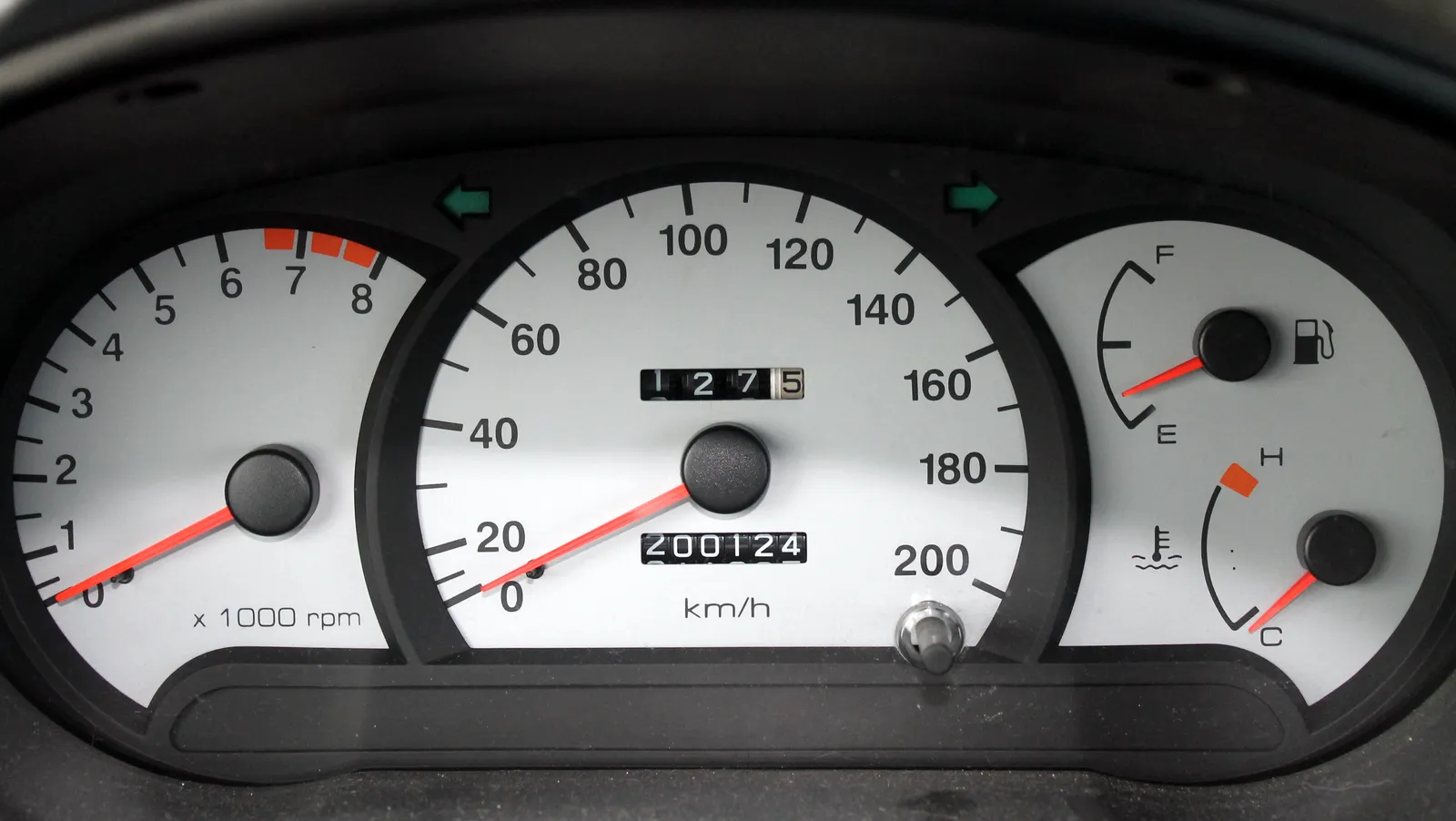
Moylan, the American automotive engineer credited with the simple yet ubiquitous dashboard arrow that tells drivers which side of the vehicle the fuel filler is on, has since passed away. Few automotive innovations have been as quietly transformative as the little arrow next to the fuel gauge.
The idea Moylan proposed has since become near universal in modern vehicles, spanning gasoline engines to electric vehicles where the same indicator now points to charging ports. Despite the arrow’s widespread adoption, Moylan himself reportedly did not consider it his greatest career achievement. There’s something genuinely human about that. The thing that helped the most people was the thing he thought least of.
The Takeaway
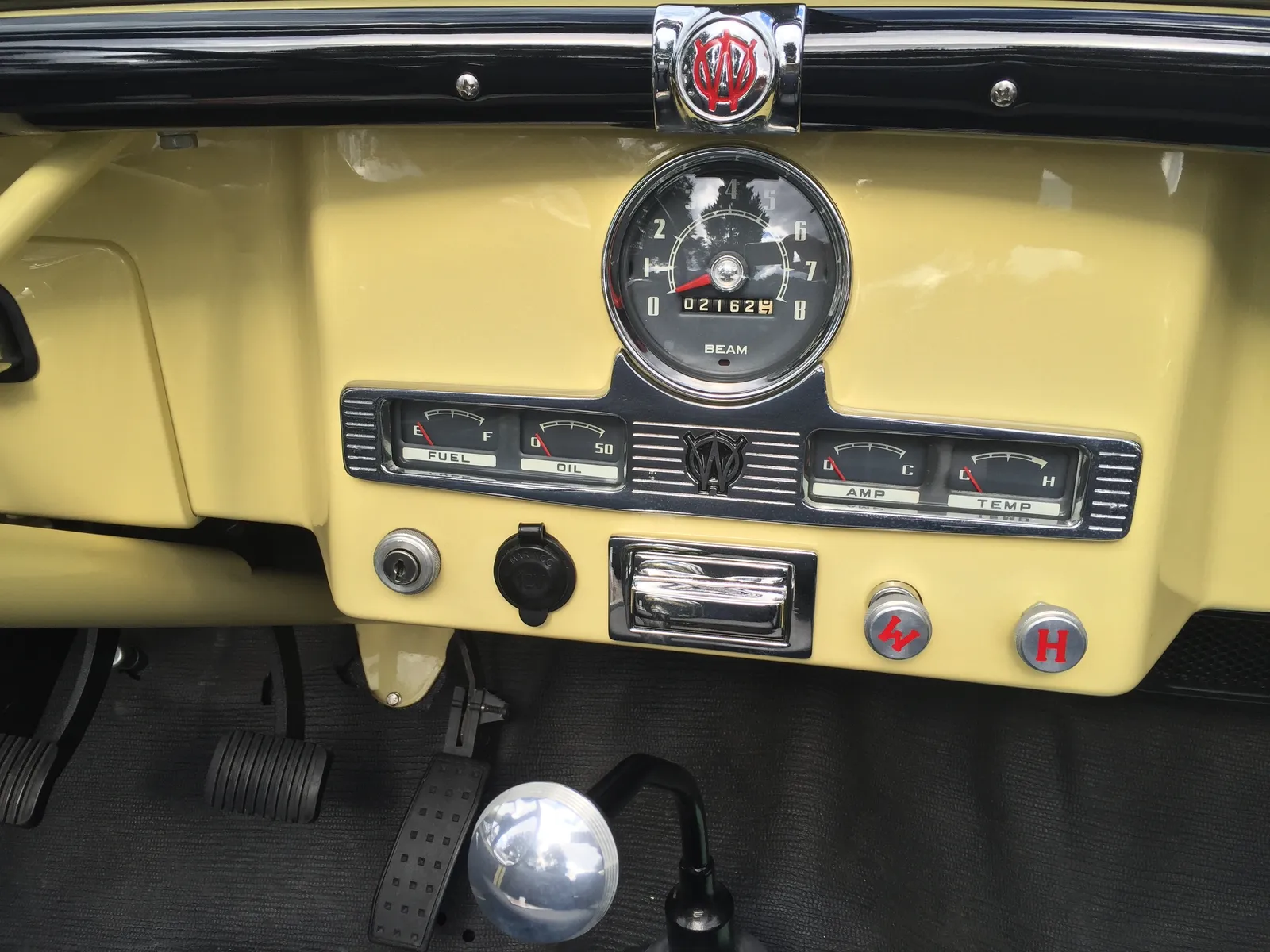
The fuel gauge arrow is one of those solutions so obvious in hindsight that it’s hard to believe it took until 1986 to exist. AAA notes there is no agreement among auto manufacturers as to which side the gas cap should be on, so these little indicators offer big benefits to everyday drivers, particularly during the commuting rush when people can be forgetful or distracted.
Next time you climb into an unfamiliar car, skip the mirror-squinting and the guessing. Just glance at the dashboard. If you are in a rental or borrowed car, look for the small triangle beside the fuel pump icon. One small arrow, placed there decades ago by an engineer who got rained on, is still quietly doing its job every single day.
AI Disclaimer: This article was created with the assistance of AI tools and reviewed by a human editor.