
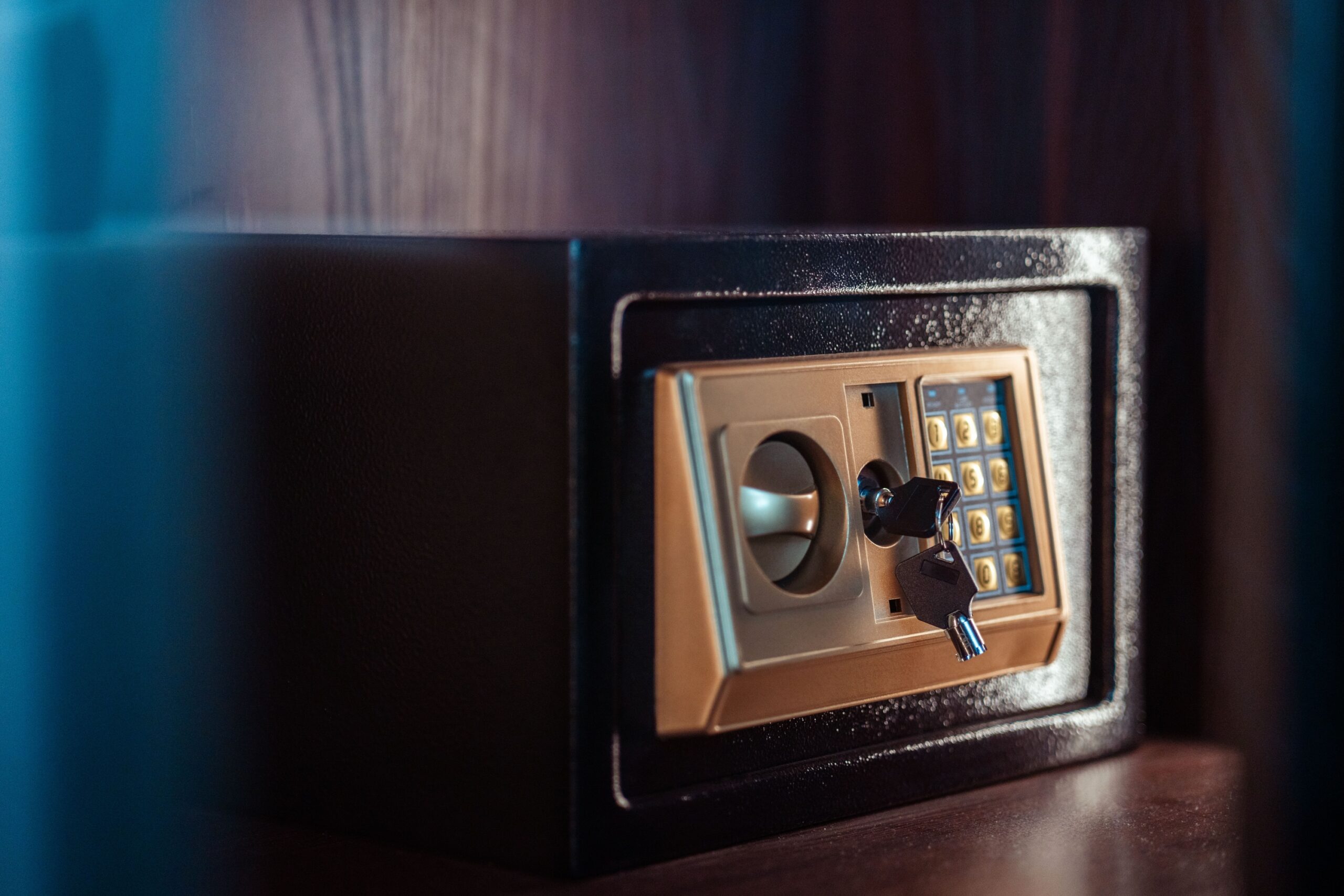
There’s a reassuring ritual most travelers follow without thinking: arrive at the hotel, set a personal code on the in-room safe, tuck away the passport and credit cards, and head out the door feeling secure. It’s a reasonable instinct. The safe is bolted to the wall, the keypad blinks green, and everything feels locked away properly.
The reality is considerably more complicated. From factory-default master codes that were never changed, to keycard vulnerabilities affecting millions of properties worldwide, the in-room hotel safe has some serious gaps that travelers rarely think to question.
The Default Code Problem Nobody Talks About
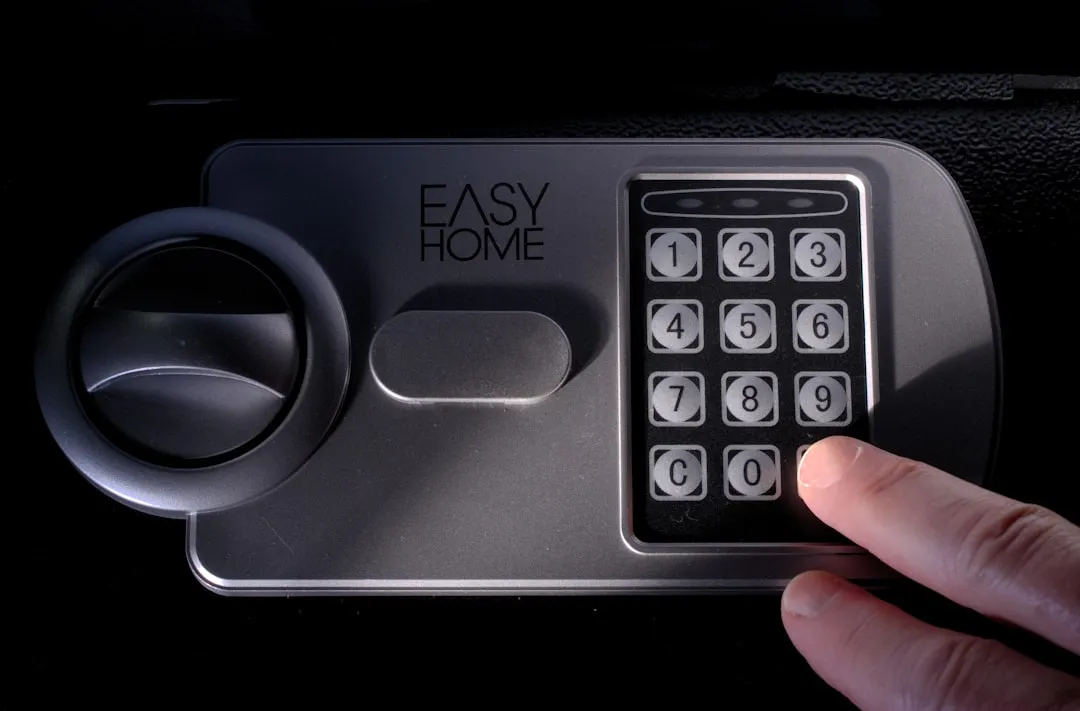
Many in-room safes ship with simple override codes, such as 000000 or 1234, that can be used to bypass your personal code entirely. The security of the safe depends almost entirely on whether hotel staff have changed those factory defaults after installation. Most guests never consider this when they punch in their four-digit combination and close the door.
Default master codes are typically very simple sequences, for example 000000, 111111, 123456 for six-digit safes, or 0000, 1111, 1234 for four-digit models. Most travelers feel confident after setting their own PIN, but if the factory override code was never updated, anyone with that generic code could open the safe in under 30 seconds. In other words, the safe might open for everyone if a crucial installation step was skipped.
The master code is a simple sequence of numbers, and entering it is usually as easy as pressing a specific button combination. The code can be changed by hotel staff, but during security testing, researchers found a significant number of safes still running the factory default. That is a gap that requires no technical skill to exploit.
Hotel Staff Have Multiple Ways In
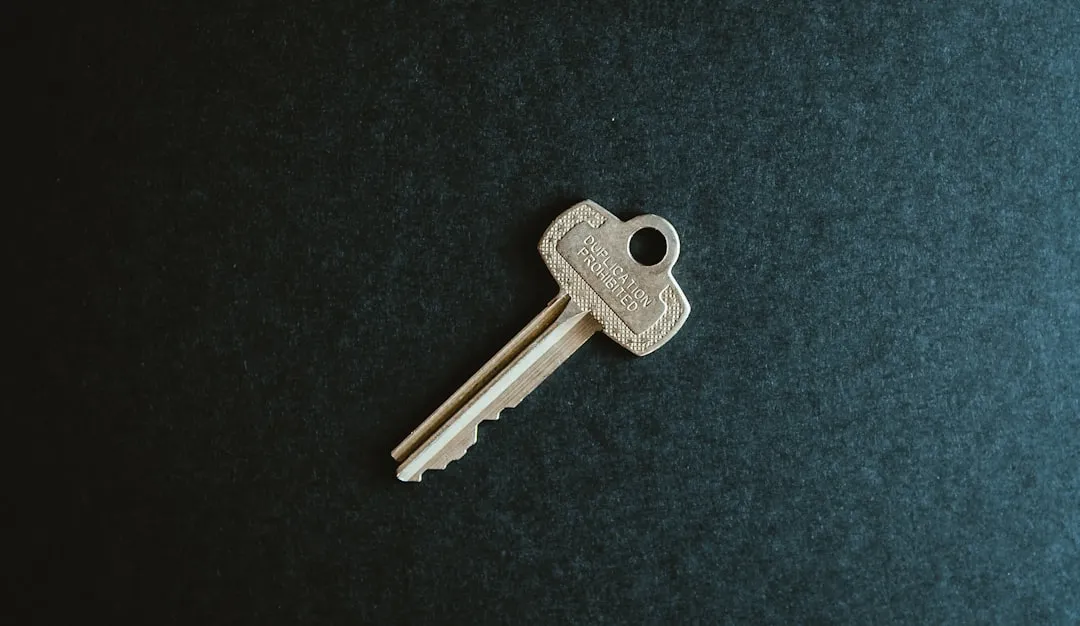
Researchers who purchased and dissected a standard hotel safe found several distinct vulnerabilities: the master code, a master key hole hidden behind the removable nameplate, and a credit card slot for a master magnetic card. That gives hotel staff at least three separate ways to access the safe.
Some hotel safes come with default master codes that allow staff to open the safe in emergencies or when a guest forgets their combination. If those codes are not regularly reset or monitored, anyone could access the contents. Dishonest staff or even guests aware of the generic codes could exploit this vulnerability.
Hotels rarely disclose how secure their safes actually are or how many people have access to master codes. The presence of a safe in the room suggests security without necessarily providing it, creating false confidence that might make guests less careful about other precautions.
The Construction Is Often Thinner Than You’d Expect
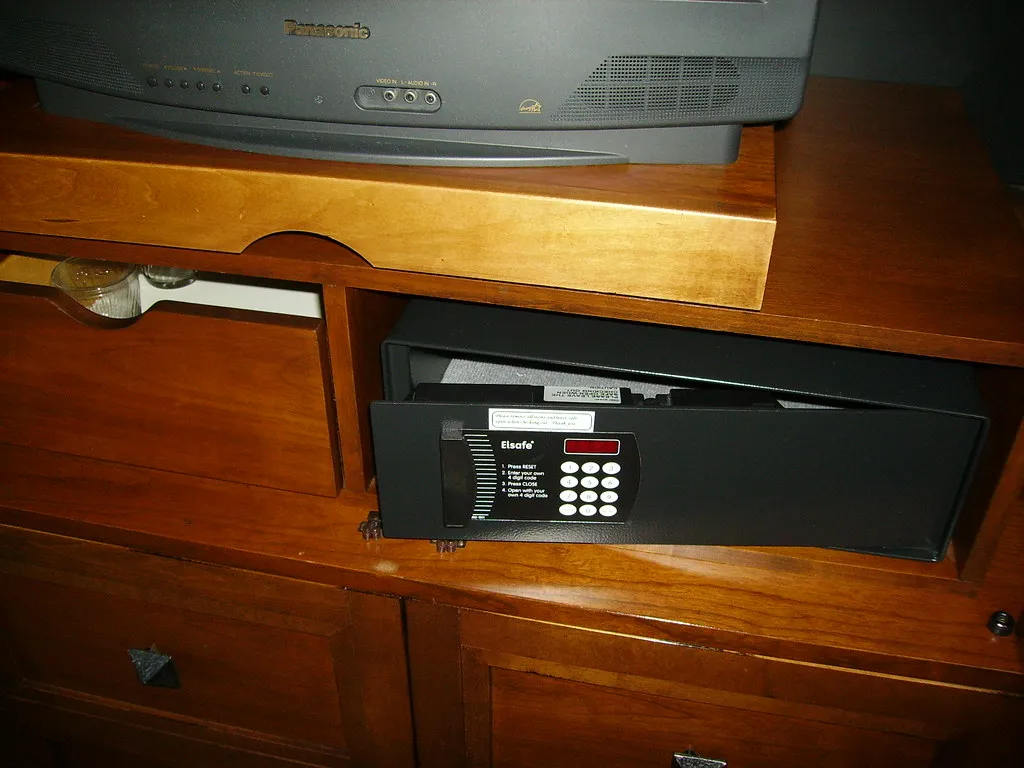
Many hotel safes are constructed from thin metal, making them vulnerable to break-ins using basic tools such as crowbars or hammers. Their locking mechanisms, though functional, are often no match for a determined and skilled thief. The safe is designed to deter opportunistic theft, not to resist a focused attempt.
Despite their prevalence, in-room hotel safes are not foolproof. While they can deter casual theft, they offer minimal security against determined thieves or dishonest hotel staff. The difference between deterrence and genuine security is something most hotel marketing quietly glosses over.
RFID Lock Vulnerabilities Let Strangers Into Your Room Itself
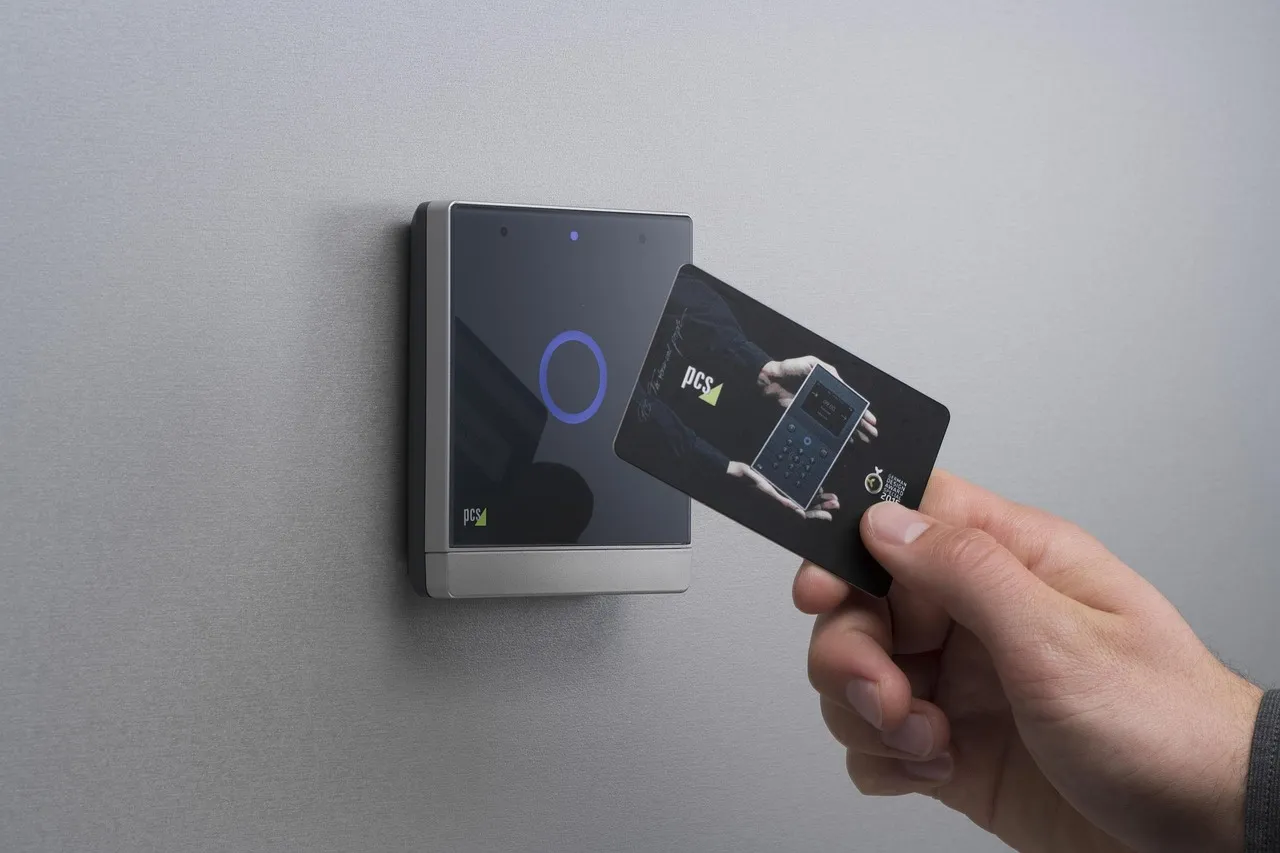
The Unsaflok vulnerability is a series of serious security flaws in dormakaba’s Saflok electronic RFID locks, commonly used in hotels and multi-family housing environments. When combined, these weaknesses allow an attacker to unlock all rooms in a hotel using a single pair of forged keycards. Over three million hotel locks in 131 countries are affected.
By exploiting weaknesses in both Dormakaba’s encryption and the underlying RFID system known as MIFARE Classic, researchers demonstrated how easily a Saflok lock can be opened. The technique starts with obtaining any keycard from the target hotel, reading a code from that card with an RFID read-write device, and then writing two forged keycards of their own.
As of March 2024, roughly two thirds of the impacted locks remained vulnerable. It is further noted that the malicious keycards can override the deadbolt, meaning that security measure alone is not enough to prevent unauthorized entry. The fix requires replacing locks, reissuing all keycards, and updating multiple integrated systems, which makes rapid remediation across thousands of properties genuinely difficult.
Electronic Safes Can Be Opened Without the Code at All
Some hotel safes use RFID technology that can be cloned or manipulated with readily available equipment. Others have electronic locks vulnerable to bypass techniques involving magnets, impact, or electromagnetic pulses. Videos demonstrating these techniques are widely available online, further compromising whatever security the safes provided.
Security researchers identified that a data port used to service one type of hotel safe could also represent an additional vulnerability, since hackers could potentially connect to the same port to override the electronic lock. These aren’t theoretical attacks requiring sophisticated state-level resources. They involve consumer-grade tools.
The Credit Card Locking Method Is a Hidden Risk
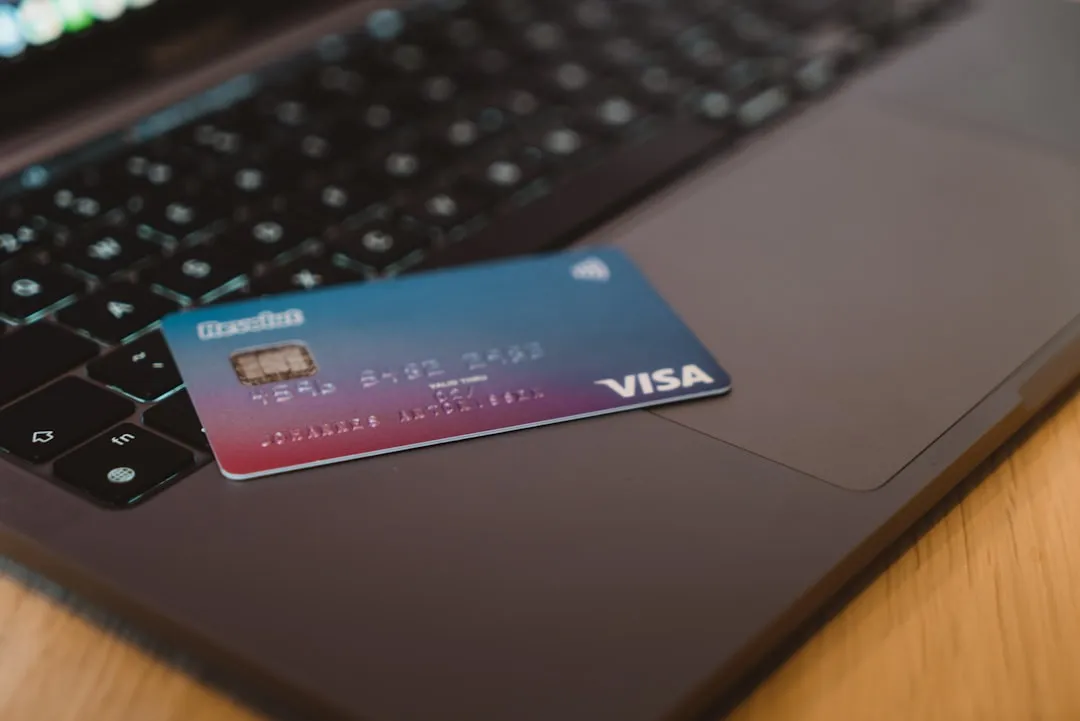
On safes that allow guests to lock them by swiping a credit card, a card skimmer could in principle be installed inside the safe’s magnetic card slot to capture the guest’s credit card information. That means a guest could potentially lose both their stored valuables and their card data in a single incident.
Security researchers strongly advise against using a credit card to lock a hotel safe for this exact reason. The convenience of the credit card method introduces an attack surface that most guests would never anticipate.
There Is Almost No Accountability When Things Go Wrong
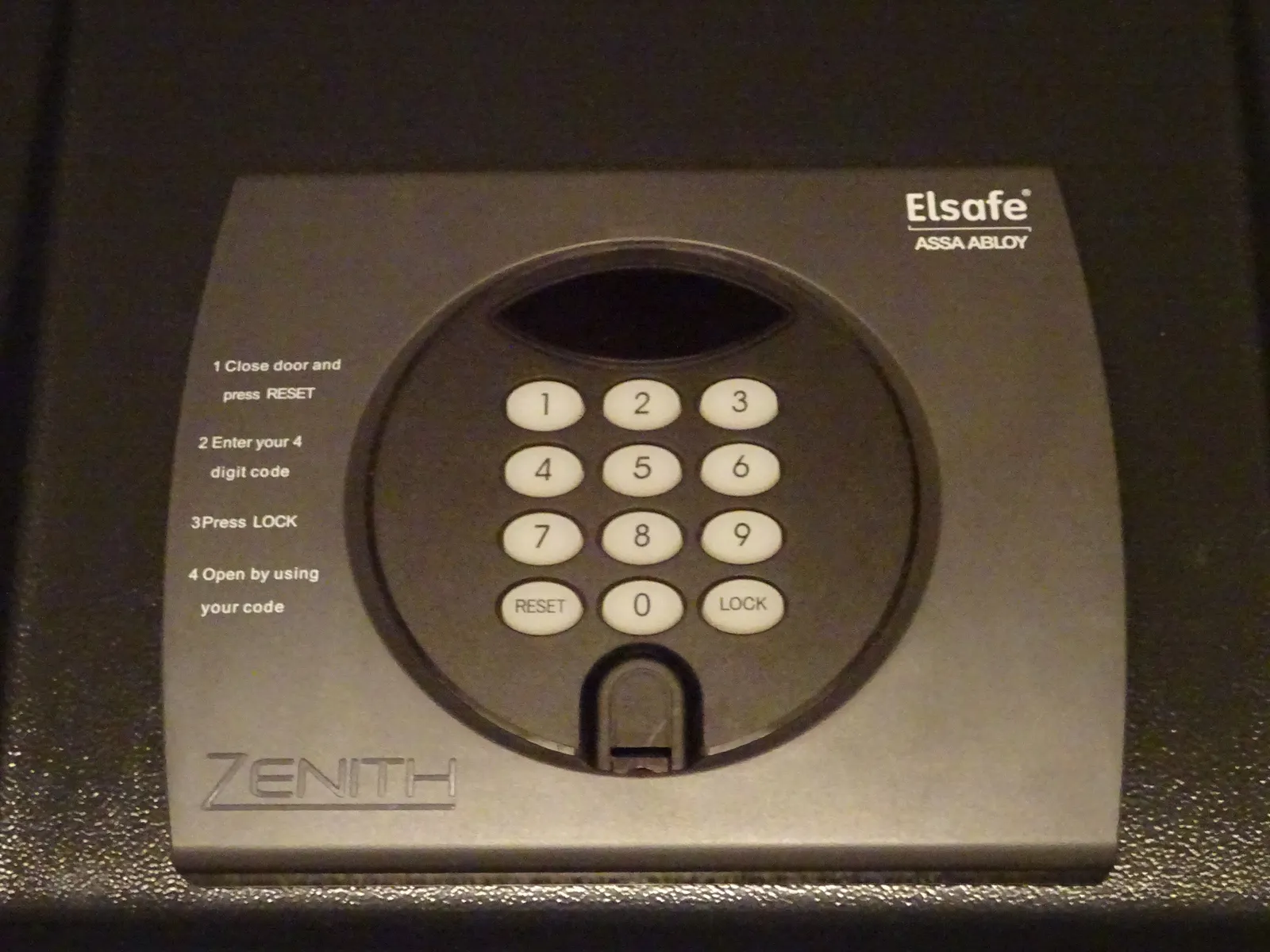
Unlike safes monitored by security cameras or requiring check-ins, hotel safes are often entirely unmonitored. If a valuable item goes missing, proving theft is extremely difficult. By contrast, a safe deposit box at the front desk usually involves an access log, providing more accountability.
The worst types of hotel thefts are the ones guests don’t notice immediately. A thief may enter the room when the guest is away, take something, and the guest may not discover it until after checkout. That makes filing a police report or identifying a perpetrator significantly harder.
The Broader Hotel Security Picture Is Concerning

During the summer of 2024, the vast majority of North American hotels, roughly eight in ten, were hit with a successful cyberattack, and more than half were targeted five or more times. Physical safe vulnerabilities exist within this broader environment of systemic hospitality security weaknesses.
The average cost of a data breach in the hospitality sector rose from $3.62 million in 2023 to $3.86 million in 2024. Part of the challenge lies in the complexity of hospitality networks, which connect guests, employees, vendors, and devices such as smart locks. In 2024, a threat actor breached the Otelier hotel management platform, compromising customer data from brands including Marriott, Hilton, and Hyatt. Physical and digital vulnerabilities now overlap more than ever.
What Hotels Are (and Aren’t) Doing About It
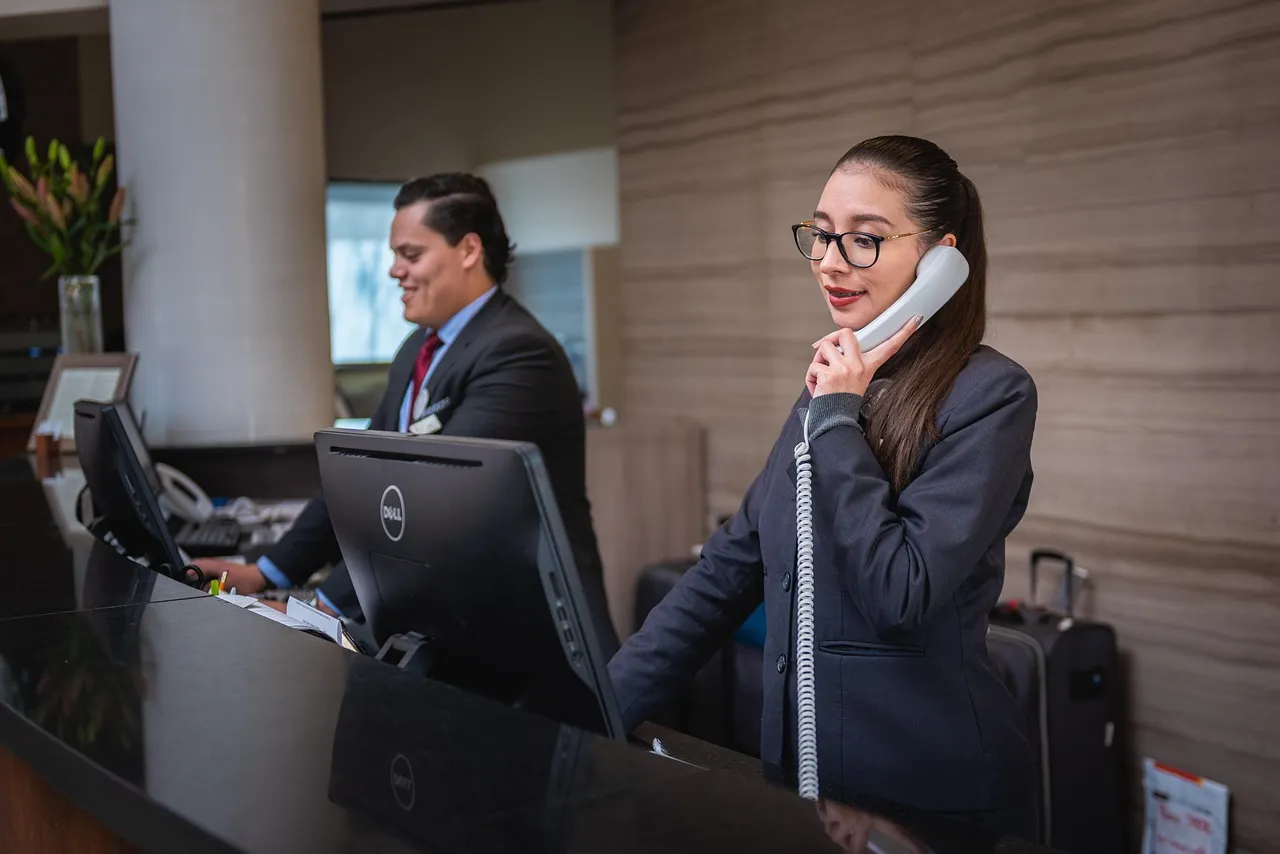
Front desk staff sometimes recommend using in-room safes for valuables, but this advice may not account for the safe’s actual security limitations. Hotels face liability concerns if they explicitly acknowledge safe vulnerabilities, so they tend to maintain general silence on the issue while continuing to provide safes as a standard room amenity.
While most hotels invest in basic digital protections like next-generation antivirus, firewalls, and VPNs, fewer than half have deployed advanced defenses. Adoption of dark web monitoring and penetration testing remains particularly low. Physical security improvements for in-room safes receive even less systematic attention.
Smarter Habits That Actually Protect You
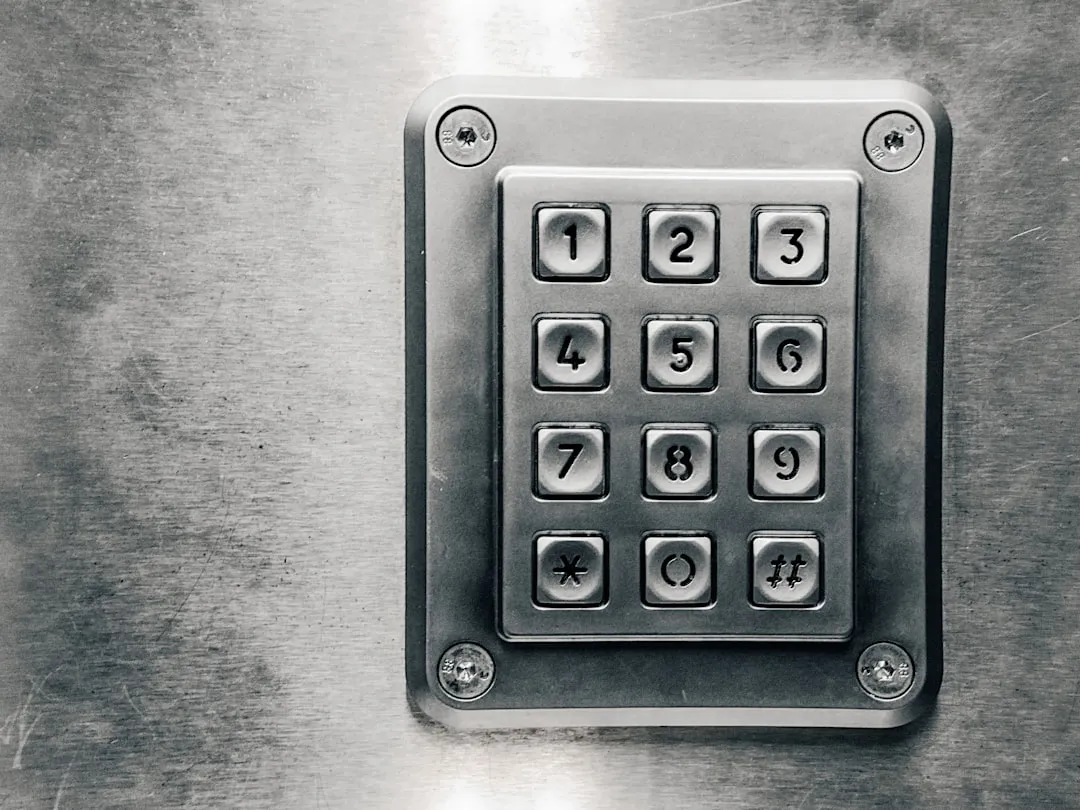
The key question any traveler should ask is whether hotel staff have changed the safe’s default settings after installation. Even after setting a personal PIN, if the factory override code was never updated, the safe remains accessible to anyone who knows that generic sequence. Before storing anything of real value, try entering 0000 or 1234 as a quick test. If it opens, find another solution.
A safe deposit box at the hotel’s front desk usually involves a log of access, providing more meaningful accountability for the security of your items. For genuinely irreplaceable items like passports, carrying a slim RFID-blocking travel wallet or using the front desk box is a more grounded choice than relying on the in-room unit.
Developing a habit of inspecting your room immediately after check-in is worthwhile. Test all door and window locks to confirm they function properly. Guests can also check whether their room’s keycard uses MIFARE Classic technology, which indicates a likely Unsaflok vulnerability, by using the NFC Taginfo app on an Android or iOS device.
The Takeaway
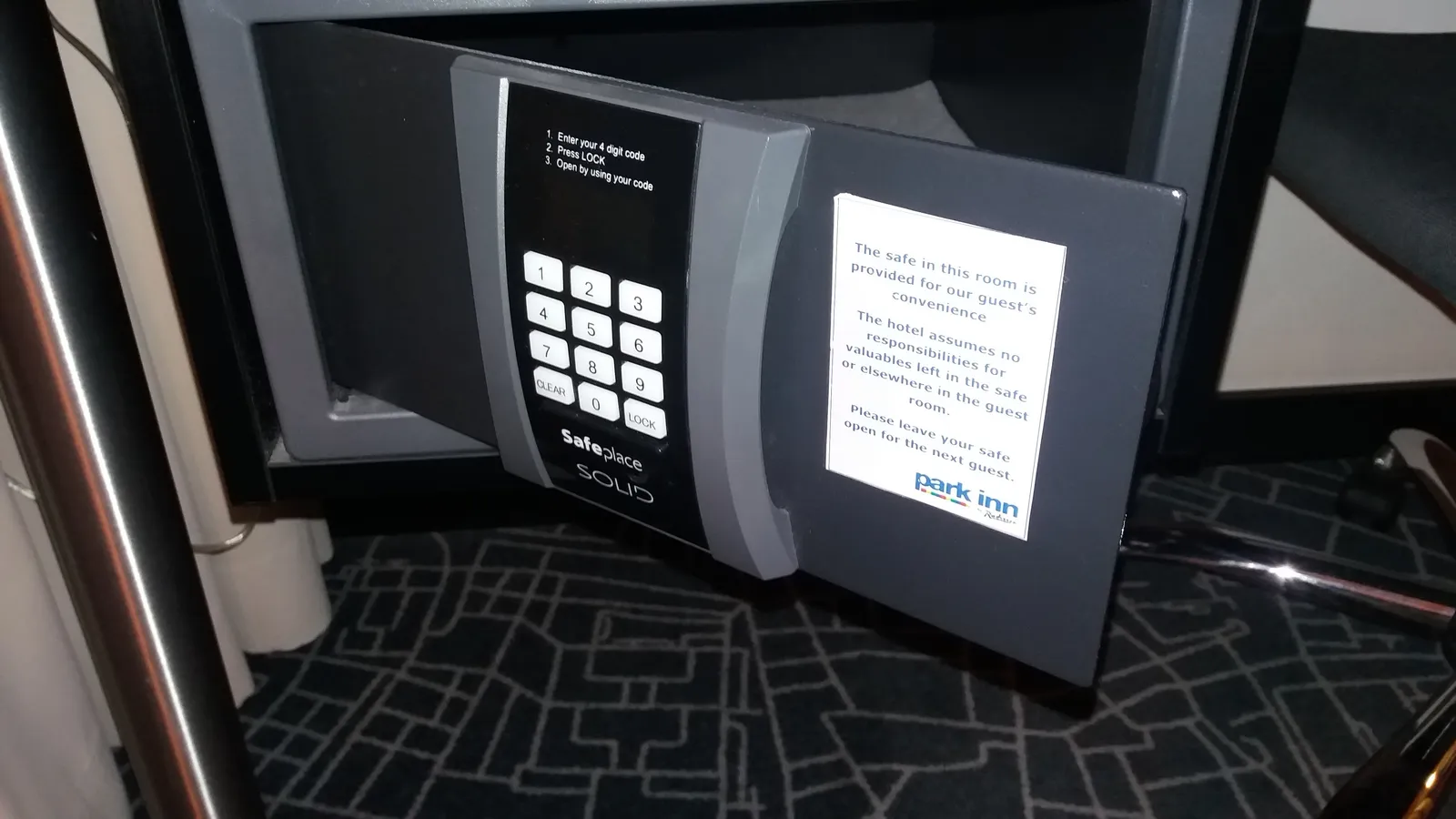
The in-room hotel safe is genuinely useful for deterring casual, opportunistic theft. It keeps a curious passerby from pocketing your cash while the housekeeping cart is in the hallway. What it cannot reliably do is protect your most valuable possessions from a determined or informed thief, a staff member with override access, or a property that never updated its factory settings.
The gap between what travelers assume a hotel safe provides and what it actually offers is wide enough to matter. Traveling thoughtfully means packing light on valuables, using the front desk safe deposit box for items that truly can’t be lost, and testing the in-room safe before trusting it. The green light on the keypad is reassuring, but it’s worth knowing exactly what it’s actually confirming.
AI Disclaimer: This article was created with the assistance of AI tools and reviewed by a human editor.