
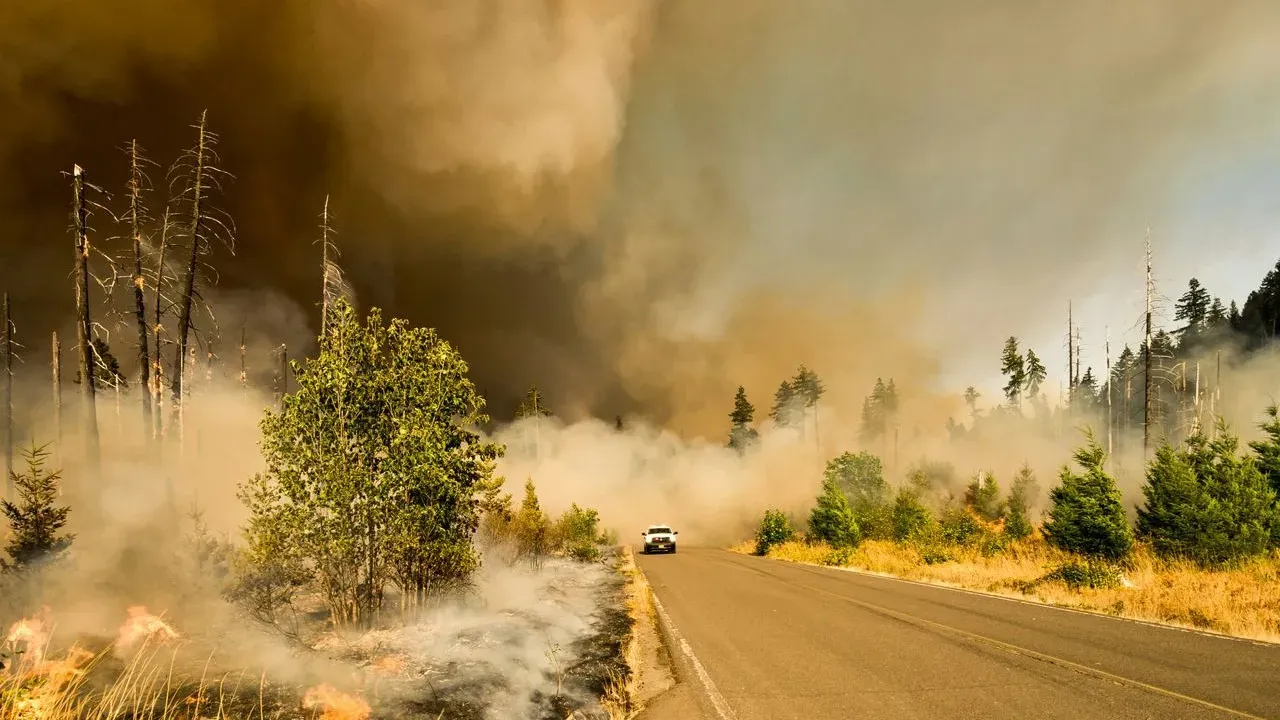

Across parts of southwestern France and central Spain, fast-moving wildfires have prompted large-scale evacuations in recent days. Strong winds and high temperatures have complicated containment efforts, drawing firefighters from multiple European countries to assist local teams. For those with trips planned to these regions, understanding the current picture helps support informed decisions while respecting the challenges facing affected communities.
Where the Fires Are Active
In France, blazes have concentrated in the Gironde and Landes departments near Bordeaux and the Atlantic coast. Evacuation orders have affected tens of thousands of residents and visitors in areas including Lège-Cap-Ferret and surrounding zones. Spain has declared a national emergency, with significant activity reported west of Madrid and in parts of the Ávila region, where multiple communities have been asked to leave.
These developments follow a period of extreme heat that has heightened fire risk across southern Europe. While the situation continues to evolve, authorities emphasize that most popular tourist destinations remain unaffected, though air quality and road access can change quickly in proximity to active fronts.
Impact on Residents and Emergency Response
Local communities have faced sudden disruptions, with more than a quarter million people evacuated across both countries in recent days. Firefighters work around the clock, supported by reinforcements from neighboring nations, to protect homes, forests, and infrastructure. One reported fatality in Spain underscores the seriousness of conditions for those on the ground.
Efforts focus on both immediate containment and longer-term recovery for the landscapes and livelihoods involved. Travelers often notice how quickly European cooperation mobilizes in such moments, reflecting deep regional ties and shared commitment to protecting natural areas that draw visitors year after year.
Practical Steps for Those Heading There
Before departure, review official travel advisories from your government and the destination countries. Check the latest alerts for specific provinces or departments, as restrictions on access can appear with little notice. Flexible booking options become especially valuable when conditions shift.
Once on the ground, monitor local sources for real-time updates on air quality and road closures. Many regions provide apps or hotlines that deliver precise information in multiple languages. Staying in regular contact with accommodations or tour operators also helps, as they often receive direct guidance from emergency services.
- Confirm travel insurance covers disruptions related to natural events.
- Pack essentials such as medications, important documents, and a portable charger.
- Identify alternative routes or indoor activities in case outdoor plans need adjustment.
- Respect any evacuation or shelter-in-place instructions issued by local authorities.
Supporting Responsible Travel Choices
Travelers can contribute positively by choosing operators and properties that prioritize safety protocols and community support. Many destinations in these countries continue to welcome visitors in unaffected areas, where tourism remains an important part of local economies. Opting for sustainable practices, such as reducing water use during dry periods, aligns with broader efforts to protect vulnerable ecosystems.
Patience and flexibility remain the most helpful companions during periods of uncertainty. By staying informed and adaptable, visitors help ease pressure on local resources while still experiencing the rich cultural and natural offerings that make Spain and France enduring favorites.
What matters now: Monitor official channels daily, keep plans adaptable, and prioritize the well-being of communities navigating these events.
AI Disclaimer: This article was created with the assistance of AI tools and reviewed by a human editor.