

There’s a version of a winery visit that most people never get. They sip through the standard flight, buy a couple of bottles, and head home perfectly satisfied. Nothing wrong with that. What they don’t know is that a single, well-placed question at the right moment could have opened a door to something entirely different: wines with decades of age, poured by the very people who understand them best.
The question isn’t complicated. It doesn’t require credentials or a fluency in wine jargon. It just requires asking. Tasting room staff across wine country say it more often than you’d expect: most guests simply don’t know to ask about the library. Here’s what that actually means, why it matters, and how to make the most of it when you do ask.
What “Library Wine” Actually Means
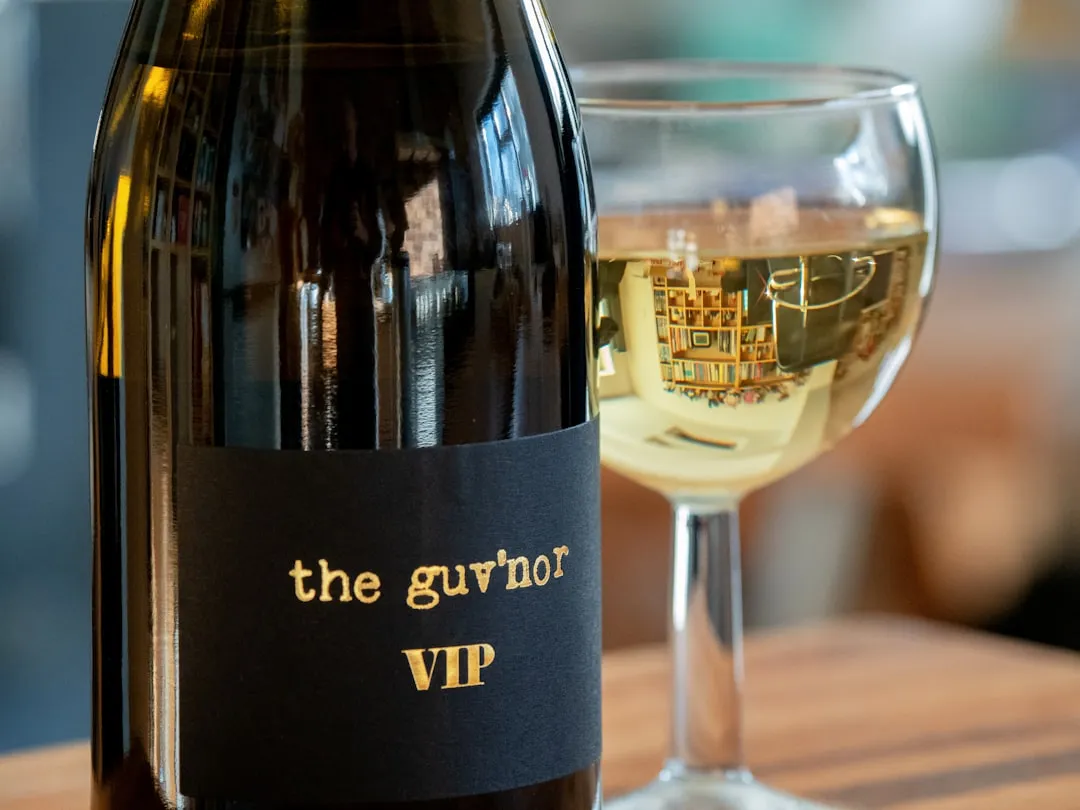
Library wine is a popular term in the wine industry that describes particular vintages reserved by the winemaker to be re-released or sold exclusively years after their initial debut. The name comes from wineries who would store these wines in their private cellars, referring to them as their “libraries.” It’s a straightforward concept that carries real weight when you’re standing in a tasting room.
These are vintages held back by the wineries that produce them, stored for years in protected environments. The result is an older wine that hasn’t been on the market and has an established provenance. That last part matters enormously for anyone who cares about the integrity of what’s in the glass.
The term refers to keeping a certain quantity of some vintages stored in the cellar after their initial release, so that they can develop with age and be enjoyed for years to come. With age, the wines present themselves differently. In the United States, most full-bodied red wines are released two to three years after the grapes were harvested, strong and fruity at that stage. With older wines, you may find they evolve to be more earthy and not as robust.
The Question That Opens the Door
The magic phrase isn’t elaborate. It’s some variation of: “Do you have anything from the library?” or simply “Can I ask about your older vintages?” Tasting room staff respond to this differently than to any other question, because it signals genuine curiosity rather than a routine visit. It shifts the entire conversation.
Your wine educator is there to be your guide, not just to the wine and winery, but to help you understand the wine in your glass in all its facets. They encourage you to be curious and ask questions throughout the tasting. Library wine, specifically, is the topic that tends to animate staff the most.
At Hermann J. Wiemer Vineyard, for instance, guests are encouraged to ask their wine educator to shop the list of currently available vintages. The intimate nature of these tastings means they are reservation-only and must be booked in advance. Asking ahead of your visit can change what’s possible entirely.
Why Wineries Hold These Bottles Back
There are several reasons to maintain a library. One is ego or pride, another is gauging the wine’s aging characteristics, and another is the opportunity to sell older bottles of wine at premium prices. In practice, most serious wineries combine all three motivations.
The winemakers generally keep an eye on their library to ensure that it’s released to clients at the right time. This is a real craft decision, not a marketing one. Pouring a bottle before its moment has arrived is a waste of years of careful cellaring.
For winemakers, library wines can be an important source of information. They reveal how the wines age and which vintages might stand out in aroma, taste, and texture. Some of what ends up in your glass during a library tasting has been tasted by the winemaker themselves dozens of times, each time used to refine the next vintage.
The Real Cost Behind Every Bottle
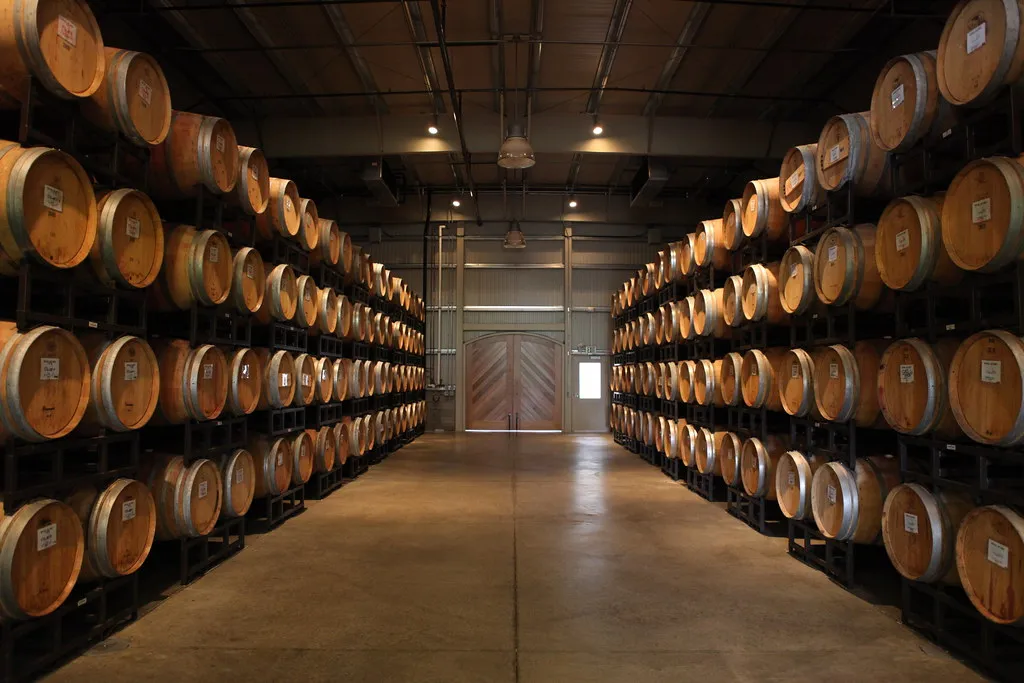
It’s worth understanding why library programs aren’t universal. Keeping a library comes with serious logistical challenges. The winery won’t make any money off those bottles until they’re sold, forgoing a fair amount of income after going to all the effort and expense of producing them. They also need adequate climate-controlled storage from multiple seasons for several years or more.
There are significant costs associated with maintaining a library inventory, but they are viewed as part of an ongoing investment, according to Hélène Seillan, assistant winemaker at Sonoma County winery Vérité. That perspective, viewing patience as investment, is at the heart of every good library program.
Not every winery has library wines to share with its customers. One of the main reasons library wines are not that common comes down to money: many winemakers simply cannot afford to cellar their wines for long periods before releasing them. When a winery does maintain a library, that’s a statement of conviction about what their wines can become.
What You’ll Actually Taste: A Tasting Room Experience
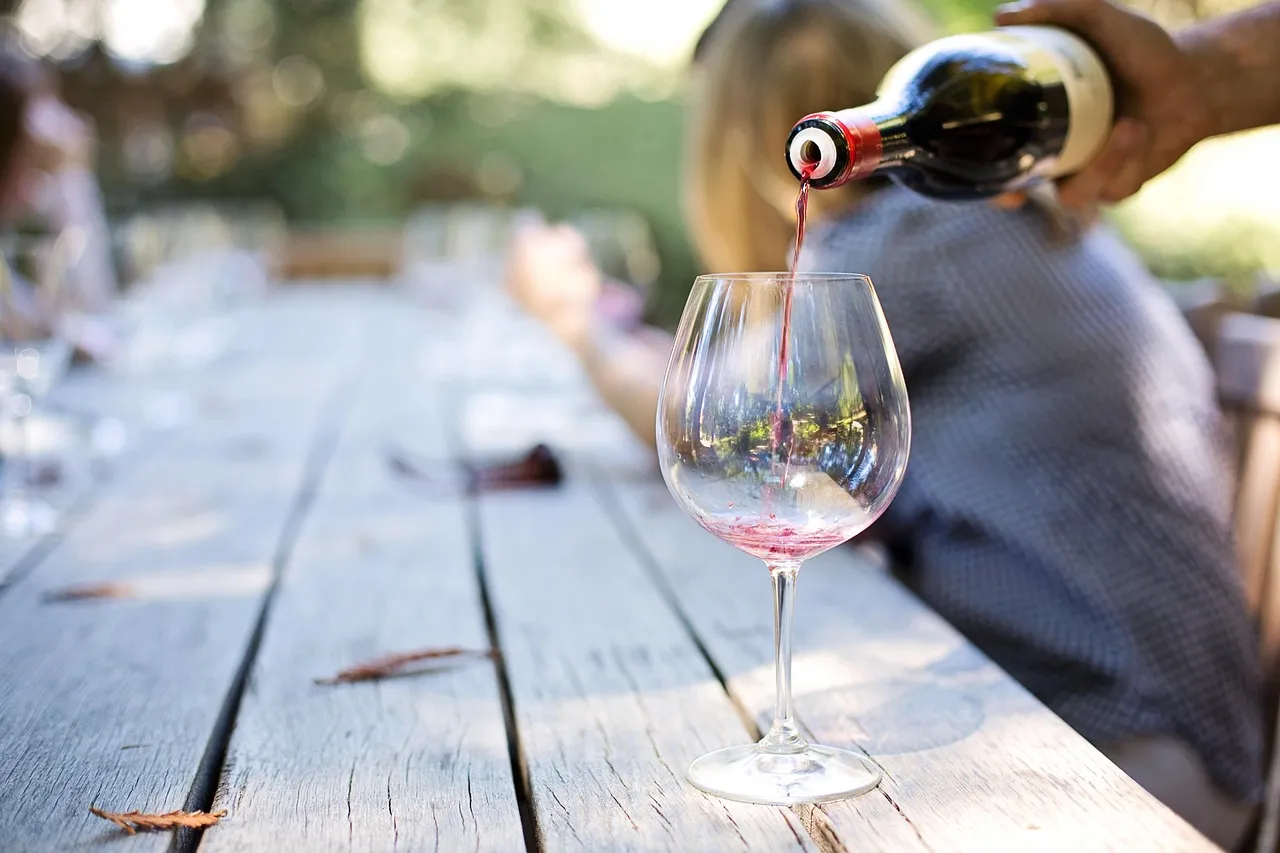
At Freemark Abbey in Napa Valley, the Library Experience begins at a sleek oak table in a tucked-away section of the Historic Tasting Room. The partially glassed-in downstairs space displays decades’ worth of Bosché and Sycamore vintages on two walls, and the experience is led by a knowledgeable staff member over 90 leisurely minutes. That pacing is intentional. These wines deserve unhurried attention.
The lineup of six wines starts with a Sycamore Vineyard Cabernet that is either 20 or 25 years old, poured next to a Bosché Vineyard Cabernet of the same age. This is followed by a 10 or 15 year-old pair from the same vineyards, and the flight concludes with current release Cabernets. That arc, from aged to young, reverses the usual tasting order and teaches you something no classroom can replicate.
At Hermann J. Wiemer, the library holds over 2,500 bottles dating all the way back to the early 1980s. Tastings are crafted by the wine team to showcase styles from some of their most lauded and age-worthy vintages, with each flight including five library wines alongside current vintage comparisons and a sparkling welcome wine. The contrast between old and new is where the real learning happens.
The Role of Wine Club Membership
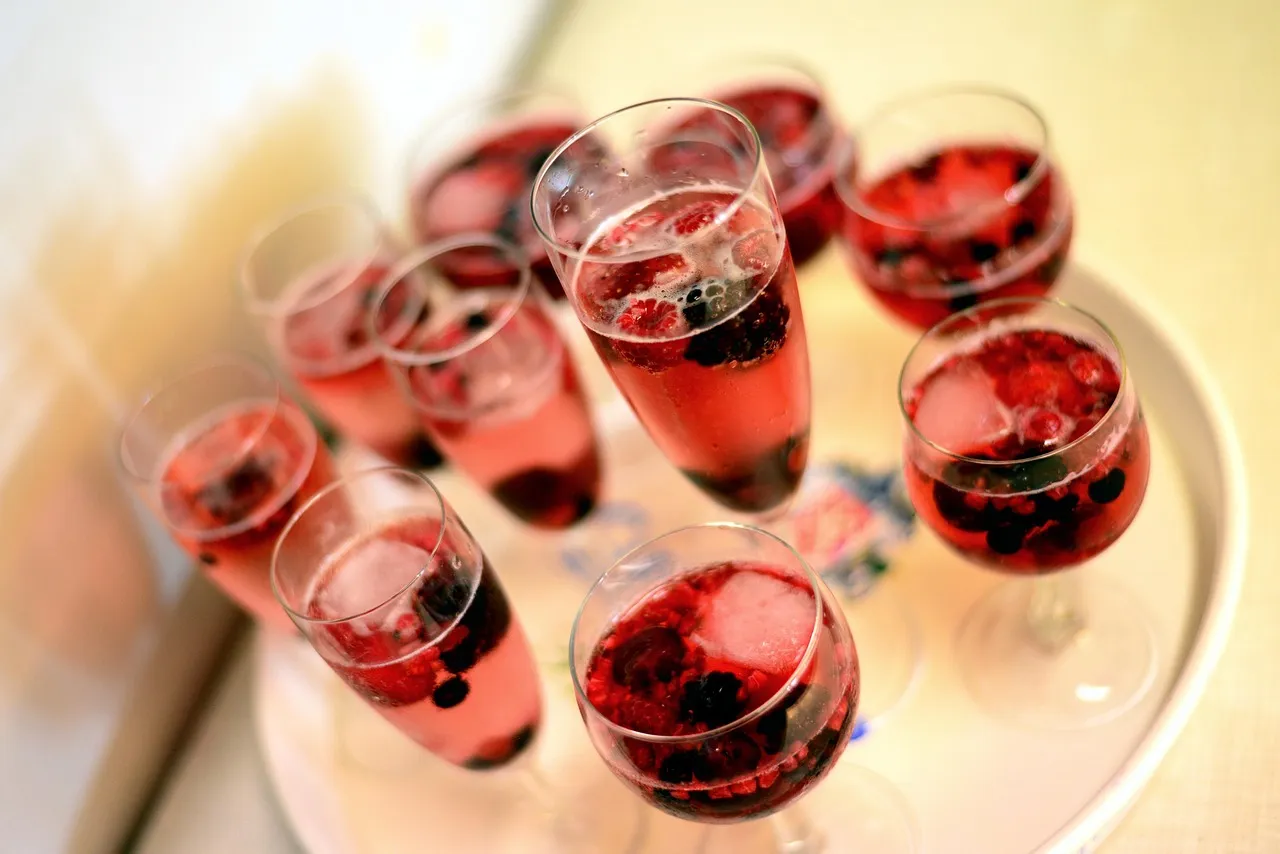
For those who visit wineries more than occasionally, membership in a wine club is often the most reliable path to library access. The relationship matters. Staff are more forthcoming about special inventory with people they recognize as genuinely invested in the winery’s story.
From time to time, wine libraries offer special vintages. These limited offerings showcase the varietal and vintage’s development from year to year, and wine club members are typically given first offering of these exciting collectibles. Timing, in other words, rewards the committed.
Artesa Winery, for example, lists first access to library and large format selections as a direct benefit of club membership. Suhru and Lieb Vineyards similarly offers early access to pre-releases of new vintages as well as access to rare library wines as part of their club membership benefits. The pattern is consistent across regions and winery sizes.
Vertical Tastings: Reading a Winery’s History
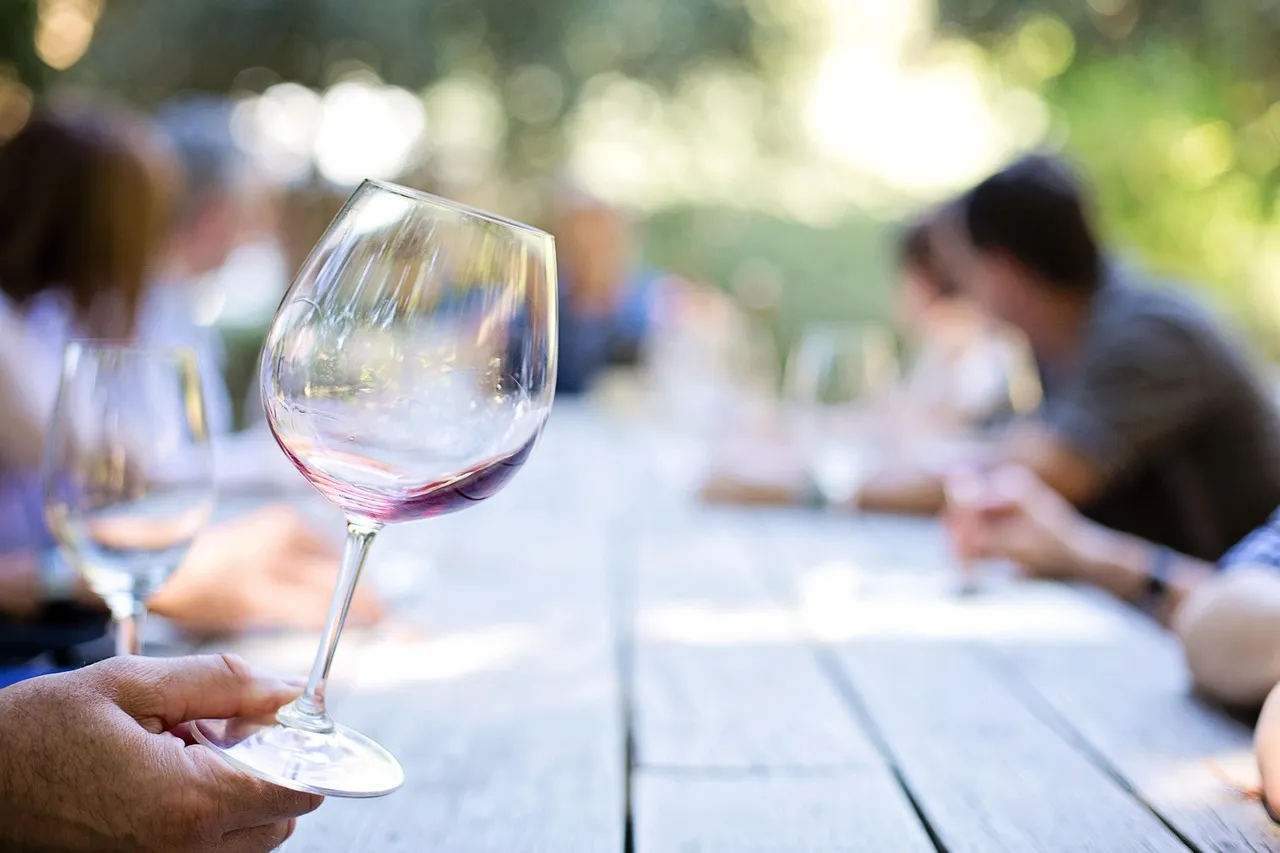
A vertical tasting means tasting wine from a variety of vintage years. As one example, a Cabernet Sauvignon tasted from 2014 all the way up to 2022 reveals the span of a vineyard’s expression across very different growing seasons. There’s no better education in how climate, technique, and time intersect.
Many wineries offer special tastings that allow guests to experience their aged bottles. These tastings are a fantastic opportunity to learn about how wine evolves over time and how different vintages compare. The conversation that happens around those glasses tends to be richer than almost any other tasting room interaction.
Many library wines are reserved from specific vintages, representing a snapshot of a winery’s history. It’s like taking a trip back in time, tasting how a vineyard’s wines have evolved over decades. Each bottle holds not just fermented grape, but a specific year’s weather, decisions, and terroir.
How the Biggest Wineries Think About Their Libraries
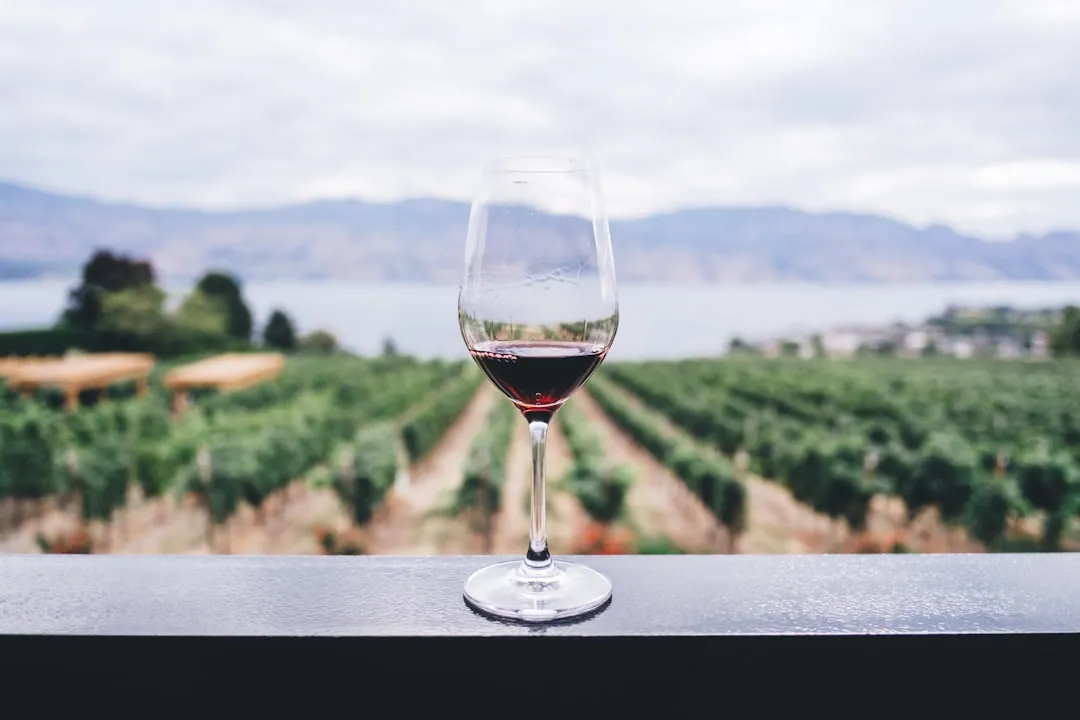
At the highest levels of wine production, a library isn’t a nice-to-have. It’s central to a winery’s identity. Château Margaux stores roughly twenty percent of each vintage, amounting to about 25,000 bottles, in a climate-controlled cellar holding bottles dating back to 1848. The winery earmarks the vast majority of those for later sales, priced according to age and availability.
At Château Margaux, winemakers taste vintages from 1970 onward at least once a year, and those bottles offer a chance to learn from the past and tweak practices to address similar climatic conditions in future years. That’s a library functioning as a professional tool, not just a collector’s trophy room.
Library releases can also be a major strategic asset when less-than-ideal vintages are on the market. A library release from a more sought-after vintage can redirect the conversation and reignite interest, reinserting the winery into the broader wine conversation at exactly the right moment.
What Makes a Great Library Tasting Experience
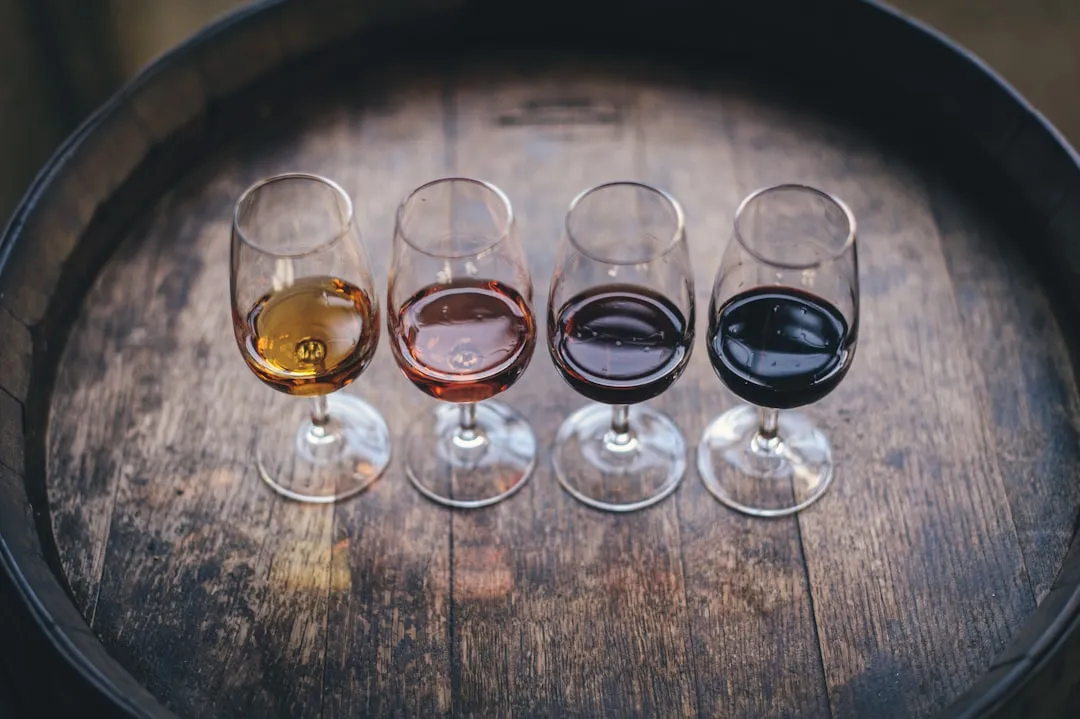
The best library tastings aren’t just about old wine. They’re about context. Throughout a library tasting, a good wine educator guides you through the story of each wine, the vineyard or vineyards it’s sourced from, information on its winemaking, and the evolution of that style over the years. Without that narrative layer, the experience is just sipping something old.
The winery essentially does the aging process for collectors. You don’t have to have a large storage cellar of your own in order to enjoy aged and rare vintages. That’s genuinely useful. Proper wine storage is expensive and space-consuming, and most people don’t have it.
There’s no fussing around with auctions or the grey market. There’s no worrying about the wine’s provenance, whether it was stored in a cellar, a closet, or someone’s attic. Stored and aged at the winery is about as safe and reliable a provenance as you can get. That certainty is part of what you’re paying for.
Practical Tips Before You Visit
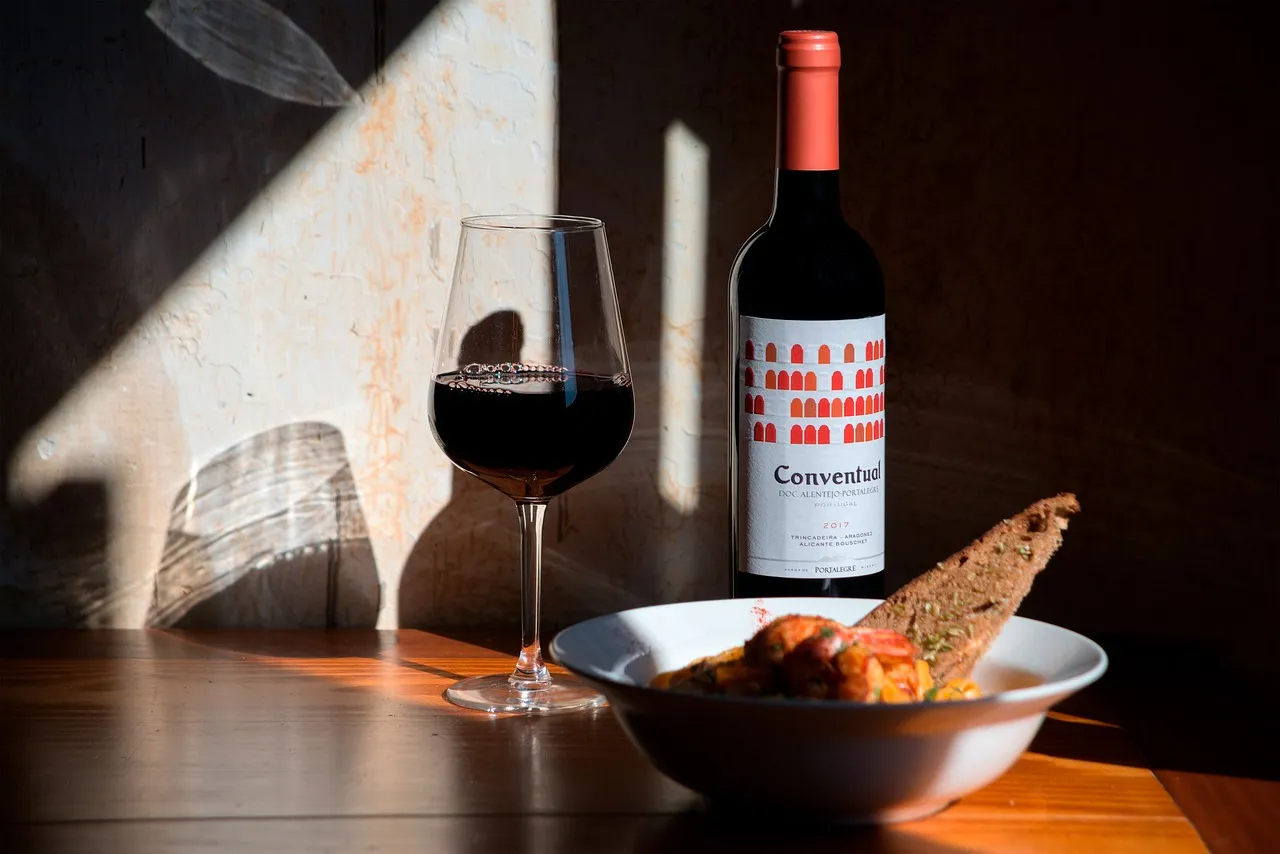
Reservation timing matters more than most visitors realize. Because of the intimate nature of library tastings, they are typically reservation-only and must be booked in advance of your visit. Walking in and asking on the day rarely gets you the full experience, though it can still open a conversation worth having.
When you do call ahead, be direct about your interest. Tasting room staff appreciate specificity. Saying you’re interested in trying something with some age, or asking whether the winery has a library program, gives staff the information they need to match you with the right experience rather than the standard flight.
For wineries like William Gregory Winery, the invitation is explicit: if you have an interest in a more mature vintage, ask the tasting room for availability. That open-door language is more common than visitors assume. The staff genuinely want to share these wines with people who will appreciate them.
The Takeaway
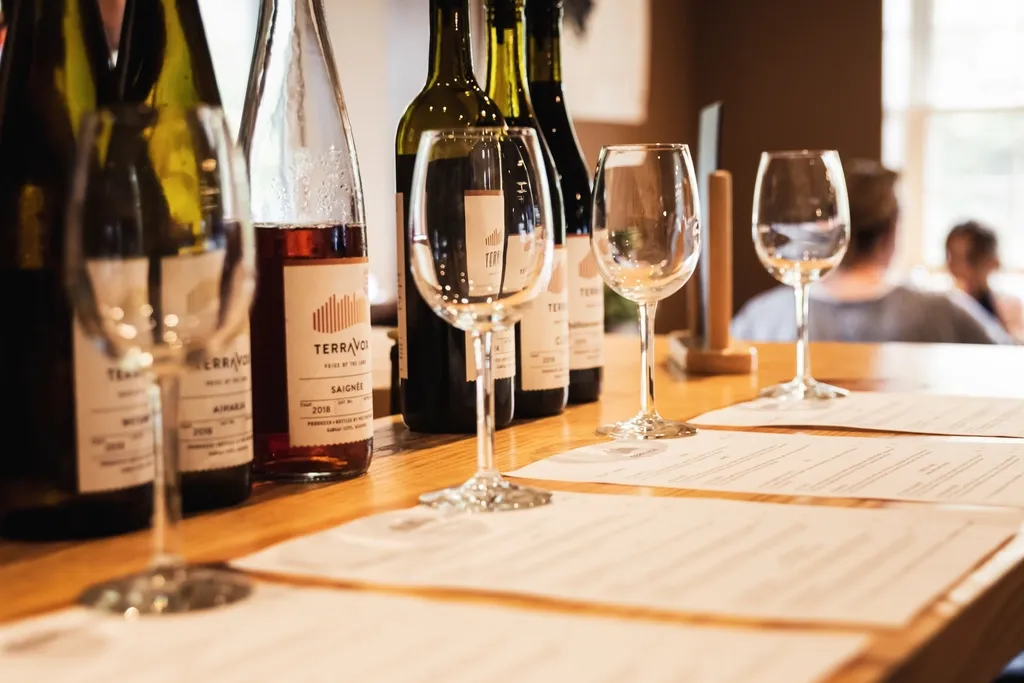
Library wines occupy a quiet corner of most tasting rooms, rarely announced, almost never on the standard menu board. They’re there for the guests who show genuine curiosity, who care enough to ask one extra question. The wineries that maintain these collections have made a considerable investment, financially and philosophically, in the idea that their best wines deserve more time.
Asking about the library signals that you’re that kind of visitor. It tells the staff something about you, and in return, they’ll often tell you something about their wine that no tasting notes or back-label summary ever could.
AI Disclaimer: This article was created with the assistance of AI tools and reviewed by a human editor.