

Most guests board a charter yacht hoping for something extraordinary, without necessarily knowing how to ask for it. The vessel might be stunning. The waters might be perfect. The crew might be among the most talented afloat. Yet something often separates a pleasant trip from one guests describe to everyone they know for years after. That something, it turns out, comes down to a few very specific things guests either do or don’t communicate before they ever set foot on deck.
Crews across the Mediterranean, the Caribbean, and beyond are remarkably consistent on this point. What makes their job a joy, and what makes a charter truly sing, begins long before embarkation. Here are ten things seasoned crew members say actually transform a charter from good to unforgettable.
Fill Out the Preference Sheet Like You Mean It
A preference sheet is a detailed questionnaire completed prior to your charter. It allows guests to share everything from favorite meals to a dream itinerary, and essentially gives the captain and crew the insight they need to personalize every moment onboard. Think of it as a personal brief for the week ahead, covering not just what you like, but how you like to travel.
Crew insiders are united on one thing: “Everything is fine” may feel polite, but it doesn’t give the crew much to work with. The guests who get the most out of a charter are those who treat this document seriously. It’s important that preference sheets are as detailed as possible so the crew are fully aware of everyone’s personal preferences. Taking the trouble of finding out the likes and dislikes of your entire charter party and including that detail goes a long way toward ensuring the vacation is a complete success.
Submit Your Preferences Early. Much Earlier Than You Think
Preference sheets are typically sent a few weeks before your charter, and returning them early gives the crew time to source special items and plan every detail properly. This sounds simple, but the consequences of waiting are real. Crew members provisioning a yacht in a remote anchorage cannot conjure specialty items overnight.
Industry professionals recommend finalizing the document at least four weeks before departure. This lead time is essential for sourcing rare imports that might not be readily available on a remote island. Your preference sheet ensures that when you drop anchor in a secluded cove, the exact luxury you envisioned is already waiting in the galley.
Be Specific About Food, Down to the Smallest Detail

As a charter guest, you’ll be given a preference sheet where you can list every request and detail, from the types of wine or beer you drink, down to the types of meals you want, and any food intolerances. Crews genuinely want to delight you with every meal, but precision is everything. A guest who simply writes “seafood lover” and one who mentions their favorite preparation, preferred proteins, and the one dish they quietly dread will have very different experiences at the dinner table.
Take a look at sample menus to make sure everyone in your party is catered for, especially if there are vegans. If a chef has a leaning toward Asian cuisine, it won’t be much fun if you don’t enjoy noodles or sushi. It’s better to let the crew know in advance if anyone has a favorite liquor or type of chocolate, to avoid any disappointment during the charter.
Tell the Captain Your Real Itinerary Dreams
Captains are generally extremely knowledgeable and can provide excellent suggestions about the itinerary, hot spots, and undiscovered places. They know which coves fill up by noon and which ones the day-trip boats never find. That intelligence is free and readily shared, but only if guests open the conversation.
Most yacht charters offer flexible itineraries. While there’s usually a suggested route, guests can adjust it based on weather, local events, or personal preferences. Whether you want to spend extra time at a favorite beach, visit a charming town, or explore a quiet cove, the crew can adapt the plan to make the trip just right. Sharing your honest vision, not just what seems polite to ask for, is the first step toward getting there.
Communicate Your Preferred Service Style
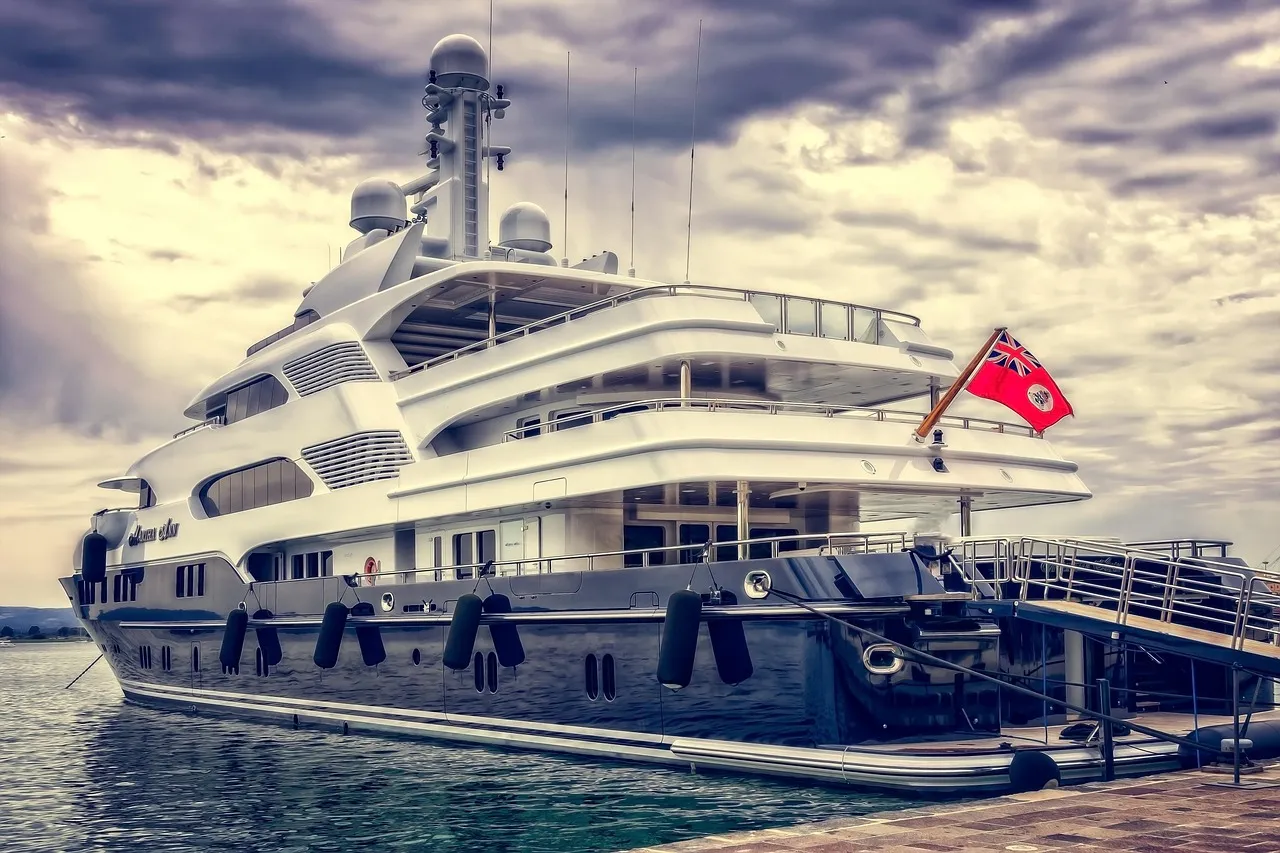
Guests can signal the type of service they want. If you desire attentive, constant service, tell the captain. If you prefer a more relaxed vibe where you’d rather be left alone to enjoy the view, say that too. Neither preference is unusual. Crews are skilled at both, but they can’t read minds, and guessing your rhythm takes them days they’d rather spend perfecting your experience.
The guest experience begins weeks before embarkation. Elite operators send a detailed pre-charter questionnaire covering dietary requirements, activity preferences, celebration dates, and even preferred pillow firmness. This information is shared with the crew well in advance, enabling them to prepare a truly bespoke experience. The more candid guests are about their pace and personality, the more naturally the crew can meet them there.
Mention Celebrations, Even the Quiet Ones
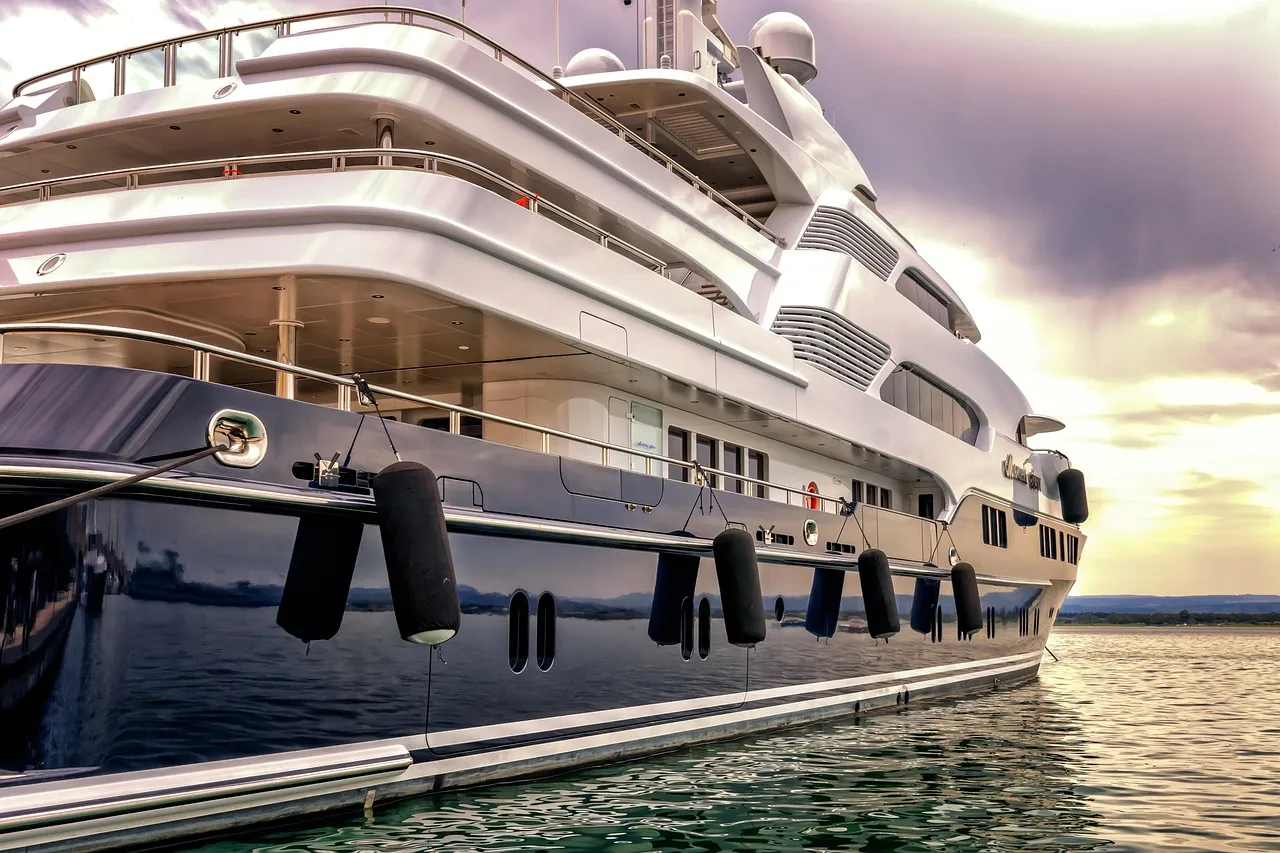
The best operators create anticipation through curated welcome packages: a digital itinerary with stunning photography of planned anchorages, a personalized playlist for the yacht’s sound system, and a handwritten welcome note from the captain. These touches cost almost nothing but set the emotional tone for the entire charter. The raw material for those touches comes from knowing whether there’s a birthday, an anniversary, or even a quiet personal milestone being marked onboard.
A crew that learns only on the morning of a birthday that it’s a birthday cannot do much. One informed weeks ahead can arrange a celebratory sunset dinner at a chosen anchorage, a cake made exactly to someone’s taste, or a dawn swim at a spot the guest has always wanted to see. The difference is simply communication, offered willingly and early.
Embrace Flexibility on the Water
While having a planned itinerary is beneficial, flexibility is a valued trait in yacht charter etiquette. Weather conditions and safety considerations may necessitate changes to the planned route. Trusting the captain’s expertise and adaptability ensures a safe and enjoyable journey. Guests who hold this lightly, rather than clinging to a rigid plan, almost always end up somewhere better than they expected.
Crew members who feel trusted by their guests tend to go further. They’ll suggest the unmarked bay, the local fish market that opens at dawn, or the lesser-known island passage that takes your breath away. That kind of local, generous guidance flows freely when the relationship between guest and crew is relaxed and collaborative.
Approach the Crew with Genuine Respect

A yacht charter is luxury, yes, but it’s also a small floating ecosystem with humans working hard to make it effortless. Etiquette is essentially the art of not breaking that ecosystem. Crews work demanding hours to maintain a high level of service. Respecting their rest cycles is important. They need downtime to stay sharp and ensure the vessel’s safety.
All crew members work tirelessly to provide impeccable service and meet high expectations. Everyone is there to make sure guests have a truly memorable time. Treating them as you would your most valued employees makes an enormous difference. Guests who treat the crew as people, not a backdrop, invariably receive an experience that goes well beyond the job description.
Consider Eco-Conscious Requests

Owners and guests are increasingly taking a close look at their carbon footprint and seeking practices and products that can help mitigate their environmental impact. Yachting and lifestyle services company Crew à la Mode reports experiencing this increased demand. Requests for reef-safe sunscreen, minimal single-use plastics, and organic linens are not only welcomed by most crews, they’re increasingly part of the charter culture at higher levels of the market.
Guests are encouraged not to throw anything overboard, and to use natural, organic, or eco-friendly detergents, shampoos, soaps, and sunscreens that are not harmful to coral reefs. Avoiding the overuse of plastic is also part of responsible onboard living. Conserving water and energy is a crucial aspect of charter etiquette. Yachts have finite resources, so mindful usage ensures sustainability throughout the voyage. Simple practices like taking shorter showers and turning off unused lights contribute significantly.
Tip Thoughtfully and Appropriately
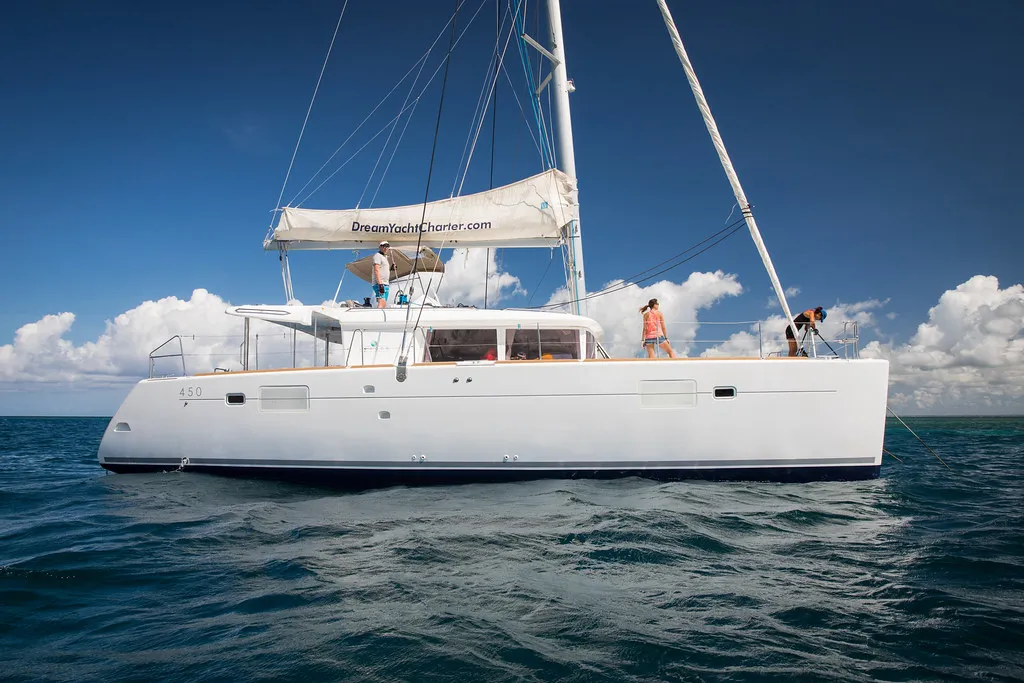
The global yacht charter market hit $9.30 billion in 2025 and is projected to reach $9.80 billion in 2026. Crewed charters account for nearly two-thirds of the global yacht charter market. Behind every one of those crewed trips is a team working long, often invisible hours to make the experience feel effortless, and a tip is one of the most direct ways guests communicate their appreciation.
As of 2026, industry standards for crew tips typically range between ten and twenty percent of the base charter fee. In the Mediterranean, ten to fifteen percent is common, while Caribbean charters often lean toward the twenty percent mark. The standard practice is to place the gratuity in a single envelope and hand it to the captain at the end of the trip. Tips are shared equally among all crew members, including engineers and laundry staff guests might never see, acknowledging that every role is vital to the experience.
The Takeaway
There’s a quiet truth that experienced charter guests come to understand: the yacht is the setting, but the crew is the experience. Every anchorage, every meal, every unexpected sunrise moment that becomes the story you tell for years, those things are shaped by communication that happens long before the lines are cast off.
For repeat clients, maintaining a detailed guest profile ensures that each subsequent charter improves upon the last. The guests who get the most from a charter are rarely the ones who arrived with the highest expectations. They’re the ones who showed up ready to share, to ask, and to trust the people who know these waters best. That openness, more than any luxury upgrade, is what transforms a week at sea into something genuinely remarkable.
AI Disclaimer: This article was created with the assistance of AI tools and reviewed by a human editor.