
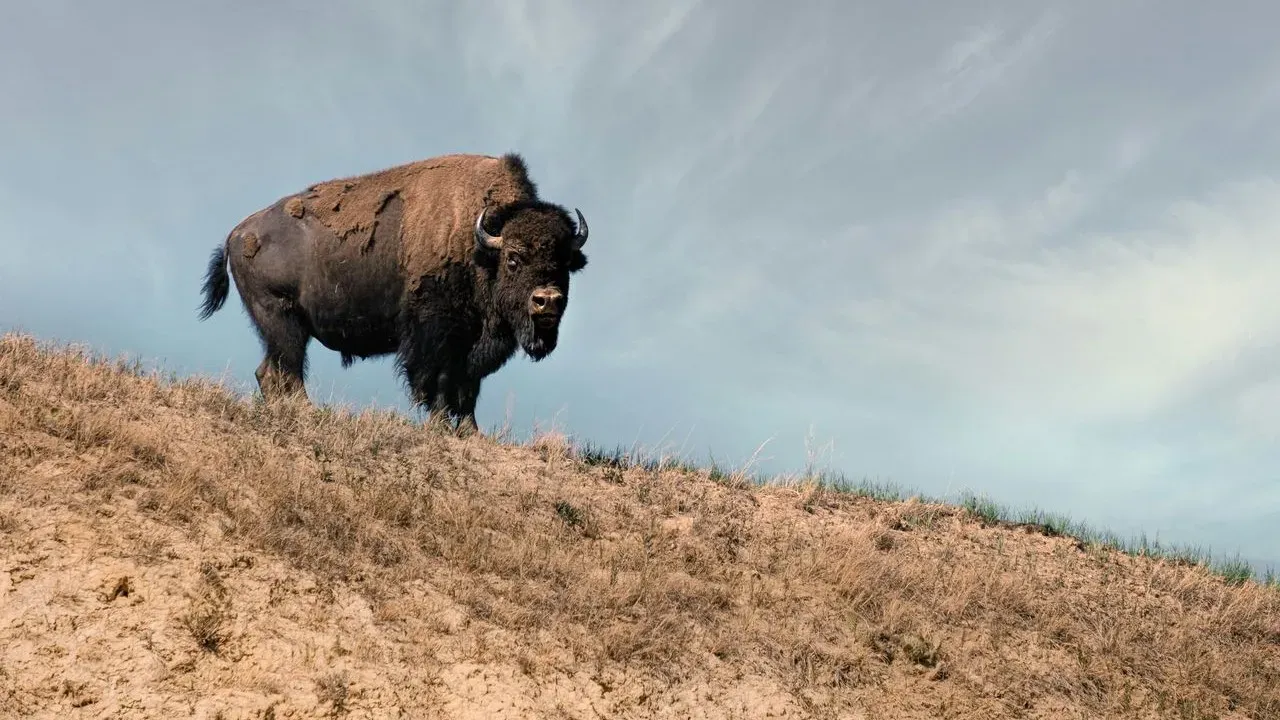

Yellowstone National Park – A bull bison recently tossed a visitor several feet into the air at the Bridge Bay Campground, underscoring the unpredictable nature of wildlife encounters in one of America’s most iconic protected landscapes. The event, captured on video, involved an unidentified man who was walking in the area when the animal reacted. Park officials continue to investigate the circumstances, while the visitor received medical attention for injuries sustained in the exchange. Such moments serve as powerful reminders that Yellowstone’s grandeur comes with clear responsibilities for those who enter its boundaries.
What Happened at Bridge Bay
The incident took place in a popular campground within Yellowstone National Park in Wyoming. Witnesses described the bison approaching the man before lifting him briefly off the ground. The animal then moved away, leaving the scene as quickly as it had entered it. Park rangers responded promptly, securing the area and providing assistance to the injured visitor. Bridge Bay sits along Yellowstone Lake and attracts thousands of campers each season. Its mix of open meadows and forested edges creates natural corridors where bison often graze. These conditions can bring wildlife and people into closer proximity than either expects.
Why Bison Demand Respect
Bison are the largest land mammals in North America and carry significant cultural importance for many Indigenous communities whose ancestral lands include the Yellowstone region. They weigh up to 2,000 pounds and can reach speeds of 35 miles per hour over short distances. Their calm appearance often masks a strong instinct to defend personal space, especially during calving season or when they feel threatened. Encounters like the one at Bridge Bay typically occur when visitors move closer than the animals consider safe. Bison may interpret even slow approaches or sudden movements as potential threats, prompting defensive reactions that can unfold in seconds.
National Park Service Guidelines
The National Park Service maintains straightforward rules for viewing wildlife throughout Yellowstone. Bison require a minimum distance of 25 yards, roughly the length of two city buses parked end to end. This buffer allows animals to continue natural behaviors without feeling pressured. Additional recommendations include remaining in vehicles when possible near herds, avoiding direct eye contact, and never attempting to feed or pose for photographs at close range. Rangers emphasize that these measures protect both visitors and the animals that call the park home. – Stay at least 25 yards from bison at all times.
– Use binoculars or telephoto lenses for closer views.
– Yield the right of way on trails and roads when animals approach.
– Report any close encounters to park staff immediately.
Traveling With Purpose in Yellowstone
Yellowstone continues to draw millions of visitors annually precisely because its ecosystems remain largely intact. Responsible travelers contribute to that preservation by treating every encounter as an opportunity to observe rather than interrupt. Planning visits during shoulder seasons, supporting park education programs, and sharing accurate safety information with fellow travelers all extend the life of these wild places. The recent event at Bridge Bay reinforces a simple truth: the park’s most memorable experiences often arise when visitors give wildlife the space it needs to thrive. By honoring those boundaries, travelers help ensure that future generations can witness bison moving freely across the same landscapes that have sustained them for centuries.
AI Disclaimer: This article was created with the assistance of AI tools and reviewed by a human editor.