


Yoga retreats are booming. Over 300 million people practice yoga worldwide, and the global yoga industry, including classes, teacher trainings, retreats, and products, is worth well over $88 billion USD. That scale means retreat centers see an enormous range of first-timers walking through their doors every year, eager, nervous, and often carrying habits that quietly work against them.
The one rule that instructors bring up again and again is deceptively simple: listen to your body. It sounds obvious. Most newcomers nod when they hear it on day one. Then, almost universally, they break it anyway. What follows are ten things retreat instructors consistently observe in first-time participants, and why each one matters more than people expect.
Pushing Through Pain Instead of Pausing

Beginners sometimes assume that discomfort means the body is “opening up” or becoming more flexible, and many say that pain means progress. As a result, they ignore warning signs like sharp pain or other discomfort. This is the most commonly observed pattern at retreats, and it’s also the most potentially harmful one.
Sharp pain, burning, tingling, or any sensation that makes you wince is your body’s signal to ease off immediately. Always respect pain as a boundary, not a challenge. Instructors are not asking newcomers to be passive. They’re asking them to be honest about the difference between a productive sensation and a warning signal.
Ignoring the Breath
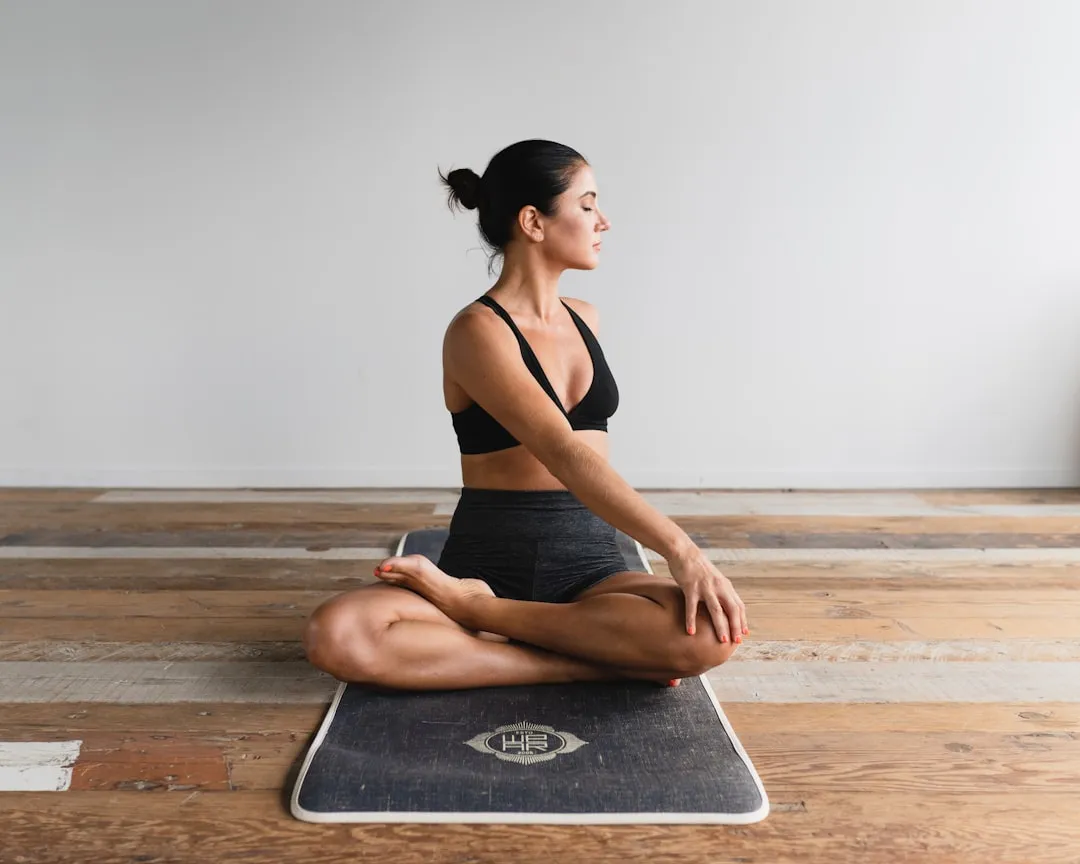
Probably the single most common mistake when beginners start yoga is overcoming a disconnection with the breath. At a retreat, where sessions can run for two or three hours across a day, that disconnection compounds quickly. The breath isn’t background noise; it’s the actual tool.
Breathing keeps your nervous system calm, helps your muscles relax into stretches, and signals to your body that you’re safe. When you hold your breath, your muscles tighten, your stress response kicks in, and the pose becomes harder and less effective. A simple check: if you can’t breathe naturally in a pose, you’ve gone too deep. Back off a little and find the version where you can still breathe steadily.
Skipping Savasana
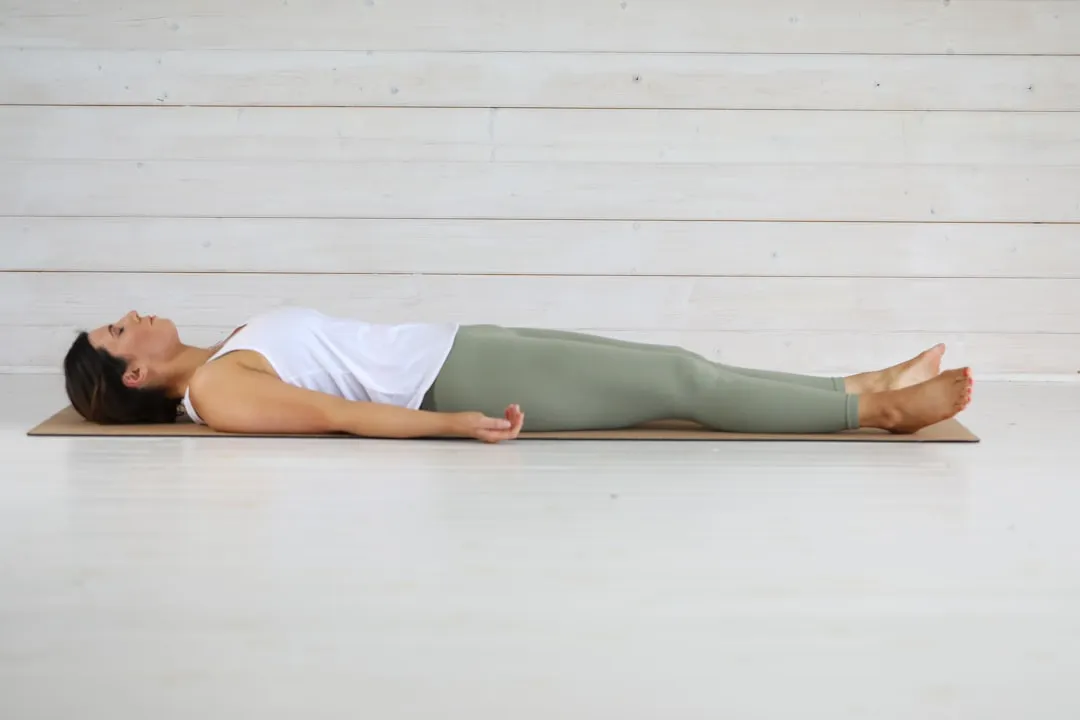
Savasana, the final relaxation pose, is when your nervous system processes and integrates all the physical work your body just completed. It allows muscles to release held tension and helps shift the body from a state of effort to a state of rest and repair. Skipping it is like closing an app before it finishes saving: you lose much of the benefit of what came before.
Newcomers routinely slip out during this final portion, either restless or convinced it’s optional. At a retreat, where the whole arc of the day builds toward recovery and integration, leaving early during savasana misses the point in a fairly significant way. Instructors notice it every time.
Comparing Yourself to Everyone Else in the Room

A common mistake is believing that yoga is about how far you can stretch, when the real goal is learning how to move with awareness. Your body may have a different range of motion, strength level, balance, or history of injuries, and respecting those differences is part of practicing yoga well.
Many practitioners push themselves too hard, striving to achieve the perfect pose or keep up with others in class, and this attitude can lead to injuries, discomfort, or burnout. At a retreat, the group dynamic is intentional and supportive. Using it as a comparison benchmark defeats the environment entirely.
Arriving Late to Sessions
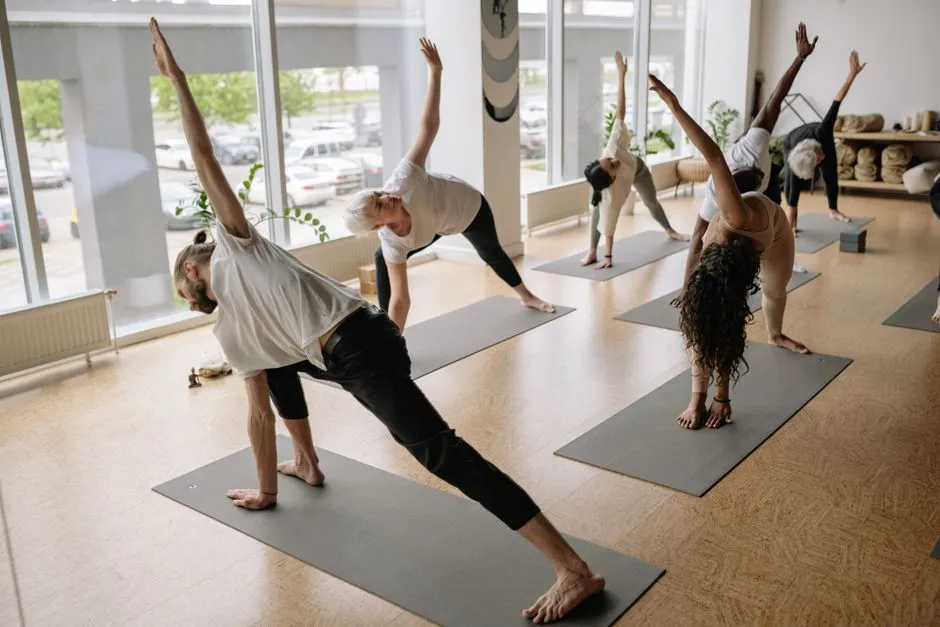
It’s incredibly distracting for students and instructors when a latecomer arrives to start setting up their space while other students are reclined with closed eyes, setting intentions and breath. Many studios will even lock their doors once class starts. At a retreat, where the opening minutes of a session often set the tone for everything that follows, arriving late disrupts far more than just yourself.
If you’re a new student, arrive extra early. It will likely take a few minutes for staff to book you into class, have you sign waivers, give you a tour of the space, and share policies and etiquette with you. That buffer matters, especially on a first day when everything is unfamiliar.
Letting Ego Drive the Practice

When you begin to push yourself to achieve the “perfect” pose and get caught up in ego, gently bring yourself back to a balance between practice and surrender. This is easier said than done, particularly for people who are high achievers in other areas of life. The competitive mindset that works elsewhere becomes an obstacle here.
Many beginners are so focused on getting a yoga pose exactly “right” that they ignore signals from their bodies that beg for modifications. For example, not everyone can come into a Standing Forward Bend without straining their lower back muscles or hamstrings. Allowing a bend in the knee and resting hands on yoga blocks can prevent overextension. Modifications are not admissions of failure. They’re good practice.
Not Disclosing Injuries or Health Conditions

Retreat instructors are trained to adapt, but only if they know what they’re working with. One of the key benefits of yoga retreats for beginners is the chance to receive personalized attention from experienced instructors. The guidance and feedback provided during a retreat can help you refine your alignment, enhance your flexibility, and cultivate mindfulness. That personalization only works when the instructor has accurate information.
Newcomers frequently downplay existing injuries, old surgeries, or joint issues out of embarrassment or a desire not to seem difficult. The result is that instructors offer general cueing when a specific modification would have been far safer and more beneficial. Speaking up before the first session is always the right call.
Bringing Phones Into the Practice Space

Silencing your watch is a big one. It’s pretty common to hear beeping and chirping from Apple Watches and Garmins throughout class and especially during savasana. Put your fitness trackers on silent before entering the studio. The same applies to smartphones, which many newcomers bring in with the intention of using only in an emergency.
If you are practicing yoga while on the phone or while concentrating on a screen, you cannot say you are truly practicing yoga. You can only call it yoga if you practice it with sheer determination and mindfulness. A retreat is one of the few environments designed specifically to help you disconnect. Bringing a phone in undermines that for everyone around you, not just yourself.
Hitting the “Day Three Wall” Without Asking for Help
The pattern observed across many retreats is consistent: the guests who struggle most are almost always first-timers on longer programmes who hit a wall around day three or four. This is not a sign that something has gone wrong. It’s an almost universal part of the transition into retreat rhythm.
The first day of a retreat is almost always slightly uncomfortable. That’s worth knowing in advance so it doesn’t read as a signal that you’ve made a mistake. You’ll arrive at a place where you don’t know anyone, in a context that feels unfamiliar, having just travelled. Instructors want to support newcomers through this adjustment, but only if participants tell them what they’re feeling rather than quietly suffering through it or, worse, leaving early.
Eating a Full Meal Right Before Practice

Like other exercises, you should never do yoga on a full stomach. There has to be a gap of at least three hours between a meal and yoga practice, otherwise you can experience cramps, and it makes you lethargic. Most retreat schedules account for this automatically, but newcomers who snack heavily between sessions often pay for it in the very next class.
The schedule may feel abrupt at first, with dinner at 6:30 pm and morning practice starting at 7 am. The food will likely be different from what you’re used to, as most retreats serve plant-forward, wholefood meals. Trusting that structure, rather than supplementing it with outside snacks, is one of the quieter ways newcomers can set themselves up for a better experience from day one.
The Takeaway

Most of the rules newcomers break at yoga retreats come down to one underlying habit: treating the retreat like something to conquer rather than something to receive. A remarkable 98% of people who have been on a retreat say they came home with at least one lasting benefit. That number holds largely because the structure works, when you let it.
Yoga looks gentle from the outside, but your body may need time to understand the movements, breathing, and balance involved. Being a beginner does not mean you should push through discomfort or force yourself into a pose just because someone else can do it. The newcomers who get the most from a retreat are rarely the most flexible or the most experienced. They’re the ones who arrived willing to actually listen, to their instructors, to the space, and to themselves.
AI Disclaimer: This article was created with the assistance of AI tools and reviewed by a human editor.