
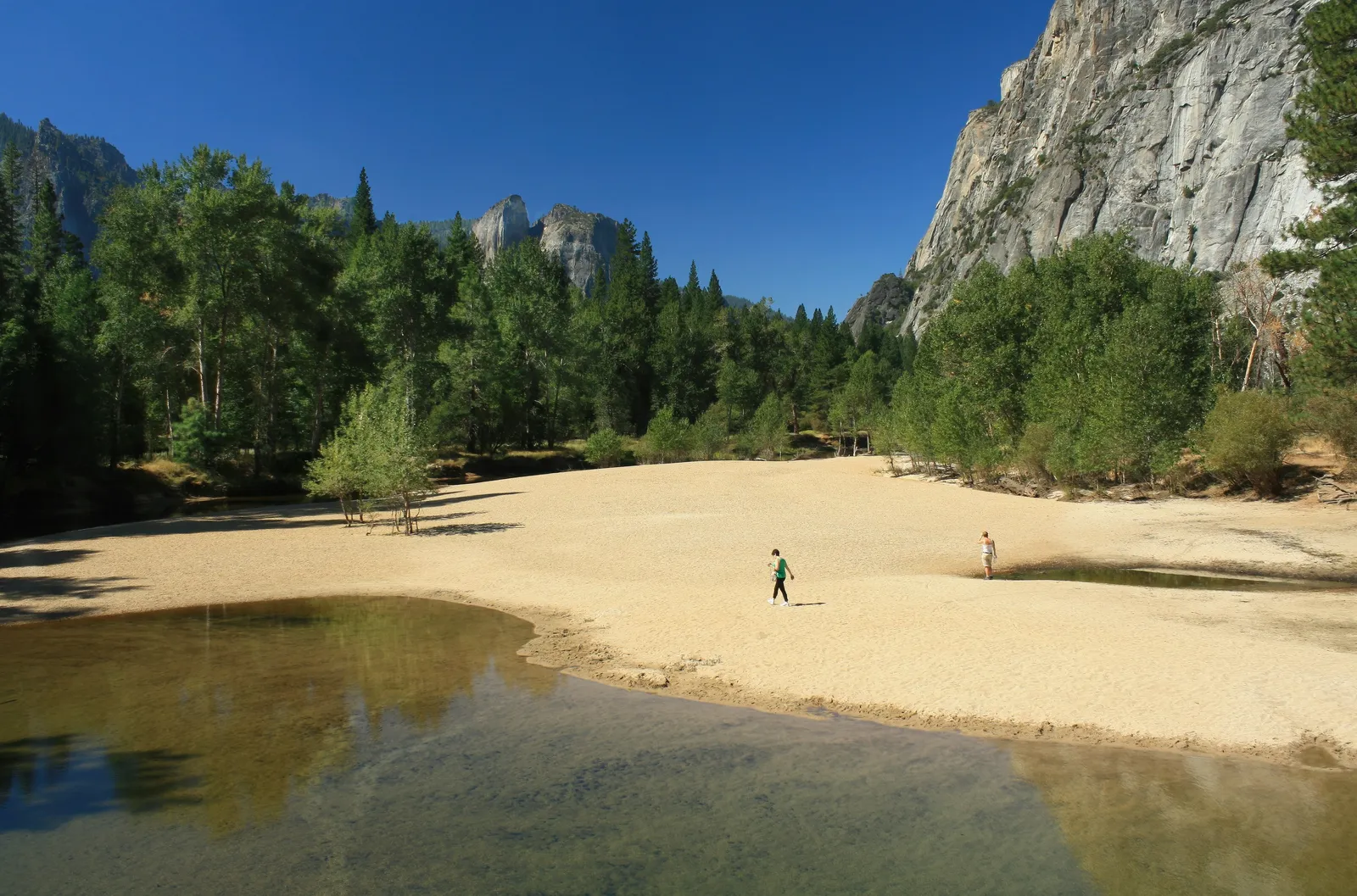

Visitors arriving at Yosemite National Park this summer are encountering long lines at entrances and congested trails that were less common under the previous reservation rules. The decision to lift those requirements has produced noticeable changes in daily operations and visitor flow. Park managers report that traffic volumes have risen sharply in recent weeks, creating new pressures on facilities and staff.
Reservation Change Brings Immediate Shifts
The park discontinued its timed-entry system earlier this year, allowing unrestricted access for the peak season. That move aligned with broader efforts to simplify visits after pandemic-era controls. Attendance has climbed steadily since the policy took effect, with peak days showing the largest increases.
Stakeholders including local businesses, shuttle operators, and emergency services have adjusted schedules to handle the added volume. Rangers note that parking areas fill earlier in the day than in prior seasons. The change affects both day-trippers and overnight guests who must now compete for limited spaces without advance slots.
Hours-Long Waits and Packed Trails
Entrance stations have recorded waits stretching several hours during morning rush periods. Popular routes such as the valley floor and waterfall paths see steady streams of hikers from dawn onward. These conditions have prompted some families to alter their itineraries mid-trip.
Trailheads that once offered quieter starts now require careful timing to avoid bottlenecks. Shuttle services operate at capacity more frequently, extending ride times between key sites. The pattern repeats most noticeably on weekdays that previously saw lighter use.
Safety Concerns Rise With Volume
Higher foot traffic has coincided with more reports of minor incidents along steep sections and near water features. Park staff emphasize that basic precautions remain essential even on well-marked paths. Increased numbers also strain restroom facilities and waste management in high-use zones.
Emergency responders have handled a modest uptick in calls related to heat exposure and navigation issues. Officials continue to monitor patterns as the season progresses. The combination of heat, elevation, and crowds creates conditions that reward preparation over spontaneity.
Practical Steps for Summer Visits
Travelers can reduce friction by focusing on a few consistent practices. The following adjustments have helped others navigate the current environment:
- Enter the park before 8 a.m. on most days to clear gates ahead of peak lines.
- Choose mid-week dates when possible instead of Friday through Sunday blocks.
- Review current conditions through official channels the evening before departure.
- Carry extra water, snacks, and a printed map in case cell service drops.
- Consider shoulder-hour activities such as early-morning photography or late-afternoon overlooks.
These steps do not eliminate every delay but improve the odds of a smoother experience. Groups traveling with children or limited mobility benefit most from the earliest possible start.
Outlook for Remaining Months
Park leadership continues to evaluate whether additional measures will be needed if volumes remain elevated. Local communities that rely on tourism have welcomed the return of unrestricted access while watching infrastructure closely. The season ahead will test how well the system adapts without the former controls.
Many repeat visitors describe the current situation as a return to pre-reservation norms, though with higher overall demand. The balance between access and preservation remains a central topic for those who manage and enjoy the park.