Cody was born on the western slope of Colorado. In his high school career, Cody was nominated and awarded the Amazing Youth Leadership Award by the HRC for establishing one of the first Gay Straight Alliances which then inspired the creation of several other GSAs on the western slope. Cody’s interest in environmentalism stemmed from that experience as well. Cody now resides in Oregon with his partner and beloved animals. He enjoys hiking, camping, running, climbing, watching movies, writing, reading, walking his dog, driving to the ocean, and hanging out with his friends when possible.
Most people carry a fixed image of the Sahara in their minds: an ocean of sun-baked sand stretching endlessly in every direction, merciless and lifeless. It is the world’s largest hot desert, covering the bulk of North Africa. That image, though vivid, tells only part of the story. Beneath its dunes and gravel plains lies
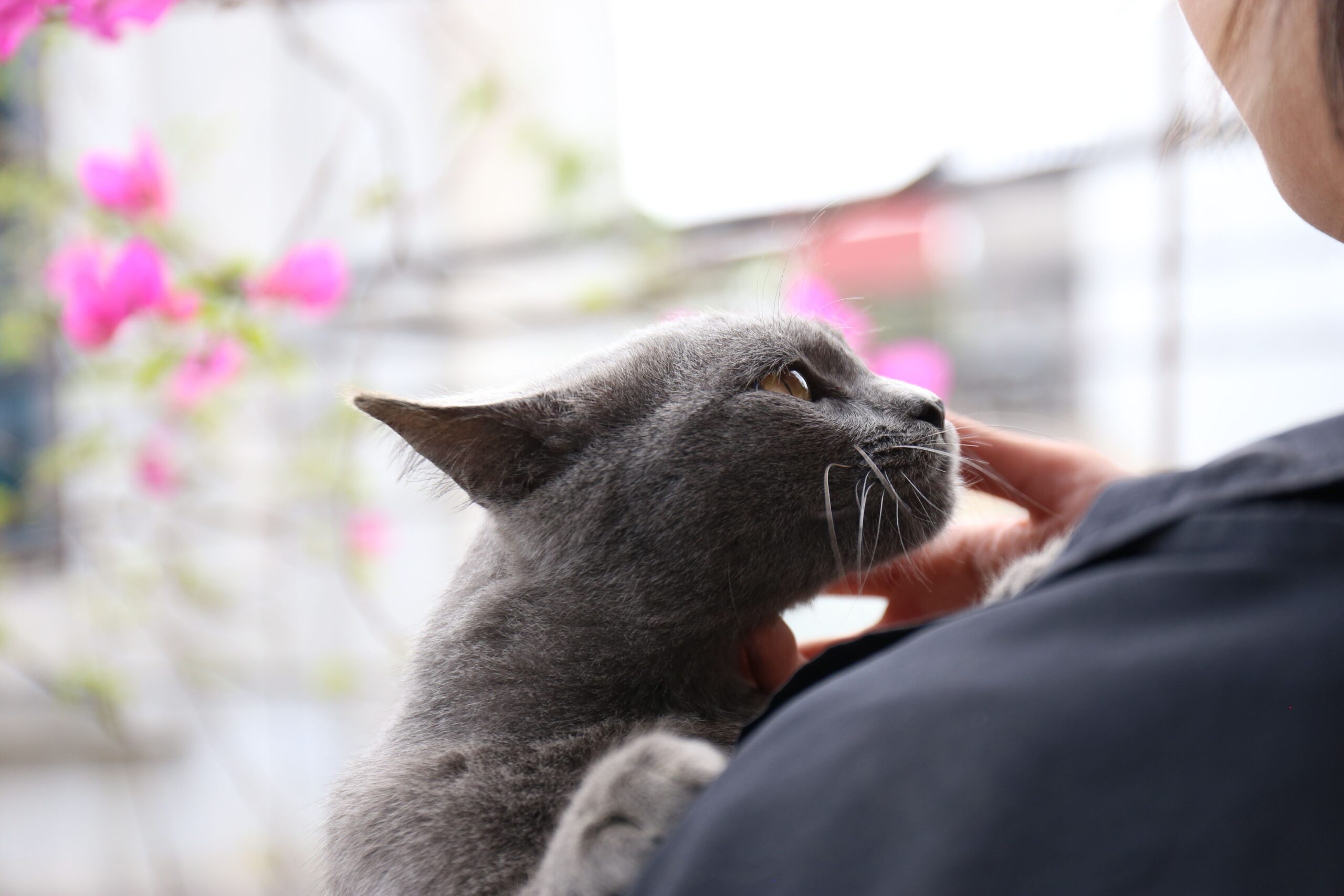
Tokyo has more cat cafés than any other city on Earth. That fact alone says something interesting about the place – a megacity of over thirteen million people where space is tight, schedules are punishing, and the desire for simple warmth finds a way through. Cat cafés here aren’t a quirky tourist novelty tucked between
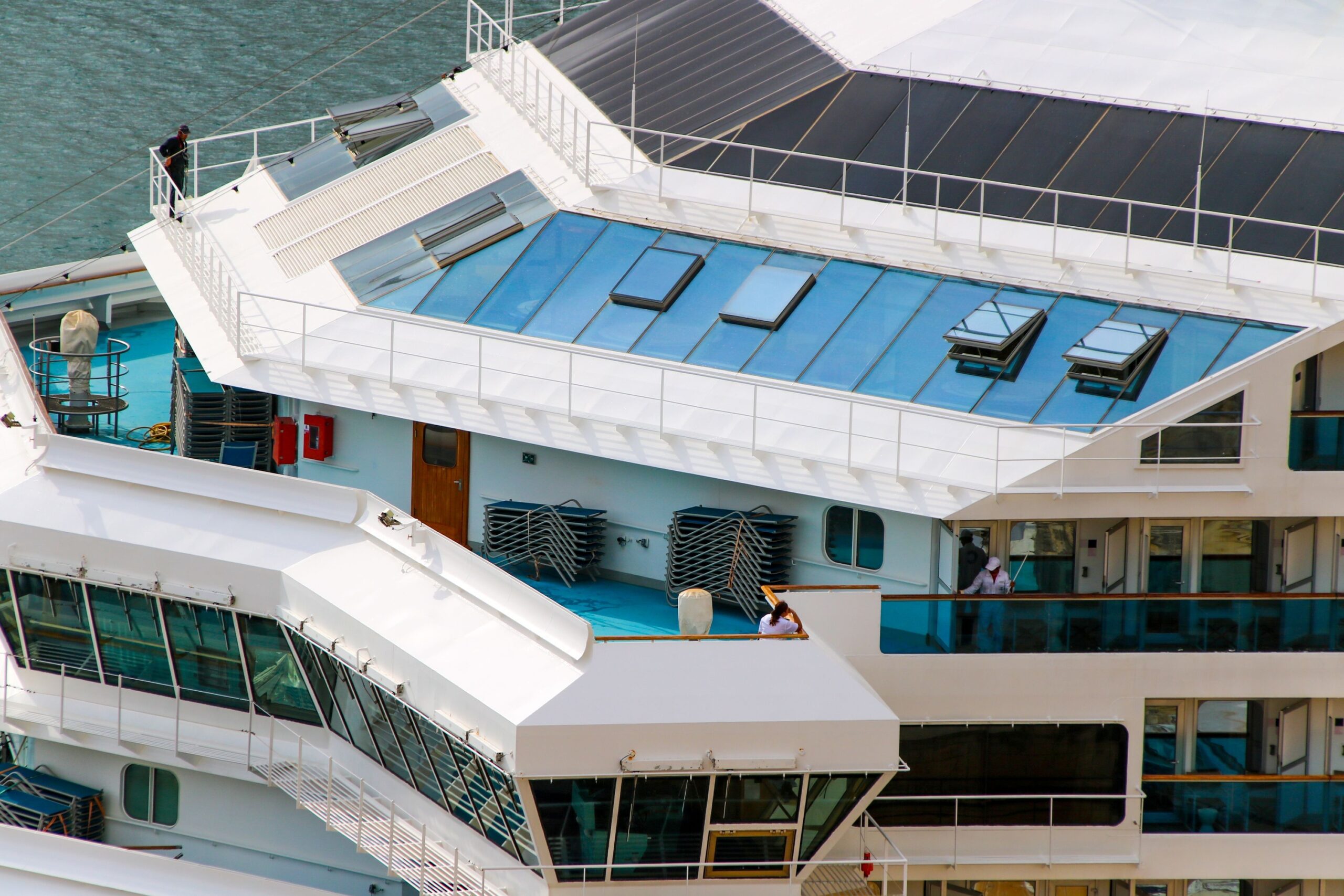
Somewhere between the Caribbean and the Atlantic, with a cocktail within arm’s reach and no tee time anxiety in sight, cruise passengers have quietly become some of the most enthusiastic simulator golfers on the planet. It’s not just a rainy-day diversion anymore. For many, the ship’s golf simulator is a genuine reason to book a
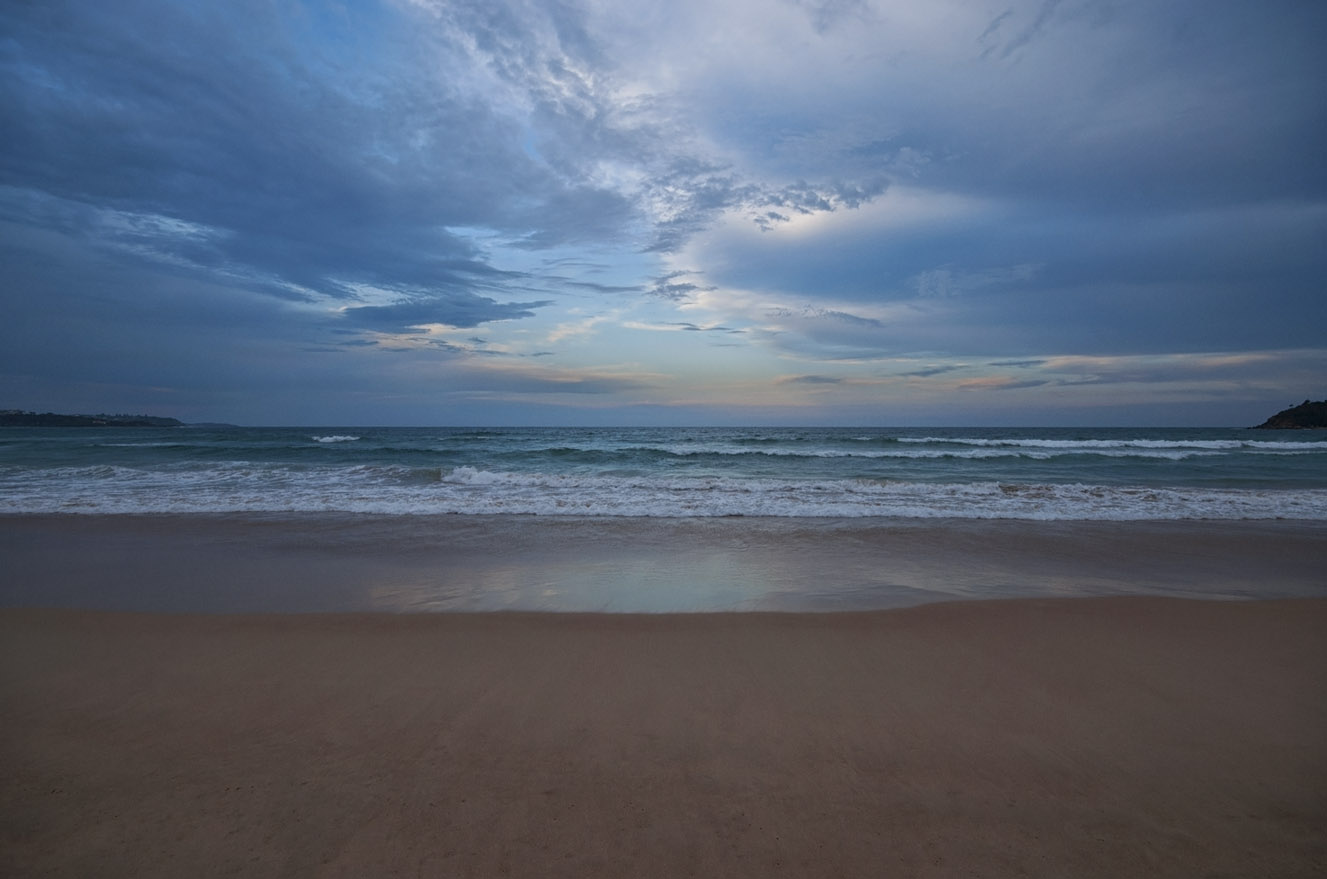
Most travelers book their museum tickets and walking tours the moment they land. Not Pisces. Before the maps come out, before the itinerary kicks in, the Fish needs salt air, the sound of waves, and a patch of sand to sit on. This isn’t laziness – it’s a form of necessary emotional calibration. If you’ve
Most people use the word “galley” without thinking twice about where it came from. It rolls off the tongue easily, whether you’re aboard a naval frigate, a charter yacht in the Caribbean, or a commercial airliner somewhere over the Atlantic. The word has become so natural in maritime life that its origins rarely come up.
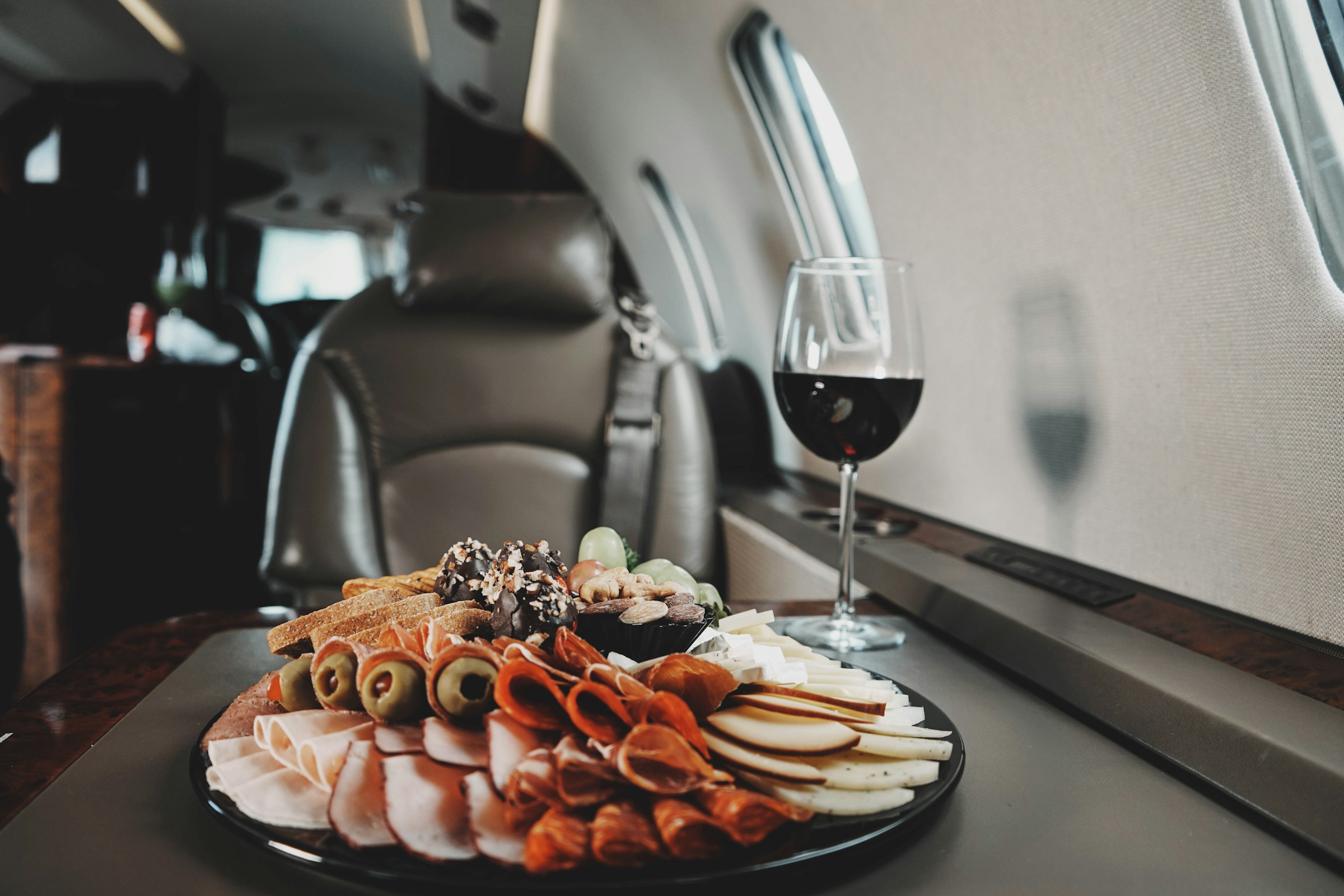
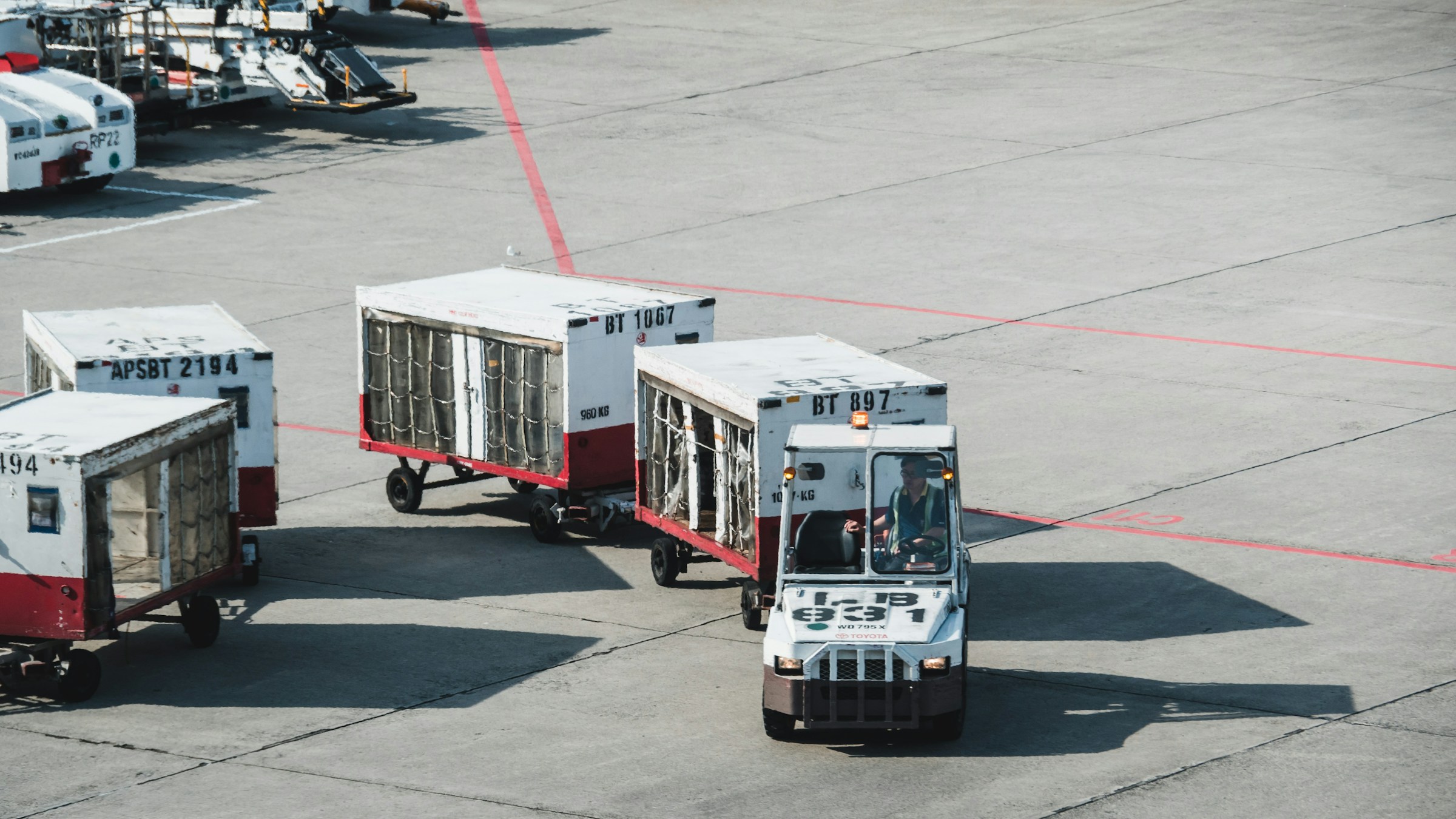
Most passengers settle into their seat, scan the menu card, and assume the drink trolley will just appear when they’re ready. Very few stop to think about the army of people who made that cold can of ginger ale possible before the aircraft even left the gate. Behind every inflight drink service is a world
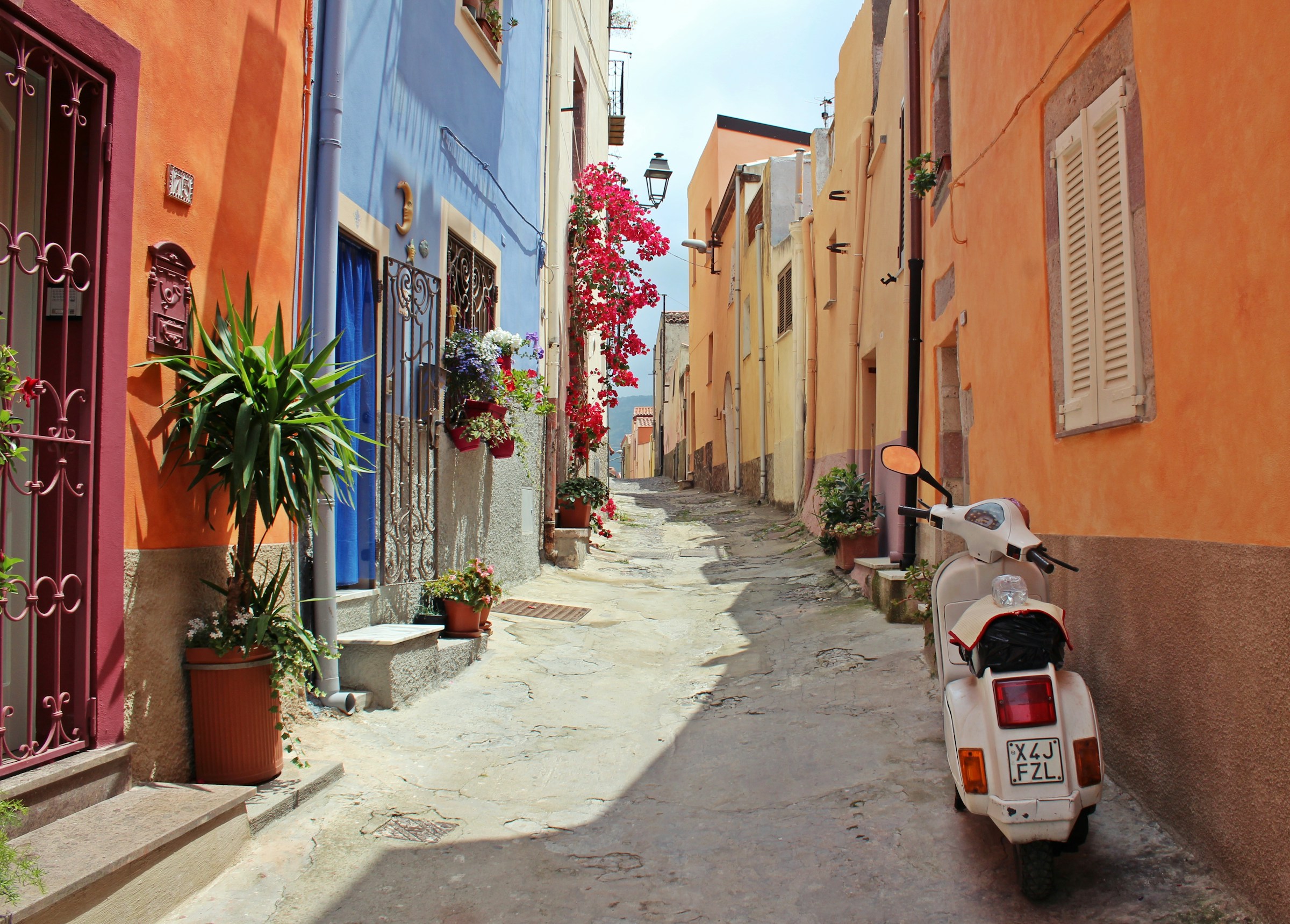
Italy’s coastline has long drawn travelers with its striking blend of natural beauty, historic architecture, and unhurried culture. From the painted villages above the Ligurian Sea to the sun-bleached towns of Puglia, summers here feel timeless. What is changing, though, is how these communities are responding to the pressures of mass tourism. A growing number
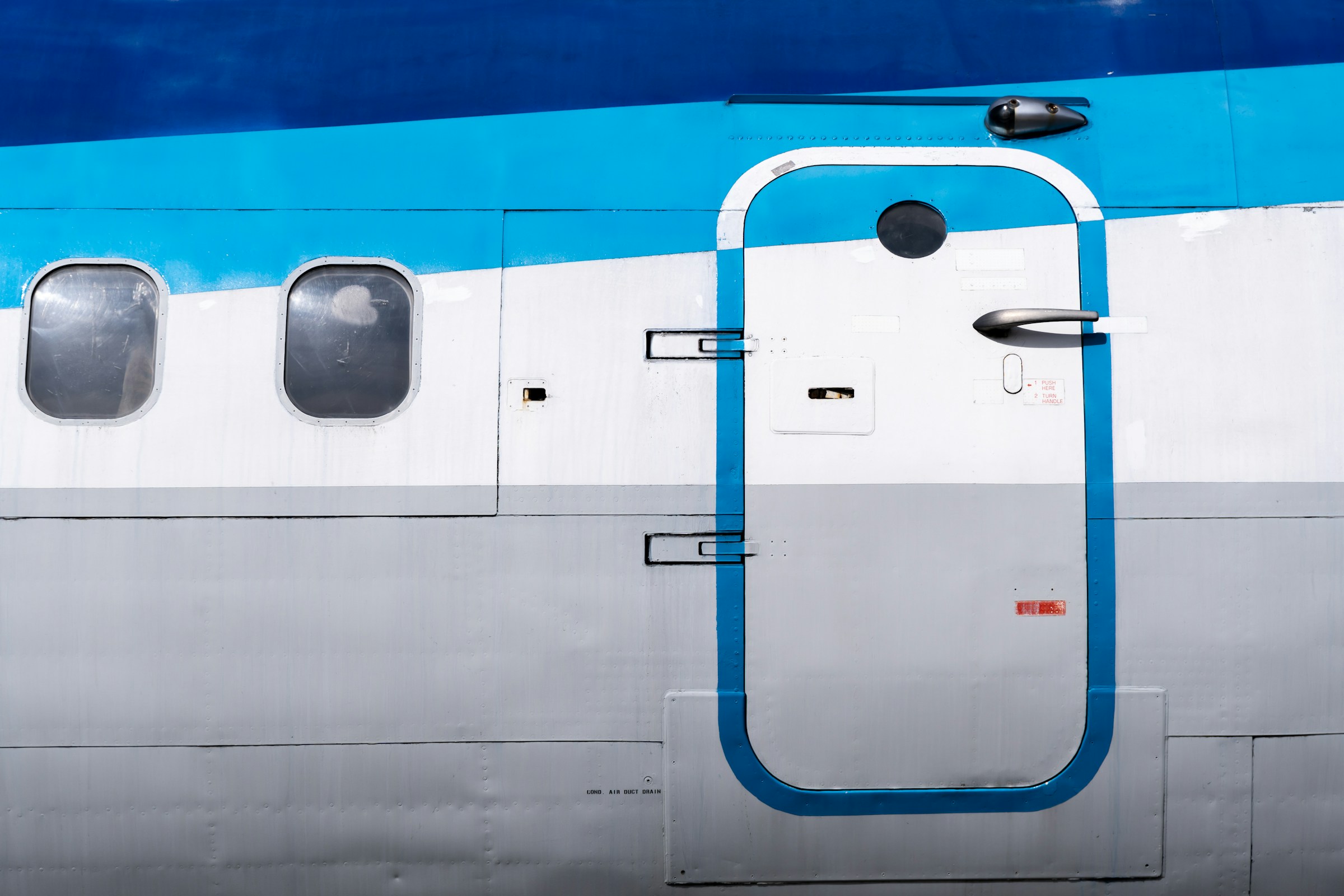
There’s a moment most travelers have experienced: you’re somewhere over the Atlantic, the cabin feels stuffy, and your eye drifts toward the emergency exit door. The thought flickers briefly. Could someone actually open that? The honest answer is no, at least not at cruising altitude, and the reasons behind that impossibility are surprisingly fascinating. Physics,
Every traveler has been there: you land, you pull out your phone, and by the time you’ve checked Google Maps twice and sent a few messages, your carrier has already started billing you at rates you’d never agreed to in full daylight. Roaming charges are one of those travel costs that sneak up quietly and
Walk onto any narrow-body jet today and something is noticeably different from a decade ago. The overhead bins are taller, deeper, and engineered with a kind of quiet precision that older cabins simply didn’t have. Passengers mostly notice when they can slide a full-size roller bag in without a fight. What they rarely see is
There was a brief window in aviation history when the most elegant way to cross an ocean was not by ship or plane, but by a slowly gliding silver giant floating in the sky. For roughly a decade between the late 1920s and 1937, transatlantic air travel meant climbing aboard a hydrogen-filled airship and drifting
Most cruisers board a ship with the same priorities: find the cabin, grab lunch, explore the pool deck. The thermal suite barely makes the list on day one. That’s precisely the mistake that spa veterans, longtime cruisers, and the attendants who work these spaces consistently point to as the single most avoidable regret of a