Leah is driven by learning and adventure. She has studied Journalism, Early Human Development, and Culinary Arts. When she’s not writing she can be found reading or hiking the Southwest.
Nashville moves fast. The honky-tonks on Broadway, the construction cranes, the weekend bachelorette convoys rolling through Midtown – it all adds up. So it makes sense that, come Friday afternoon, a steady stream of Nashvillians points their cars northwest toward a town most tourists never bother to find. Sitting on the banks of the Cumberland
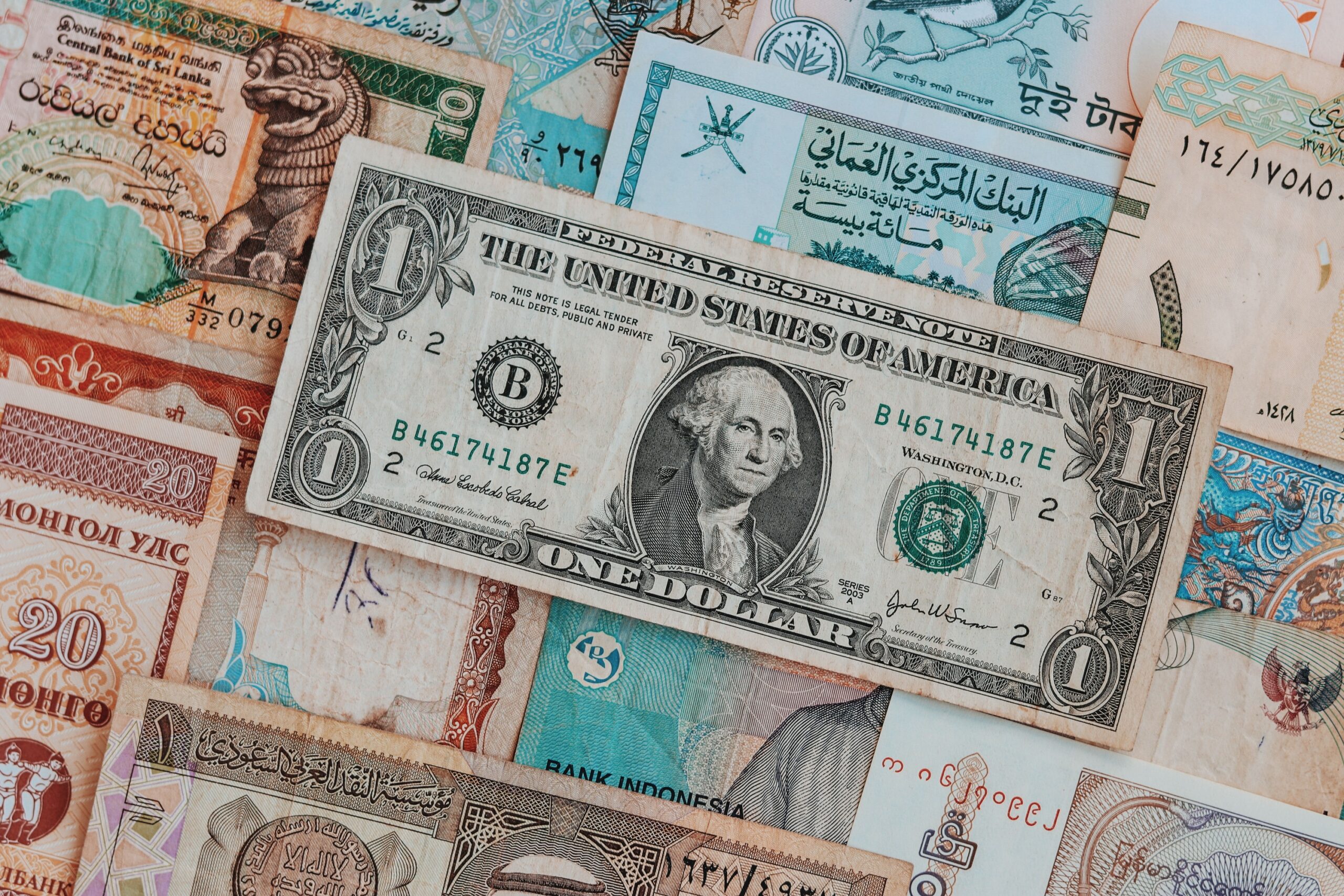
Most people spend weeks planning a trip, hunting for cheaper flights, comparing hotel prices, and clipping digital coupons. Then they land at the airport, rush to the currency exchange kiosk, and quietly hand over a significant chunk of everything they just saved. It happens constantly, and the loss is almost never visible on a receipt.
Something has quietly shifted in how companies think about employee benefits. The designated “work from anywhere” week – a structured period where employees can operate from a different city, another country, or simply wherever they feel most alive – has moved from a niche tech-company experiment to a serious retention and recruitment tool. It’s no
Solo travel has moved well beyond a niche lifestyle choice. Recent surveys show nearly sixty percent of travelers are planning at least one solo trip in 2024, a figure that reflects a genuine and growing appetite for independent exploration. About three-quarters of solo adventurers cite self-discovery, mental well-being, and schedule freedom as top motivations. For
City travel with kids is one of the great joys of family life. The noise, the color, the unexpected detours into bakeries and courtyards and market squares. Most trips go beautifully. Some don’t, and when they don’t, what saves the day is rarely luck. It’s preparation. One of the simplest and most overlooked pieces of
It starts the same way every time. You’re at the checkpoint, running fine on time, and suddenly the conveyor belt stops. Someone a few spots ahead is pulling item after item from their bag while a line of increasingly impatient travelers stacks up behind them. Most of the time, nobody packed anything dangerous. They just
There’s a ritual that plays out at almost every gate, on almost every flight, every single day. The boarding call hasn’t been made. The zone hasn’t been announced. Yet dozens of passengers have already abandoned their seats, drifted toward the jetway door, and formed a shapeless, shuffling mass – blocking the corridor for everyone else.
Image credits: Pexels There’s a particular moment most travelers know but rarely discuss: the one where the novelty of a new place tips into something heavier. The streets are unfamiliar, the sounds don’t make sense yet, and the simple act of buying groceries feels like solving a puzzle in another dimension. It’s normal, it’s temporary,
There’s a certain kind of chaos that descends on a household the night before a family trip. Someone can’t find their passport. Someone else forgot to tell you they outgrew their only pair of walking shoes. The excitement is real, but so is the frantic energy. What separates the families who board their flight feeling
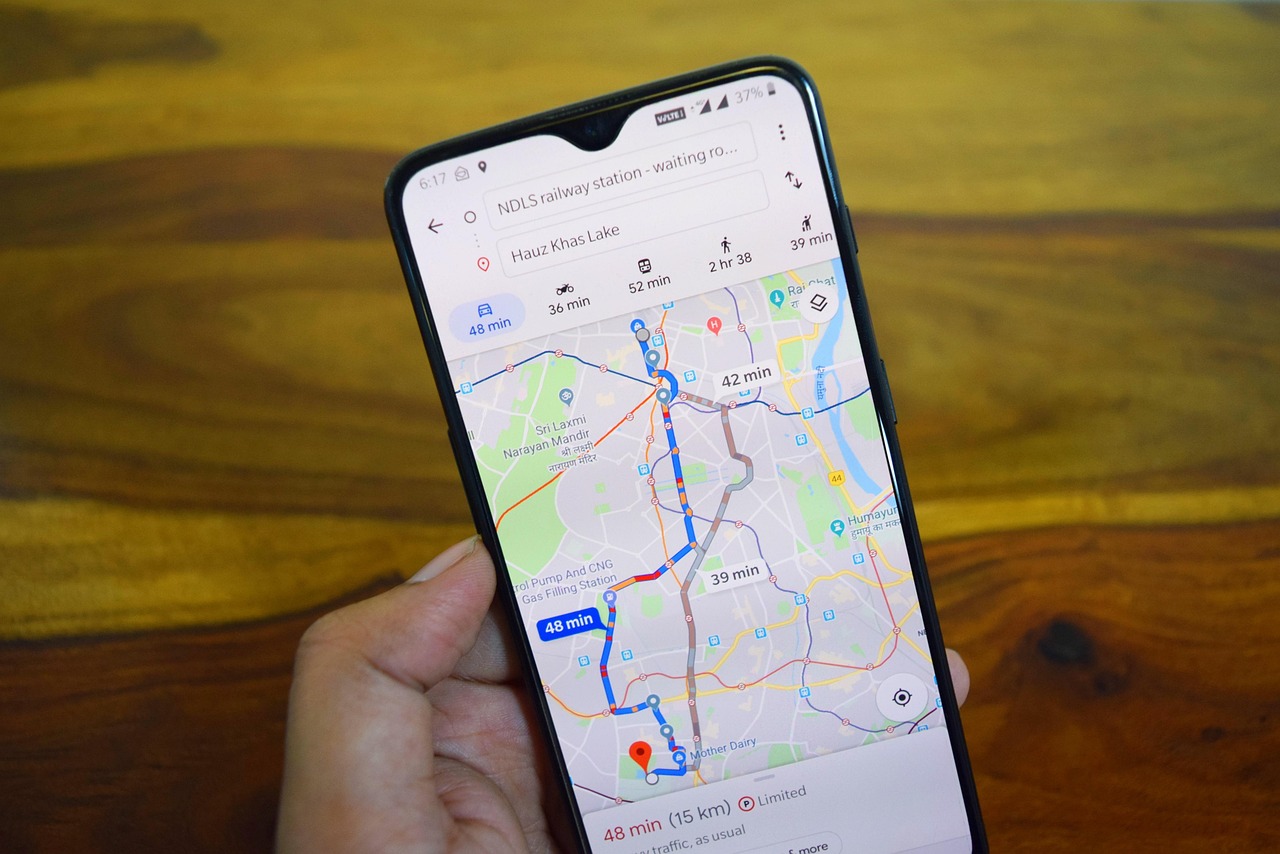
Packing your bag is only half the preparation. The other half lives on your phone. Travel has shifted dramatically in recent years, and the apps that once felt optional have quietly become essential infrastructure for getting around, staying safe, and making the most of wherever you land. A study by Going found that more than
Most travelers buy a policy, tuck the confirmation email away, and assume they’re covered. That assumption feels reasonable until it isn’t. The fine print on a travel insurance policy can run dozens of pages, and the gaps between what you expect and what’s actually protected are often where the real financial risk lives. The travel
Every year, millions of people step onto trails around the world hoping for a glimpse of wild nature. Most of them return home with stories of beauty. A small number return with something far more alarming. The difference, in a surprising number of cases, comes down to a single consistent habit: making noise. Not aggressively,