Kolar sits roughly 65 kilometers east of Bangalore, a compact town whose layered past continues to shape its present identity. For more than a century its gold fields operated continuously, generating regional wealth long after the mines closed. Centuries earlier the same location served as the seat of power for the West Ganga dynasty, then
High in Panama’s central mountains, Boquete occupies a valley shaped by volcanic soil and frequent mist. The town serves as a gateway to landscapes where coffee plantations share space with cloud forests and rushing streams. Travelers who arrive here often find themselves drawn into a slower rhythm defined by early morning walks and the scent
A new AP-NORC poll finds that a larger share of Americans now report extreme heat influencing their travel decisions than was the case two years earlier. The shift appears across multiple aspects of daily life, yet the data on travel behavior stands out for its direct relevance to how people schedule and shape their trips.
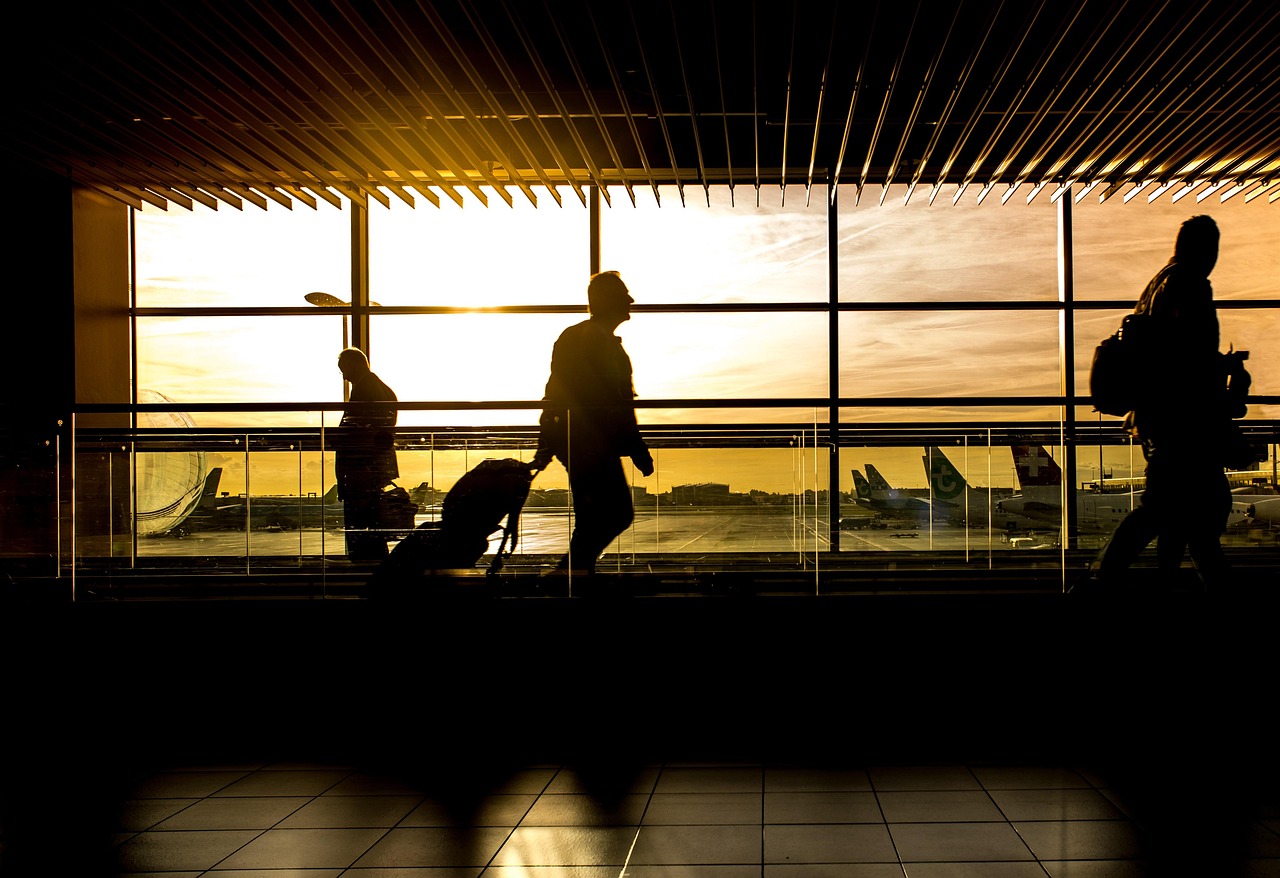
There’s a particular kind of calm that surrounds certain travelers at airports, train stations, and busy crossroads. They move without urgency, adapt without drama, and seem to carry far less baggage than everyone else – in every sense. That quality isn’t luck, and it isn’t personality. It’s the product of accumulated habit. The single habit
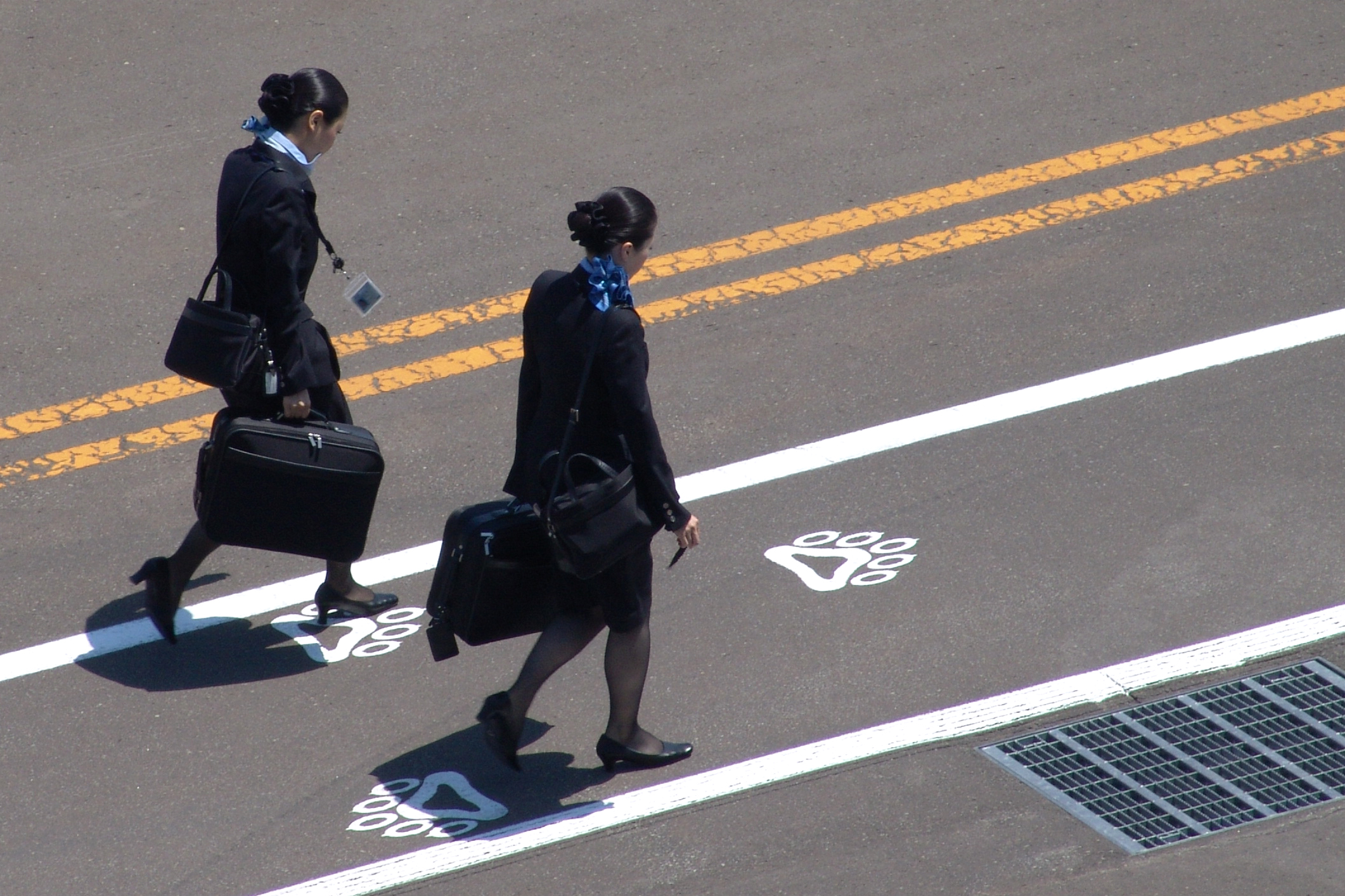
Most passengers board a flight the same way: head down, phone out, earbuds in. They shuffle to their seat, buckle up, and essentially vanish into the crowd of a few hundred people sharing the same pressurized tube for the next several hours. That’s fine, of course. Nobody owes the crew a performance. Still, there’s something
Something significant is shifting in how people understand rest. A short holiday or a spa weekend used to be the standard prescription for exhaustion, but increasingly, people are returning from those trips still tired, still wired, still unable to switch off. Burnout doesn’t dissolve with a cocktail by the pool. It runs deeper than that.
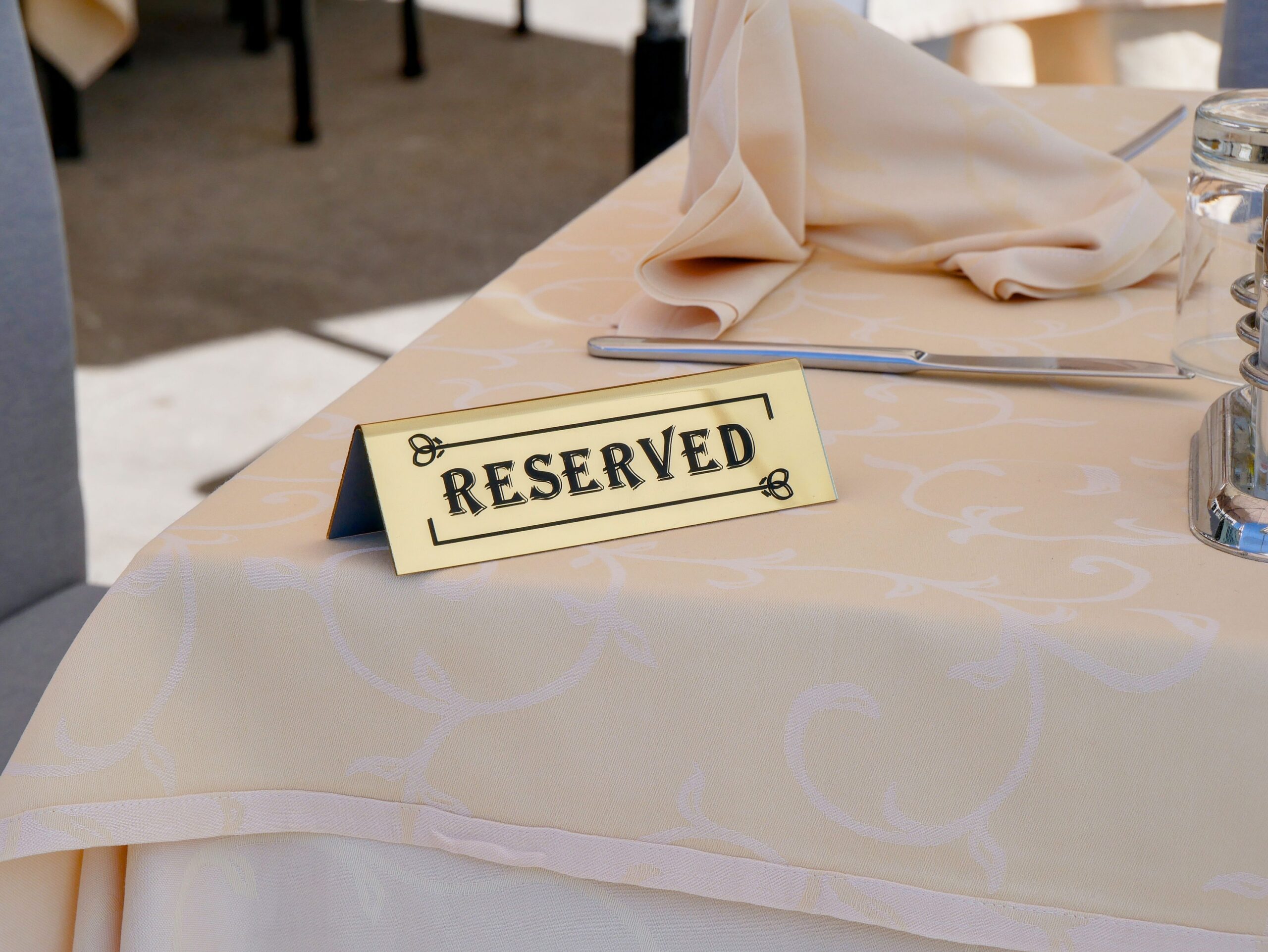
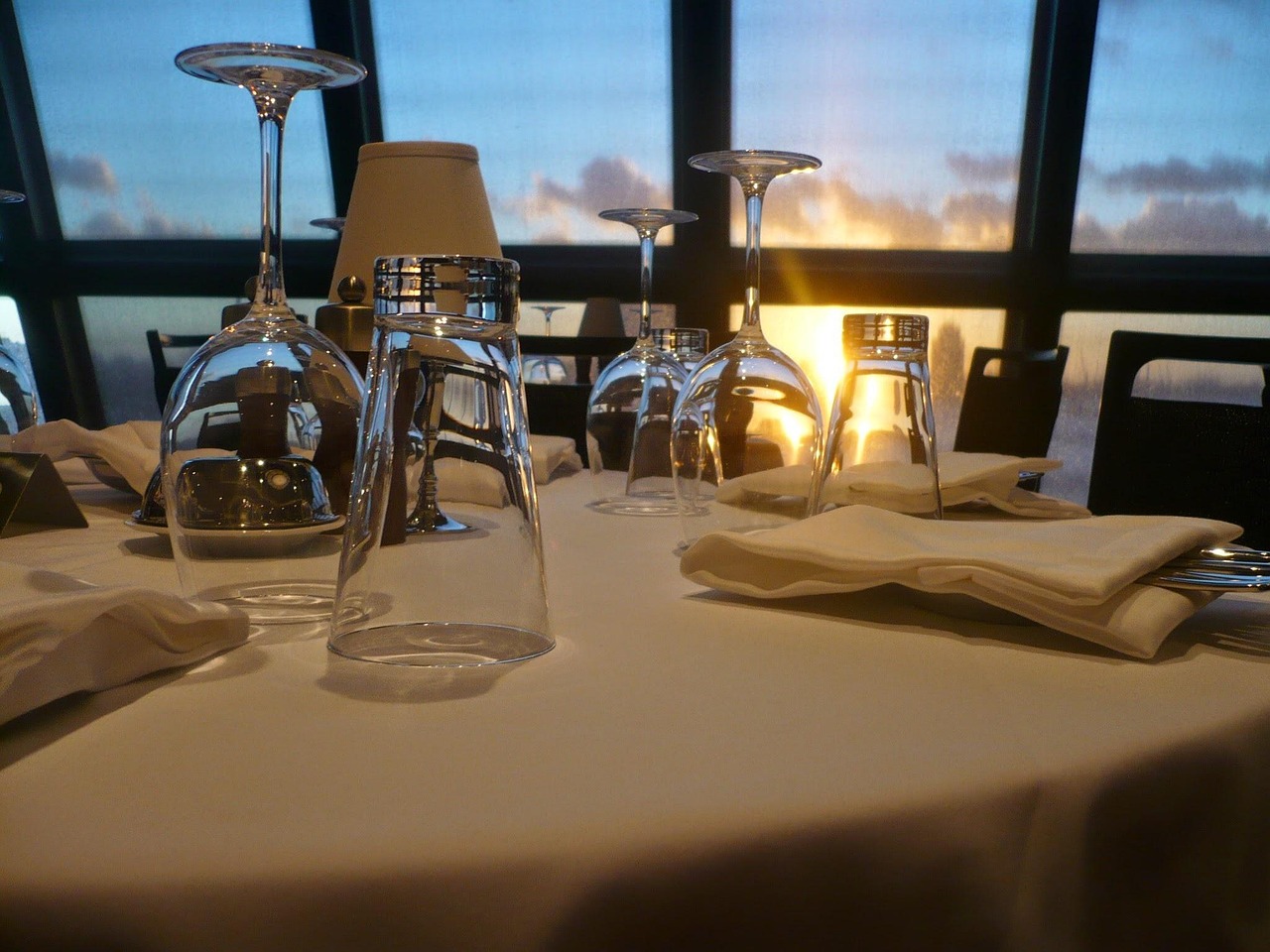
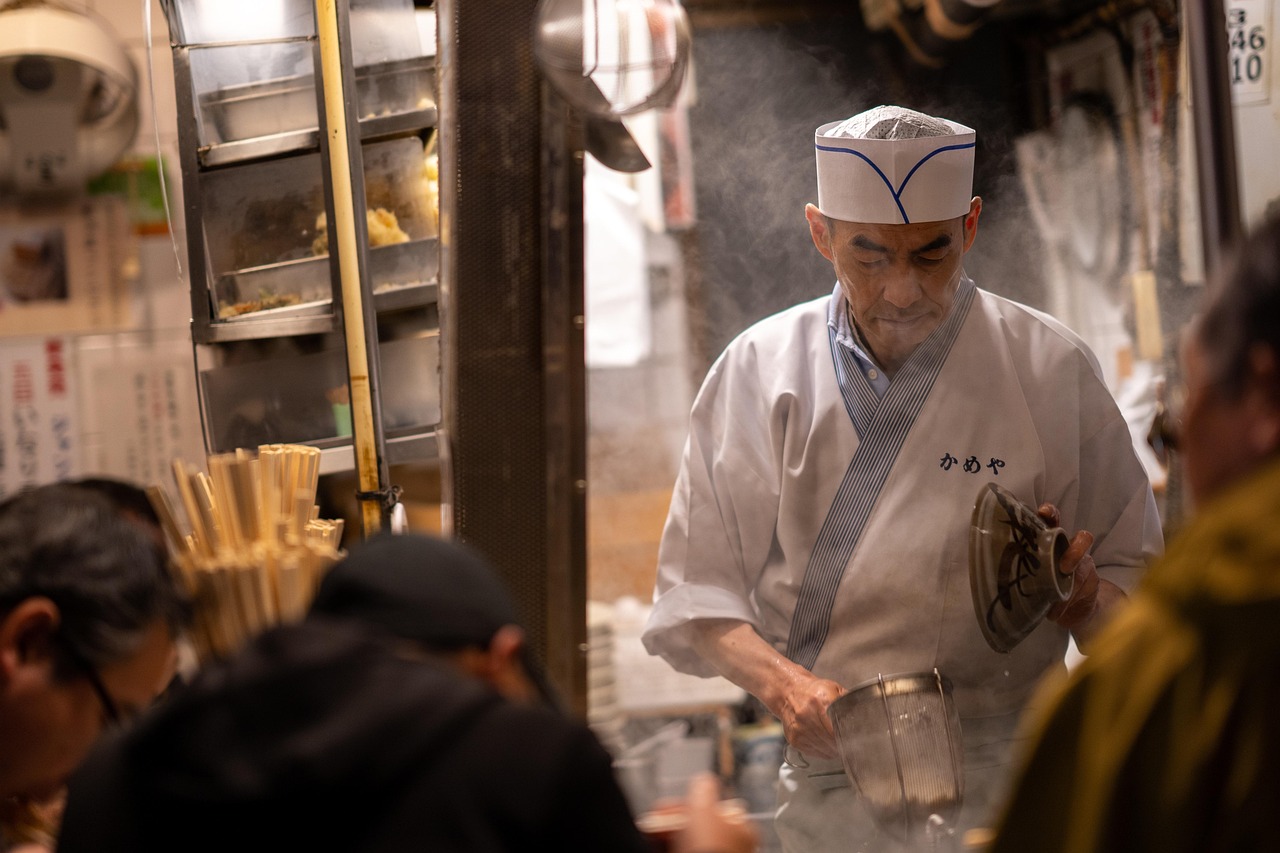
There’s a small but meaningful gap between the table near the kitchen pass-through and the one by the window with a view of the whole room. Most diners never close that gap, not because it’s impossible, but because they never ask the right question. The people who consistently land in the best seat in the
Cruise ship drink packages have become one of the most hotly debated add-ons in travel. Every seasoned cruiser has an opinion, and so does every bartender who has watched thousands of guests struggle with the math while staring at a cocktail menu. The honest answer is that the right package depends almost entirely on how
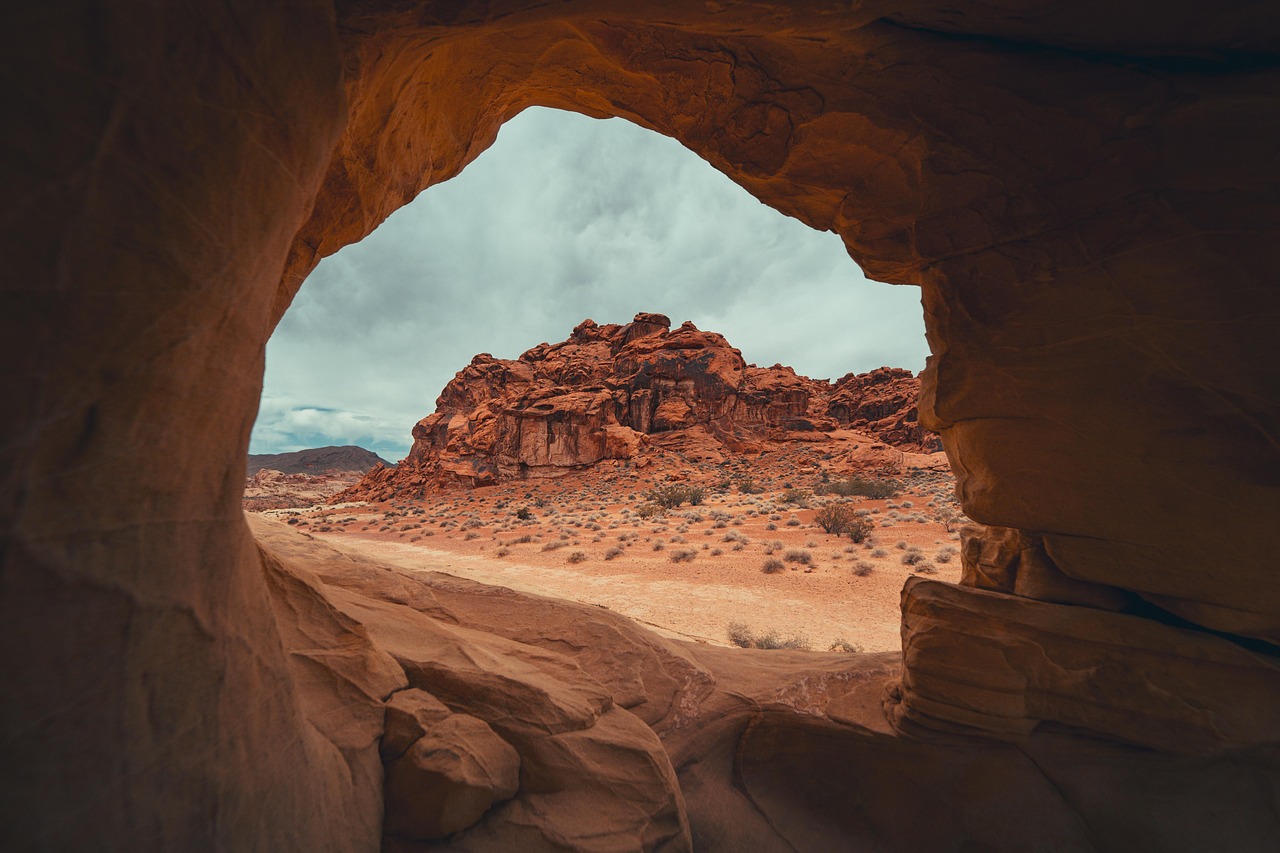
Most people think of America’s wild landscapes as something you look out at from a mountain peak or across a canyon rim. What hides underneath the surface is a different story entirely. The country’s cave systems rank among the most extraordinary natural spaces on Earth, full of ancient formations, total darkness, and a strange, suspended
Most travelers assume that leaving extra money on the table is a universal gesture of kindness. It feels intuitive, generous, almost automatic, especially if you’ve spent years dining out in North America where tipping is practically hardwired into the experience. What very few people realize, until the moment a server comes running after them down
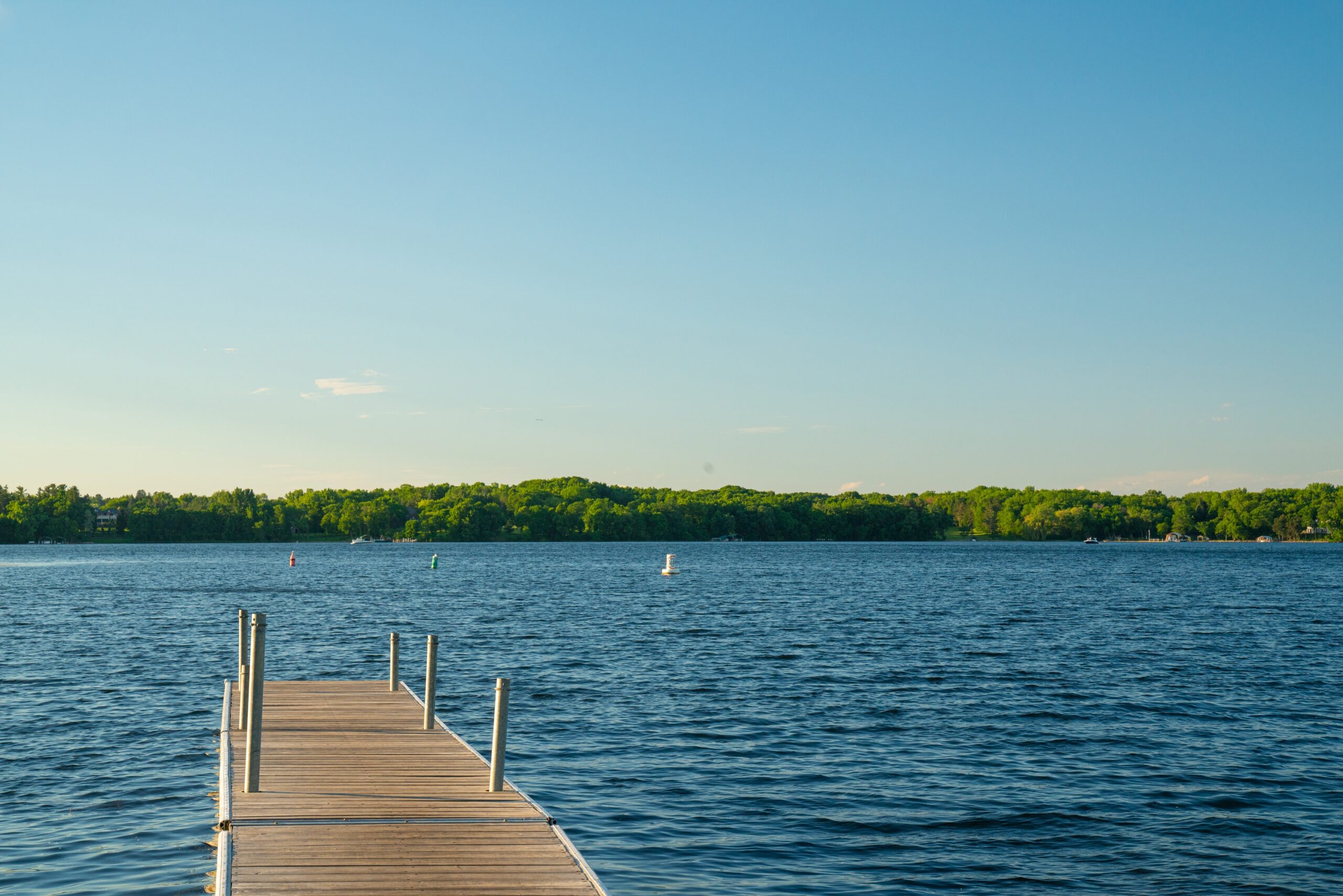
There’s a particular pull that draws Minneapolis residents back to the same shoreline, summer after summer. It’s not one big dramatic reason. It’s an accumulation of small, real things: the smell of sunscreen on a dock, the ease of being twenty miles from home and yet completely away from it. That place, for a great
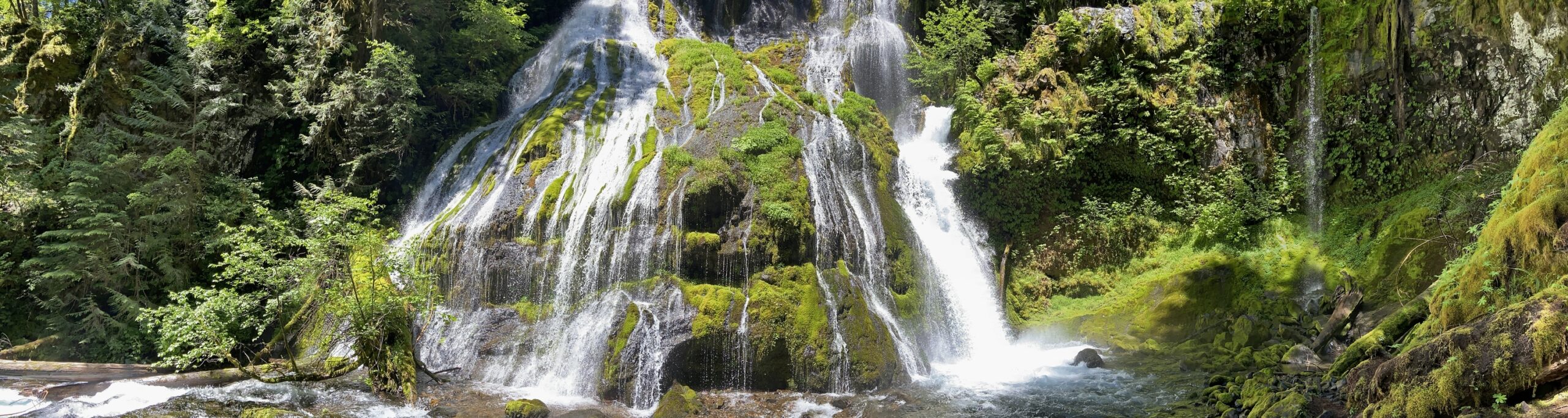
North Georgia has long held its natural treasures close. Tucked inside the Chattahoochee-Oconee National Forest, a network of gorges, creeks, and plunge pools has quietly served locals for generations, largely undiscovered by the wider traveling public. That’s been changing steadily, and in recent summers, one waterfall destination in particular has moved from word-of-mouth secret to