Julie Hambleton has a BSc in Food and Nutrition from the Western University, Canada, is a former certified personal trainer and a competitive runner.
Julie loves food, culture, and health, and enjoys sharing her knowledge to help others make positive changes and live healthier lives.
There’s a particular kind of disorientation that happens when a sound catches you completely off guard. You’re standing in a grocery store, or sitting at your desk, and suddenly the distant crash of waves or the hum of a foreign language on a nearby radio pulls you somewhere else entirely. For a moment, you’re not
Most of us have been there. You pack a small bag, book a hotel for two nights, and tell yourself you’ll be home by Sunday evening. Then Sunday arrives, and somehow you’ve made dinner reservations for Tuesday, found a hiking trail that “you absolutely can’t miss,” and the return flight is three time zones away
Breakfast tells you more about a place than almost any other meal. It’s unguarded, unhurried, often eaten at home or at a corner cart before the day fully takes hold. Nobody is performing for tourists at 7 a.m. They’re just eating what they’ve always eaten, the way their parents did before them. A 2025 report
There’s a certain kind of travel that resists planning. No spreadsheet of museum hours. No color-coded hotel confirmations. Just a place so rich, so layered, and so naturally generous that showing up is genuinely enough. These destinations don’t reward the obsessive scheduler. They reward the curious, the patient, and the quietly adventurous. According to a
There’s a certain kind of traveler you’ve probably noticed at the airport. No checked bag receipt, no trolley cart, no anxious wait at the carousel. Just one well-packed bag, slung over a shoulder, and a confident stride straight to the exit. That traveler is part of a movement that’s been quietly gaining momentum for years
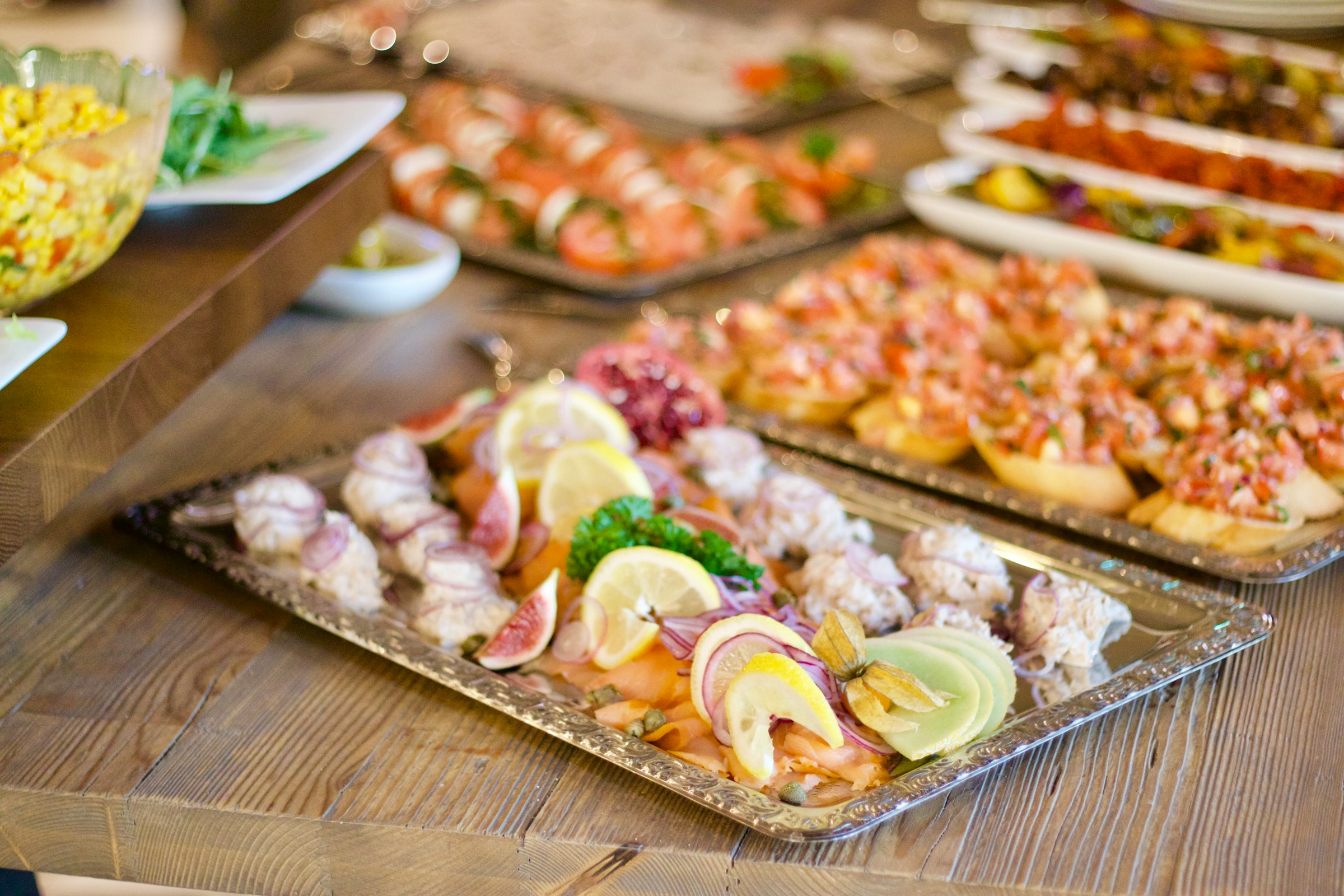
There’s a particular kind of optimism that takes hold the moment a traveler spots a buffet sign. The math seems obvious: one flat price, unlimited food, a table full of variety. It feels like the responsible financial choice, especially when you’ve already stretched your trip budget thin. That feeling, it turns out, is precisely what
There’s a feeling most travelers know well. You check in to your hotel on a Monday, spend a few glorious days exploring, and by Thursday it somehow feels like you’ve been away for two weeks. Then Friday arrives and suddenly it’s over, gone in a blink. Both feelings are real, and they happen at the
Anyone who has strapped a two-year-old into a car seat for a three-hour drive knows the particular kind of chaos that can follow. The snacks run out. The window stops being interesting. The questions multiply. Planning ahead with the right games doesn’t just protect your sanity – it can genuinely make the journey something your
You’ve been there. You close the hotel curtains, climb into bed, and somehow a bright orange stripe of city light still carves across the ceiling. The curtains look heavy, they’re marketed as blackout, and yet the room is nowhere near dark. It’s a remarkably consistent problem for a remarkably consistent reason, and there’s a simple
There’s a certain kind of traveler who quietly boards a Tuesday evening flight while everyone else is stuck planning their Friday getaway. They’re not in a rush, they’re not scrambling for a gate, and they almost certainly paid less for their seat. It’s a small act of timing that yields surprisingly large rewards. Traveling midweek,
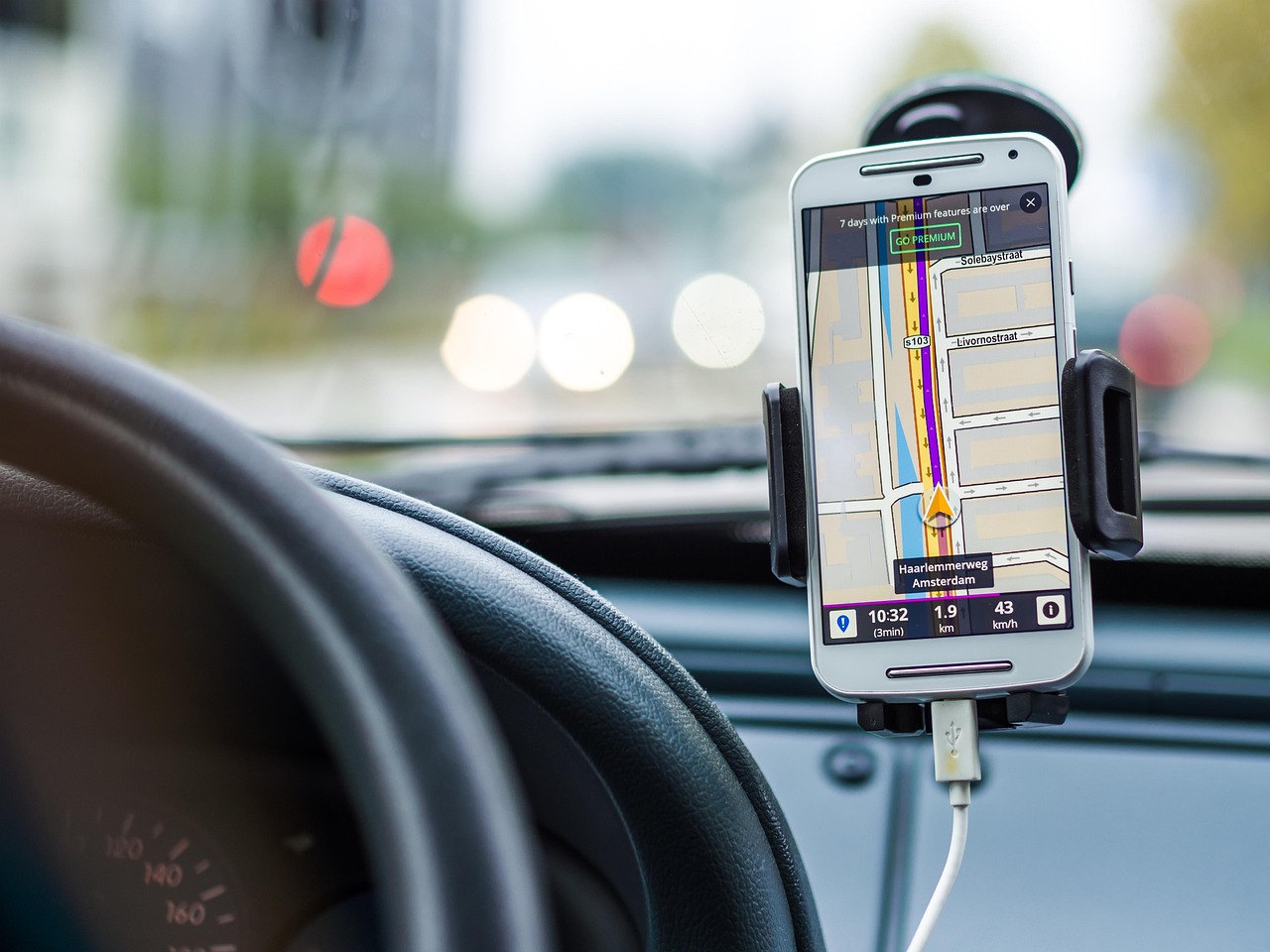
Offline maps have a trust problem. Most people download them before a trip, open the app a day later somewhere remote, and discover the navigation either freezes, reroutes them into a field, or simply refuses to find their location. The maps are there. The GPS is on. Something still feels broken. The culprit is rarely
Most families believe they’re reasonably good at planning vacations. They pick a destination, browse a few deals, and try to stay vaguely “on budget.” The problem is that the approach itself, the very framework most families rely on, is built on assumptions that quietly drain hundreds or even thousands of dollars before the first bag