Julie Hambleton has a BSc in Food and Nutrition from the Western University, Canada, is a former certified personal trainer and a competitive runner.
Julie loves food, culture, and health, and enjoys sharing her knowledge to help others make positive changes and live healthier lives.
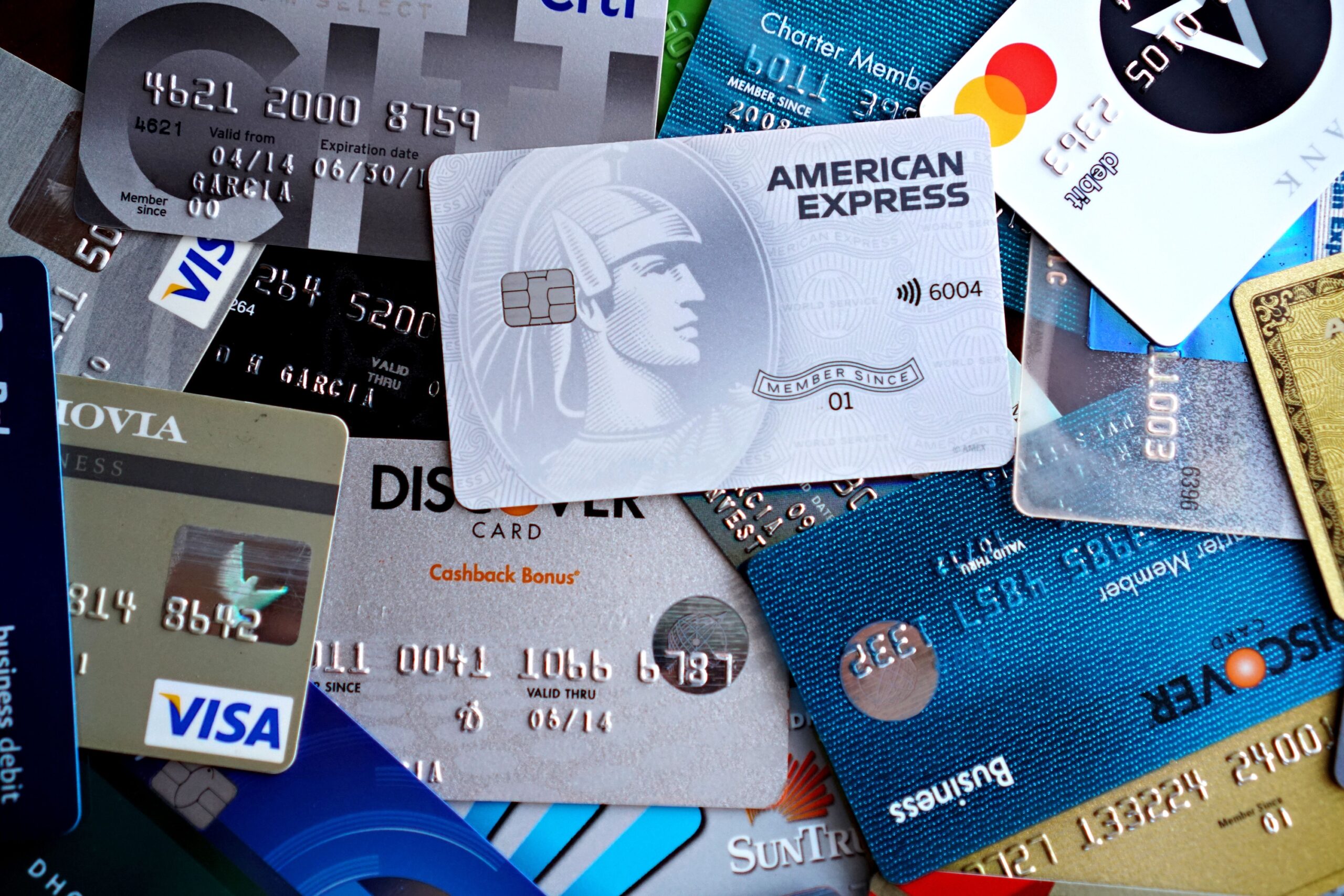
Picture this: you’ve just sat down at a small restaurant in Lisbon, you pay with your credit card, and everything feels seamless. What you don’t notice until you’re home is a quiet surcharge quietly stacked onto every single purchase you made that week. It didn’t require a mistake or a scam. You just used the
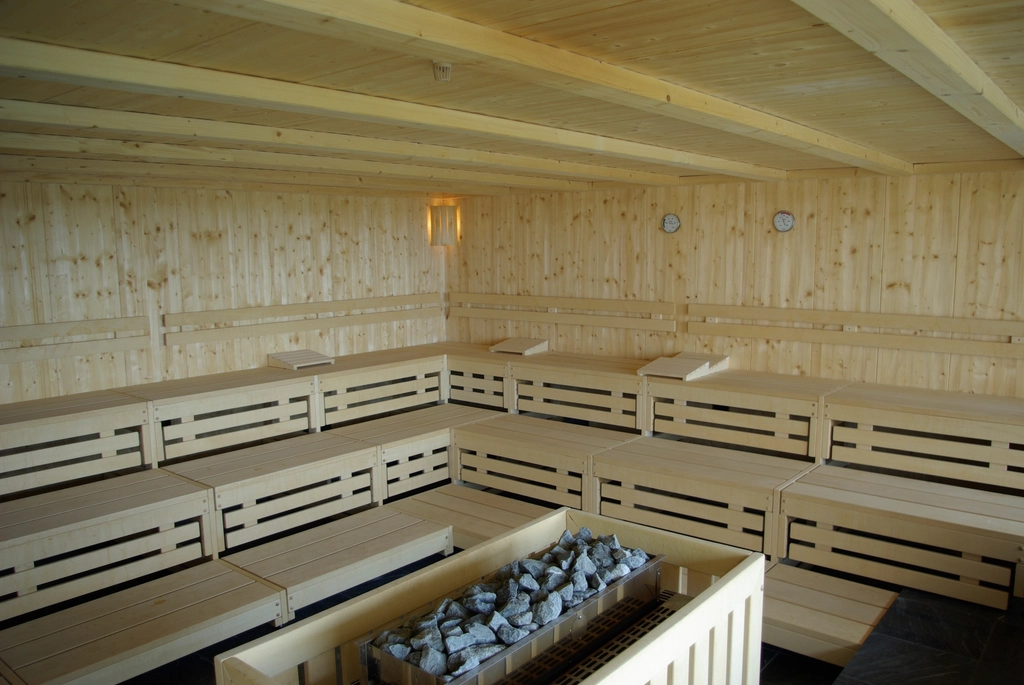
There is something quietly remarkable about a small, wooden, heat-filled room becoming one of the defining symbols of modern wellness travel. What was once a deeply personal ritual, practiced in Finnish lakeside cabins and Scandinavian bathhouses, has now crossed continents and entered the mainstream vocabulary of global travel planning. Travelers are no longer just looking
Most travelers have packed their carry-on with genuine care, zipped it shut feeling confident, and then watched a gate agent wave it aside for a gate-check. It’s a frustrating moment – and it’s becoming more common, not less. Airlines across the board have tightened dimensional enforcement in the past two years, and the financial stakes
Long before cold plunges became content and breath work got a brand, people were stepping into small, wood-heated rooms and sweating deliberately. The ritual was unhurried. The fire took time to build, the stones took time to heat, and the whole point was that nothing happened quickly. What we loosely call “the sauna” today is,
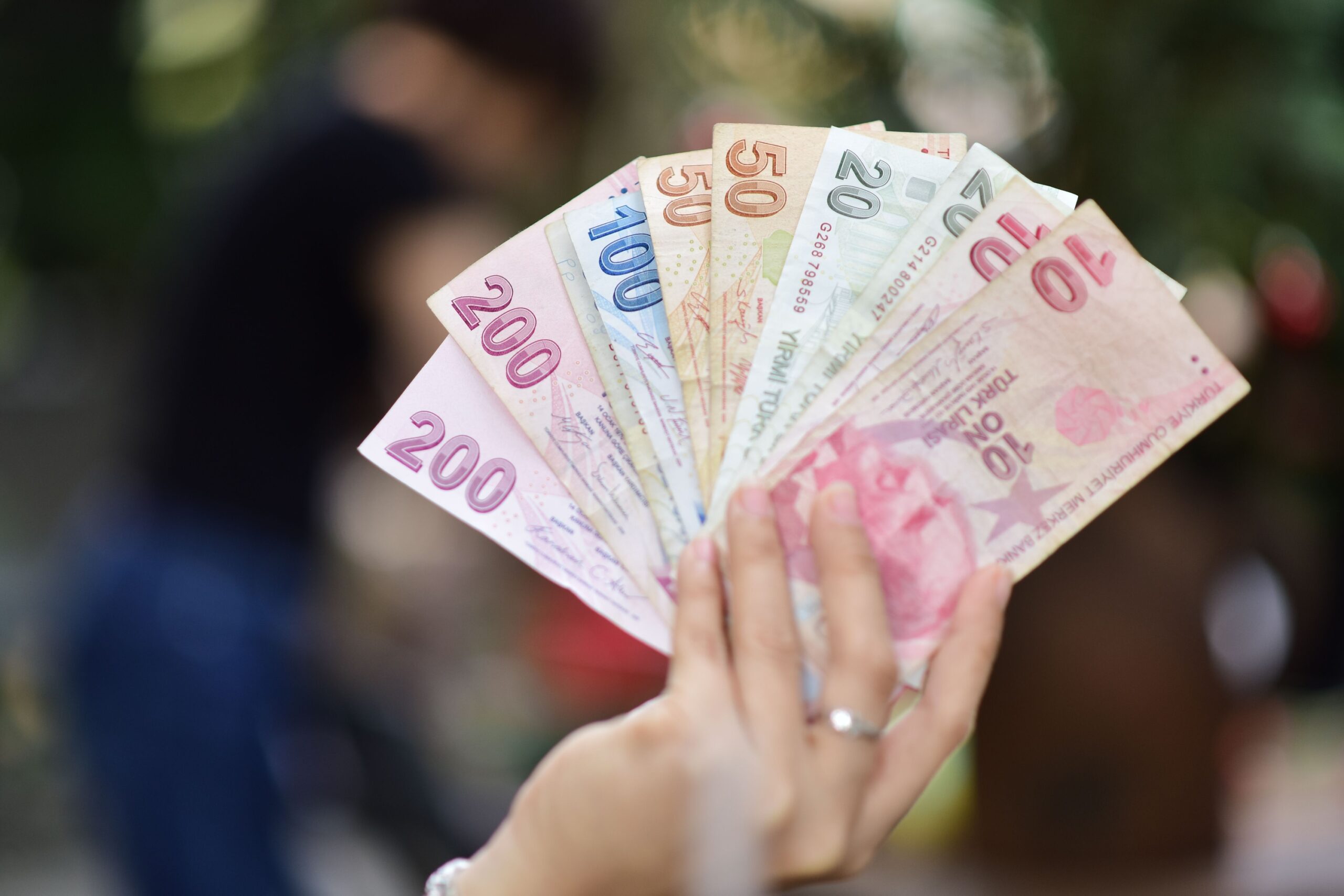
There’s a quiet tax that millions of international travelers pay every year without realizing it. It isn’t a government levy or a hidden airline surcharge. It’s the habit of walking up to a currency exchange kiosk at the airport and handing over cash, trusting that the transaction is fair. It rarely is. The cost of
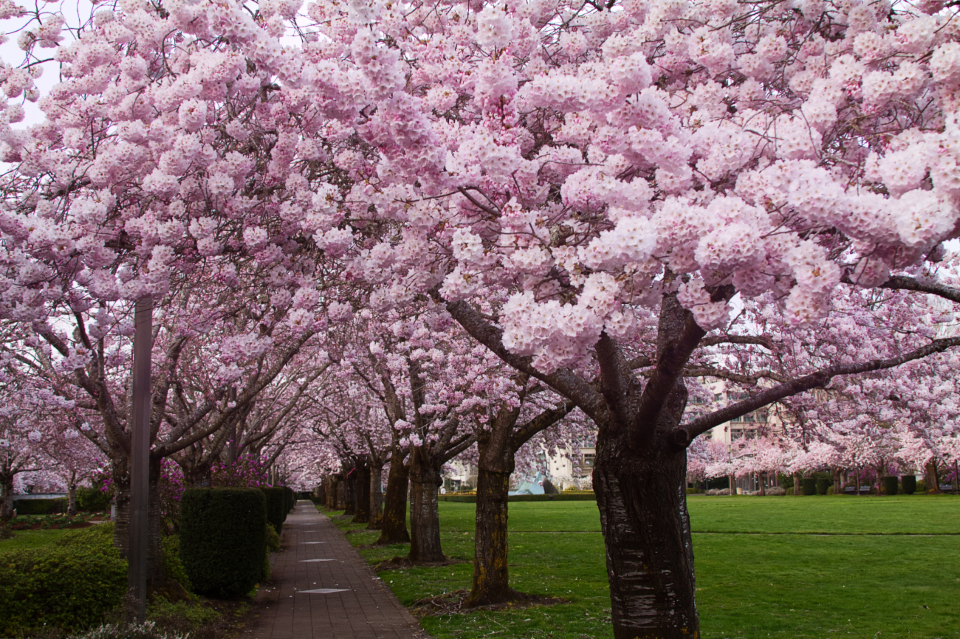
Most destinations change gradually with the calendar. Colors shift, temperatures ease up or down, and the light comes and goes. These five places are different. In each of them, one specific season doesn’t just arrive, it rewrites the landscape almost entirely, turning something familiar into something almost unrecognizable. The transformation is measurable, documented, and –
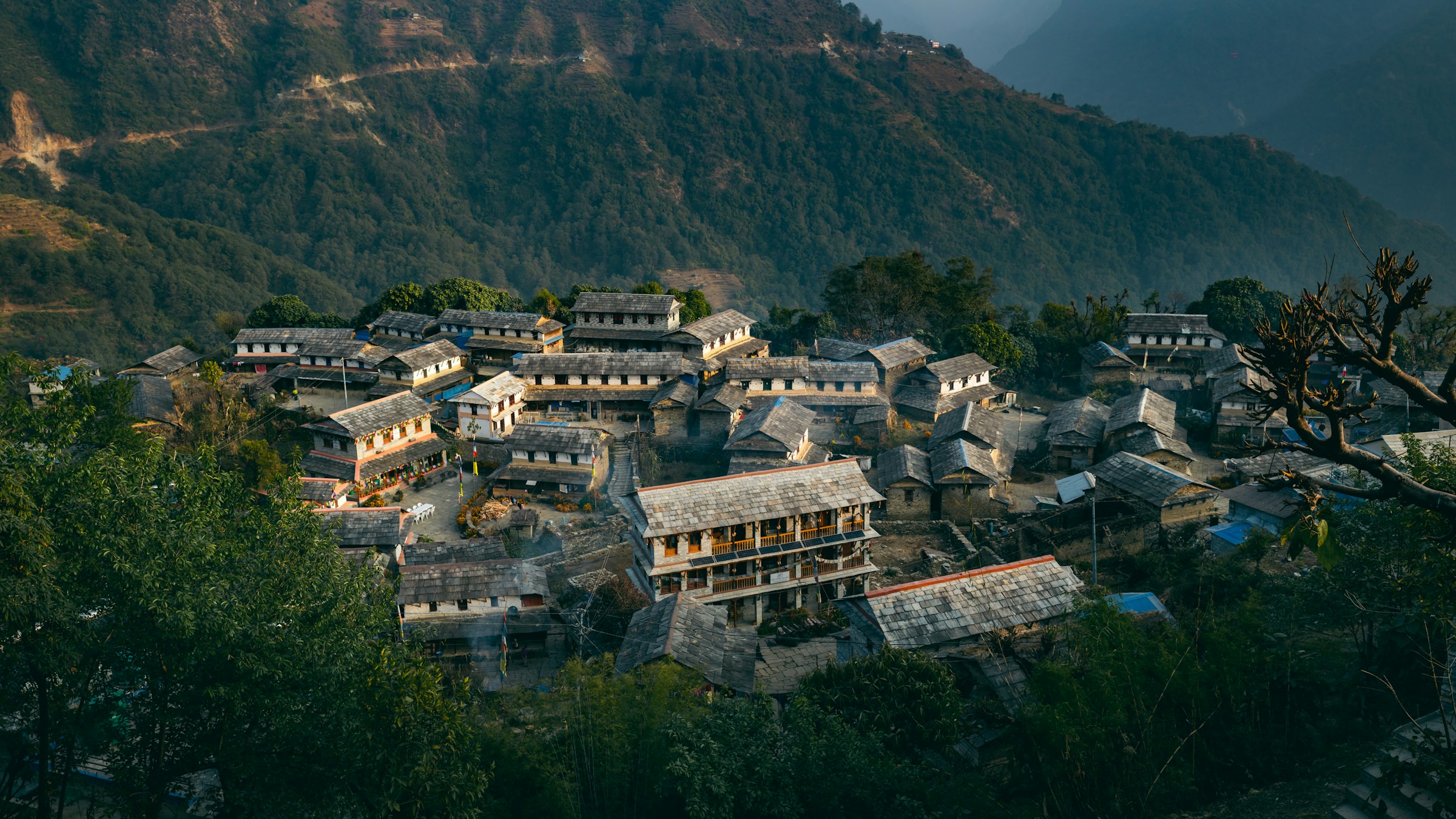
There’s something quietly remarkable happening in rural communities around the world. Visitors who once drove straight through small towns are now stopping, pulling open heavy wooden doors, and sitting down with archivists to page through centuries-old baptismal records, land deeds, and hand-drawn maps. The places drawing them in aren’t grand museums or famous ruins. They’re
There’s something quietly radical about a traveler who books a flight not for a beach or a monument, but for a pottery wheel, a chef’s kitchen, or a painter’s easel. The idea that a vacation could revolve entirely around deepening a personal passion has moved well beyond niche status. It’s now reshaping how millions of
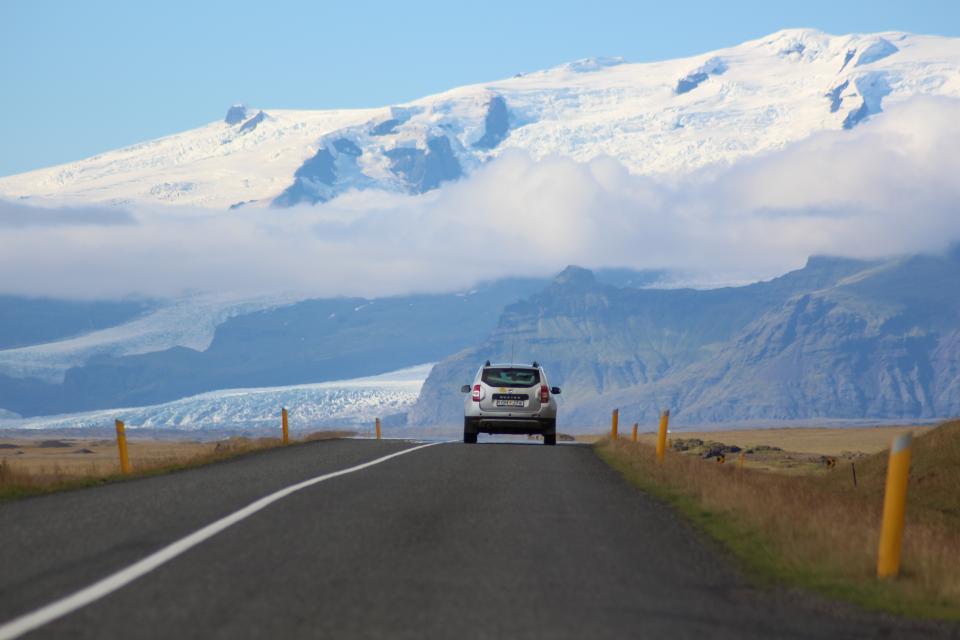
Road trips are back, in a big way. Recent data shows that nearly twice as many travelers chose to drive instead of fly in 2024, with road trips accounting for roughly two in five travel choices. That is a meaningful shift, and it reflects something real: the appeal of setting your own pace, pulling off
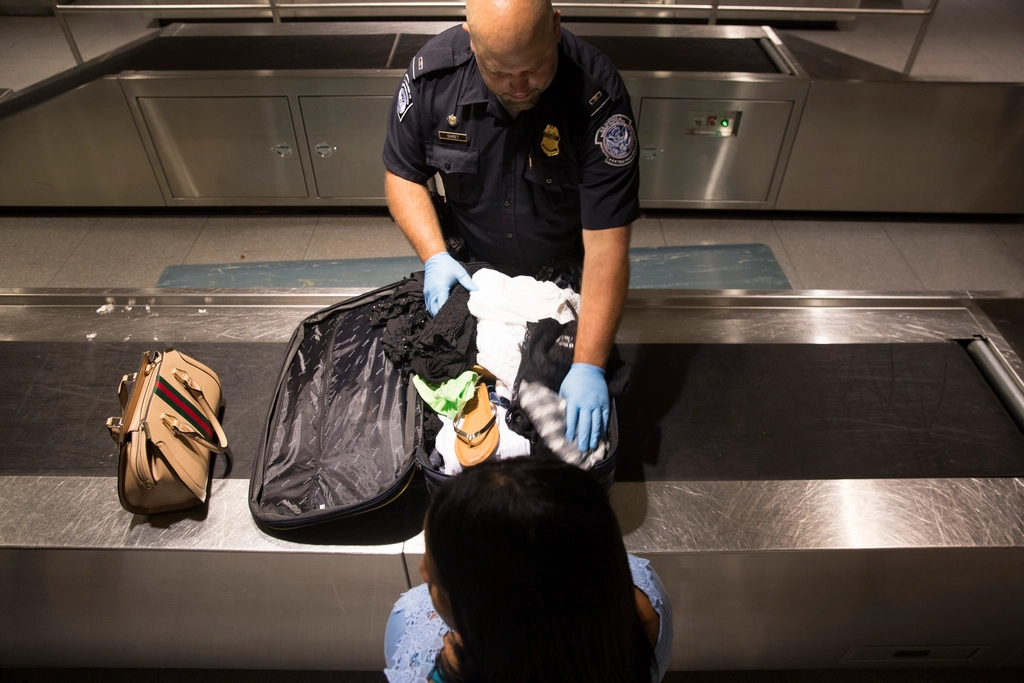
There’s a particular kind of freeze that happens at airport security. Someone steps up to the checkpoint and only then starts thinking about what they need to do. Belt comes off slowly, shoes follow, a jacket gets bunched into a bin, and the whole line behind them quietly exhales. That freeze is almost universally a
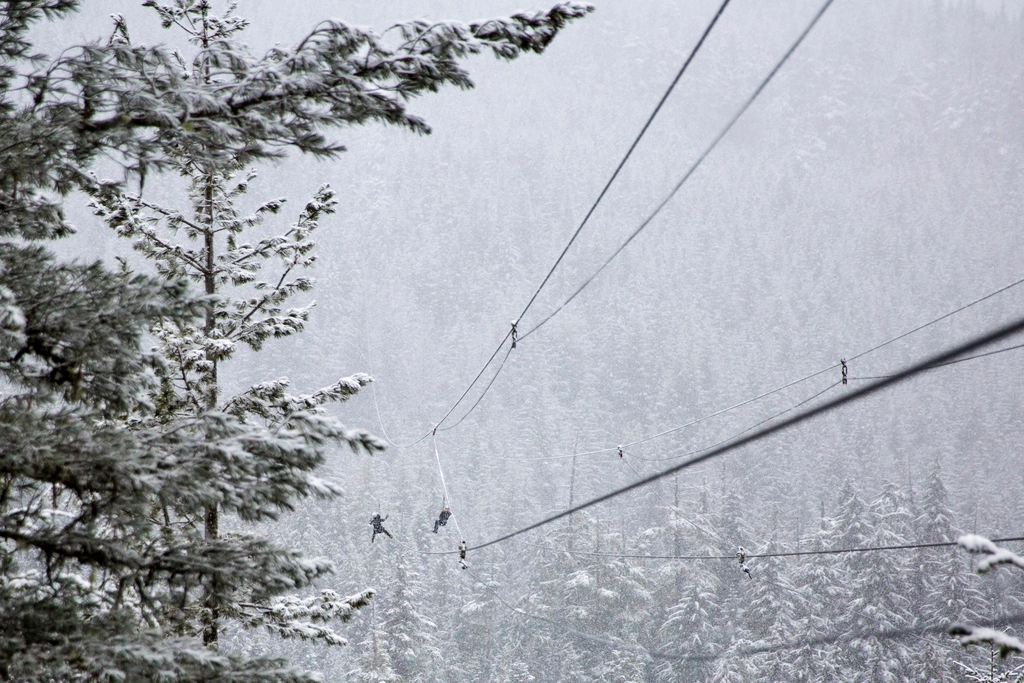
There’s a moment every zip line guide knows well. It’s not the landing, and it’s not the speed. It’s the few seconds a rider spends standing on the launch platform, looking out, before the drop. That’s when the landscape opens up completely, unhurried, silent except for wind. The view from those platforms is often more
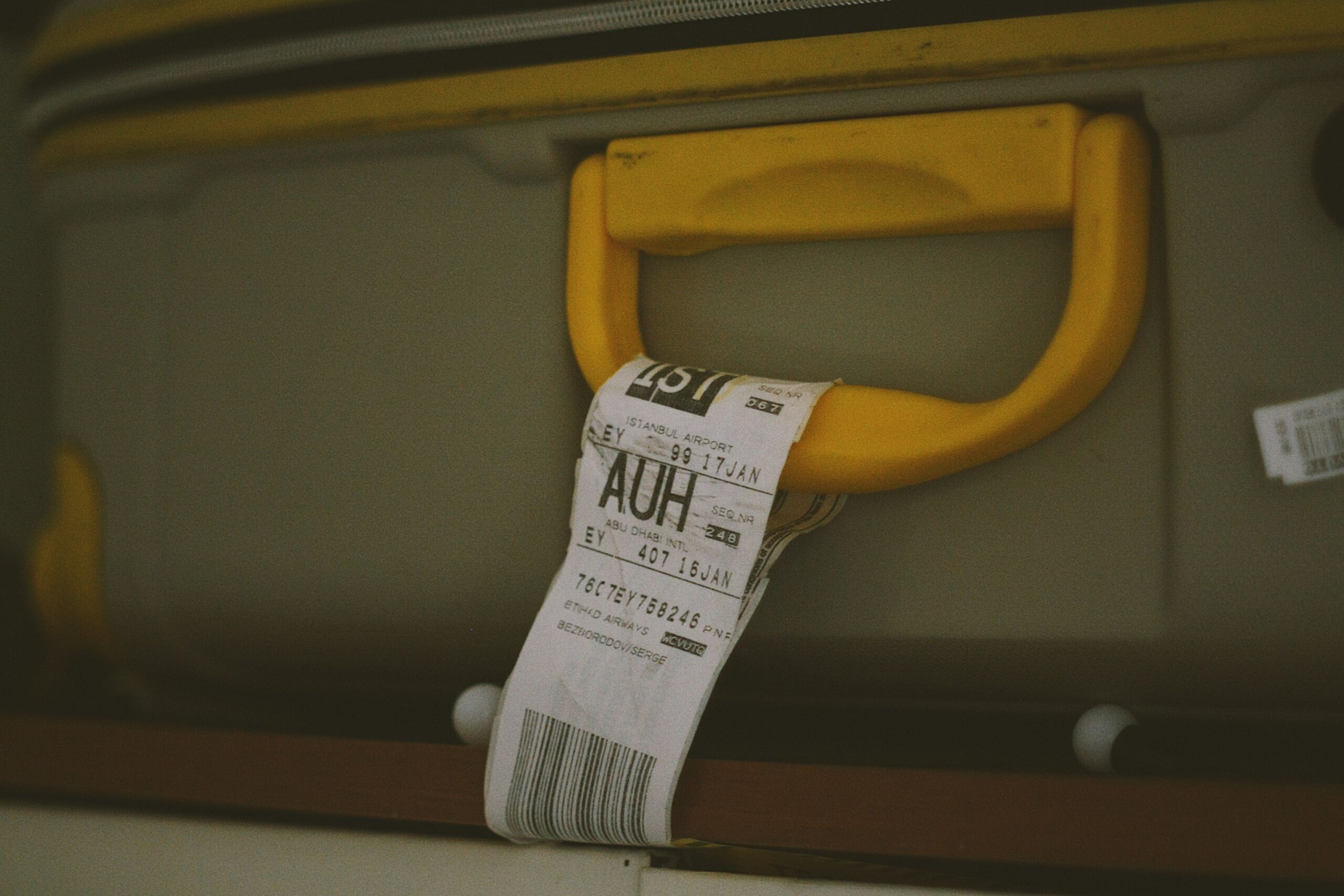
Every year, countless travelers land at a foreign hub, sprint through unfamiliar terminals, and watch helplessly as their connecting gate closes just ahead of them. The experience is disorienting, expensive, and – more often than people realize – entirely preventable. The mistake at the root of most international connection disasters is not a random stroke