Leah is driven by learning and adventure. She has studied Journalism, Early Human Development, and Culinary Arts. When she’s not writing she can be found reading or hiking the Southwest.
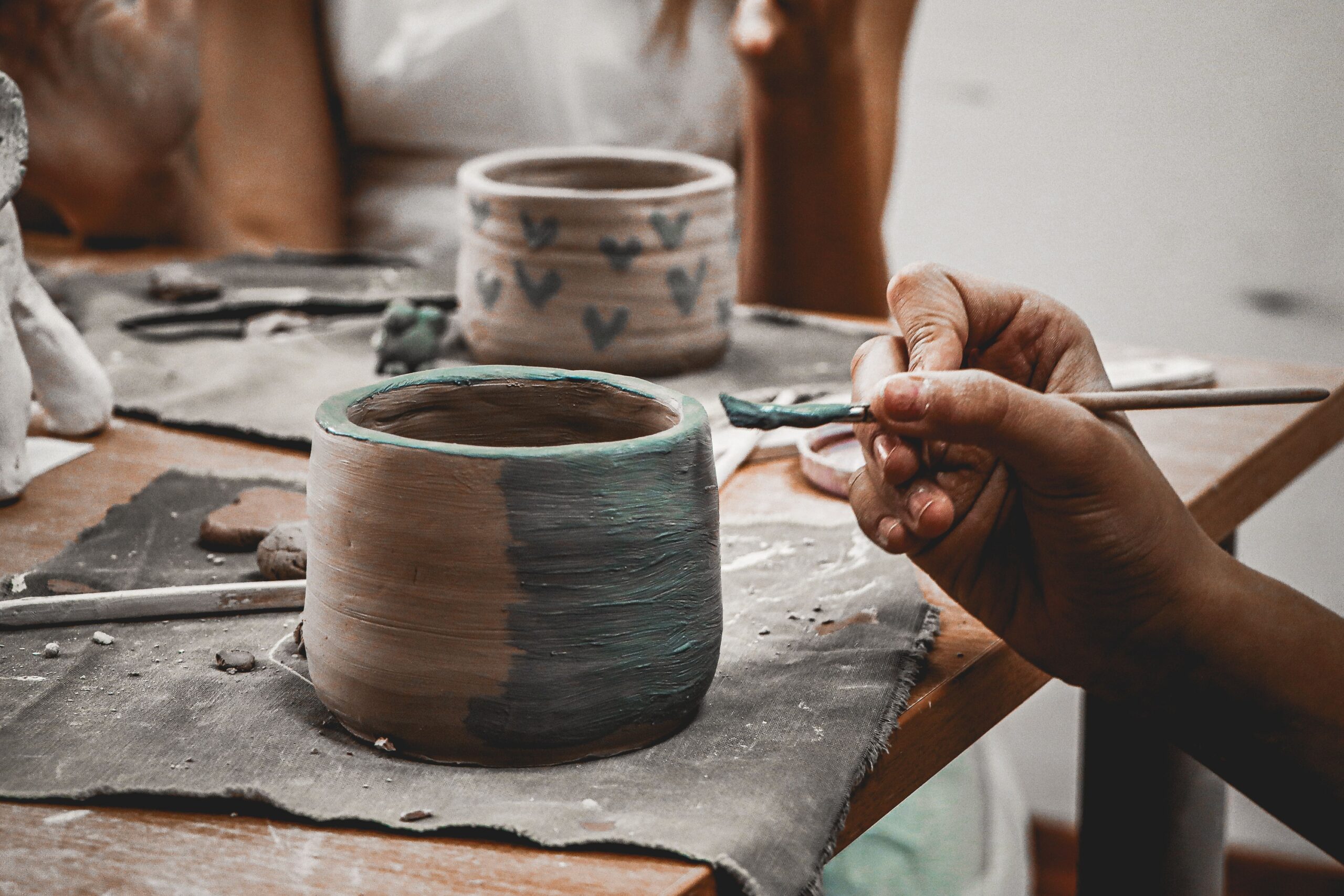
There’s a quiet but significant shift happening in travel right now. People aren’t just booking flights to see things anymore. They’re booking them to learn something, to come home with a skill in their hands rather than a trinket in their bag. This idea has picked up enough momentum to earn its own name: the
There’s a place in southern Jordan where the silence is so complete you can hear sand shifting against rock. The light turns amber at dusk, the cliffs blush red, and the sky overhead feels improbably vast. Most people have never heard of Wadi Rum Village, the small Bedouin settlement at the edge of one of
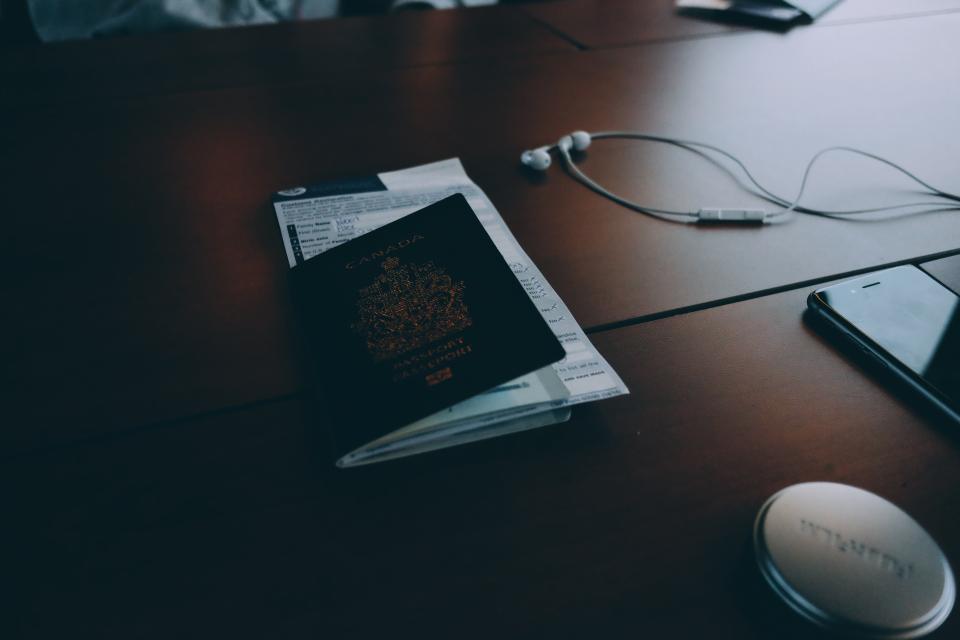
Passport renewal is one of those tasks most people assume is straightforward. You fill in a form, gather your documents, snap a photo, and send everything off. Except the photo part is far less simple than it looks, and the evidence from recent years proves it. The U.S. State Department rejected over 300,000 passport applications
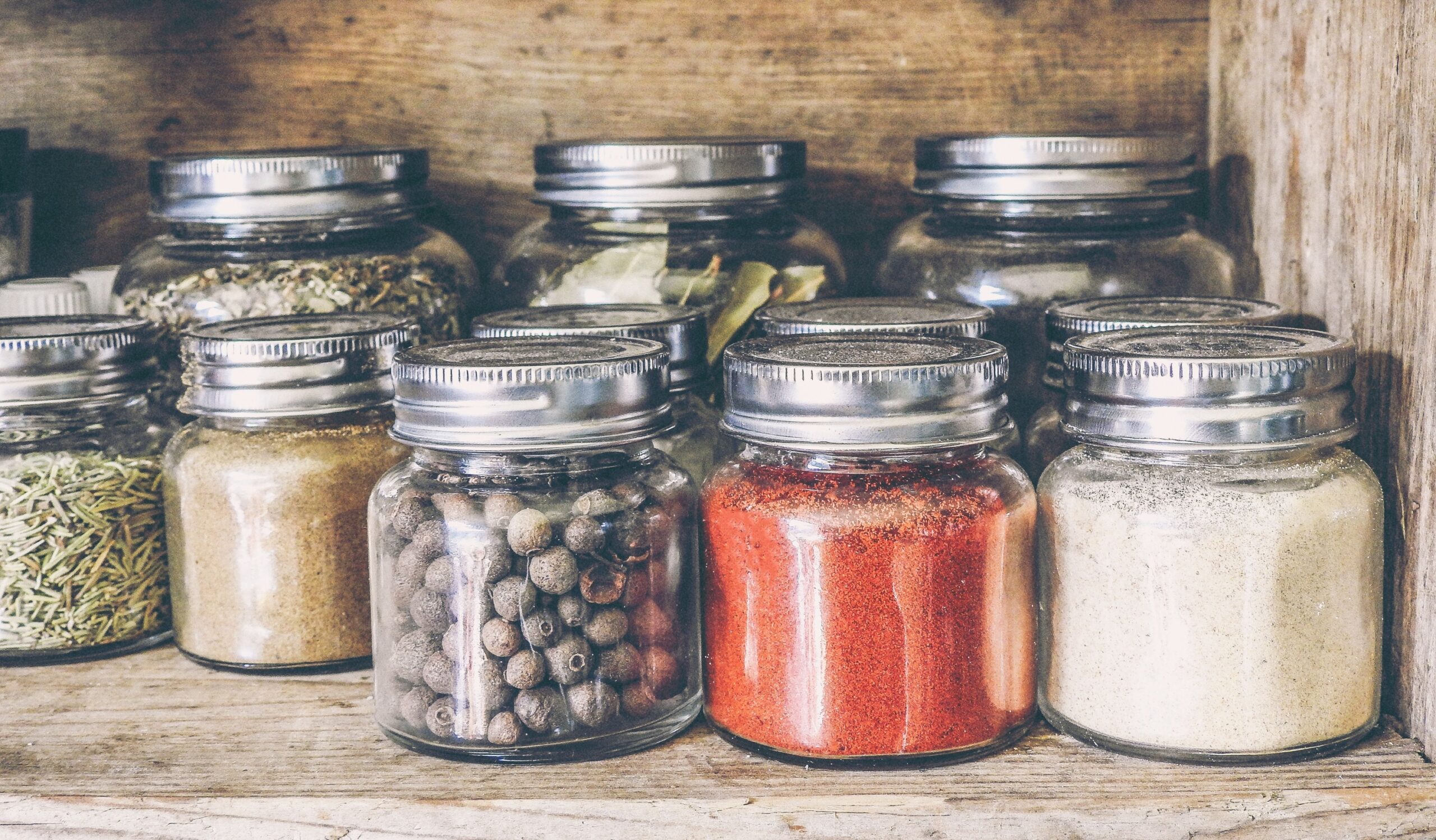
Spices are rarely just ingredients. Across many of the world’s most distinctive food cultures, a single blended mixture of dried aromatics carries the weight of centuries of trade history, family tradition, and regional identity. The blend itself becomes the fingerprint of a cuisine. Some of these mixtures are guarded secrets, passed between generations without a
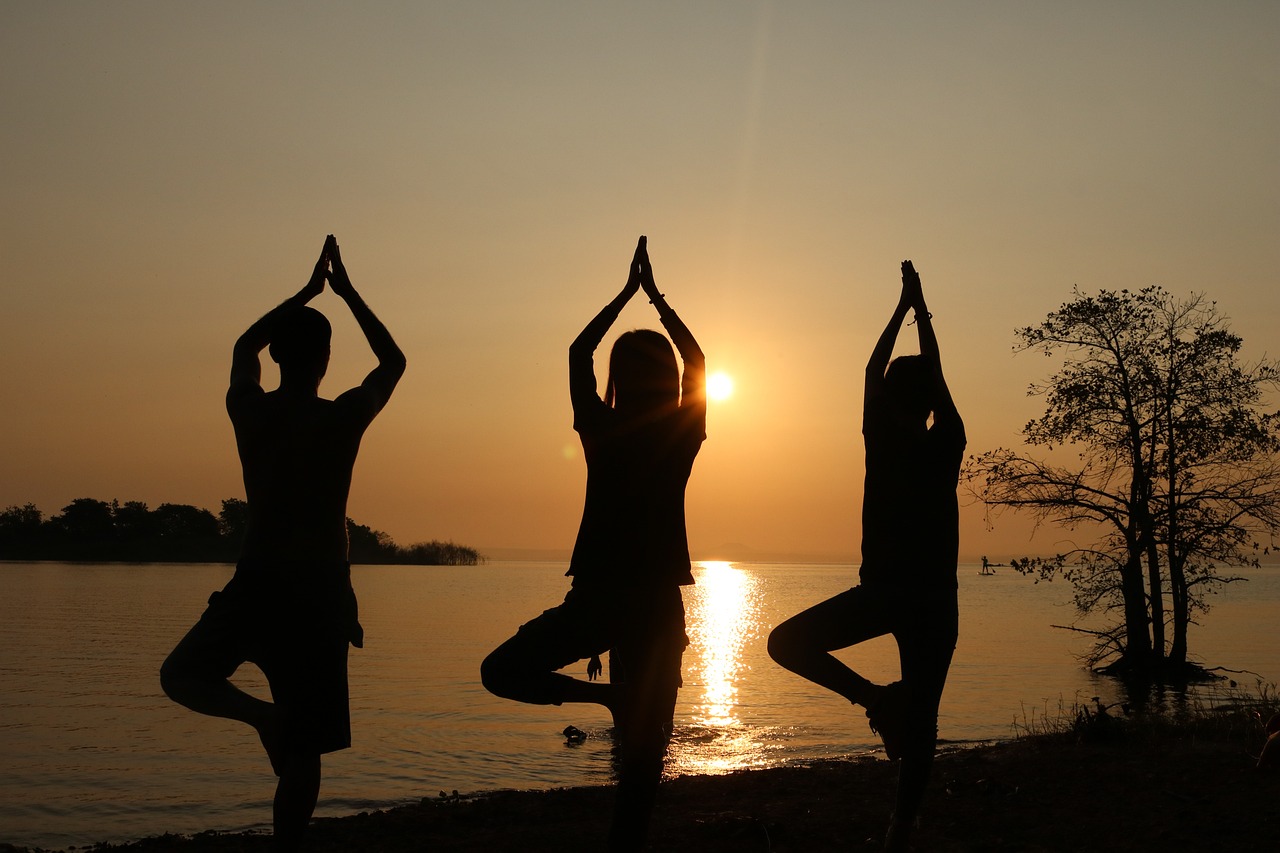
Yoga retreats are booming. Over 300 million people practice yoga worldwide, and the global yoga industry, including classes, teacher trainings, retreats, and products, is worth well over $88 billion USD. That scale means retreat centers see an enormous range of first-timers walking through their doors every year, eager, nervous, and often carrying habits that quietly
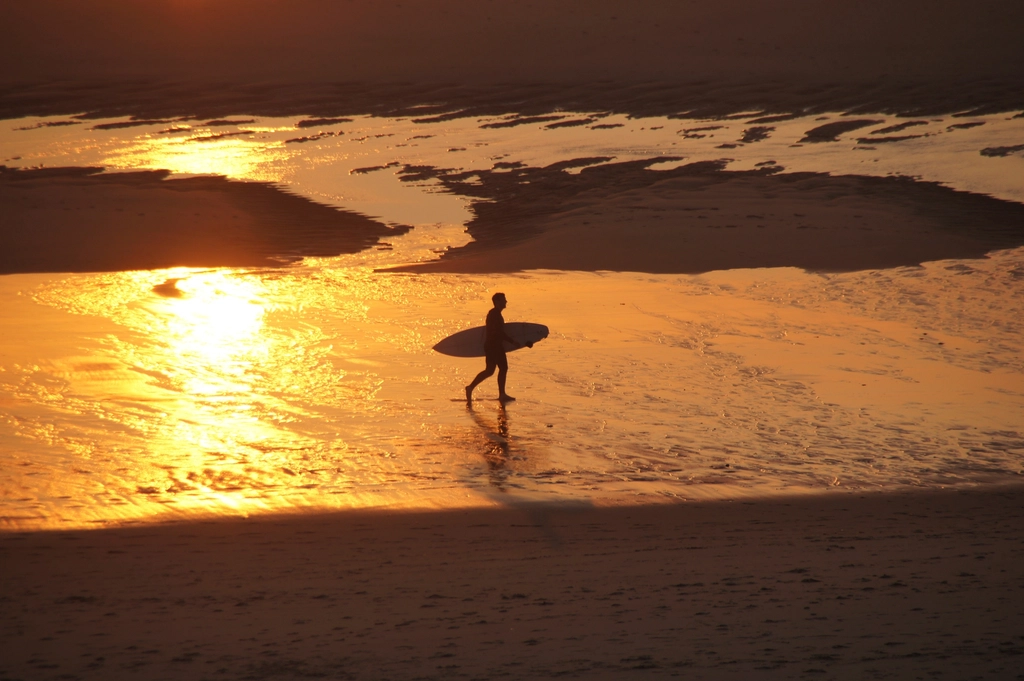
There’s a predictable pattern that plays out at nearly every famous surf destination on earth. The tourist books a lesson, gets pointed toward the busiest break on the map, paddles out into a chaotic lineup, and wonders why learning to surf feels so stressful. Meanwhile, a quieter, friendlier wave sits just down the coast, largely
Coordinating a beach trip with multiple families sounds like a dream until the group chat turns into a spreadsheet of conflicting budgets, dietary preferences, and opinions on sleeping arrangements. The logistics alone can feel overwhelming, and the financial side has a way of creating tension that no ocean view can fix. A 2025 NYU survey
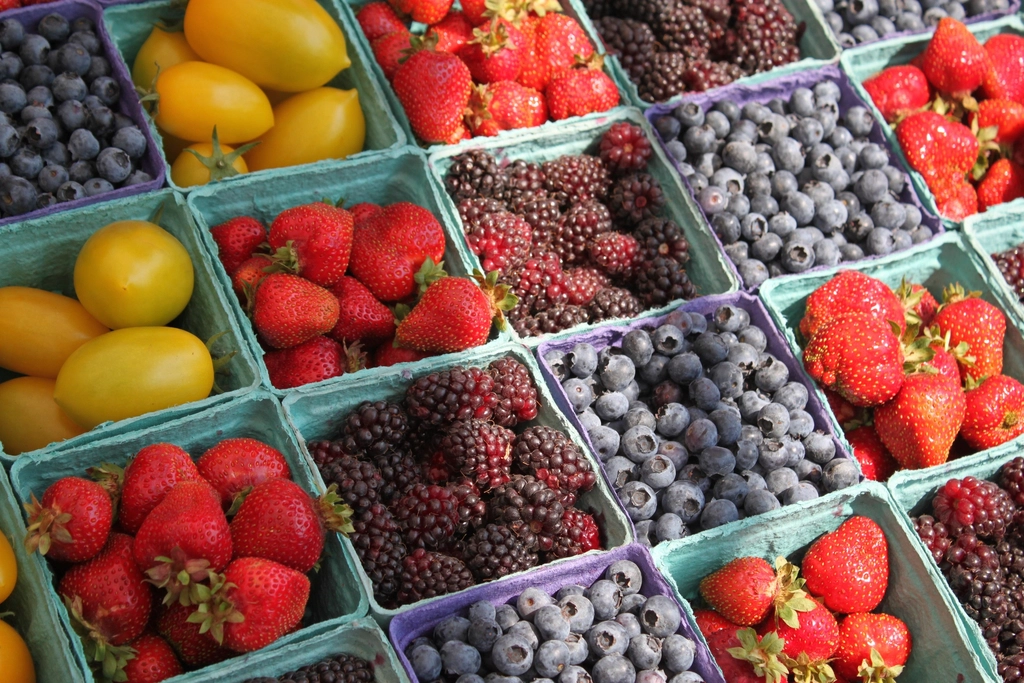
There’s a particular kind of Saturday morning that ruins you for ordinary routines. You arrive at a market stall just as someone is pulling fresh sourdough from a linen bag, a paper cup of single-origin coffee warming your hand, the whole square smelling of stone fruit and herbs. An hour later, you realize you haven’t
More dog owners are booking flights with their four-legged companions than ever before. Recent 2024 surveys reveal that an impressive 78% of American pet owners travel with their pets each year. Yet despite that enthusiasm, confusion about airline policies is still the number one reason trips get complicated before they even begin. The detail that
Walk into a busy marina office on a Friday afternoon and you’ll notice something quickly. There’s a line of boaters, most of them asking vague questions about availability. A few of them walk away with exactly what they wanted. Most don’t. The difference often comes down to one thing: what you actually ask, and how
There’s a particular kind of magic that happens when you stand in a street food market and realize the person ladling soup in front of you learned that exact motion from a grandparent who learned it from theirs. No menu app, no brand consultancy, no focus group. Just muscle memory passed down like heirlooms. The
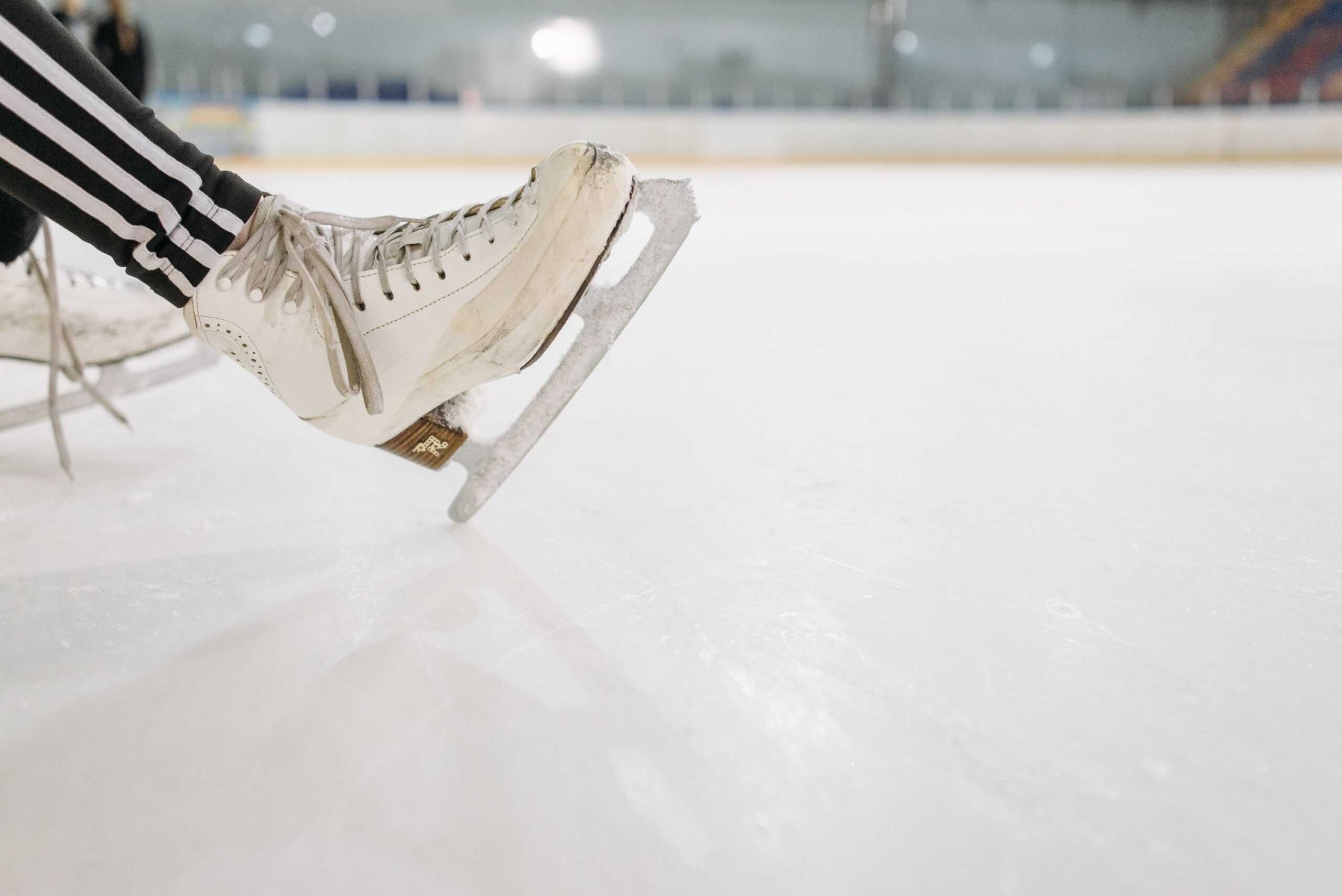
There’s a certain quiet that settles over an ice rink before the crowds arrive. The surface is glassy, the air is sharp, and for a few hours, the ice feels like it belongs to you. Most casual skaters never experience it, mostly because they don’t know when to show up. The people who do know?