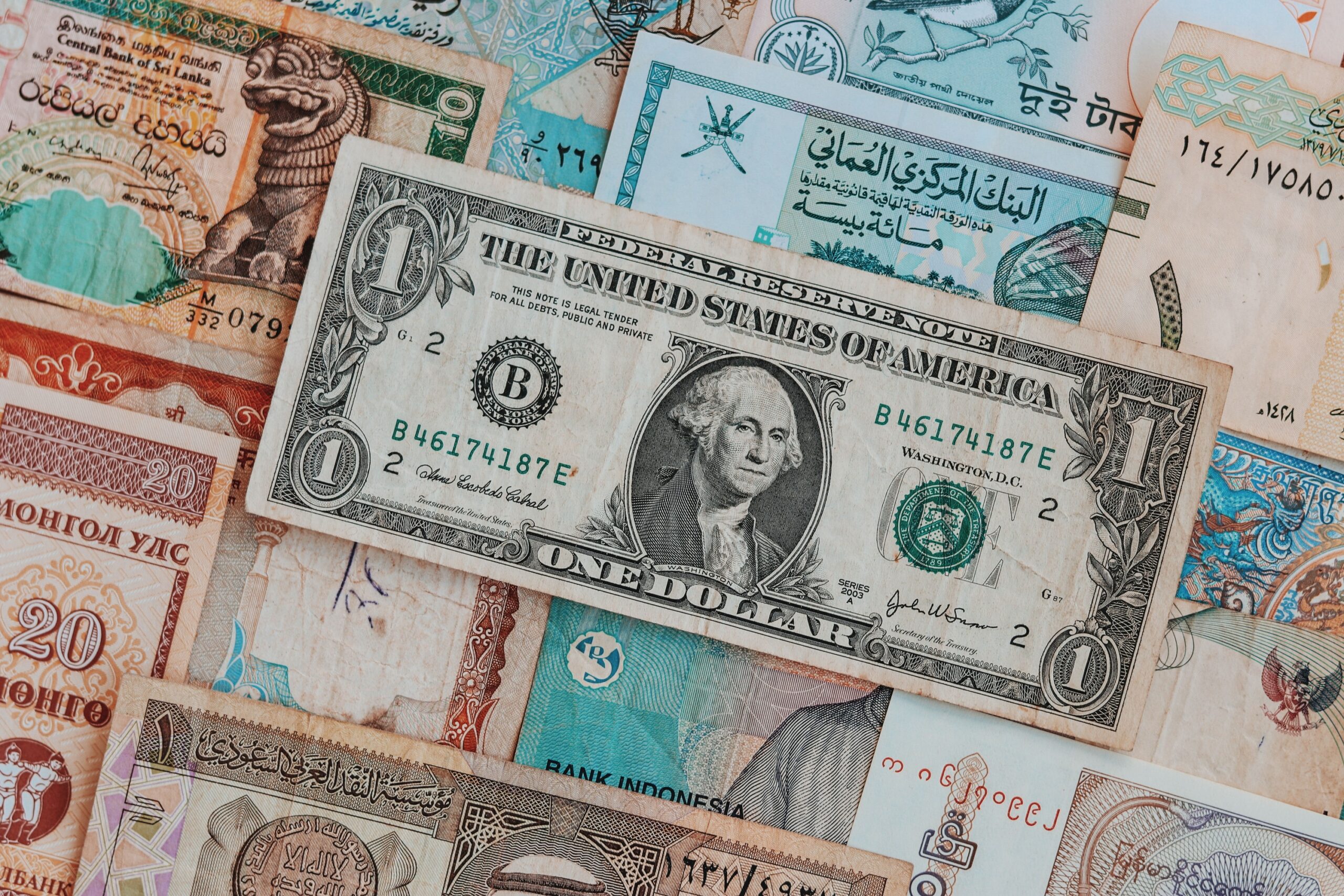
There’s a quiet financial shift happening in international travel right now, and most people are only half aware of it. Currency movements have reshaped the cost of visiting entire regions, turning once-pricey destinations into genuinely accessible ones and rewarding travelers who do a little homework before they book. The global travel landscape in 2026 is
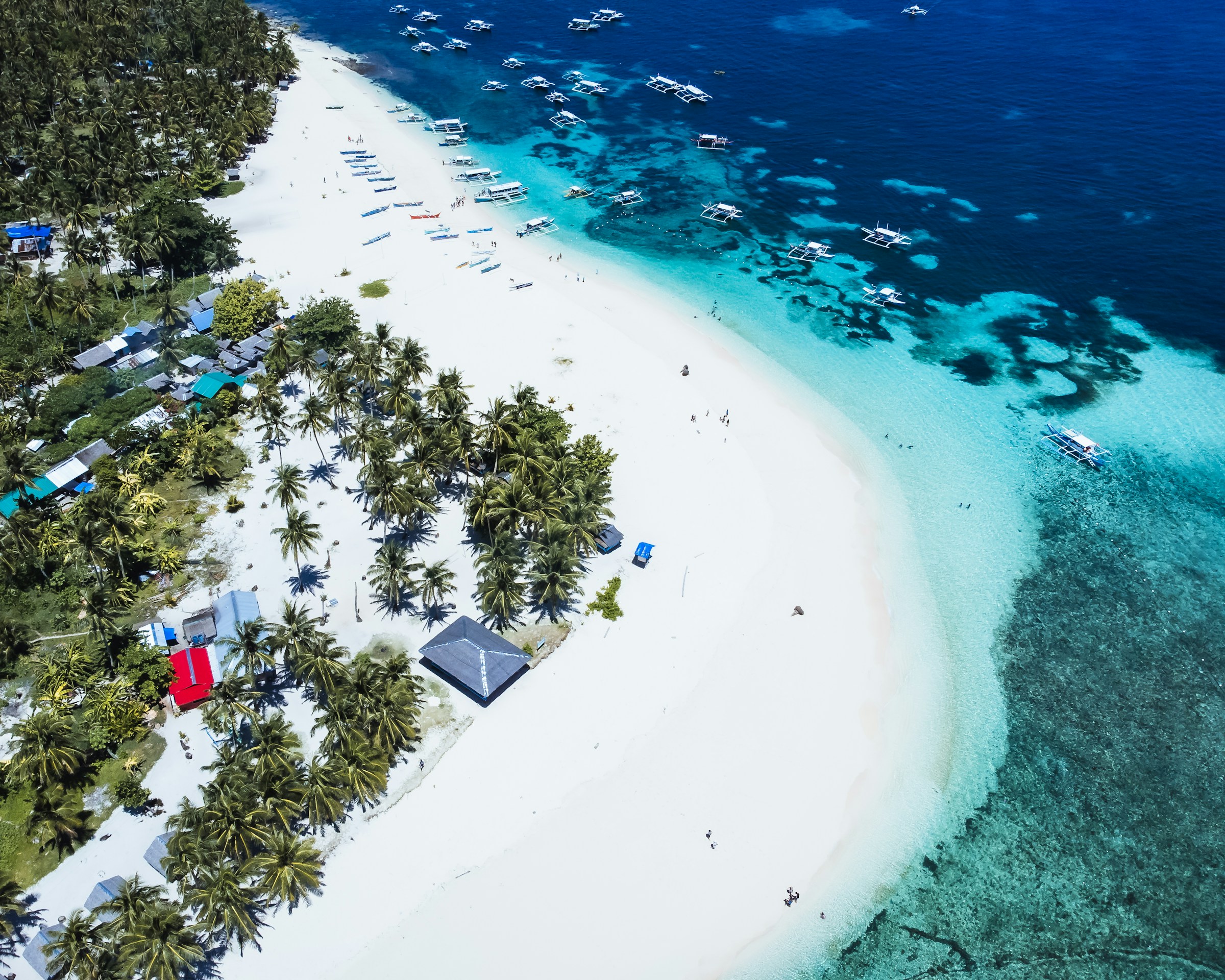
There is a particular kind of travel magic that happens when a place feels genuinely undiscovered, even as the world slowly finds it. Siargao, a tear-shaped island tucked into the Philippine Sea in the province of Surigao del Norte, carries exactly that feeling. It has waves, lagoons, mangrove forests, and a community that cares deeply
Some towns string a few lights along Main Street and call it done. Others commit to the whole idea with a kind of joyful stubbornness that turns a simple December evening into something you genuinely remember. Across the United States, there are places where holiday lights are not an afterthought – they’re a civic identity,
There was a time when the American weekend revolved around a car, a paper bag of popcorn, and a giant screen glowing against the evening sky. At their peak, roughly 4,063 drive-in theaters were operating across the United States in 1958. The numbers have fallen sharply since then. The numbers dropped rapidly in the 1970s
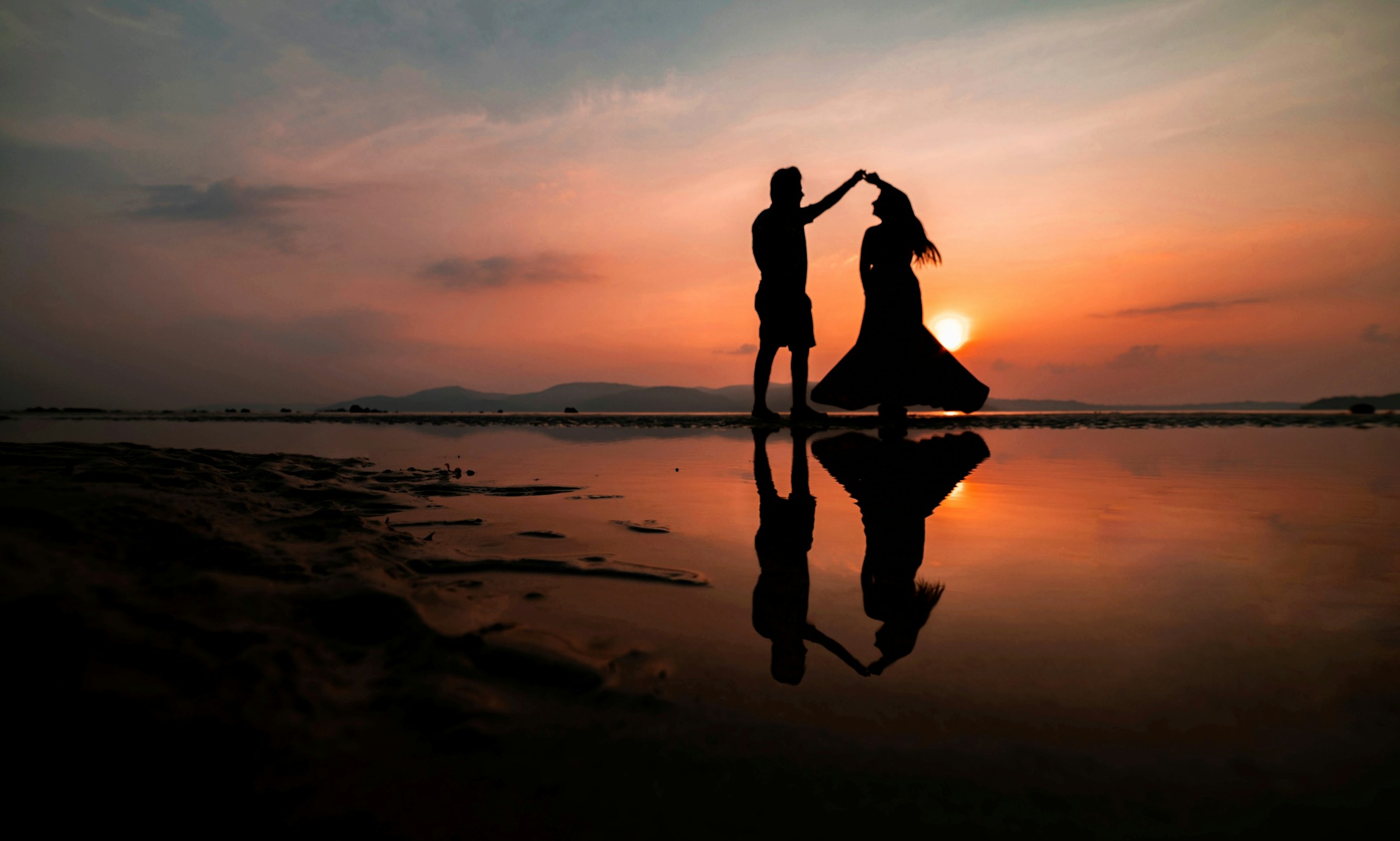
Paris, the Maldives, Santorini. These destinations have ruled the honeymoon imagination for decades, and for genuinely good reasons. Yet something has quietly shifted in how couples approach that first trip as a married pair. In 2025 and into 2026, couples are looking for honeymoons that feel unique and personal, gravitating toward hidden-gem destinations, eco-luxury retreats,
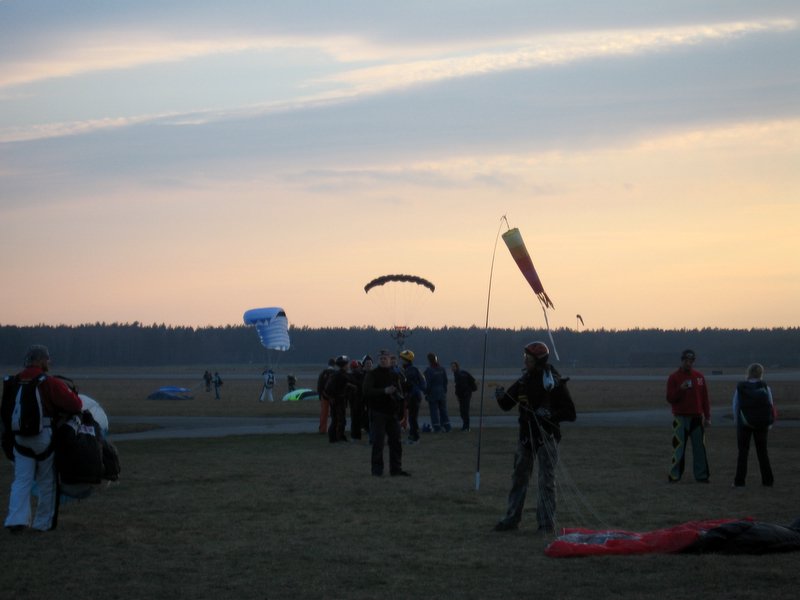
There’s a particular kind of excitement that comes before a first skydive. It’s equal parts nervousness and wonder, the feeling of standing at the edge of something genuinely extraordinary. Picking where you take that leap matters far more than most people realize. The drop zone you choose shapes every dimension of the experience, from how
Most people spend weeks planning a trip, hunting for cheaper flights, comparing hotel prices, and clipping digital coupons. Then they land at the airport, rush to the currency exchange kiosk, and quietly hand over a significant chunk of everything they just saved. It happens constantly, and the loss is almost never visible on a receipt.
Something has quietly shifted in how companies think about employee benefits. The designated “work from anywhere” week – a structured period where employees can operate from a different city, another country, or simply wherever they feel most alive – has moved from a niche tech-company experiment to a serious retention and recruitment tool. It’s no
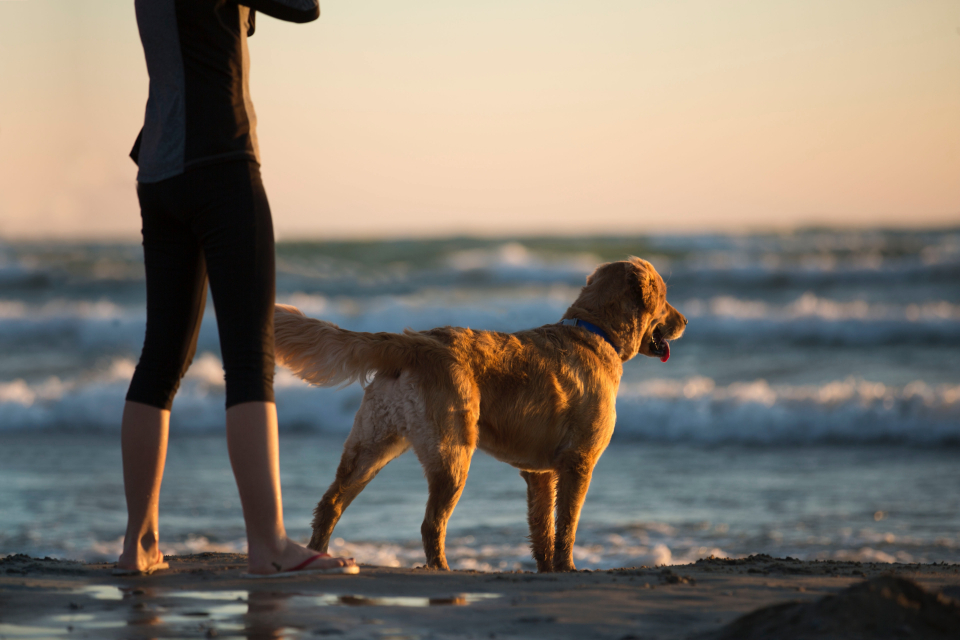
Something has quietly shifted in how Americans plan their vacations. The kennel booking – once a routine part of travel prep – is becoming less common. More travelers are skipping the kennel and booking seats, beds, and beach spots for their four-legged companions, and pet travel has evolved into a full-blown movement, reshaping how people
Amusement parks are genuinely magical places. They’re also enormous, extraordinarily loud, and filled with tens of thousands of strangers moving in every direction at once. For families trying to stay connected across all that space and noise, the challenge is real. That tension between adventure and coordination is exactly where walkie-talkies have quietly carved out
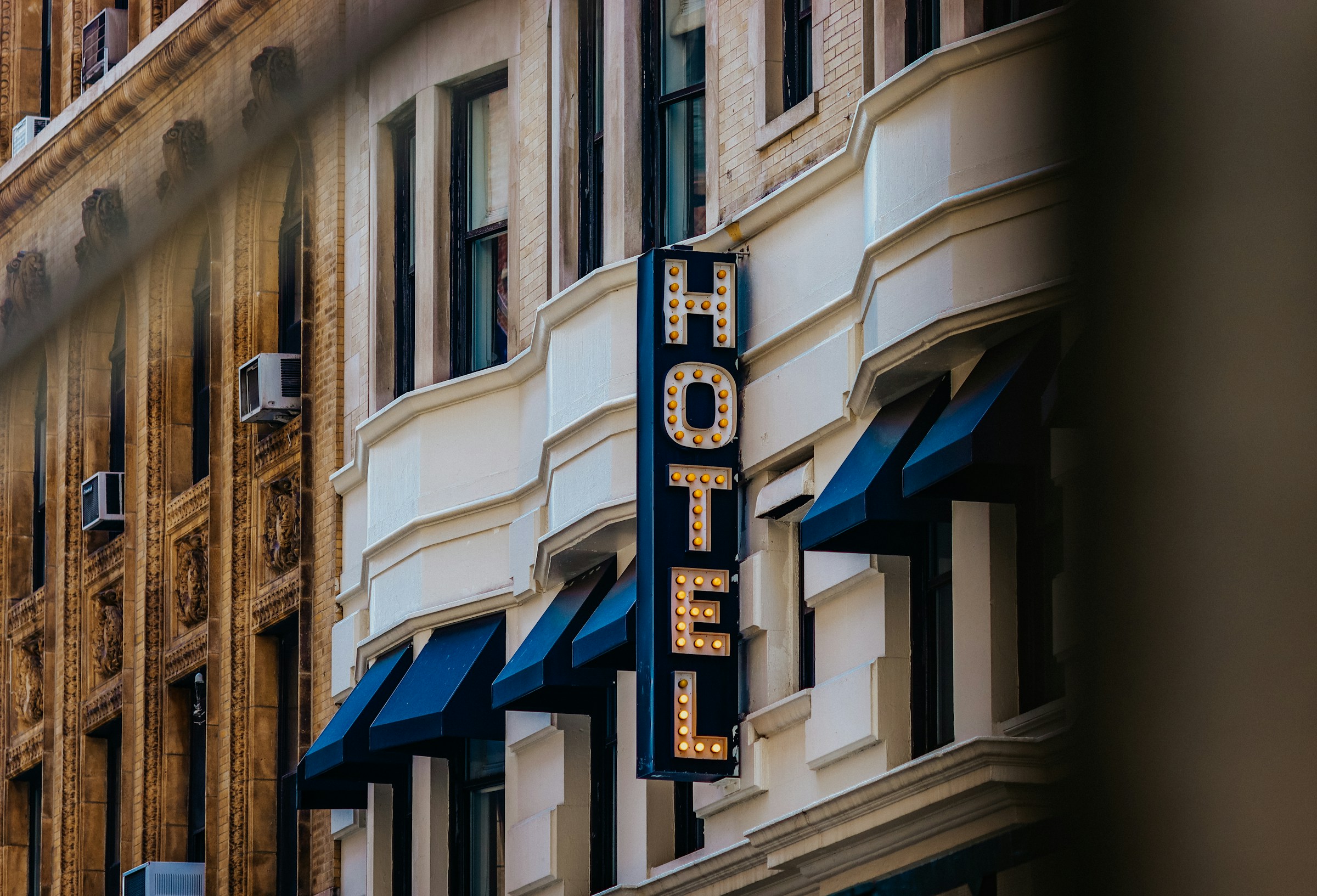
There’s a quiet ritual that experienced travelers share. Before they lock their phones, before they step off a plane, before they hand their passport to customs, they take a screenshot of one thing: their hotel address. It seems almost too simple to matter. It matters enormously. The reason isn’t paranoia. It’s pattern recognition. Anyone who
Miami – Hurricane Genevieve reached Category 5 strength early Monday, marking the first such storm in the eastern Pacific in two years. Forecasters at the National Hurricane Center reported maximum sustained winds of 160 mph as the system tracked well offshore. Its path runs roughly parallel to Mexico’s coastline, and current projections show no landfall