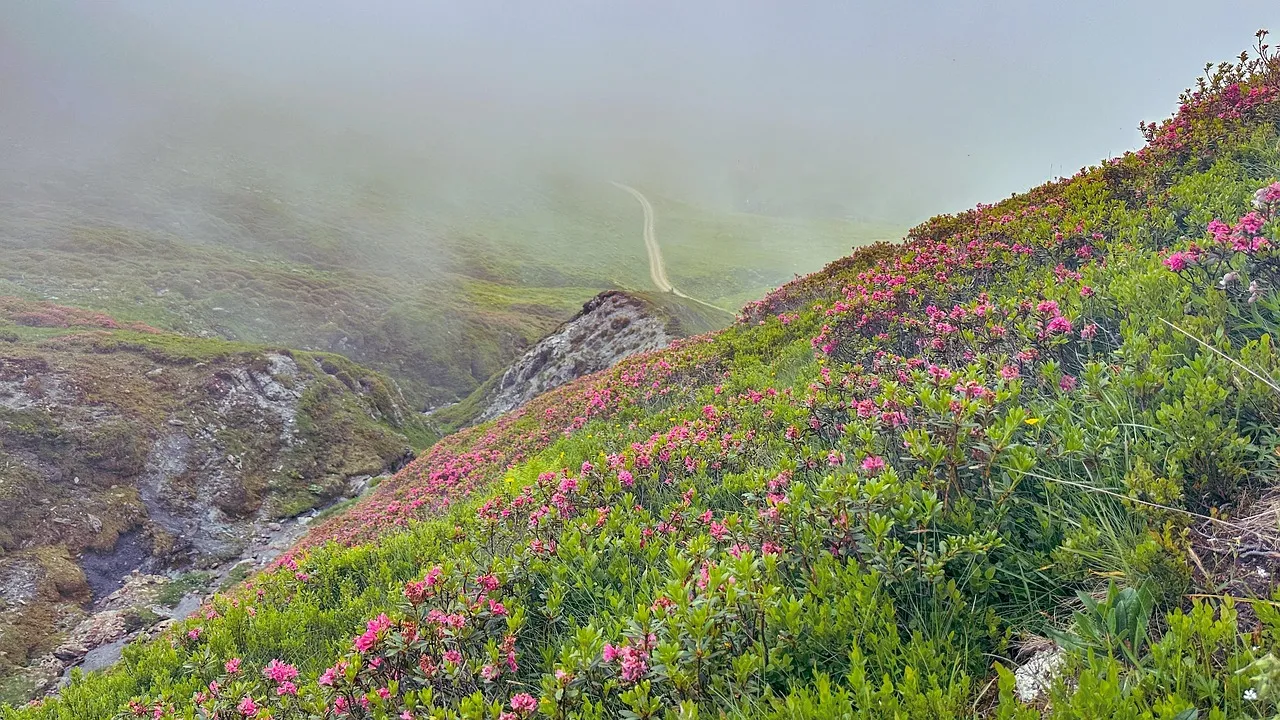
Travel is one of the most enriching things a person can do. It opens your eyes to other cultures, other landscapes, and other ways of being human. The world, in that sense, genuinely benefits from curious, well-meaning travelers moving through it. The problem is scale. Global tourism was expected to contribute more than $11 trillion
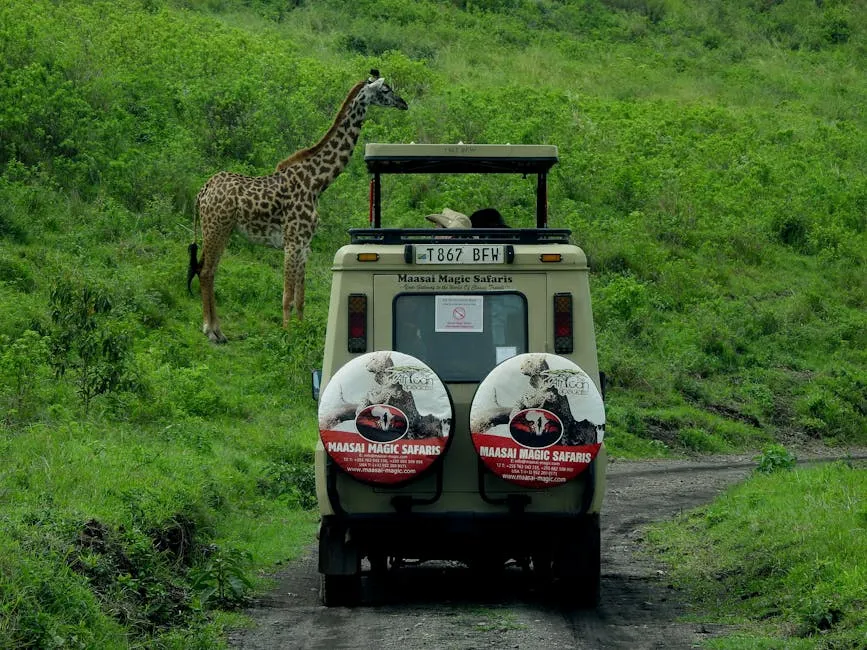
There’s a particular kind of quiet confidence that comes from navigating your own route through African wilderness, pulling over whenever you please, and watching a herd of elephants cross the road with no one around to rush you. Whether you’re traversing the plains of the Serengeti or the rugged terrain of Namibia, a self-drive safari
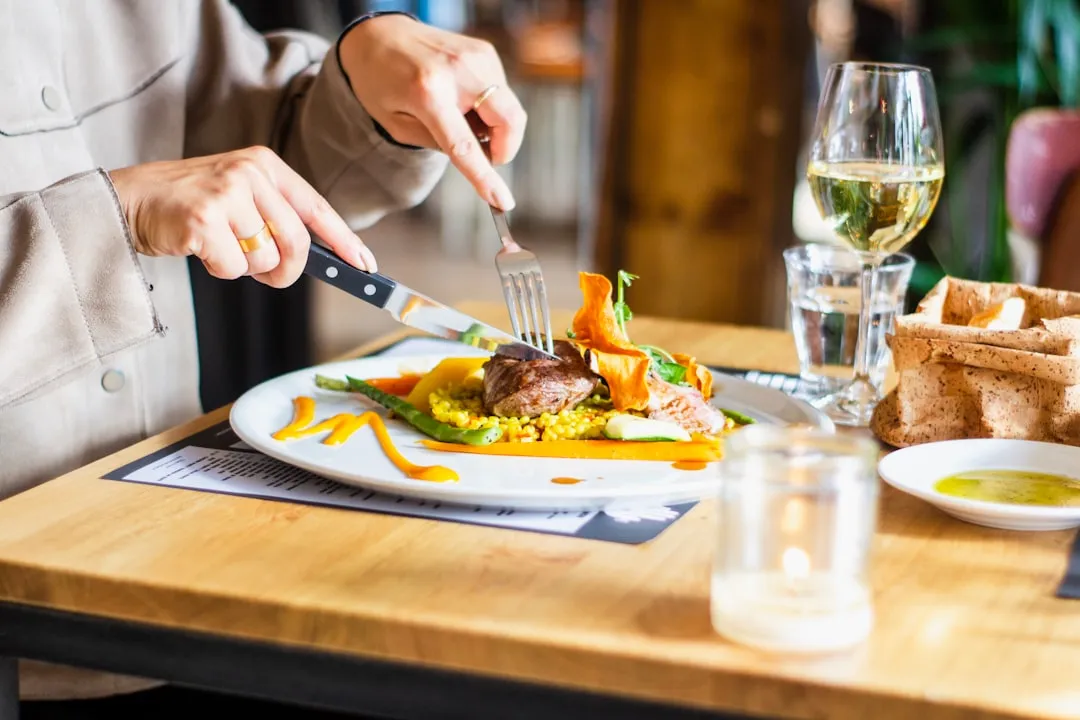
There is something almost disarming about sitting down to eat with someone you have never met. The formality dissolves. The need to perform disappears. What takes its place is something older and more reliable than almost any other form of social interaction. Food, in that moment, becomes the one thing both of you already understand.
There’s something that happens when you read a great novel in the city that made it. The streets stop being background and start becoming characters. The air feels different, or maybe you just notice it differently. Around the world, readers are increasingly seeking out destinations that blur the line between fiction and reality, and according
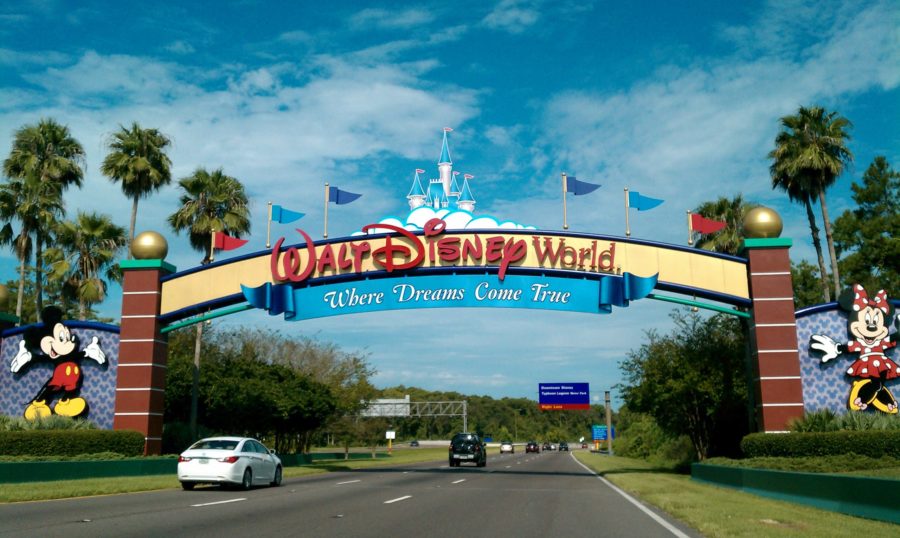
Most people pass through Kissimmee on their way to somewhere else. They catch a glimpse of it from a highway exit, maybe catch a theme park sign, and assume they know what it is. They don’t. Beneath the resort strips and the well-traveled tourist corridors, there’s a city with a genuinely warm pulse. Kissimmee and
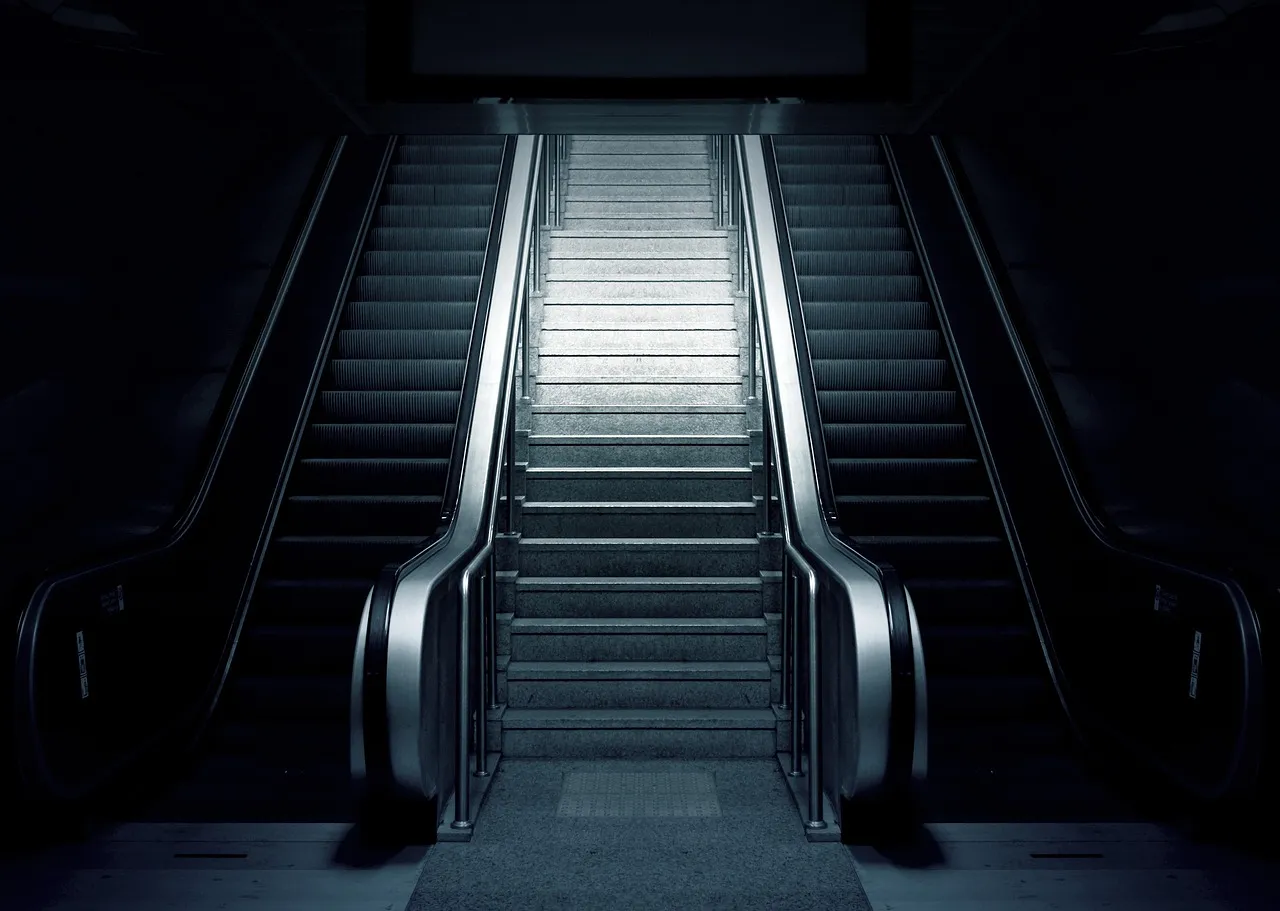
Most people picture adventure as something that happens far from a city. A roaring river, a mountain ridge, a route that demands everything you have just to stay on course. Yet every weekday morning, millions of people stand in front of a transit map crammed with colored lines, overlapping nodes, and cryptic abbreviations, and their
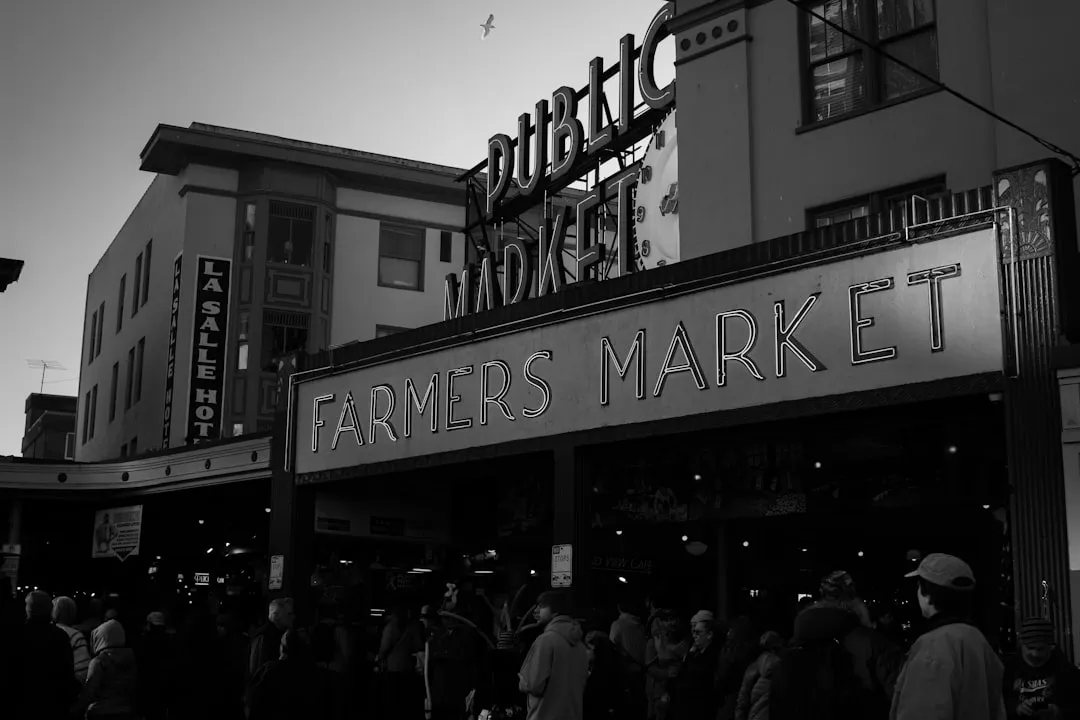
There’s a version of travel where you visit a city’s landmarks, take photos, and leave knowing exactly what you saw on the brochure. Then there’s the version where you wander into a covered market at eight in the morning and end up eating something you can’t name but will think about for years. Historic food
There’s a quiet moment most people who’ve moved abroad know well. You’re standing in a grocery store, surrounded by a language you’re still figuring out, and it hits you: the strange mix of freedom and dislocation. You chose this. You’re glad you chose this. You’re also not entirely sure who you are here. That tension
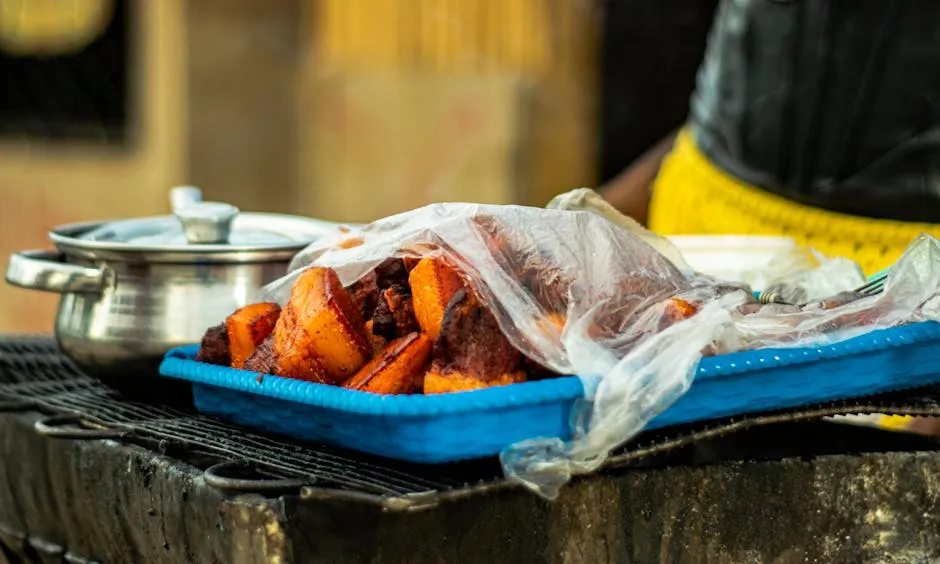
Walk through Surulere at noon, or past a Lekki junction after dark, and you’ll understand something quickly. The real pulse of Lagos doesn’t beat inside air-conditioned restaurants. It rises from open flames and sizzling skillets on the pavement, carried on humid air thick with spice and smoke. Street food here isn’t a sideshow to the
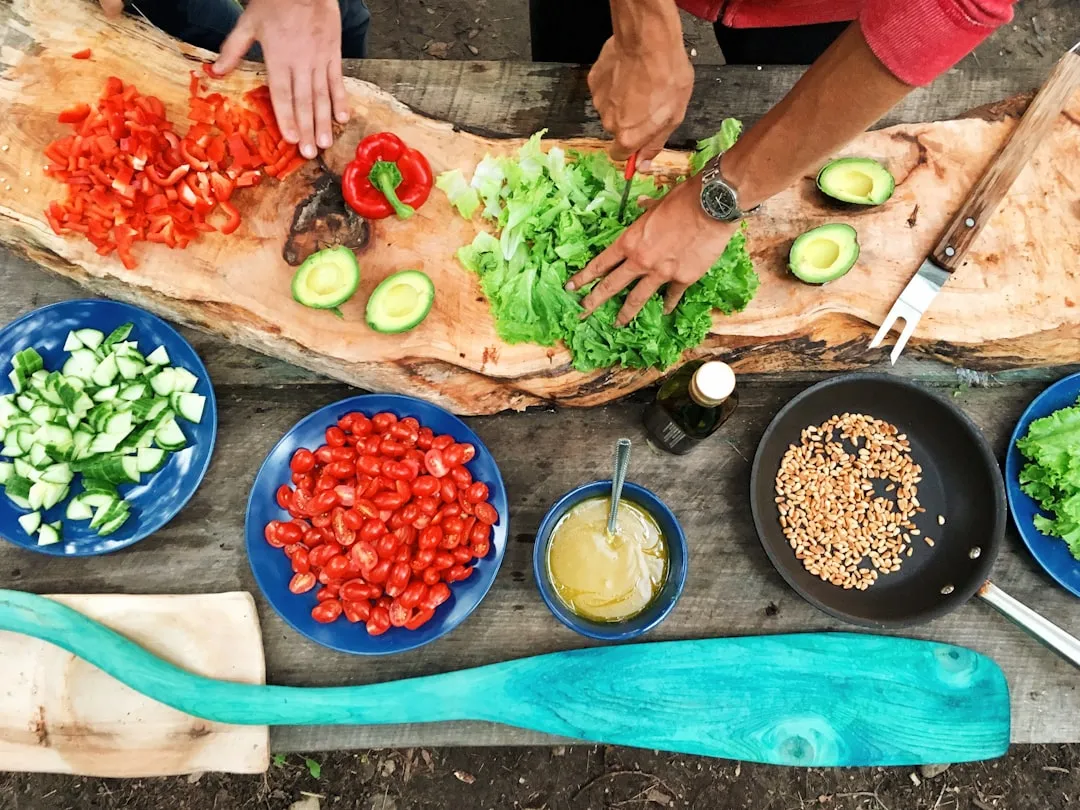
There’s something remarkably honest about a kitchen. When you’re trying to keep dough from sticking or figure out how to fold a dumpling correctly, nobody has much energy left for pretense. That shared vulnerability, small as it seems, turns out to be the starting point for something far more significant. Across cities and communities worldwide,
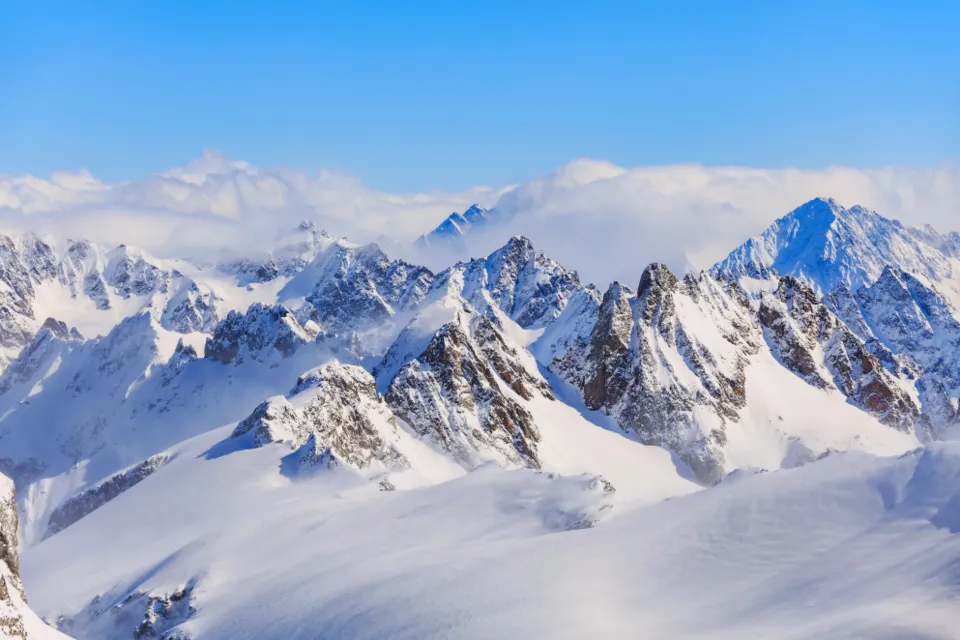
There is something quietly disorienting about stepping off a train in Interlaken and looking up. The valley walls seem almost vertical, the peaks invisible in cloud, the scale just wrong enough to recalibrate everything you thought you knew about space and altitude. Switzerland does this to people. It has for generations. What’s striking about the
There’s a particular kind of knowledge you only gain by walking somewhere. Not the kind you get from a guidebook or a viewing platform, but the texture of a place: the smell of a morning market, the way a village square empties after noon, the exact spot where a river bends and you catch your